History of George M. Cohan’s Theatre
Origins and Construction
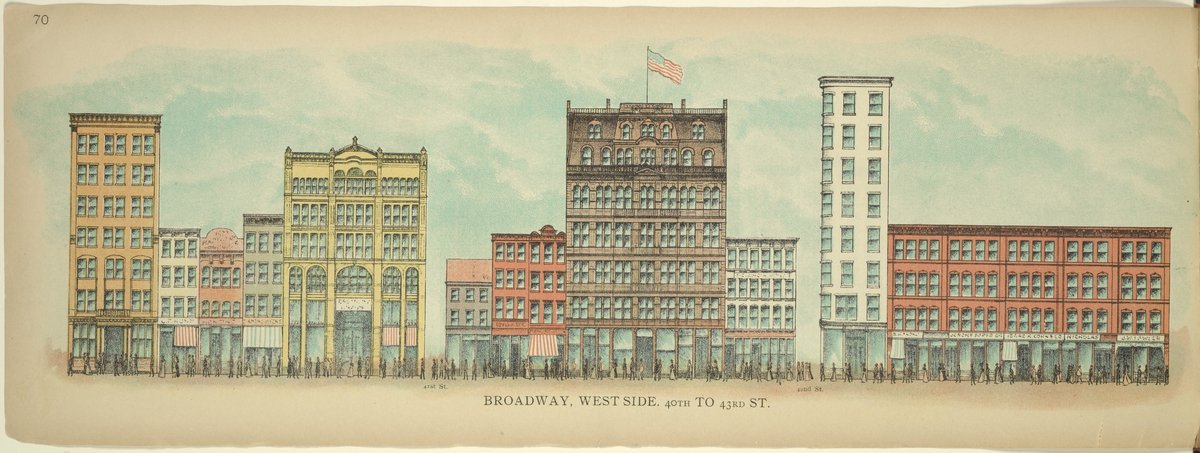
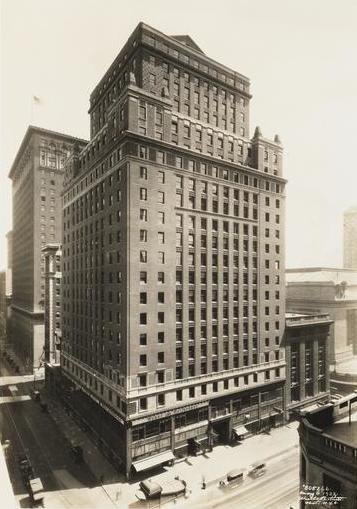
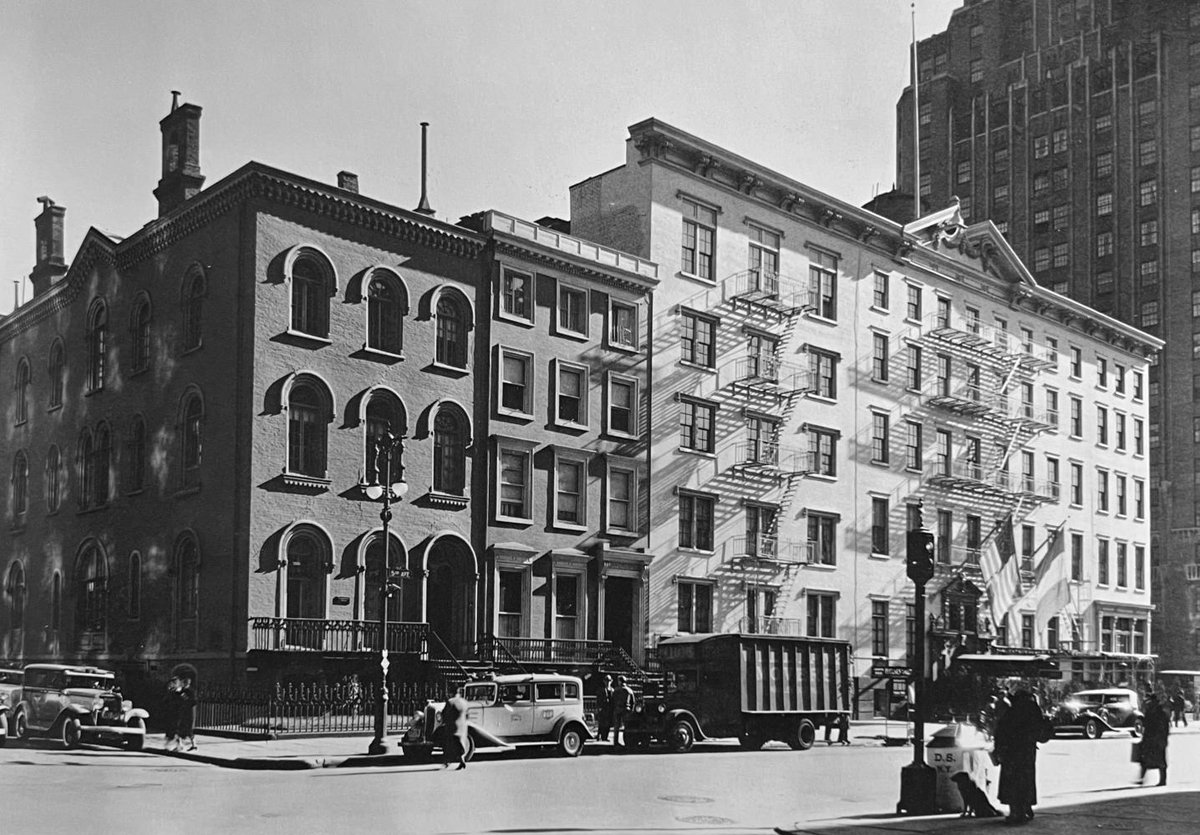
George M. Cohan’s Theatre was built during Broadway’s early 20th-century boom, opening on February 13, 1911, at the southeast corner of Broadway and West 43rd Street. Designed by architect George Keister, the theater was developed for George M. Cohan and his partner Sam H. Harris. Attached to the Fitzgerald Building, the theater featured entrances on both Broadway and 43rd Street.
Architecture and Interior Design
The theater’s modest granite and terra cotta façade belied its luxurious Italian Renaissance interior, which seated approximately 1,086 patrons. Highlights included two balconies, six box sets, and a gilded proscenium arch. Murals celebrated Cohan’s career, lending a personalized touch, though structural columns sometimes obstructed views—a design feature outdated even then.
Theatrical Success, Ownership, and Decline
After debuting with Cohan’s own "Get-Rich-Quick Wallingford," the venue became known for successful shows like "The Little Millionaire" and "Potash and Perlmutter." In 1915, management shifted to Joe Leblang and A.L. Erlanger. As the 1920s progressed, live theatrical hits diminished, replaced by film screenings—most notably MGM's "Ben Hur" in 1925. The Great Depression hastened its decline; by 1932, live performances ended, and the theater became a movie house. Demolition came in 1938, and by 1940, the site was absorbed into what is now the 4 Times Square complex.
Despite its absence, the theater’s legacy is memorialized by the George M. Cohan statue, symbolizing both Broadway’s golden age and Cohan’s enduring influence.
Visiting the George M. Cohan Theatre Site and Statue Today
Location and Accessibility
- Former Theater Site The original George M. Cohan’s Theatre stood at 1482 Broadway, now part of the 4 Times Square complex—a modern skyscraper housing offices, retail, and entertainment venues.
- Statue Location The George M. Cohan statue is in Duffy Square (the northern triangle of Times Square at 47th Street and Broadway). The statue stands as the only theater-related monument in Times Square (Playbill).
Accessibility: Times Square and Duffy Square are fully accessible, with ramps, elevators at subway stations, and wide pedestrian plazas. The area is served by multiple subway lines (1, 2, 3, N, Q, R, W, 7, A, C, E) and several bus routes.
George M. Cohan Statue
Unveiled in 1959 and sculpted by Georg John Lober, the statue portrays Cohan in a dynamic pose, hat in hand, and sits atop a pedestal inscribed with “Give my regards to Broadway.” This phrase—one of Cohan's most famous—encapsulates his contribution to American musical theater (Arts.gov; Gotham Center).
Nearby Attractions and Tours
- Historic Theaters The Lyceum Theatre, New Amsterdam Theatre, Richard Rodgers Theatre, and Palace Theatre are all within a short walk. Each offers a window into Broadway’s architectural and artistic heritage.
- Times Square Museum and Visitor Center Features exhibitions on Times Square’s transformation and Broadway’s history.
- Guided Walking Tours Multiple companies provide tours highlighting Broadway’s past, often including the Cohan statue and stories of his legacy.
Practical Travel Tips
- Crowds Times Square is busiest in the evenings and on weekends. For a quieter experience, visit on weekday mornings.
- Safety The area is well-patrolled and generally safe, but standard urban precautions are advised.
- Amenities Numerous dining options and souvenir shops are available, with public restrooms in theaters and select public spaces.
Tickets and Visiting Hours
- Cohan Statue The statue is outdoors and accessible 24 hours a day, year-round, and is free to visit—no tickets required.
- Broadway Shows Performances typically run Tuesday through Sunday, with matinees on Wednesdays, Saturdays, and Sundays. Tickets can be purchased in advance at theater box offices, official websites, or the TKTS booth in Times Square for discounted same-day tickets (Broadway League). Advance booking is recommended for popular shows.
Frequently Asked Questions (FAQ)
Q: Can I visit George M. Cohan’s Theatre?
A: The original theater was demolished in 1938. However, you can visit the site at 4 Times Square and the nearby George M. Cohan statue in Duffy Square.
Q: Where is the George M. Cohan statue located?
A: In Duffy Square at the intersection of Broadway and 47th Street, Times Square.
Q: Are there guided tours that feature George M. Cohan’s legacy?
A: Yes, several reputable companies offer Broadway historical walking tours that include the statue and prominent theaters.
Q: Is the area wheelchair accessible?
A: Yes, Times Square and Duffy Square are wheelchair accessible, as are most nearby theaters.
Q: Do I need tickets to visit the statue?
A: No; the statue is in a public plaza and can be visited at any time without charge.