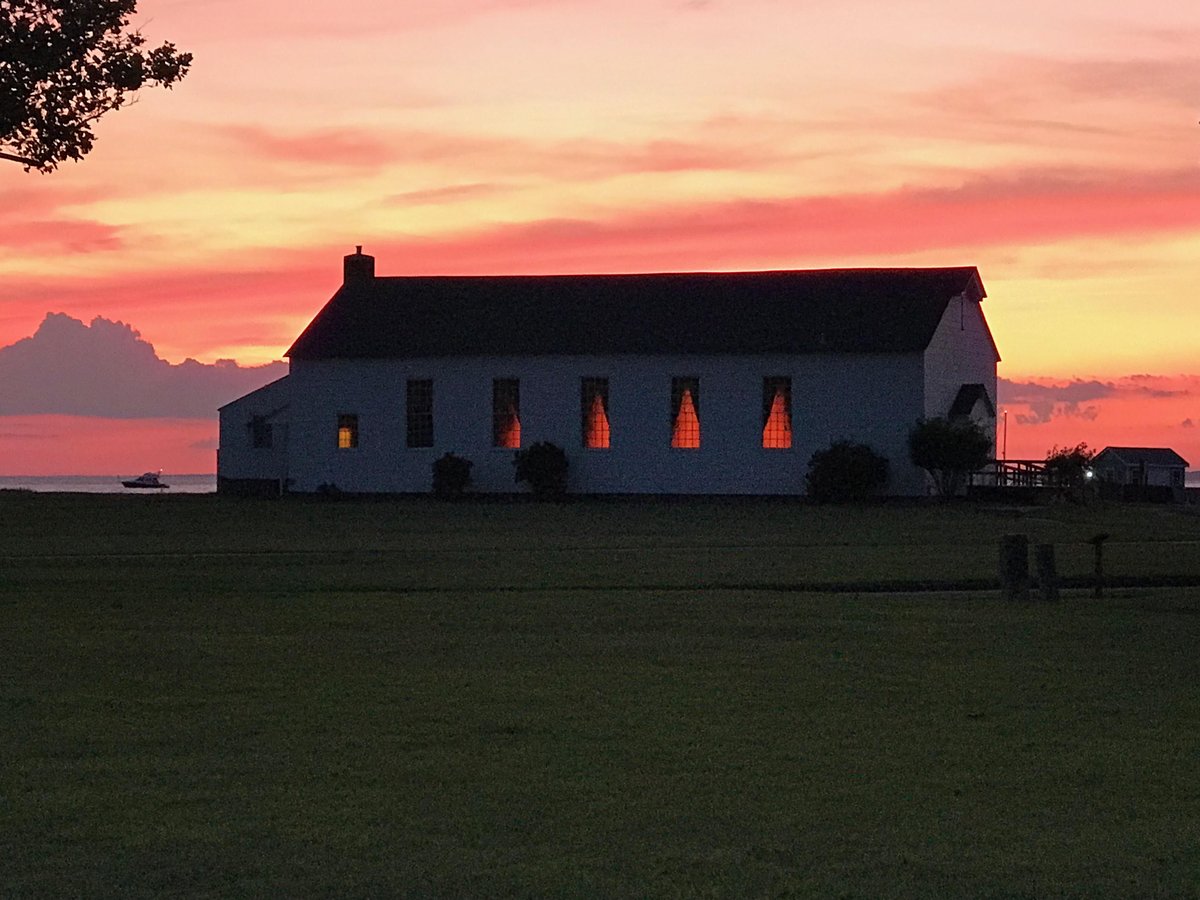
Origins and Establishment
GNRA was established by Congress in 1972 to address the need for accessible green space in urban areas. Unlike many traditional national parks, its lands were acquired using federal funds, reflecting a strategic shift in the National Park Service’s mission toward urban environments and recreation (TCLF).
Historical Layers: Military, Aviation, and Urban Transformation
Defense of New York Harbor
Throughout history, GNRA’s lands have played critical roles in the defense of New York Harbor:
- Fort Hancock (Sandy Hook) A coastal defense site active through World Wars I and II, featuring preserved batteries and the oldest operating lighthouse in the U.S. (NPS History & Culture).
- Fort Tilden (Jamaica Bay) A World War II coastal fortification, now a haven for wildlife and recreation.
- Fort Wadsworth (Staten Island) One of America's oldest military installations, guarding the entrance to New York Harbor from the Revolutionary War to the Cold War.
Aviation and Urban Development
- Floyd Bennett Field Opened in 1931 as New York City's first municipal airport, it later became a naval air station. Today, it offers camping and recreational activities within historic hangars (TCLF).
Environmental Reclamation
- Jamaica Bay Wildlife Refuge Transformed from a landfill into a critical wildlife refuge, now the only National Park Service-managed wildlife refuge (NPS History & Culture).
- Great Kills Park Developed on reclaimed land, now offering beaches and trails (TCLF).
Ecological and Cultural Significance
GNRA protects vital natural habitats and offers accessible recreation to millions:
- Jamaica Bay Wildlife Refuge A major stopover for migratory birds, with over 330 documented species and extensive wetlands (NPS History & Culture).
- Sandy Hook Features unique maritime forests, rare coastal habitats, and abundant birdlife, including the endangered piping plover (alifeofadventures.com).
- Staten Island Unit Supports diverse wildlife, including the only osprey nesting site on Staten Island.
GNRA’s creation was rooted in providing recreational opportunities where people live. The park is a model for urban recreation, serving over 12 million residents and tourists each year (National Parks Foundation).
Visiting Hours, Tickets, and Permits
- General Hours Most areas are open daily from sunrise to sunset. Some visitor centers operate limited hours:
- Jamaica Bay Wildlife Refuge: Fri–Mon, 10 am–4 pm
- Ryan Visitor Center (Floyd Bennett Field): Sat–Sun, 9 am–12 pm
- Fort Wadsworth: Fri–Mon, 10 am–4 pm
- Sandy Hook: Fri–Mon, 10 am–4 pm
- For up-to-date hours, visit the NPS Gateway Hours page.
- Tickets and Fees Entry is free. Parking fees apply at Sandy Hook ($20 during peak season; free otherwise) (alifeofadventures.com).
- Permits Required for activities such as group camping, off-road vehicle use, and after-hours fishing. Visit the NPS Gateway Fees & Permits page for details.
Key Sites and Their Historical Importance
Jamaica Bay Unit
- Jamaica Bay Wildlife Refuge Birdwatching, hiking, and ranger-led programs.
- Floyd Bennett Field Historic airport, camping, and aviation exhibits.
- Canarsie Pier Year-round fishing and picnicking.
- Jacob Riis Park Historic beach with Art Deco architecture.
- Fort Tilden Scenic trails and military history.
Staten Island Unit
- Great Kills Park Beaches, salt marshes, and wildlife viewing.
- Miller Field Former airfield with sports and picnic facilities.
- Fort Wadsworth Military fort with guided tours and harbor views.
Sandy Hook Unit
- Sandy Hook Beaches Seven miles of oceanfront, lifeguarded in summer.
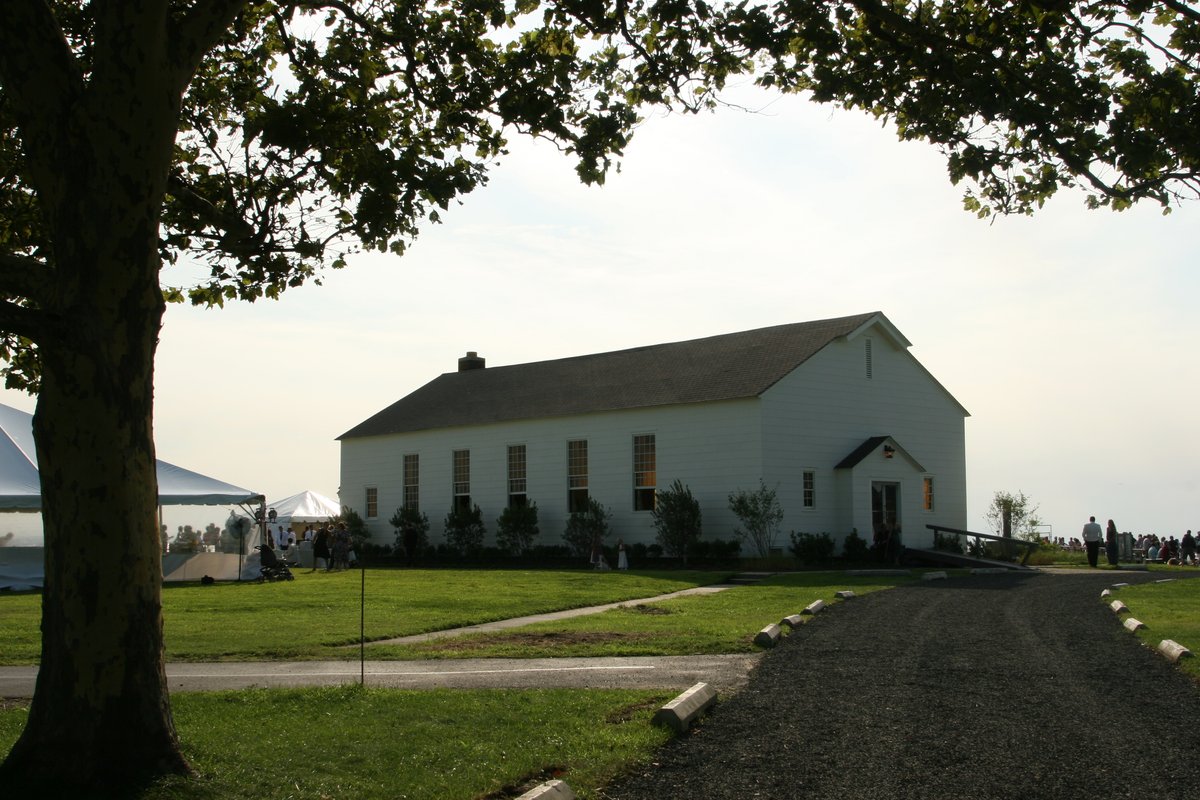
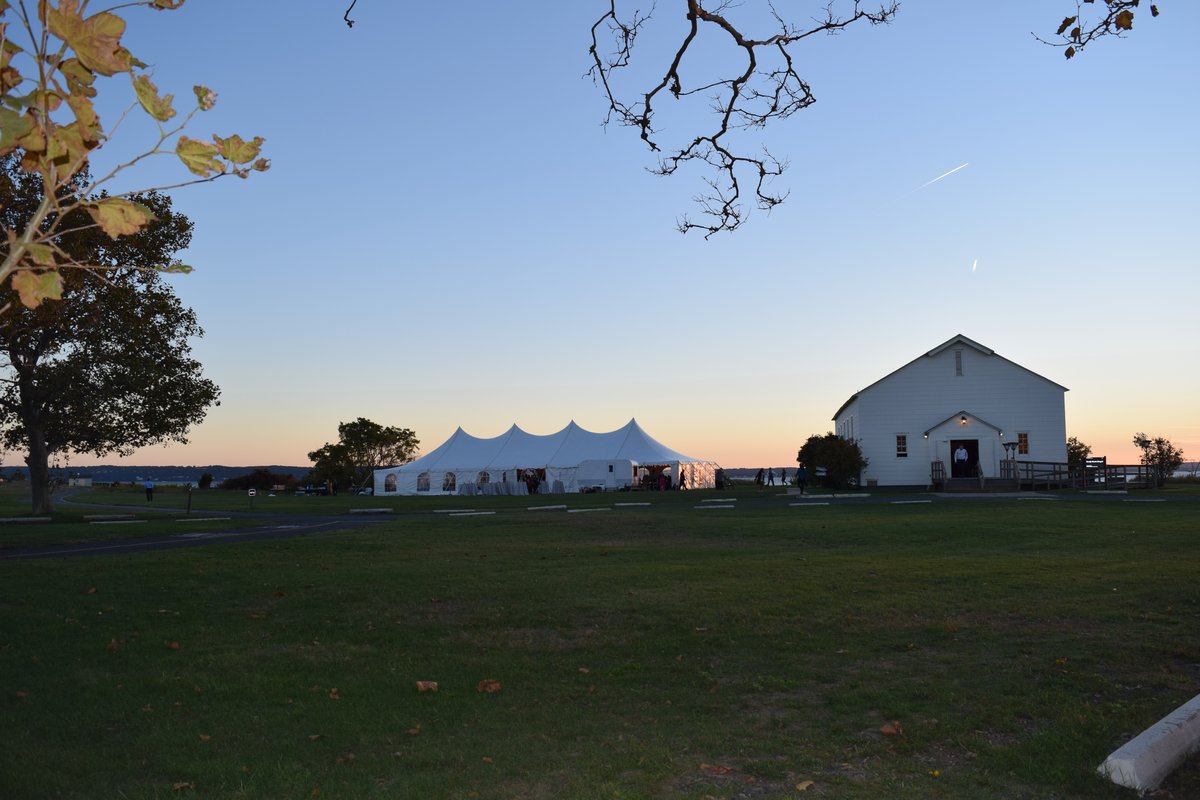
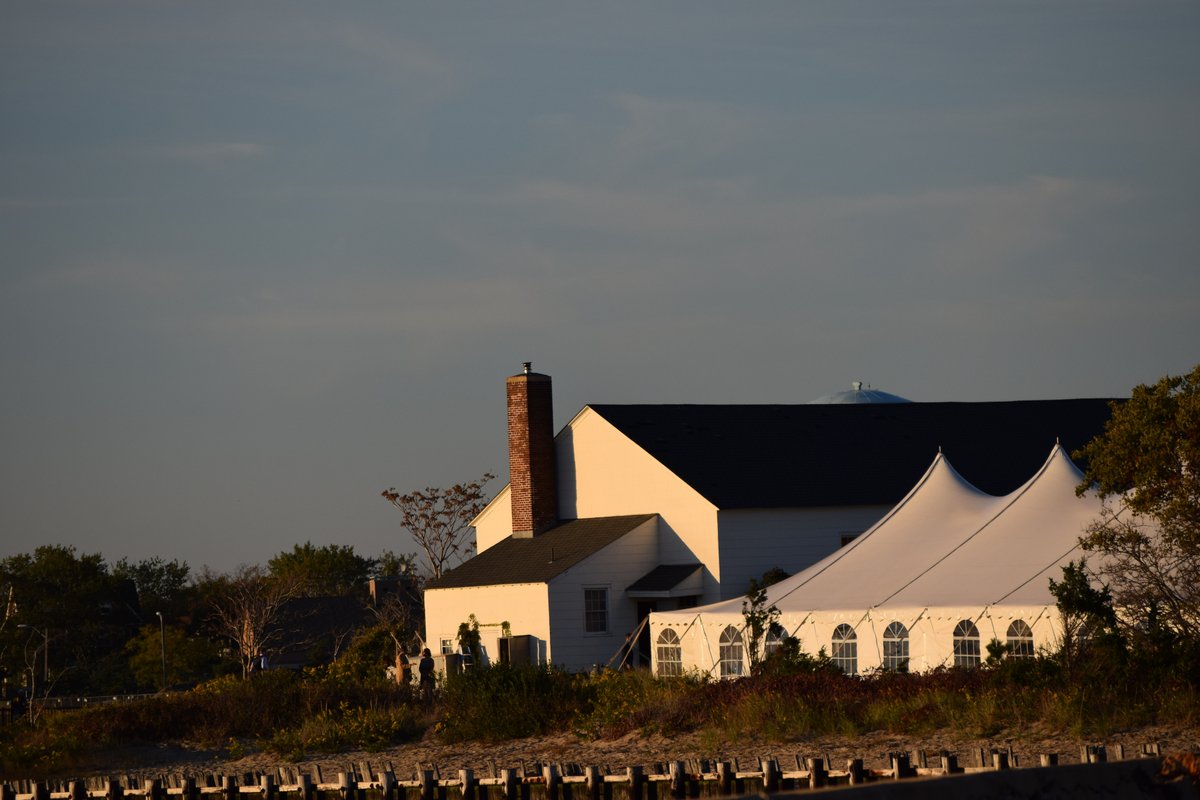
- Fort Hancock Army post with historic barracks and lighthouse.
- Spermaceti Cove Nature trails and interpretive center.
Travel Tips and Accessibility
- Getting There Accessible by car, subway, bus, and ferry. Parking at Sandy Hook can fill quickly on weekends, especially in summer.
- Public Transit Subway access to Jamaica Bay; Staten Island Ferry connects to local buses for the Staten Island Unit; summer ferries serve Sandy Hook.
- Accessibility Visitor centers, restrooms, and several trails are wheelchair accessible. Beach wheelchairs are available at Sandy Hook and Jacob Riis Park (NPS Accessibility).
- Facilities Restrooms, showers, concessions, and picnic areas are available at major sites.
- Pets Leashed pets are allowed in most areas except lifeguarded beaches during summer and certain wildlife protection zones.
Challenges and Ongoing Stewardship
Climate Change and Resilience
GNRA faces ongoing threats from sea-level rise, storms, and habitat loss. Following Superstorm Sandy in 2012, restoration and resilience projects have been implemented to protect infrastructure and ecosystems (TCLF).
Frequently Asked Questions (FAQ)
Q: What are the Gateway National Recreation Area visiting hours?
A: Most areas are open daily from sunrise to sunset. Visitor centers have specific hours—check the NPS website.
Q: Are tickets or permits required?
A: General entry is free. Parking fees apply at Sandy Hook during summer. Permits are needed for some activities—see NPS details.
Q: Is the park accessible for people with disabilities?
A: Many facilities are accessible, including beach wheelchairs at select locations.
Q: Can I camp in the park?
A: Yes, at Floyd Bennett Field (Brooklyn) and Sandy Hook (seasonal). Reservations required via Recreation.gov.
Q: Are dogs allowed?
A: Leashed dogs are permitted except on lifeguarded beaches during summer and in certain wildlife areas.