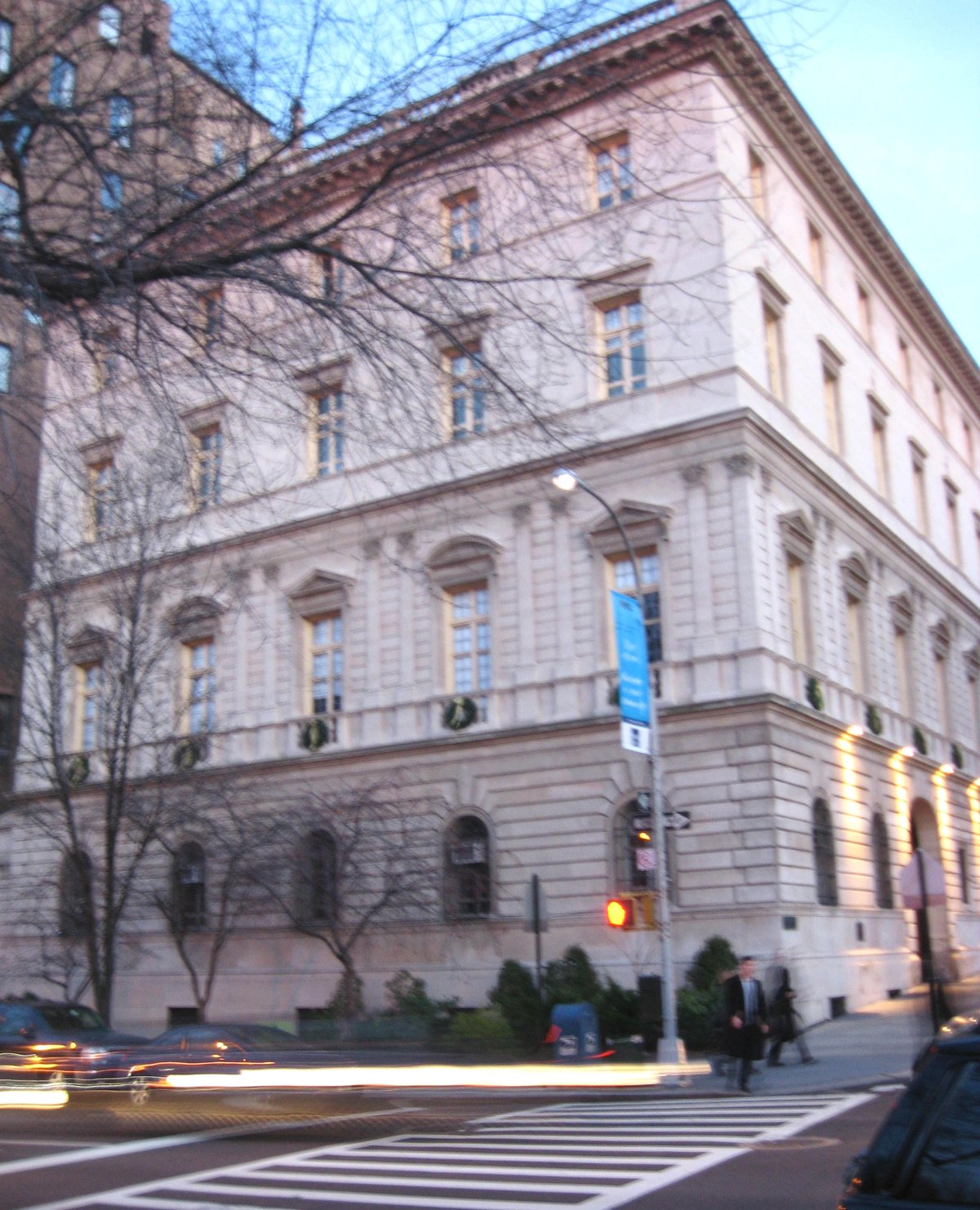
Location and Visiting Information
- Address 156 West 56th Street, Suite 802, New York, NY 10019
- Current Operations Visits are by appointment only. Galerie St. Etienne no longer operates a traditional public exhibition space, but continues to represent artists, offer scholarly resources, and provide access to its archives through the Kallir Research Institute.
How to Schedule a Visit:
- Email [email protected]
- Phone (212) 245-6734
- Official Contact gseart.com/contact
Nearest Transportation:
Accessible via subway lines N, Q, R, W, B, D, E, and F (57th Street stations), and multiple bus routes. Public transportation is recommended due to limited parking.
Accessibility:
The office and research institute are located in modern buildings with elevator access. Visitors with disabilities should notify staff in advance to ensure accommodations.
Visiting Hours and Tickets
- Hours Tuesday to Friday, 11 AM to 5 PM (by appointment only)
- Admission No fee or ticket required; all visits are by appointment.
- Health Protocols Visitors should check current requirements when booking, as health guidelines may change.
Founding and Early Years
Founded by Austrian émigré Otto Kallir, Galerie St. Etienne opened its doors in 1939, bringing the avant-garde of Austrian and German Expressionism to the United States. Kallir, fleeing Nazi-occupied Vienna, established the gallery to introduce American audiences to the works of Egon Schiele, Gustav Klimt, Oskar Kokoschka, and other modernists (Galerie St. Etienne History). Kallir’s scholarly approach included catalogues raisonnés and critical essays that established the gallery’s reputation for academic rigor.
Wartime and Postwar Developments
During World War II, the gallery provided a haven for modernist art at risk of destruction. Kallir’s network ensured that significant works by Schiele and others found sanctuary and new audiences. In the postwar years, the gallery expanded its scope to include American folk and self-taught art, most notably launching the career of Grandma Moses (Smithsonian: Grandma Moses).
Leadership and Generational Transition
Upon Otto Kallir’s death in 1978, Jane Kallir, his granddaughter, and Hildegard Bachert continued the gallery’s mission, emphasizing scholarly research, provenance, and ethical stewardship (Jane Kallir Biography). Their leadership further solidified the gallery’s reputation in both the academic and art market spheres.
Artistic Focus and Exhibition Programming
Galerie St. Etienne is recognized as the oldest gallery in the U.S. specializing in Austrian and German Expressionism (Galerie St. Etienne Official Site). The gallery’s programming expanded to include key women artists like Käthe Kollwitz and contemporary voices such as Sue Coe, continuing its tradition of addressing urgent social issues (Artnet News). The gallery also produced influential exhibitions and catalogues, supporting museum shows and scholarly projects nationwide.
Cultural Impact and Legacy
The gallery was instrumental in bringing Expressionism into American museum collections, often directly facilitating acquisitions by institutions like MoMA and the Metropolitan Museum of Art (The Art Newspaper). Its championing of self-taught artists, especially Grandma Moses, helped democratize the definition of fine art (Artnet News).
Recent Developments
In 2017, recognizing the importance of its scholarly mission, the gallery transitioned its archives and research activities to the non-profit Kallir Research Institute (Kallir Research Institute). This evolution ensures continued access to its resources for scholars and the public, with special projects and exhibitions organized by appointment or in collaboration with other institutions.
Special Exhibitions and Nearby Attractions
While regular public exhibitions have ceased, Galerie St. Etienne continues to organize special projects and private viewings by appointment. Visitors are encouraged to consult the gallery’s website for announcements or subscribe to its newsletter for updates.
Nearby Cultural Attractions:
- Museum of Modern Art (MoMA)
- American Folk Art Museum
- Central Park
- The Metropolitan Museum of Art
- Rockefeller Center
Recommendations for Collectors and Researchers
- Collectors The gallery offers expert guidance on acquisitions, provenance, and historical context for works by artists it represents.
- Researchers Access to the gallery’s archives is managed by the Kallir Research Institute. Scholars should contact the Institute to schedule research appointments and discuss specific interests.
Frequently Asked Questions (FAQs)
Q: Does Galerie St. Etienne have regular public visiting hours?
A: No, visits are by appointment only, typically Tuesday to Friday, 11 AM to 5 PM.
Q: Is there an admission fee?
A: No, visits are free of charge.
Q: How do I schedule a visit?
A: Contact the gallery via [email protected] or call (212) 245-6734.
Q: Is the gallery accessible for visitors with disabilities?
A: Yes, both the administrative office and the Kallir Research Institute are accessible; notify staff in advance if you need accommodations.
Q: Are there guided tours or special exhibitions?
A: Yes, private viewings and special projects may be arranged by appointment. Check the official website for announcements.
Q: What are the current health and safety protocols?
A: Policies may change; inquire when booking your appointment.
Expert Tips for a Memorable Visit
- Plan in Advance Appointment slots may be limited; contact the gallery early.
- Prepare Questions Scholars and collectors should outline specific topics of interest for their visit.
- Explore the Neighborhood Take advantage of the gallery’s Midtown location to visit other major cultural institutions nearby.
- Stay Updated Subscribe to gallery communications for news on exhibitions and special events.
- Respect Protocols Observe current health and safety guidelines during your visit.
Image Suggestions:
- Exterior of Galerie St. Etienne (alt: "Galerie St. Etienne Upper East Side entrance")
- Egon Schiele painting display (alt: "Egon Schiele Artwork at Galerie St. Etienne")
- Grandma Moses folk art (alt: "Grandma Moses Folk Art painting at Galerie St. Etienne")
Contact and Further Information
- Administrative Office 156 West 56th Street, Suite 802, New York, NY 10019
- Email [email protected]
- Phone (212) 245-6734
- Website www.gseart.com
- Kallir Research Institute kallirresearch.org/faq/
For press inquiries: Abby Addams at Blue Medium ([email protected])
Summary and Final Tips
Galerie St. Etienne remains an essential resource for those interested in Austrian and German Expressionism, American folk and outsider art, and the evolution of art scholarship in the U.S. While its public exhibition space has closed, the gallery’s archives, artist representation, and scholarly outreach continue through the Kallir Research Institute. By appointment, visitors can immerse themselves in a unique artistic legacy and explore nearby cultural landmarks in Midtown Manhattan. Stay informed about news and events via the gallery’s website, newsletters, and the Audiala app.