
Architectural Origins and Historical Context
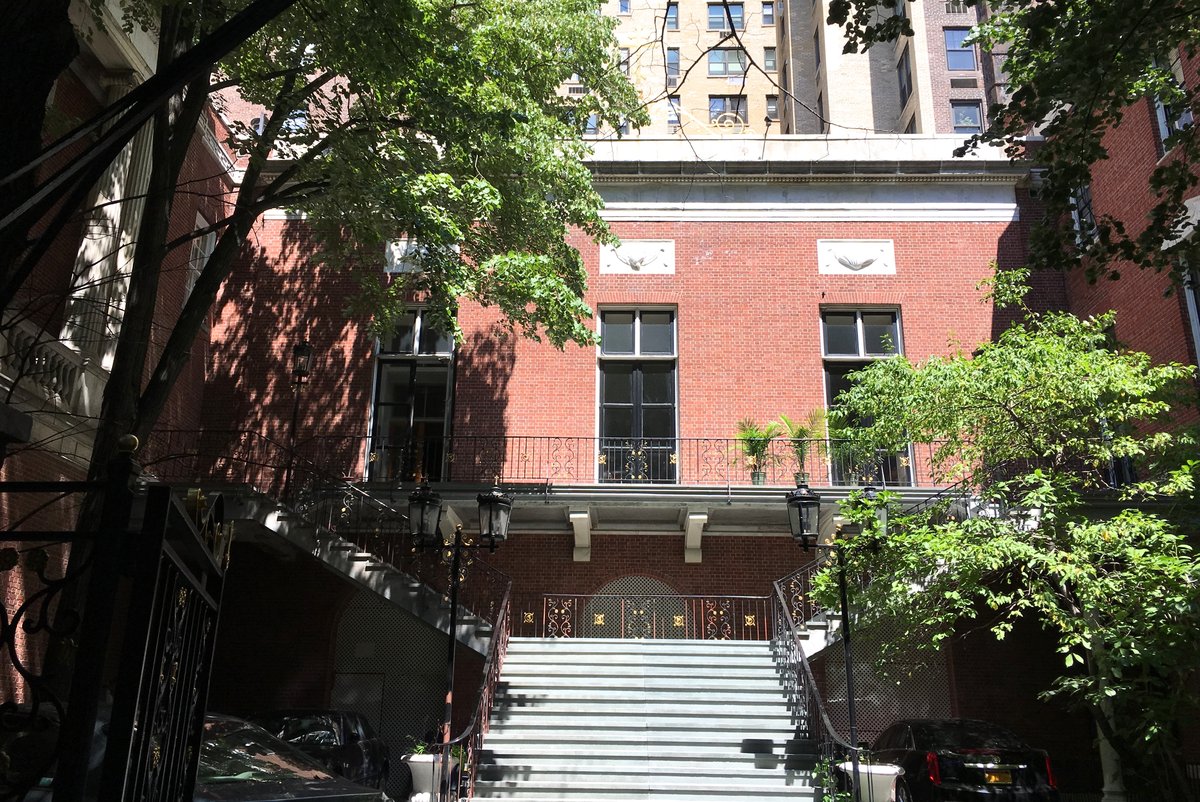
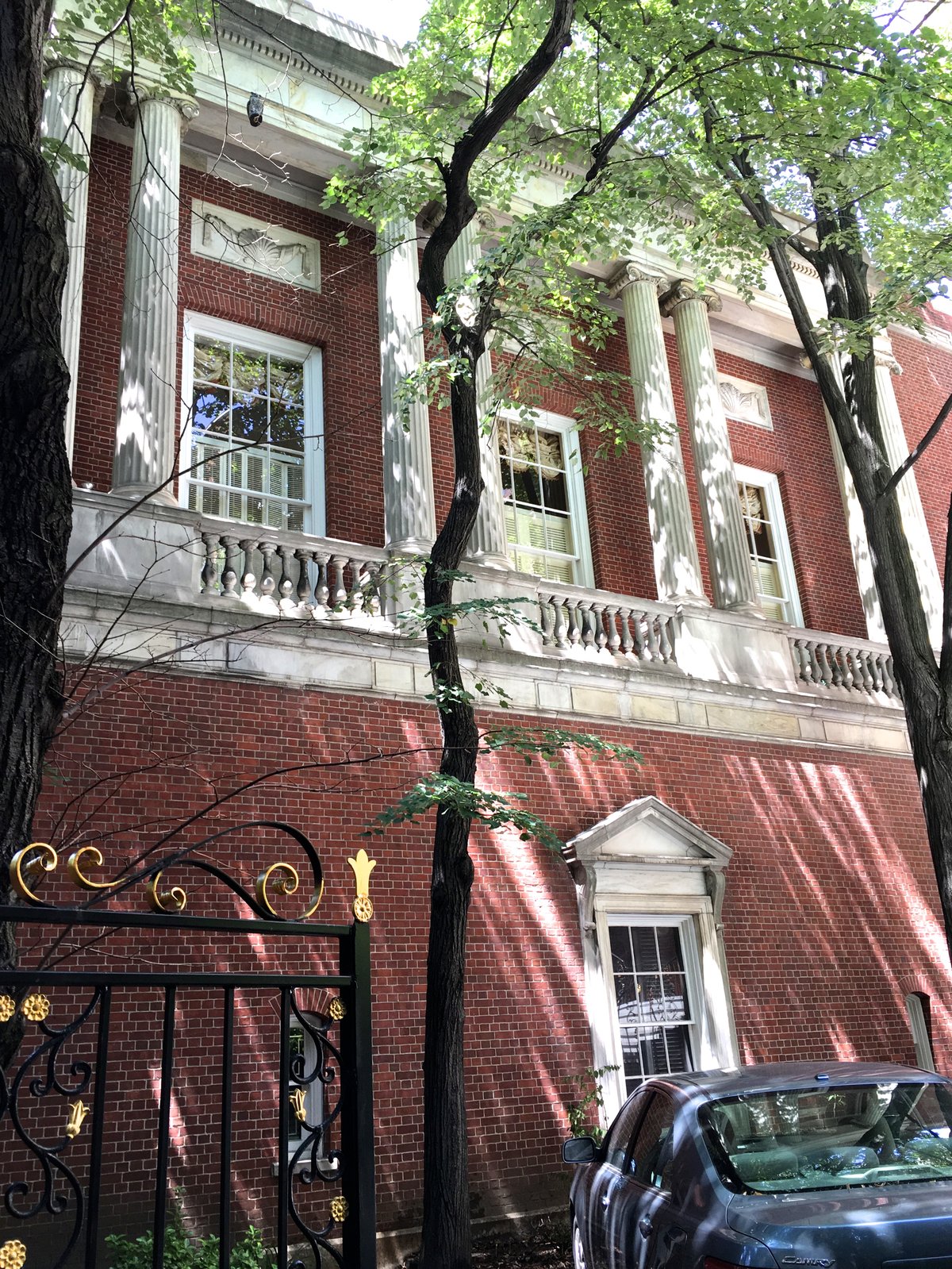
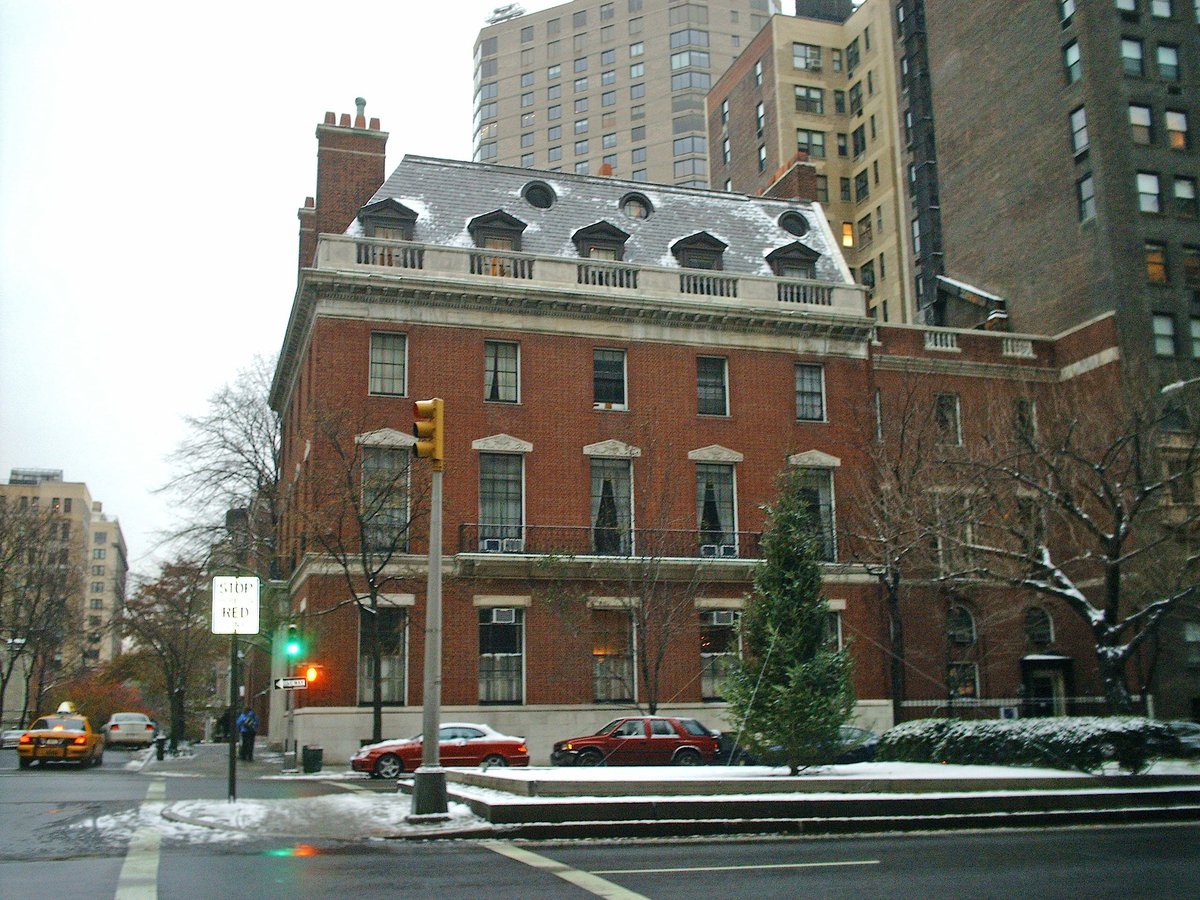
Constructed between 1917 and 1918 for financier Francis Fletcher Palmer, the Palmer House epitomizes the Gilded Age’s urban opulence. Delano & Aldrich’s design favored symmetry, classical detailing, and restrained grandeur—qualities that set the Palmer House apart from its contemporaries. Its red brick and limestone façade, Juliet balcony, and elegant proportions are hallmarks of the Neo-Georgian style, while Beaux-Arts influences are evident in its ornamentation and urban presence. The house originally featured expansive entertaining rooms, private family quarters, and a formal garden (Architect Design Blog).
After Palmer’s death in 1923, the home was acquired by George F. Baker, Jr., who expanded the estate and further enhanced its architectural legacy. The property’s survival through the 20th century, when many similar homes were demolished or repurposed, is due to vigilant stewardship by owners and the advocacy of preservationists.
(NYC Landmarks Preservation Commission)
Transition, Preservation, and Notable Residents
Beyond the Palmer and Baker families, the mansion's adaptive history is emblematic of the Upper East Side’s evolution. In the mid-20th century, the house was subdivided into apartments and, for a time, housed diplomatic offices. Its ballroom was even converted into a cathedral when it served as the administrative center for the Russian Orthodox Church Outside of Russia. The Palmer House also appeared in avant-garde art circles and films, notably serving as a backdrop in “Ciao! Manhattan” with Edie Sedgwick.
In 1969 (and again in 1974 for expanded designations), the New York City Landmarks Preservation Commission designated the Palmer House and neighboring Baker Houses as official city landmarks, safeguarding their architectural and historical integrity (NYC Landmarks Preservation Commission; Convent of the Sacred Heart).
Architectural Significance
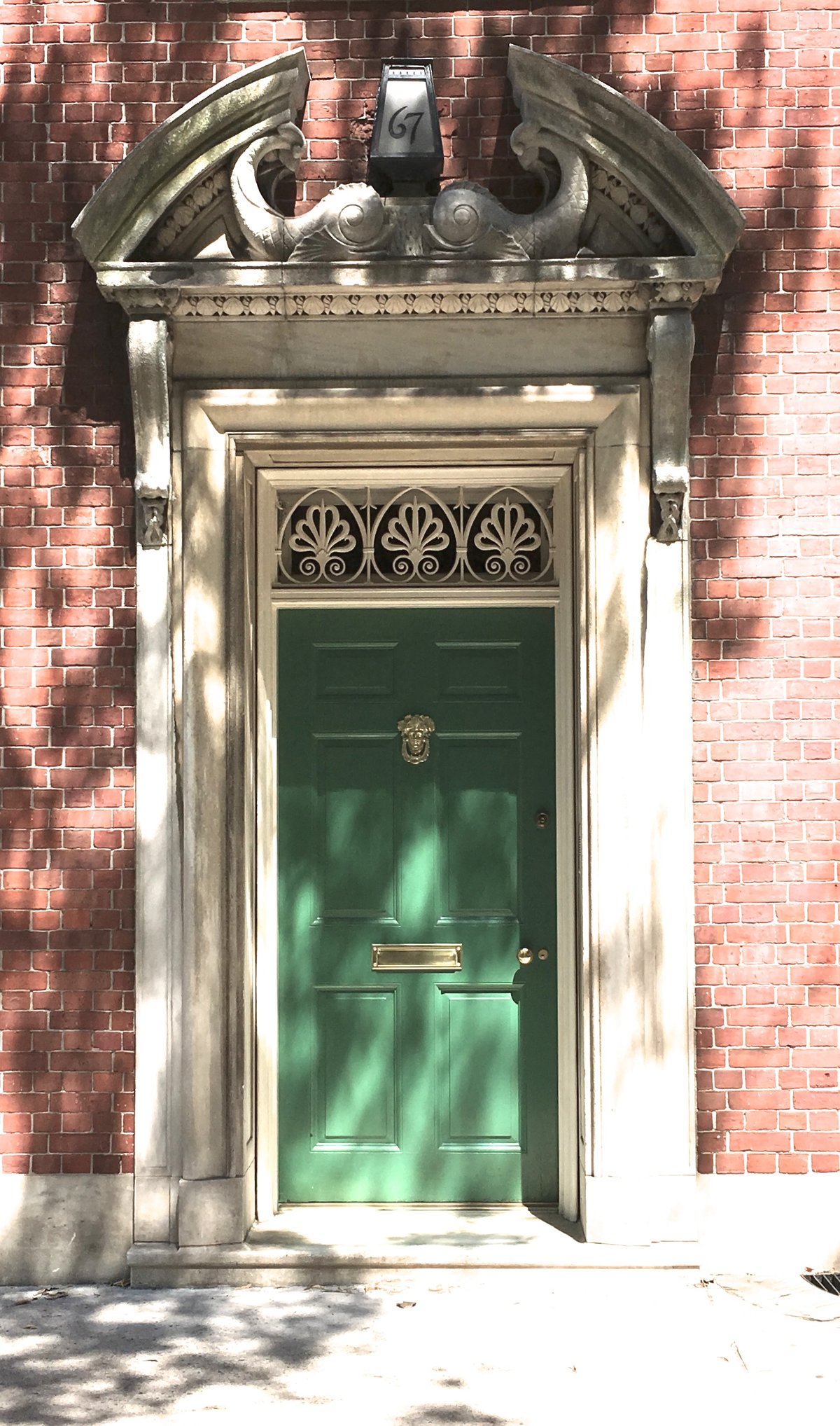
Regarded as one of New York’s foremost urban mansions, the Palmer House is meticulously detailed both outside and in. Its limestone façade features classical pilasters, cornices, and a grand entrance portico. Interior highlights (where preserved) include ornate plasterwork, a sweeping staircase, and period furnishings. The mansion’s design bridges the grand townhouses of the 19th century and the modern apartment buildings that would soon transform Manhattan’s residential landscape.
Carrère & Hastings, also famed for the New York Public Library, contributed to the site’s legacy through their refined application of Beaux-Arts and classical principles, integrating modern amenities like central heating, elevators, and electric lighting into the original design (NYC Landmarks Preservation Commission).
Cultural and Social Impact
As a home for the city’s elite, the Palmer House was a hub for social gatherings, charitable events, and the cultivation of high society networks. Its grand rooms hosted dignitaries, artists, and philanthropists. Over time, the mansion’s adaptability—from a family home to diplomatic residence and cultural venue—has mirrored New York’s changing social fabric.
The building’s cameo in popular culture, especially as a filming location for “Gossip Girl,” highlights its enduring cachet and architectural allure (iamnotastalker.com). Its presence in literature and film underscores its role as both a symbol of old-world luxury and a participant in the city’s creative evolution.
Visiting Hours, Tickets, and Access Information
Is the Palmer House open to the public?
No. The Francis F. Palmer House is a private residence (and at times, an institutional site) and is not open to the public for regular tours or ticketed entry.
Can I view the house?
Yes. The mansion’s exterior can be admired from public sidewalks on East 93rd Street or East 73rd Street (depending on which Palmer House you reference in historical records). Photography is permitted from the sidewalk.
Are there regular Francis F. Palmer House visiting hours or tickets?
No. There are no scheduled visiting hours or tickets for interior access. Occasionally, special events such as Open House New York may offer rare opportunities for guided tours.
Guided Tours and Walking Tour Recommendations
While the Palmer House itself is not open for tours, several architectural walking tours of the Upper East Side and Carnegie Hill include the property as a highlight. These tours provide exterior viewing, historical context, and background on the neighborhood’s development. Reputable providers include:
Check their websites for updated schedules and ticket information.
Nearby Attractions and Alternative Sites
The Palmer House is located near some of New York’s most celebrated neighborhoods and cultural destinations, including:
- Cooper Hewitt, Smithsonian Design Museum Housed in the former Andrew Carnegie Mansion (Cooper Hewitt Museum)
- Museum Mile Home to the Metropolitan Museum of Art and the Guggenheim
- Central Park A few blocks west, ideal for scenic walks and cultural events
- Madison Avenue Renowned for luxury shopping and historic architecture
- Otto H. Kahn House Another landmark mansion nearby
Accessibility and Travel Tips
- Location 75 East 93rd Street, New York, NY 10128 (Carnegie Hill) and 19 East 73rd Street (Upper East Side)
- Nearest Subway 96th Street Station (6 train); 86th Street Station (4, 5, 6 trains)
- Accessibility The exterior can be viewed from public, wheelchair-accessible sidewalks.
- Best Visit Times Spring and autumn offer the best weather for walking tours and photography (adventurouskate.com; lonelyplanet.com)
- Visitor Etiquette Respect residents’ privacy and property boundaries.
Frequently Asked Questions (FAQ)
Q: Can I tour the Francis F. Palmer House?
A: No, it is a private residence and not open for public tours.
Q: Are tickets required to see the Palmer House?
A: No, there are no tickets or official visiting hours for the exterior.
Q: Is photography allowed?
A: Yes, photography of the exterior from public sidewalks is allowed.
Q: Are there guided tours that include the Palmer House?
A: Yes, some Upper East Side and Carnegie Hill walking tours include the house as a highlight.
Q: What are other nearby historical attractions?
A: The Cooper Hewitt Smithsonian Design Museum, Central Park, and other Upper East Side mansions.
Q: How can I attend special events at the Palmer House?
A: Monitor Open House New York and local cultural calendars for rare access opportunities.