Introduction
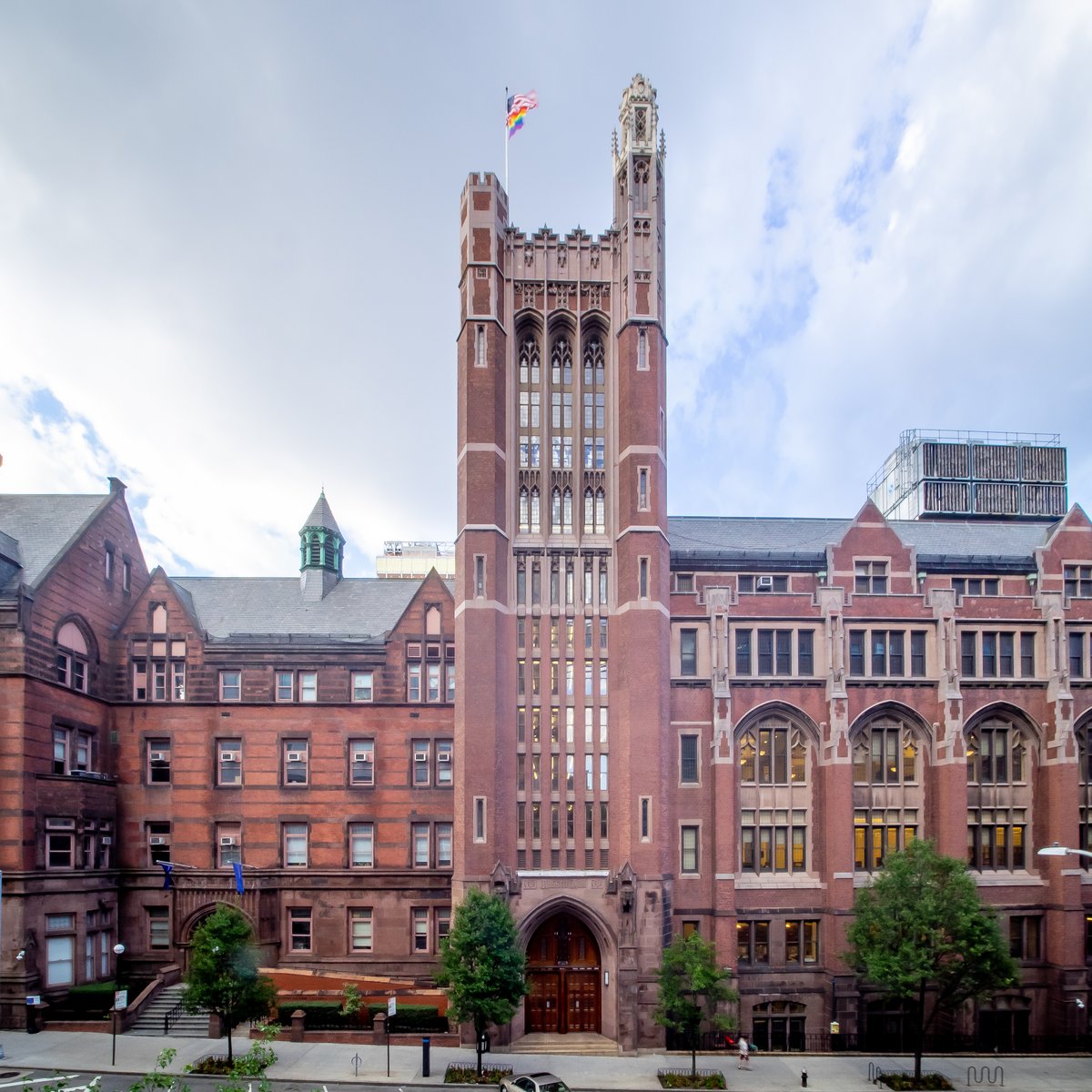
Located in the historic Bayside neighborhood of Queens, New York City, the Fort Totten Officers’ Club—affectionately known as "The Castle"—is a stunning example of neo-Gothic architecture and a living testament to the city’s military heritage. Completed in 1887, this iconic structure once served as the social and administrative hub for officers stationed at Fort Totten, a coastal defense site of critical importance since the mid-19th century. Today, the Officers’ Club is preserved and managed by the Bayside Historical Society, inviting visitors to explore Queens’ rich military past, the artistry of Gothic Revival architecture, and vibrant local history.
This comprehensive guide provides up-to-date information on Fort Totten Officers’ Club visiting hours, tickets, accessibility, and transportation. Visitors can also discover nearby attractions, learn about special events and tours, and gain insights into the site's architectural and historical significance. Whether your interest lies in military history, architecture, or community heritage, this resource will help you make the most of your visit.
For the latest updates on hours, tickets, tours, and events, consult the Bayside Historical Society and New York City Parks Department. Additional resources include Its in Queens and Untapped Cities.
Photo Gallery
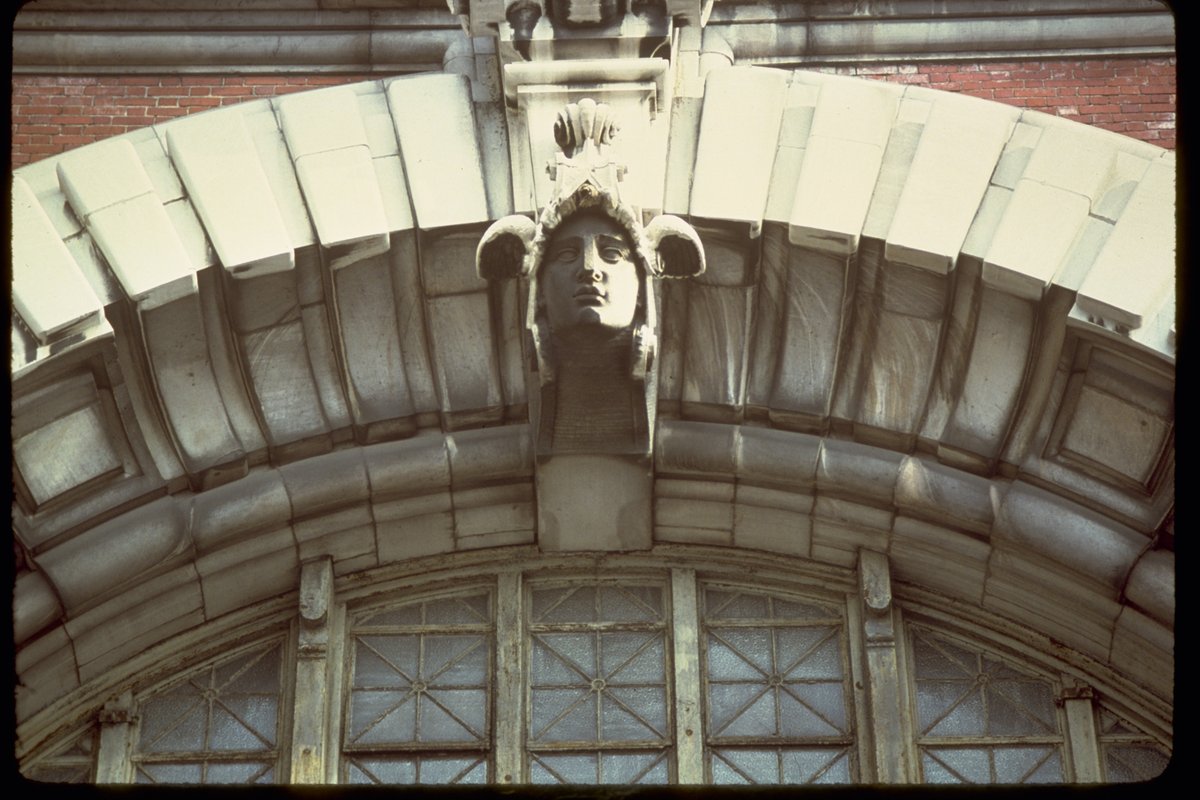
Explore Fort Totten Officers' Club in Pictures
Discover the Fort Totten Officers’ Club: A Queens Historical Gem
Positioned within the Fort Totten complex, the Officers’ Club offers a rare chance to step into New York City’s military and architectural history. The building’s castle-like silhouette and richly detailed façade make it a striking landmark, while its interior houses exhibits and programming that bring the stories of Bayside and its military past to life. Whether you are a first-time visitor or a returning local, the Officers’ Club is a must-see among Queens historical sites.
History of the Fort Totten Officers’ Club
Constructed in the late 19th century, the Fort Totten Officers’ Club was designed as a social, administrative, and recreational center for the officers assigned to Fort Totten. The fort itself was established in 1857 to safeguard New York Harbor. The Officers’ Club became a hub of military and community life, hosting events, dinners, and gatherings for decades. The building’s preservation is due largely to the efforts of the Bayside Historical Society, which has called it home since 1984 (itsinqueens.com).
Architectural Highlights: Neo-Gothic and Gothic Revival Elements
The Officers’ Club stands as a classic example of Gothic Revival architecture, also known as neo-Gothic in the context of military buildings. Hallmarks include pointed arches, steeply pitched roofs, crenellated parapets, and decorative stone and brickwork. The castle motif is most evident in the structure’s towers and battlements, reflecting the romanticized medieval inspirations of the era (itsinqueens.com, explorethearchive.com).
Design Legacy and Attribution
While the original plans for Fort Totten are often attributed to Robert E. Lee, historical records suggest his role was more supervisory, with final designs executed under Chief Engineer Joseph G. Totten. The Officers’ Club’s style was part of a wider trend in military architecture, with similar designs appearing at other Army posts nationwide (explorethearchive.com, baysidepost.com).
Structural Features and Materials
The Officers’ Club is a two-story brick building with stone trim, dominated by a central tower with crenellated battlements. Its symmetrical wings, pointed arch windows and doors, steep gables, and decorative finials evoke both strength and refinement. Many interior features, such as high ceilings, exposed beams, and original fireplaces, have been preserved or restored thanks to the stewardship of the Bayside Historical Society (itsinqueens.com).
Symbolism and Institutional Identity
The adoption of the Gothic Revival style for military buildings like the Officers’ Club was intended to project discipline, honor, and tradition. The castle motif became synonymous with the U.S. Army Corps of Engineers, whose insignia still features a stylized castle based on these 19th-century designs (explorethearchive.com).
Visiting Hours and Admission
- Bayside Historical Society (Officers’ Club) Hours:
- Thursdays and Sundays: 1:00 PM – 4:00 PM
- Admission: Free
- Fort Totten Park Hours:
- Open daily, dawn to dusk
- Admission: Free
Some special events or guided tours may require advance registration or a small fee. Always check the Bayside Historical Society and NYC Parks websites for current schedules.
Directions and Transportation
- Address: 142-08 14th Road, Bayside, Queens, NY
- Subway: 7 train to Mets–Willets Point, transfer to the Q46 bus toward Bayside
- Bus: Q12 and Q13 serve the Fort Totten area
- Car: Onsite parking is available
Accessibility
The Officers’ Club is wheelchair accessible, with ramps and accessible restrooms. Visitors with additional needs are encouraged to contact the Bayside Historical Society in advance for accommodations.
Nearby Attractions
- Fort Totten Park: Scenic waterfront, walking trails, historic ruins
- Bay Terrace Shopping Center: Dining and shopping nearby
- Throgs Neck Bridge Viewpoints: Panoramic East River scenery
Special Events and Guided Tours
The Bayside Historical Society offers guided tours, educational programs, and a variety of events throughout the year. For the latest schedule and reservations, visit the Bayside Historical Society website.
Preservation and Adaptive Reuse
The Officers’ Club is listed on the National Register of Historic Places (since 1986) and designated a New York City Landmark. Restoration efforts have focused on preserving the building’s architectural integrity while adapting it for museum exhibitions and community events (baysidepost.com).
Relationship to the Fort Totten Historic District
The Officers’ Club is the most architecturally significant structure in the Fort Totten Historic District, which encompasses more than 100 historic military buildings. Its restoration serves as a model for the district’s continued preservation (anycconstruction.wordpress.com).
Visitor Experience and Comparisons
Visitors can explore the club’s dramatic exterior, well-preserved interiors, and surrounding parklands, making it ideal for photography and history study. The building shares stylistic elements with other historic military sites such as Castle Williams on Governors Island and Fort Point in San Francisco (explorethearchive.com).
Bayside Historical Society: Mission, Programs, and Community Role
Mission and Origins
Founded in 1964, the Bayside Historical Society is dedicated to preserving Bayside’s landmarks, promoting education, and fostering community pride. Its work has been central in securing landmark protection for key buildings and sites (American Heritage, QNS).
Programs and Initiatives
- Educational Programs: “Grandmother’s Trunk” introduces children to early 20th-century life through artifacts and interactive learning.
- Cultural Events: The Society hosts multicultural concerts, lectures, author events, and seasonal festivals, celebrating Queens’ diversity.
- Indigenous Partnerships: Collaboration with the Matinecock Native Americans preserves and shares Bayside’s earliest history (QNS).
- Archives and Exhibits: Rotating displays feature military history, local architecture, and community life (American Heritage).
Visiting Info: Hours, Tickets, and Tips
- Location: 208 Totten Avenue, Fort Totten, NY 11359
- Hours: Thursday/Friday 11:00 AM–4:00 PM; Saturday/Sunday 12:00 PM–4:00 PM
- Admission: $3 per visitor
- Contact: (718) 352-1548
- Website: Bayside Historical Society
Visitor Tips:
- Wheelchair accessible
- Free onsite parking
- Public transit and buses available
- Personal photography is welcome (some restrictions may apply)
- Guided tours by appointment
Educational, Cultural, and Indigenous Initiatives
The Society’s outreach includes school programs, multicultural events, and collaboration with Indigenous communities. These initiatives ensure that visitors of all ages and backgrounds can engage with Bayside’s past and present.
Fort Totten Park: Hours, Attractions, and Visitor Tips
- Hours: Open year-round, dawn to dusk
- Admission: Free
- Officers’ Club Hours: Typically Wednesday–Sunday, 12:00 PM–4:00 PM (confirm before visiting)
Attractions:
- Historic fortifications (including the unfinished Water Battery)
- Nature trails, bird watching, and waterfront views
- Sports facilities and picnic areas
- Community and cultural events, including film and TV production sites
Transportation:
Free onsite parking; accessible by subway and bus
Frequently Asked Questions (FAQs)
Q: What are the visiting hours for the Officers’ Club and Fort Totten Park?
A: Officers’ Club: Check current hours; Park: Dawn to dusk daily.
Q: Is there an admission fee?
A: Park: Free; Officers’ Club: Free or $3 for special exhibits/events.
Q: Are guided tours available?
A: Yes, by appointment or during special events (Bayside Historical Society).
Q: Is the site wheelchair accessible?
A: Yes.
Q: Can I take photographs?
A: Generally yes, but check for restrictions during special exhibitions.
Q: Is there parking?
A: Yes, free onsite.
Q: Are pets allowed?
A: Yes, in the park (leashed).
Listen to the full story in the app
Your Personal Curator, in Your Pocket.
Audio guides for 1,100+ cities across 96 countries. History, stories, and local insight — offline ready.
Audiala App
Available on iOS & Android
Join 50k+ Curators
Sources
- verified
- verified
- verified
- verified
- verified
- verified
Last reviewed: