
Lenape Land and Collect Pond
Foley Square’s story begins as the land of the Lenape people, who valued the area for its abundant resources and fresh water from the 48-acre Collect Pond. By the early 1800s, industrial pollution led to the pond’s drainage and infill, setting the stage for radical urban transformation (downtownny.com).
Five Points Era
After Collect Pond was filled in, the area became notorious as Five Points, a crowded and impoverished slum. Despite its reputation for crime and poverty, Five Points was a melting pot, where Irish, Italian, Jewish immigrants, and African Americans lived side by side, shaping the city’s multicultural identity (gsa.gov).
Emergence as a Civic Center
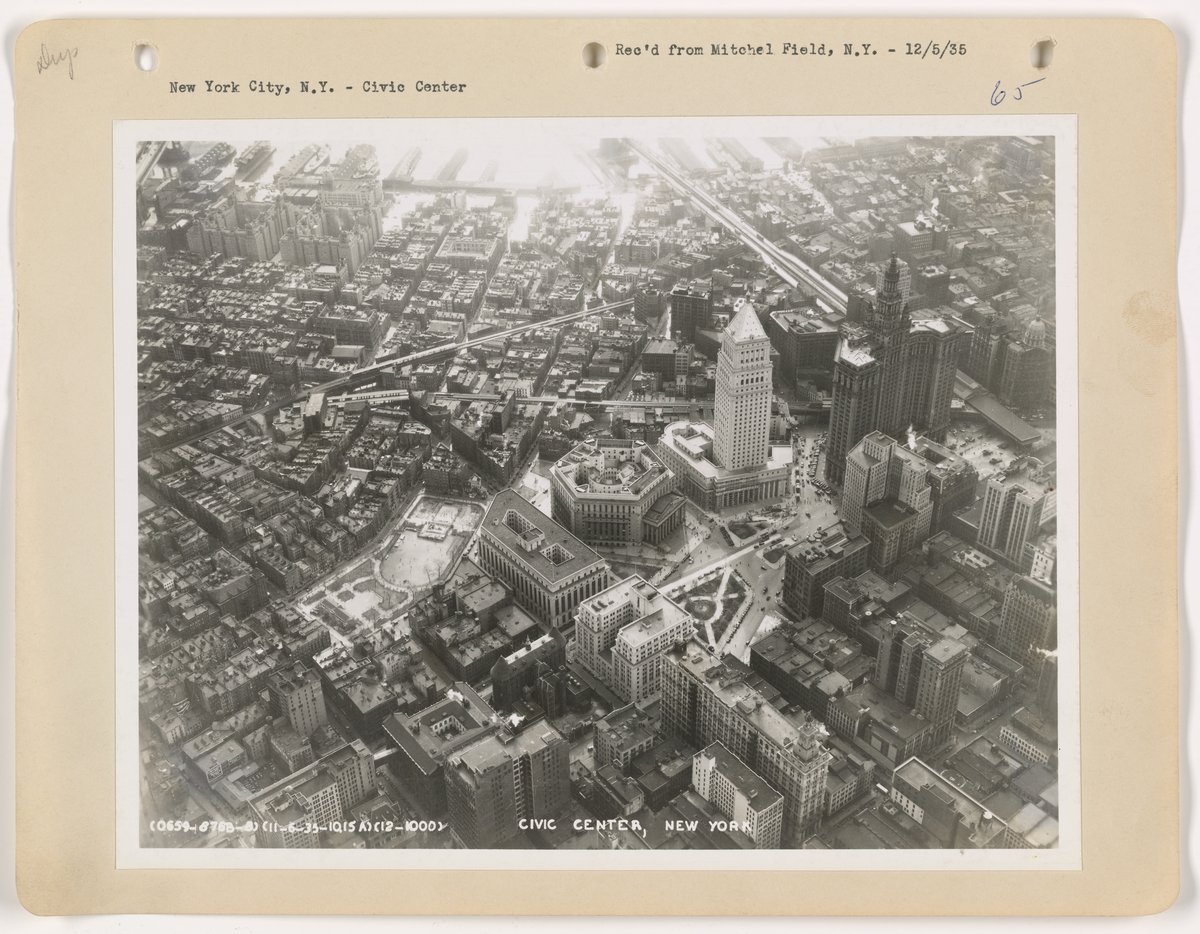
The early 20th century saw a push for urban reform and civic order. The neighborhood was cleared and developed into a center for New York’s legal and governmental institutions. Foley Square was named for Thomas F. “Big Tom” Foley, a Tammany Hall leader, and quickly became symbolic of the city’s civic power (wikiwand.com).
Architectural Landmarks
Foley Square is surrounded by impressive structures such as:
- Thurgood Marshall United States Courthouse (1936) An Art Deco icon housing the U.S. Court of Appeals for the Second Circuit (gsa.gov).
- New York County Supreme Court (1927) Known for its grand Corinthian columns.
- Tweed Courthouse, Surrogates Court, and Municipal Building Exemplifying the area’s architectural diversity and civic importance.
Thomas Paine Park provides open green space amid these monumental buildings (wikiwand.com).
The African Burial Ground
Beneath Foley Square lies part of the African Burial Ground, a 17th- and 18th-century resting place for free and enslaved Africans. Today, commemorative markers and sculptures honor this essential chapter of New York’s history (downtownny.com).
Foley Square in Contemporary Civic Life
Foley Square has long been a site for public gatherings, protests, and historic trials. Notable demonstrations include Occupy Wall Street (2011), the Eric Garner protests (2014), and the annual Queer Liberation March (wikiwand.com).
Urban Evolution and Planning Significance
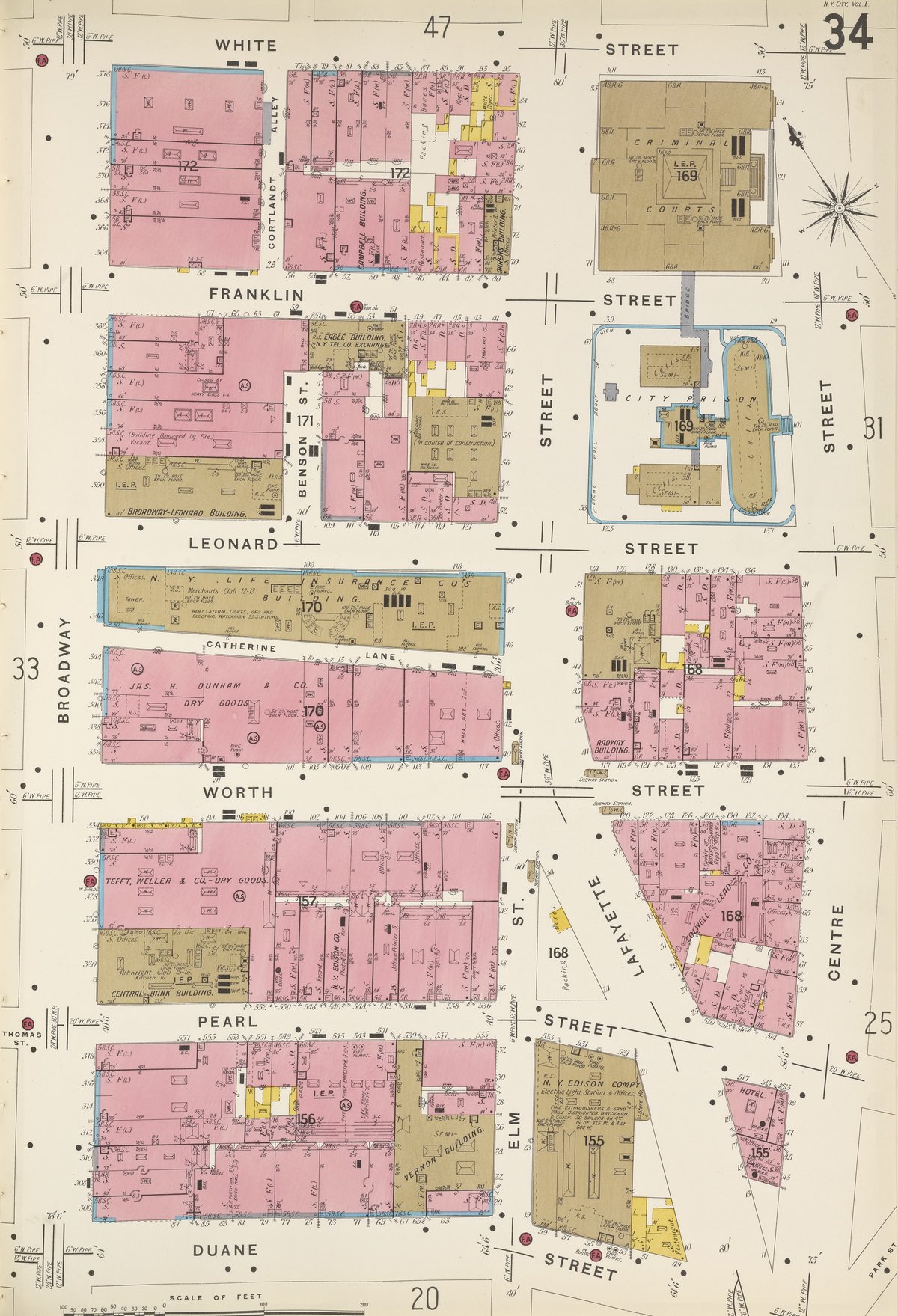
Foley Square’s configuration as a triangular plaza—bordered by Worth, Centre, and Lafayette Streets—reflects broader trends in American city planning. The transformation of this space during the Progressive Era aimed to centralize government functions and symbolize civic authority. City planner George McAneny integrated rapid transit, zoning, and urban design principles to create a cohesive civic center (hows.tech; history.nycourts.gov).
Legal and Civic Importance
Foley Square is surrounded by several of New York’s most significant legal buildings:
- Thurgood Marshall United States Courthouse (40 Centre St.)
- New York County Supreme Court (60 Centre St.)
- U.S. Courthouse (500 Pearl St.)
- New York City Municipal Building
These institutions underscore Foley Square’s role as the epicenter of legal proceedings and civic life in New York City. The square is both a symbol and a stage for justice, democracy, and the rule of law (history.nycourts.gov).
Social, Political, and Cultural Role
Foley Square’s open layout makes it a natural gathering place for demonstrations, festivals, and community events. Over the years, it has hosted civil rights rallies, labor protests, vigils, and public art installations. Following September 11, 2001, it even served as an emergency coordination center, illustrating its adaptability and civic importance (hows.tech; secretnyc.co).
Architectural and Artistic Features
Foley Square contains several notable features:
- The Triumph of the Human Spirit A granite sculpture by Lorenzo Pace, dedicated to the African Burial Ground and the resilience of African Americans.
- Bronze Medallions Five large bronze medallions embedded in the plaza depict the site's history, from Native American land to its current civic role (CultureNOW).
- Foley Square Fountain and Thomas Paine Park Offer tranquil spots for relaxation amid the city bustle.
These elements, together with commemorative plaques and memorials, make the square a place of reflection and celebration.
Visiting Foley Square: Practical Guide
Hours and Fees
- Plaza Access Foley Square is open 24 hours a day, year-round, and is free to the public.
- Courthouse Buildings Most operate during business hours (typically 9 AM–5 PM); check official sites for details.
Accessibility and Transit
- Wheelchair Access The square and its pathways are wheelchair accessible.
- Subway 4, 5, 6, J, and Z trains stop at nearby Brooklyn Bridge–City Hall and Chambers Street stations. The R and W lines also serve the area. The A, C, and E lines stop at Canal Street (The Travel Women).
- Bus M15, M22, M103, and others.
- Biking Citi Bike stations are nearby, with bike lanes along Lafayette Street.
Nearby Attractions
- Chinatown and Little Italy Diverse dining and shopping.
- African Burial Ground National Monument Adjacent, with visitor center and exhibits.
- Brooklyn Bridge 524 meters away, ideal for scenic walks.
- City Hall Park and One World Observatory Both within walking distance.
Guided Tours and Photography
- Walking Tours Many Lower Manhattan tours include Foley Square (Free Tours by Foot).
- Photography Best light is in the morning or late afternoon. Respect security protocols and avoid photographing ongoing court proceedings or restricted areas.
Food, Restrooms, and Safety
- Dining Nearby Chinatown, Tribeca, and Little Italy offer a variety of food options (VisitNYC.com).
- Restrooms Available in nearby parks (e.g., Columbus Park) and civic buildings (when open).
- Safety The area is well-patrolled, especially during business hours. As in any city, stay alert and keep valuables secure.
Travel Tips and Local Etiquette
- Sidewalk Etiquette New Yorkers walk quickly; step aside to consult maps or phones (The Travel Women).
- Dress Comfortable shoes and layers are recommended; black and neutral colors are common.
- Weather Spring and fall are most pleasant; summer can be hot, winter cold and windy.
- Cash/Card Most establishments accept cards, but carry some cash for small purchases.
- Public Wi-Fi Available in some parks and subway stations, but connectivity may vary (Go Far Grow Close).
- Support Local Patronize local shops and eateries to support the surrounding community.
Frequently Asked Questions (FAQ)
Q: What are Foley Square's visiting hours?
A: Foley Square is open to the public 24/7.
Q: Is there an admission fee or ticket required?
A: No, the plaza is free to access; no tickets are required.
Q: Is Foley Square wheelchair accessible?
A: Yes, the square and most pathways are accessible.
Q: Are there guided tours available?
A: Many walking tours include Foley Square; check with local operators.
Q: How do I get there by subway?
A: Take the 4, 5, 6, J, Z, R, or W lines to Brooklyn Bridge–City Hall, Chambers Street, or Canal Street.
Q: Where can I find restrooms?
A: Restrooms are limited; use those in nearby parks, museums, or restaurants when available.
Q: Is Foley Square safe for tourists?
A: Yes, it is generally safe, especially during the day.