Type 2+ letters to search all countries, cities, and places
/Ctrl KEsc
travel_explore
Type 2+ letters to search all countries, cities, and places
Press Enter to open the top result
Fifth Avenue
New York City·United States·40° N · 74° W·
Verified Apr 2026
Fifth Avenue is Manhattan's dividing line: address zero, parade route, museum edge, and luxury stage set packed into one street from Washington Square to Harlem.
How did a muddy seven-block lane meant to divide Manhattan's future become the street New Yorkers still use to display faith, money, grief, vanity, and national argument in public? Fifth Avenue in New York City, United States, rewards a visit because nowhere else compresses so much of the city's ambition into one walk: cathedrals, museums, parade routes, old mansions turned to retail, and blocks where the mood changes as sharply as the light. Today you hear sirens ricochet off stone, church bells slipping between bus brakes, and the dry shuffle of expensive shopping bags under plane trees and tower shadows.
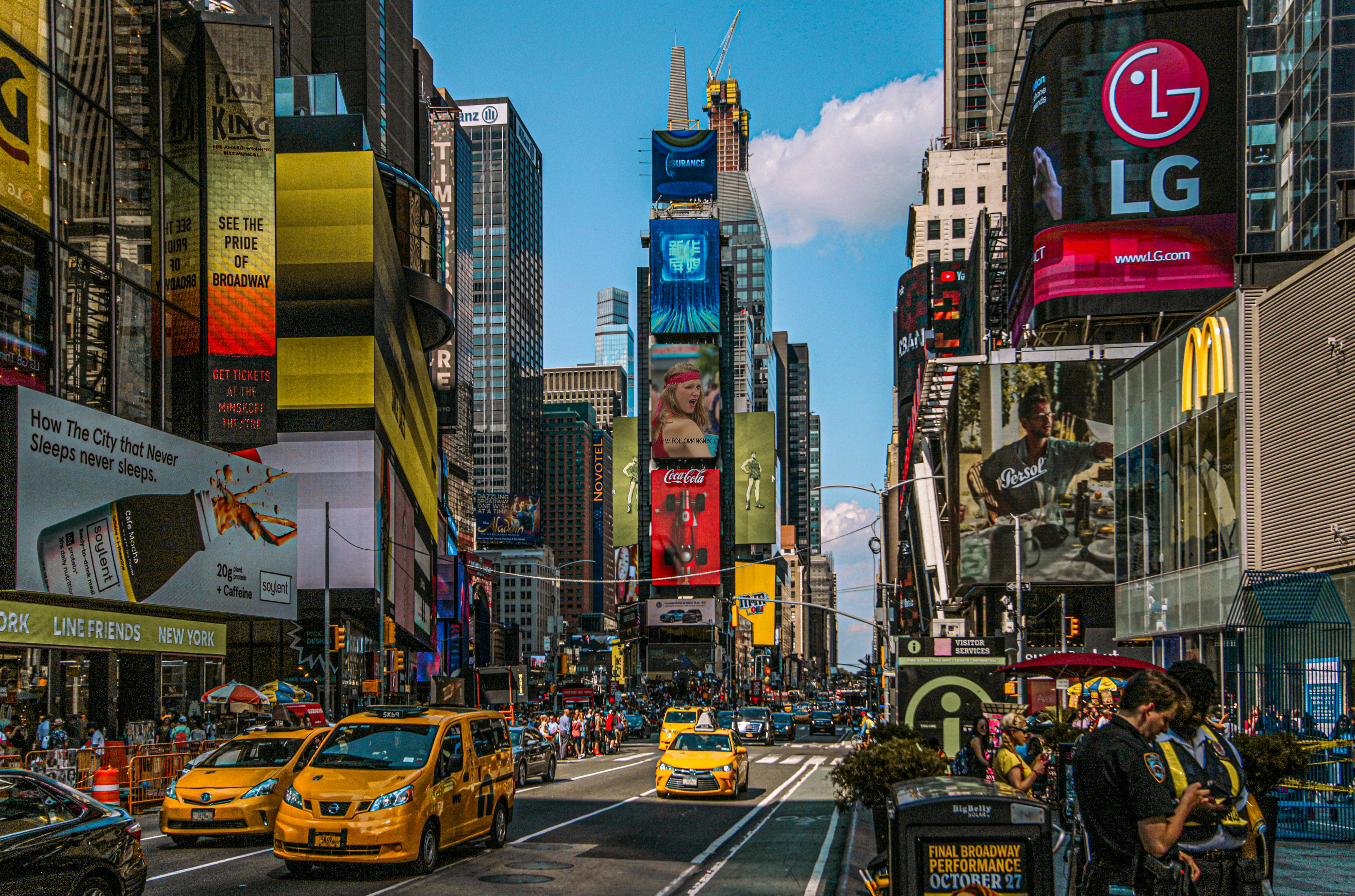
Most famous streets sell a single image. Fifth Avenue refuses. Downtown, it brushes Washington Square; in Midtown, it performs polished wealth within walking distance of Times Square; uptown, it runs beside Central Park and Museum Mile before pushing into Harlem with less ceremony and more truth.
That shapeshifting is the point. Records show the avenue entered the 1811 Commissioners' Plan as a line on paper, but the life that stuck to it came later: Easter bonnets outside St. Patrick's, Puerto Rican pride marching north, veterans in step, museum crowds taking the street back from traffic for one summer evening.
Walk it with attention and Fifth Avenue starts behaving less like a shopping street than a civic stage. Storefront glass may grab the first glance, but the better reason to come is to watch how New York keeps reusing the same strip of asphalt for ritual, spectacle, and argument.
Researched by the Audiala editorial team from historical records, architectural archives, and local expertise.
What to see
St. Patrick's Cathedral
Midtown's loudest trick is that a Gothic church from another age can still bully the glass towers around it. James Renwick Jr. designed St. Patrick's Cathedral in 1858, workers laid white marble over a footprint that takes up a full city block, and the twin spires climb 330 feet, roughly the height of a 30-story building; step inside from Fifth Avenue and the traffic noise drops to a hush broken by shoe leather on stone, candle smoke, and the thin metallic echo of prayers said under a ribbed ceiling built to make you look up whether you planned to or not. Come early, before the office crowds and the Times Square spillover thicken the sidewalks, then stand halfway down the nave and look back toward the bronze doors. Fifth Avenue stops feeling like a shopping street here and starts reading as a stage set built around faith, money, and spectacle.
Solomon R. Guggenheim Museum
Frank Lloyd Wright answered Manhattan's grid with a building that refuses to behave like one. The Guggenheim opened on Fifth Avenue in 1959 as an ivory spiral that uncoils beside Central Park, and inside the ramp rises around a 92-foot atrium, about as high as an eight-story townhouse turned inside out, so your footsteps soften into a long echo while daylight slides down from the glass dome like watered milk. Start at the top if you can and walk down. Paintings matter, of course, but the real thrill is watching Wright make the act of looking feel physical, as if the whole museum were gently pulling you forward.
Walk Fifth Avenue from Rockefeller Center to Museum Mile
Fifth Avenue makes the most sense on foot, and the smartest stretch runs from the Rockefeller Center blocks up to the Guggenheim, where commerce slowly gives way to culture and then to the green edge of Central Park. Begin with the polished stone canyons of Midtown, detour up Top of the Rock if you want the full north-south axis laid out beneath you like a ruler, then keep walking until shop windows give way to older facades, museum steps, and the cooler air that drifts off the park; by the time you reach the upper avenue, the street has stopped selling you things and started telling you what New York chose to preserve.
Plan your visit
Getting There
Fifth Avenue runs 6.2 miles from Washington Square Park to West 143rd Street, so pick your segment before you leave the hotel. For Midtown, take the B, D, F, or M to 47-50 Sts–Rockefeller Center, the E to 5th Ave/53rd St, the 7 to 5th Ave–Bryant Park, or the 6 to 33rd St or 42nd St; buses M1 through M5 run right along the avenue, and the walk from Grand Central to the 42nd Street stretch takes about 15 minutes.
Opening Hours
As of 2026, Fifth Avenue itself stays open 24 hours a day, year-round, because you're visiting a public street, not a gated attraction. What changes are the crowds and block access: holiday pedestrian programs can reshape Midtown in December, and parades like St. Patrick's Day may close sections between East 44th and East 79th Streets, so check NYC DOT and MTA alerts 48 hours ahead.
Time Needed
Give Midtown 1 to 3 hours if you want the fast version: Rockefeller Center, St. Patrick's Cathedral, a few store windows, and that metallic canyon of glass and traffic. A fuller Fifth Avenue day takes 6 to 8 hours, while Museum Mile alone can absorb 2 to 3 hours at an easy pace if you pair the park edge with one museum stop.
Accessibility
Most of Fifth Avenue is flat, paved, and built on Manhattan's grid, with ADA curb cuts and signalized crossings that make the street itself fairly manageable. Crowds are the real obstacle, especially in holiday season, so wheelchair users and anyone sensitive to noise or compression should aim for 8 to 10 a.m., when the sidewalks feel less like a parade rehearsal.
Cost & Tickets
As of 2026, walking Fifth Avenue costs nothing, and no street ticket exists. Paid costs come from what you add: nearby garages around Midtown run about $18 to $20 per hour, private walking tours start around $174.50 per adult or about $200 for a small group, and museums on the avenue such as The Met or Guggenheim sell their own timed-entry tickets separately.
Photo Gallery
A view of Fifth Avenue, New York City, United States. · Tdorante10A detailed isometric transit diagram shows the 42nd Street Bryant Park/Fifth Avenue station complex in New York City, including B, D, F, M, and 7 train connections. · Where as a Rose I will WakeA view of Fifth Avenue, New York City, United States. · Error46146 at English WikipediaA red Flushing Line sign hangs beneath the concrete and steel of Fifth Avenue Station. Fluorescent light gives the platform a stark, utilitarian glow. · The All-Nite Images from NY, NY, USAA view of Fifth Avenue, New York City, United States. · Kidfly182A view of Fifth Avenue, New York City, United States. · Daniel SchwenA view of Fifth Avenue, New York City, United States. · Daniel Schwen
History
The Street That Never Stopped Performing
Fifth Avenue has changed its costume many times, but its job has stayed oddly consistent: this is where New York comes to present itself. Records show that from its formal inclusion in the 1811 grid to today's parades, processions, protests, worship, and window-gazing, the avenue has worked as a public stage more than a mere traffic corridor.
That continuity matters because the surface story keeps shifting. Mansions gave way to department stores, then flagship boutiques and glass towers, yet the old habit survived: people still come here to march, to pray, to be seen, and sometimes to stare upward in disbelief.
The turning point
John Randel Jr. and the Line That Had to Hold
At first glance, Fifth Avenue looks inevitable: a ruler-straight Manhattan axis that simply became rich, then famous. Most visitors accept the polished version, where the avenue seems born for grand houses, grander shops, and ceremonial swagger.
But John Randel Jr., the surveyor charged with staking the 1811 plan onto actual ground, knew how false that neat story was. Records show he faced hostile landowners, lawsuits, violence, and debt while trying to force an abstract line across farms, rocks, swamps, and private grudges; what was at stake for him was personal as much as professional, because failure meant ruin at the start of his career.
The turning point came when Randel's survey markers began turning theory into property fact. Once iron bolts and stone monuments fixed the line on the ground, Fifth Avenue stopped being an idea and became something owners, churches, speculators, and later parade organizers had to reckon with, which helps explain why the avenue's official myth prefers elegance to conflict.
Knowing that changes the gaze. When you stand on Fifth Avenue now, especially near Washington Square or along blocks where the grade subtly rises and falls, you are not looking at a natural urban masterpiece but at a hard-won act of imposition that New York never stopped using for theater.
What Changed
The avenue's buildings changed almost beyond recognition. According to the Fifth Avenue Association and city planning records, the southern stretch opened in 1824 as an unpaved seven-block road; by the late 19th century, private mansions lined key sections, and by the 20th century many of those houses had fallen to commerce, zoning pressure, and land values so high they could swallow a palace whole. A townhouse gave way to a store, then a tower. Then another.
What Endured
The ritual use endured. Documented traditions still return to the same corridor: the St. Patrick's Day Parade, the Easter Parade and Bonnet Festival around St. Patrick's Cathedral, museum crowds reclaiming the street on Museum Mile, and religious services that continue daily behind the avenue's stone facades. Fifth Avenue keeps functioning as New York's outdoor drawing room, whether the people arriving wear feathers, uniforms, choir robes, or sneakers.
Tips for visitors
Cathedral Manners
St. Patrick's Cathedral sits in the middle of Fifth's retail theater, but it is still a working church. Men should remove hats, food and drink are barred except water, phone calls and FaceTime are banned, and major liturgies such as Easter or St. Patrick's Day Mass may require tickets.
Shoot Smart
Street photography on Fifth Avenue is usually fine with a handheld camera or simple tripod as long as you don't block pedestrian flow or claim the sidewalk as your set. Drones are another matter entirely in New York City, and indoor rules tighten fast: The Met allows non-flash personal photos but bans flash, selfie sticks, monopods, and tripods.
Crowd Defense
Midtown Fifth feels polished, but the real hazard is distraction: packed sidewalks near Rockefeller Center, holiday windows, and Grand Central approaches make easy hunting ground for pickpockets and phone snatchers. Keep your wallet zipped, skip sketchy ATMs and electronics shops, and use TLC-licensed taxis or verified ride apps if you're leaving late.
Eat Nearby
Museum Mile rewards a detour to Cafe Sabarsky at 1048 Fifth Avenue for Viennese cake and old-world polish, or Pastrami Queen on the Upper East Side for a budget lunch that tastes like New York rather than branding. Near Rockefeller Center, Jupiter works for a mid-range Italian meal, Fieldtrip handles a quick cheaper lunch, and Le Rock is the splurge if you want Midtown at its most self-aware.
Best Timing
December brings Fifth Avenue's big show, but also shoulder-to-shoulder sidewalks that City Hall once compared to a contact sport. For cleaner photos and less shoving, go early in the morning; for the avenue at its prettiest, try the Upper East Side in late afternoon when Central Park throws soft light across the stone facades.
Pair It Well
Don't try to conquer all 6.2 miles in one heroic march; Fifth Avenue changes personality too often for that to feel satisfying. Pair the Midtown stretch with Top of the Rock or a walk toward Times Square, and save Museum Mile for a different day when the avenue stops performing and starts breathing.
Where to Eat
local_dining
Don't Leave Without Trying
New York-style pizzaPastrami sandwichesBagelsEgg creamsSoup dumplingsHot dogsBacon-egg-and-cheese breakfast sandwichesBanana pudding
Little Collins
local favorite
Australian-style Cafe€€star4.5(2639)
Order: The buttermilk pancakes with toasted hazelnuts and banana are a perfect, not-too-sweet treat.
This is a quintessential Midtown brunch spot that manages to feel cozy despite the high-energy neighborhood. It’s a local favorite for its high-quality coffee and consistently excellent breakfast classics like the eggs benny.
Order: The whitefish Caesar salad is a must-try, followed by the short rib pasta.
Stepping into Monkey Bar feels like a time machine to a swankier, Gilded Age version of New York. It is a quintessential power-dining destination with a classic, retro atmosphere that feels undeniably New York.
Order: The egg and cheese sandwich on brioche is a standout, and the Gingerbread latte is perfect for a pick-me-up.
Located just half a block from the Plaza Hotel, this is the perfect spot for a quick, high-quality bite before exploring the park. It’s an upbeat, modern sanctuary that feels authentic and welcoming.
Order: The lobster frittata is a fantastic way to start your day in a truly glamorous setting.
Located in the Fifth Avenue Hotel, this space is a stunning modern tribute to the Gilded Age. It is perfect if you want to soak in 'New York Glamour' with sapphire-blue velvet booths and high-energy service.
checkTipping at 18% to 20% is the standard expectation in sit-down restaurants.
checkMonday is a common day for restaurant closures; always double-check hours before planning your meal.
checkBreakfast is best enjoyed on the go; grab a coffee and a bodega sandwich for the true local experience.
checkDinner in NYC has shifted earlier, with 6:00 p.m. to 7:00 p.m. being the most popular time to dine.
checkCheck for service charges on your bill, especially if you are dining with a large party.
Food districts:MidtownFlatironUnion SquareChelsea
Restaurant data powered by Google
Frequently asked
Is Fifth Avenue worth visiting?
Yes, if you treat it as a changing 6.2-mile Manhattan corridor rather than one giant shopping street. The best stretch depends on your mood: Midtown gives you St. Patrick's Cathedral, Rockefeller Center, and holiday window glare, while Museum Mile trades cash-register noise for limestone mansions, park light, and the hush inside places like the Met. Fifth Avenue also divides Manhattan's street numbering, so every block carries that odd sense that the city keeps measuring itself against this line.
How long do you need at Fifth Avenue?
Most visitors need 2 to 3 hours for a satisfying first pass, and a full day if museums are part of the plan. The Midtown core between roughly 42nd and 59th Streets works well for a short visit, while the Museum Mile section alone can easily take 2 to 3 hours at a slow pace with gallery stops. Walking the whole 6.2 miles is less a casual stroll than a small urban expedition, about the length of 109 football fields laid end to end.
How do I get to Fifth Avenue from New York City?
If you're already in New York City, the smarter question is which stretch of Fifth Avenue you want. For Midtown, take the B, D, F, or M to 47-50 Sts-Rockefeller Center, the E to 5th Ave/53rd St, or the 7 to 5th Ave-Bryant Park; for Museum Mile, the 4, 5, and 6 get you closest on the east side. Buses M1 through M5 also run along parts of the avenue, which matters when your feet realize 6.2 miles is longer than it sounded on the map.
What is the best time to visit Fifth Avenue?
Late morning on a weekday is the best time for most people. You get cleaner sightlines, easier crossings, and a better chance of hearing the city shift from traffic hum to cathedral echo or museum quiet, especially uptown along Central Park. December is the most theatrical season, but the holiday crowds can turn the Midtown blocks into a contact sport.
Can you visit Fifth Avenue for free?
Yes, Fifth Avenue itself is completely free because it's a public street open 24 hours a day. You can walk past St. Patrick's Cathedral, along the edge of Central Park, and through the avenue's shifting neighborhoods without buying a ticket, though museums and observation decks along the route have their own entry fees. That's part of its charm: one of New York's most loaded addresses still lets you in for the price of good shoes.
What should I not miss at Fifth Avenue?
Don't miss the contrast between Midtown spectacle and Museum Mile calm. In one outing, pair St. Patrick's Cathedral and Rockefeller Center with the park-facing mansions and museums uptown, because that jump from polished store glass to old stone, tree shade, and softer footsteps is where Fifth Avenue stops being a cliché and starts feeling like a real city spine. If you want one high reveal, look down the avenue from Top of the Rock, where the corridor reads like a ruler laid across Manhattan.
Sources & attribution9
Researched and written by the Audiala editorial team from historical records, architectural archives, and local expertise. Last reviewed April 2026.
NYC DOT Press Release — Confirmed Fifth Avenue's 6.2-mile length, route from Washington Square Park to West 143rd Street, and current civic framing of the avenue.
Fifth Avenue Association — Provided the avenue's identity as a corridor of retail, culture, and civic theater rather than a single attraction.
Wikipedia - Fifth Avenue — Used for general orientation, neighborhood progression, and the fact that Fifth Avenue divides Manhattan's east-west street numbering.
Headout - Rockefeller Center Directions — Provided practical transit details for Midtown access, including subway lines and walking connections near Rockefeller Center.
Trip.com Fifth Avenue Overview — Used for the practical point that Fifth Avenue is open continuously as a public street and for quick-visit timing guidance.
42nd Street–Bryant Park-Fifth Avenue (NYC subway station map) — Where as a Rose I will Wake — CC BY-SA 4.0 (https://creativecommons.org/licenses/by-sa/4.0/) — Source: https://commons.wikimedia.org/wiki/File:42nd_Street–Bryant_Park-Fifth_Avenue_(NYC_subway_station_map).png
5ave-7line — Error46146 at English Wikipedia — CC BY 3.0 (https://creativecommons.org/licenses/by/3.0/) — Source: https://commons.wikimedia.org/wiki/File:5ave-7line.jpg
5 Avenue emergency exit vc — The All-Nite Images from NY, NY, USA — CC BY-SA 2.0 (https://creativecommons.org/licenses/by-sa/2.0/) — Source: https://commons.wikimedia.org/wiki/File:5_Avenue_emergency_exit_vc.jpg
5th Avenue Station Platform Barrier — Kidfly182 — CC BY 4.0 (https://creativecommons.org/licenses/by/4.0/) — Source: https://commons.wikimedia.org/wiki/File:5th_Avenue_Station_Platform_Barrier.jpg
5th Avenue and Bryant Park station 1 — Daniel Schwen — CC BY-SA 4.0 (https://creativecommons.org/licenses/by-sa/4.0/) — Source: https://commons.wikimedia.org/wiki/File:5th_Avenue_and_Bryant_Park_station_1.jpg
5th Avenue and Bryant Park station 2 — Daniel Schwen — CC BY-SA 4.0 (https://creativecommons.org/licenses/by-sa/4.0/) — Source: https://commons.wikimedia.org/wiki/File:5th_Avenue_and_Bryant_Park_station_2.jpg
6 Ave 5 Ave vc — The All-Nite Images from NY, NY, USA — CC BY-SA 2.0 (https://creativecommons.org/licenses/by-sa/2.0/) — Source: https://commons.wikimedia.org/wiki/File:6_Ave_5_Ave_vc.jpg
BarrierDSC01944 02 — Alex Lozupone — CC BY 4.0 (https://creativecommons.org/licenses/by/4.0/) — Source: https://commons.wikimedia.org/wiki/File:BarrierDSC01944_02.jpg
BarrierDSC01944 01 — Alex Lozupone — CC BY 4.0 (https://creativecommons.org/licenses/by/4.0/) — Source: https://commons.wikimedia.org/wiki/File:BarrierDSC01944_01.jpg
R188 7 Train 023 — Kidfly182 — CC BY 4.0 (https://creativecommons.org/licenses/by/4.0/) — Source: https://commons.wikimedia.org/wiki/File:R188_7_Train_023.jpg
BarrierDSC01944 03 — Alex Lozupone — CC BY 4.0 (https://creativecommons.org/licenses/by/4.0/) — Source: https://commons.wikimedia.org/wiki/File:BarrierDSC01944_03.jpg
Strictly necessary cookies keep navigation working. Analytics cookies (PostHog, Google Analytics) help us learn which pages work — aggregate only, no ads, no selling. You can change this any time from the footer.
Privacy
Cookie preferences
Pick what you're okay with. You can change this any time from the footer.
Strictly necessary
Always on
Sign-in, language, navigation. Always on.
Product analytics
PostHog and Google Analytics, aggregate usage only. Helps us see which pages work and which need fixing. No selling, no ads.
Marketing
Off today. Reserved if we ever run paid acquisition. We will ask again before turning it on.