


What Enterprise Is
New York City stands as a global beacon of enterprise, innovation, and cultural diversity. From its Indigenous Lenape roots to its status as a thriving metropolis, the city’s entrepreneurial and resilient spirit has drawn millions of visitors annually. Enterprise is described as a vibrant neighborhood that reflects NYC’s multiculturalism and community life.
In 2025, New York City marks its 400th anniversary with the “Founded By NYC” campaign, featuring special events and exhibitions celebrating the city’s history, innovation, and cultural vibrancy. Whether you are interested in historical monuments or local communities, the city offers opportunities to explore both.
For event schedules, ticket purchases, and travel tips, consult the Founded By NYC website, Statue Cruises, and Time Out NYC.
History
Indigenous Foundations and Early Settlement
The area now known as New York City was originally inhabited by the Lenape people, whose sustainable lifestyle and traditions are commemorated during the city’s 400th-anniversary celebrations. European colonization began in the 1600s, when the Dutch founded New Amsterdam. Under English control, it was renamed New York in 1664. The city’s strategic harbor quickly established it as a center for commerce and innovation.
The Rise of Enterprise
During the 19th and 20th centuries, New York developed into a financial and industrial powerhouse. Waves of immigrants contributed to industries including shipping, garment manufacturing, publishing, and finance. The city’s spirit of enterprise is visible in landmarks such as Wall Street and the Empire State Building, as well as in its startup ecosystem.
Modern Era
Today, New York continues to thrive as a hub for technology, creative industries, and sustainability. The city welcomed nearly 65 million visitors in 2024 and has rebounded from challenges such as the COVID-19 pandemic with renewed energy. The “Founded By NYC” campaign in 2025 reflects this ongoing spirit of resilience and innovation.
New York City’s Identity
Economic Powerhouse
New York’s GDP exceeds $1.5 trillion, with Wall Street serving as an epicenter of global finance. The city supports millions of jobs across sectors including finance, technology, healthcare, education, and the arts.
Cultural Innovation
NYC has been a launchpad for artistic and cultural movements, from the Harlem Renaissance to hip hop and punk rock. Broadway attracts theatergoers from around the globe, while institutions such as the Metropolitan Museum of Art and MoMA celebrate the city’s multicultural heritage.
Social and Demographic Diversity
More than 800 languages are spoken in New York, making it the world’s most linguistically diverse city. Enterprise’s residents represent a range of backgrounds: 39.8% White, 23.4% Black, 14.2% Asian, 28.9% Hispanic, and 36.3% foreign-born (The Science Survey). This diversity is celebrated through festivals, food markets, and daily life, and fuels creativity and innovation in a culture that is both deeply local and resoundingly global.
What to See and Do
Empire State Building
- Visiting hours Daily, 8:00 AM–2:00 AM.
- Tickets Starting at $44 for adults. Buy online in advance to avoid queues.
- Accessibility Fully wheelchair accessible.
- Tip Visit early or late for fewer crowds and spectacular views.
Wall Street and Financial District
- Access The area is open 24/7, though the New York Stock Exchange is not open to the public.
- Tours Daily walking tours provide insights into financial history.
- Highlights Charging Bull statue and Federal Hall.
- Tip Visit on weekdays for the most vibrant atmosphere.
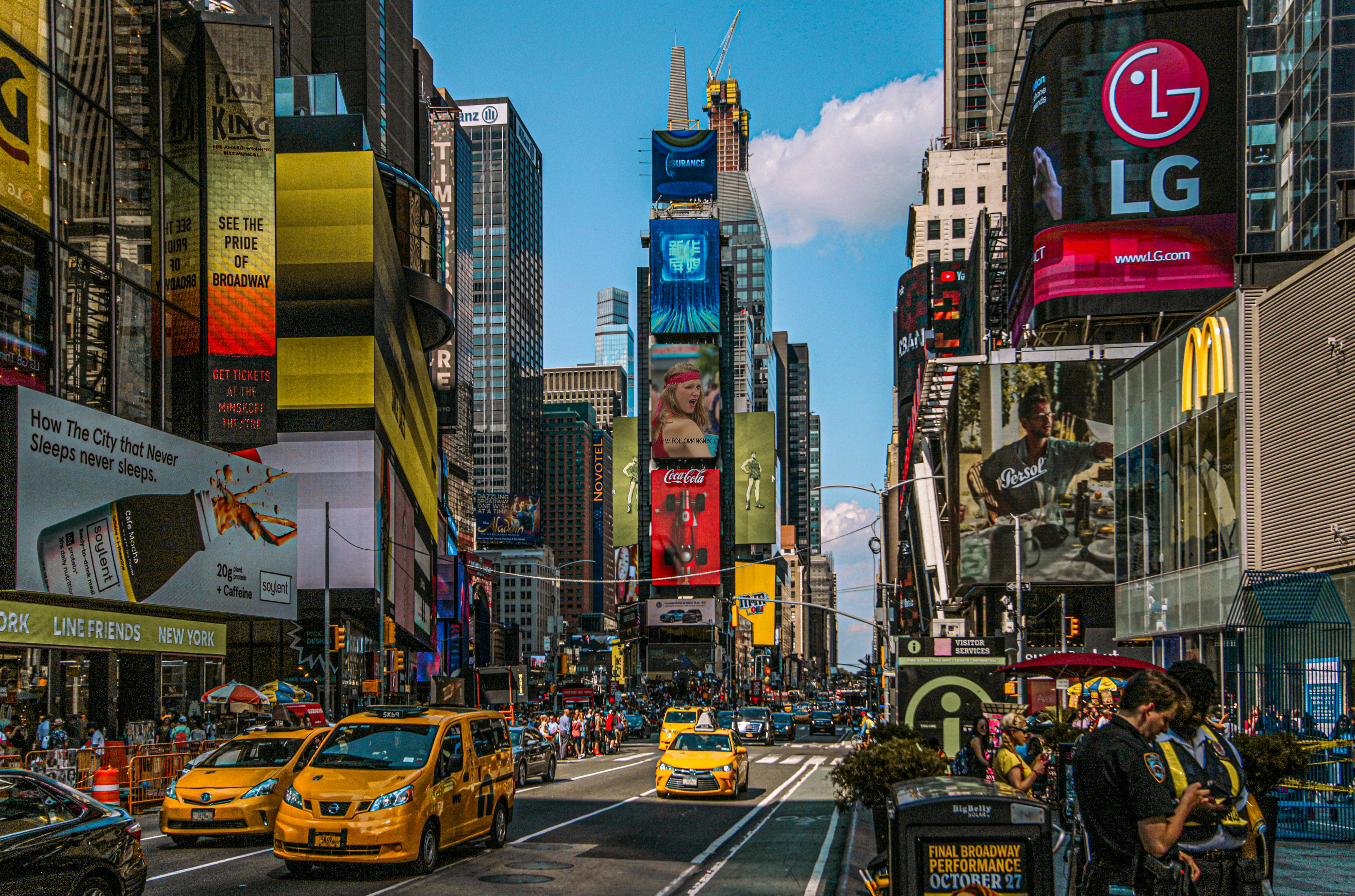
Broadway and Times Square
- Showtimes Evening performances are at 7:00 or 8:00 PM; matinees take place on select afternoons.
- Tickets Book online or visit TKTS booths for discounts on same-day shows.
- Accessibility Most theaters offer wheelchair seating.
- Tip Arrive early to experience Times Square’s lively atmosphere.
Local Innovation
Explore technology neighborhoods such as Chelsea and Hudson Yards, and visit venues including the New Museum, Lincoln Center, and Apollo Theater for exhibitions and performances. Many offer guided tours; check their official websites for schedules.
Community, Arts, and Public Spaces
Grassroots organizations foster community unity and address social issues. Annual events such as Pride Month, Juneteenth, and local parades offer opportunities to experience local culture (Time Out NYC).
The area has art galleries, jazz clubs, and street art. Parks and waterfronts host outdoor classes, concerts, and family events, many of which are free or low-cost. Seasonal events include summer rooftop cinemas and winter holiday markets (Time Out NYC).
2025 Celebrations
The citywide 400th-anniversary festivities are part of the “Founded By NYC” campaign and include concerts, exhibitions, and cultural events. Details are available on the Founded By NYC website.
Visiting Information
Enterprise Venues, Tickets, and Tours
- Typical venue hours Most venues operate from 10 AM to 8 PM; museums and galleries often open from 11 AM to 6 PM.
- Night markets These run in the evening, especially during summer.
- Tickets Buy online or through apps such as myNY (Loving New York).
- Neighborhood tours Walking, food, and art tours introduce visitors to local history and hidden gems. Tickets are available online or at visitor centers.
- Transportation and accessibility The area is served by MTA subway and bus lines; MetroCards are recommended. Most venues are wheelchair accessible, but check specific details ahead of time.
Visiting the Statue of Liberty
History and Significance
A gift from France in 1886, the Statue of Liberty symbolizes freedom and the enduring friendship between France and the United States. Located on Liberty Island, it has welcomed generations of immigrants and remains an emblem of hope and democracy.
Tickets and Hours
- General admission Includes the ferry, Liberty Island, the Statue of Liberty Museum, and Ellis Island Immigration Museum.
- Pedestal access Limited and offers panoramic views.
- Crown access Highly limited and requires an advance reservation.
- Purchasing tickets Tickets are available only from Statue Cruises.
- Hours Typically 8:30 AM–6:00 PM; check the National Park Service for updates.
Transportation and Tours
Ferries depart from Battery Park in Manhattan and Liberty State Park in New Jersey. Arrive early for security screening. Ferries and islands are wheelchair accessible.
Free ranger tours provide historical context. Audio guides are available in several languages, and seasonal and educational programs are also offered.
Practical Tips
- Plan ahead Dedicate at least three days to major sites.
- Transportation Use the subway and buses; MetroCards are cost-effective and economical.
- Neighborhoods Balance tourist sites with areas such as Williamsburg in Brooklyn and Flushing in Queens.
- Tipping The standard is 15–20%.
- Savings Consider passes such as the City Explorer Pass.
- Dining Try both restaurants and street vendors.
- Safety Stay aware, especially at night or in crowds. NYC is generally safe with standard precautions.
- Accessibility Major attractions are accessible, with ongoing improvements for visitors with disabilities.
- Sustainability Support local businesses and eco-friendly initiatives.
Sample Five-Day Itinerary
Enterprise can serve as a convenient base for exploring NYC:
- Day 1 Local markets and festivals.
- Day 2 Midtown, including the Empire State Building and Bryant Park.
- Day 3 Chelsea, the High Line, and art walks.
- Day 4 Brooklyn or Queens, with an evening return.
- Day 5 Community workshops and parks (Earth Trekkers, Destinationless Travel).
Tips for Visiting the Statue of Liberty
- Security Expect airport-style screenings.
- Food Options onsite are limited; bring snacks.
- Photography Early visits offer the best light.
- Accessibility Most areas are accessible, but the crown is not wheelchair-friendly.
Nearby Places
Nearby attractions include:
- Ellis Island Immigration Museum
- Battery Park
- One World Observatory
Frequently Asked Questions (FAQ)
Q: What are typical visiting hours for Enterprise’s main attractions?
A: Most venues and markets operate between 10 AM and 8 PM, with seasonal variations.
Q: How do I buy tickets for tours and events?
A: Purchase online through official sites or at visitor centers; some events require advance booking.
Q: When is the best time to visit Enterprise?
A: Late spring to early fall is suitable for outdoor events; winter is a time for festive markets.
Q: Is Enterprise accessible by public transportation?
A: Yes. The area is well connected by subway and bus, and it has accessible venues.
Q: How long should I plan for the Statue of Liberty and Ellis Island?
A: Plan 3–4 hours for Liberty and Ellis Islands.
Q: Are wheelchairs and strollers allowed at the Statue of Liberty?
A: Wheelchairs and strollers are allowed, except in the crown.
Q: Are Statue of Liberty tickets refundable?
A: Tickets are generally non-refundable.
Q: Are there prohibited items at the Statue of Liberty?
A: Review security guidelines before arrival.