
History
Early History and Construction of Dyckman House
The Dyckman family originally settled the area in the 1660s. The farmhouse was constructed circa 1784 by William Dyckman. The family operated a large farm, raising crops and livestock, and the house became a local landmark in rural northern Manhattan.
The Dyckman Family and the Revolutionary War
The family’s original homestead was destroyed during the British occupation, prompting a temporary relocation. After the war, William Dyckman rebuilt the farmhouse using some salvaged materials, restoring the family’s presence and the farm’s role in northern Manhattan’s recovery.
Decline and Threat of Demolition
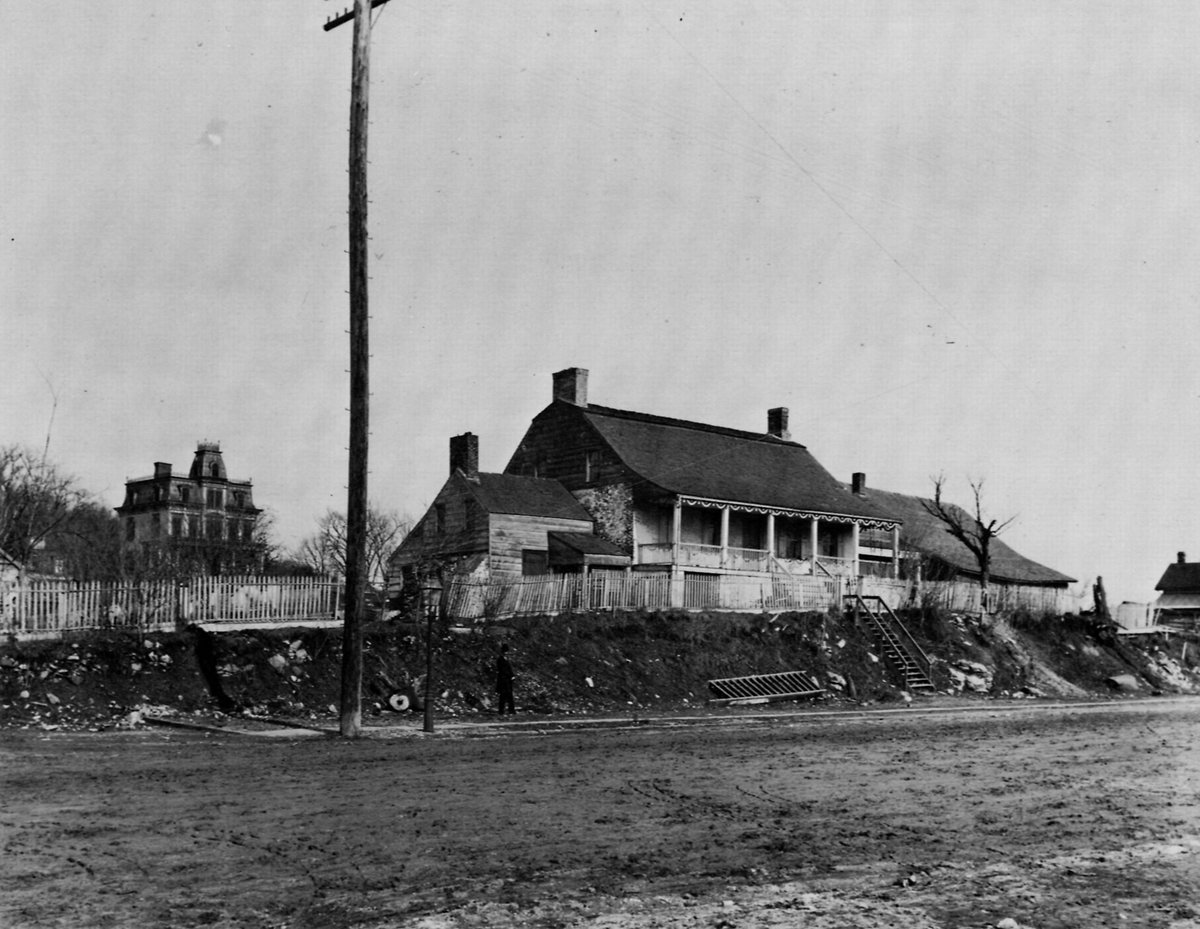
Urbanization in the late 19th and early 20th centuries led to the subdivision of farmland and the farmhouse’s decline. The building was threatened with demolition, but Dyckman descendants—particularly Mary Alice Dyckman Dean and Fannie Fredericka Dyckman Welch—led a restoration campaign to preserve it.
Restoration and Transition to a Museum
In 1915, the Dyckman sisters, aided by architect Alexander M. Welch, restored the farmhouse to its late-18th-century appearance. They furnished it with family heirlooms and period antiques. After the house was donated to the city in 1916, it became New York City’s first historic house museum.
Landmark Designation and Ongoing Preservation
The Dyckman House was designated a New York City Landmark and added to the National Register of Historic Places in 1967. Restoration projects in the early 2000s further improved its structural integrity and public access. The site is managed by the Dyckman Farmhouse Museum Alliance in partnership with NYC Parks.
What to See
Dutch Colonial Architecture: Features and Materials
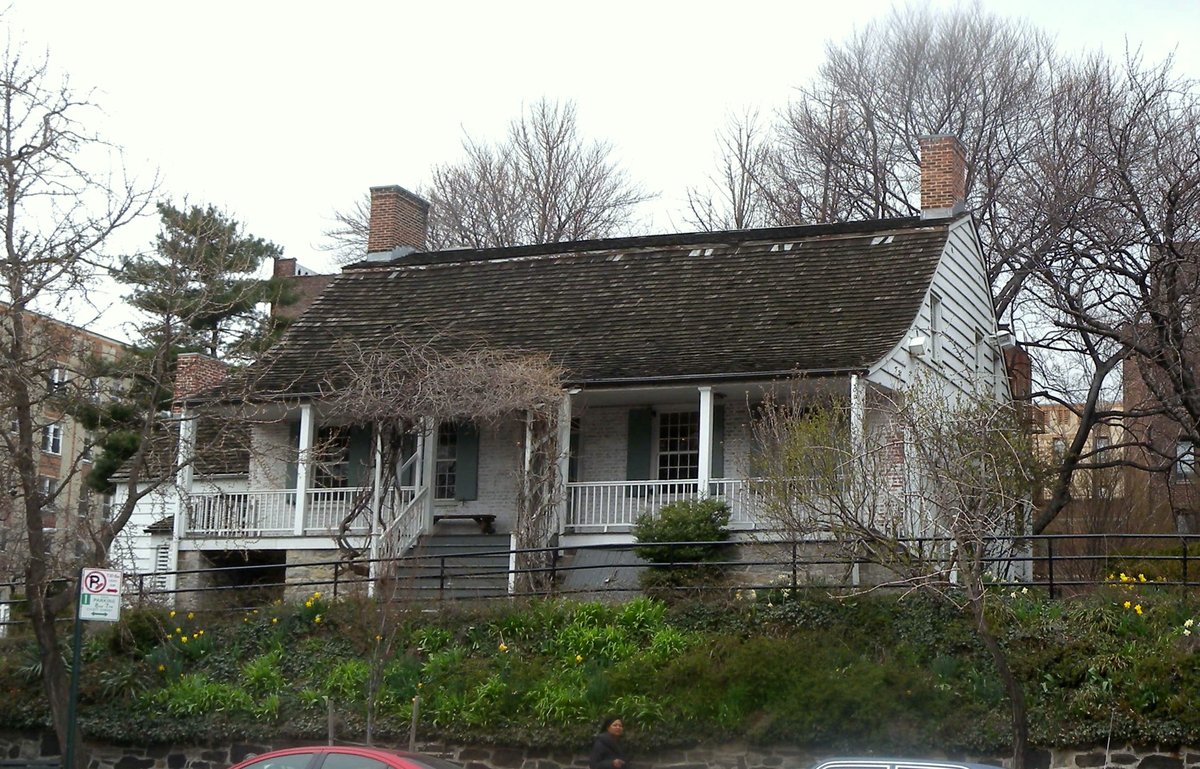
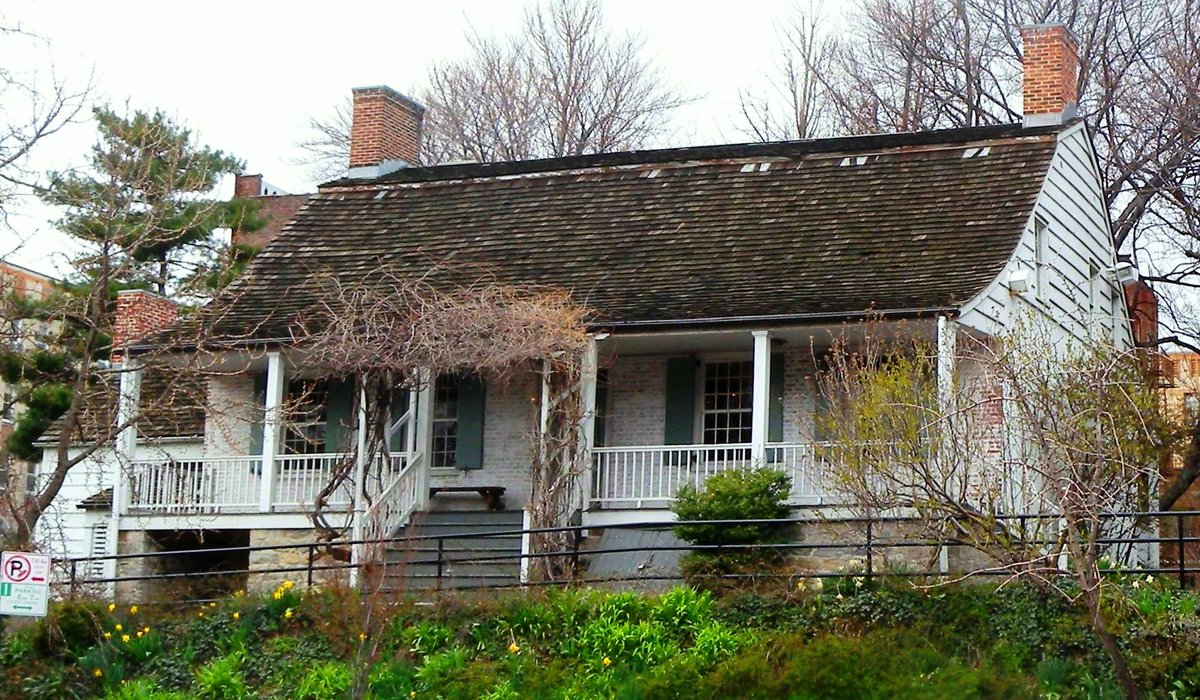
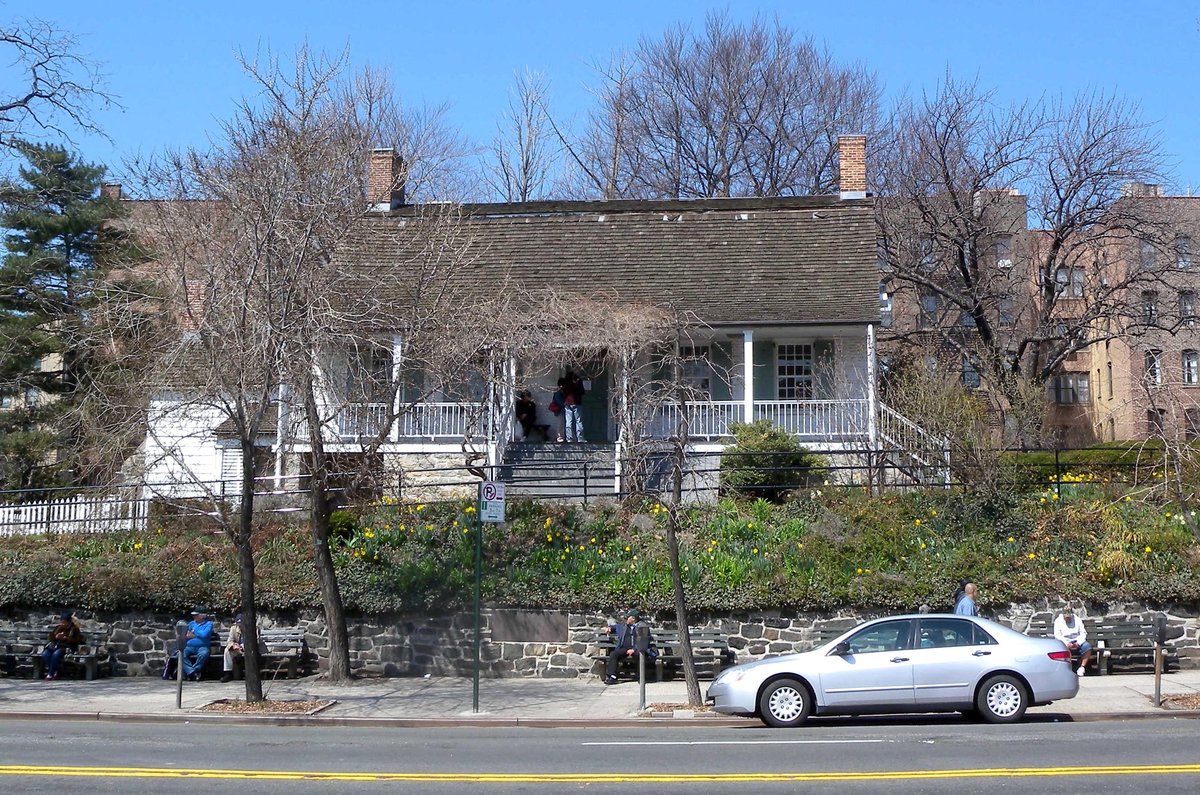
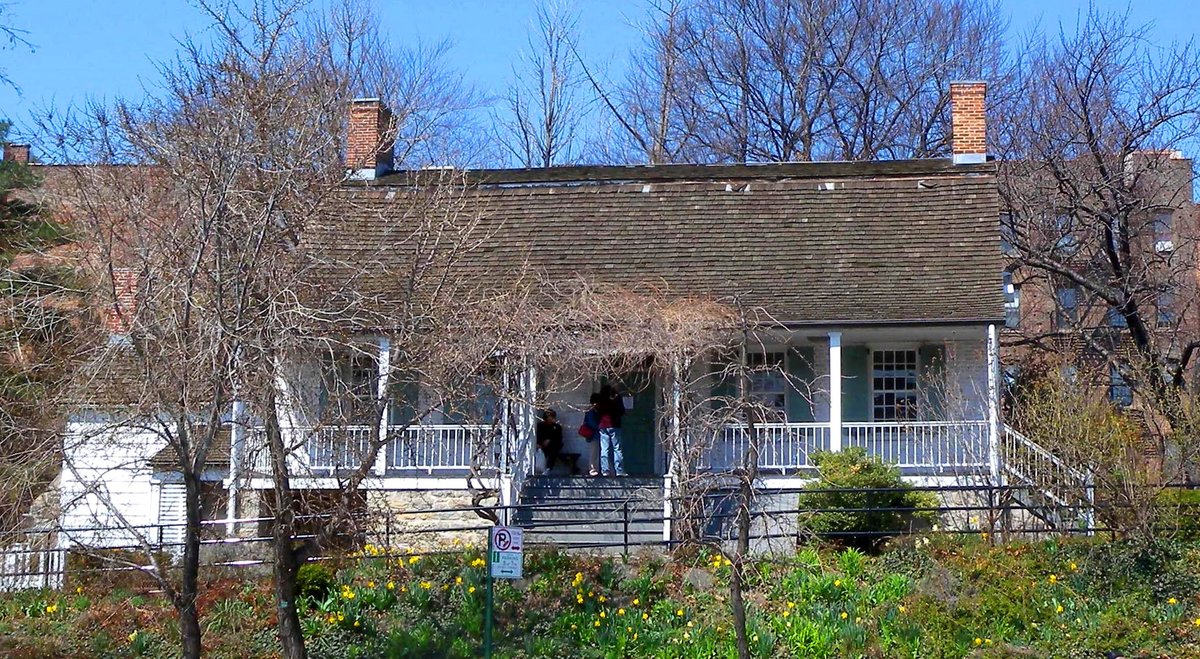
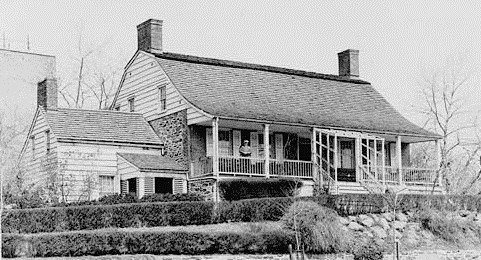
The farmhouse’s Dutch Colonial features include a gambrel roof, spring eaves, fieldstone foundations, brick, white clapboard siding, and wide porches. The double-sloped roof provides extra headroom and covered porches, while the projecting spring eaves protect entrances. Its simple, functional layout reflects the period. Restoration has maintained these details to preserve the building’s historical character (Dyckman Farmhouse Museum).
Interior Layout and Furnishings
Inside are narrow hallways, low ceilings, and winding stairs characteristic of 18th-century design. The house contains two parlors, one of which serves as the museum desk, and period rooms furnished with original and authentic Dyckman family artifacts.
The grounds include gardens with heritage plantings, an 18th-century-style smokehouse, and a reconstructed “Hessian Hut” illustrating the site’s Revolutionary War history.
Museum Layout and Visitor Experience
Period rooms, interpretive panels, and restored gardens evoke the farmhouse’s agricultural history. The smokehouse and Hessian Hut add to the site’s historical displays. Visitors can also use digital resources and virtual tours.
Visual and Interactive Highlights
The museum’s website features images and virtual tours of the farmhouse and its grounds:


Cultural Significance and Community Role
The museum preserves New York City’s rural past and acknowledges the Lenape, the land’s original inhabitants. Its interpretation addresses the histories of Dutch settlers and enslaved Africans, as well as later immigrant communities. Alongside its role as a historical landmark, it hosts educational programs, workshops, school visits, concerts, craft workshops, and multicultural celebrations (I Was Here Inwood).
Inclusive Storytelling and Multicultural Programming
The museum presents Inwood’s layered history, including the stories of enslaved Africans, Dutch settlers, and the area’s evolving immigrant communities. Partnerships such as the “I Was Here” project bring Ancestor Spirit Portraits and other inclusive programs to the site (I Was Here Inwood).
Educational Outreach and Youth Engagement
With nearly a quarter of Inwood’s population under 18, the museum prioritizes youth engagement through school visits, summer workshops, and family-friendly gardening and crafts (WE ACT Dyckman Report).
Fostering Civic Pride and Neighborhood Identity
The museum’s educational and community programs foster connections and civic pride.
Addressing Contemporary Community Needs
Environmental workshops, neighborhood meetings, and urban agriculture initiatives contribute to conversations about development, gentrification, and sustainability in Inwood (WE ACT Dyckman Report).
Practical Visiting Information
Visiting the Dyckman House: Hours, Tickets, and Accessibility
Hours:
- Wednesday through Sunday, 12:00 PM–5:00 PM.
- Closed Monday and major holidays.
- Check the official website for updates.
Admission and tours:
- Admission is free.
- Guided tours are available on weekends and by appointment at no cost.
Guided Tours, Special Programs, and Events
Weekend and by-appointment guided tours explore the Dyckman family, Dutch Colonial life, and Inwood’s transformation. The museum also offers colonial craft workshops, harvest and holiday celebrations, multicultural music and storytelling programs, and educational workshops for children and families. See the Dyckman Farmhouse Events page for details.
Accessibility and Visitor Amenities
The museum is wheelchair accessible, and most public spaces are accessible. Accommodations are available upon request, though some historic features may limit access to certain areas; contact staff about specific needs. Restrooms and a visitor center are onsite. There is no café, but local dining options are plentiful in Inwood.
Discover More
For updates on hours, tickets, tours, and events, visit the official museum website or email [email protected]. For educational group inquiries, email [email protected].
The Audiala app offers guided audio tours and updates on New York City historical sites. The museum also shares behind-the-scenes content, event announcements, and community stories on social media.
Additional resources:
- Dyckman Farmhouse Museum official website
- NYC Department of Parks & Recreation: Dyckman House
- Landmarks Preservation Commission Report
- National Register of Historic Places Listing
Tips
- Getting there The museum is at 4881 Broadway. It is accessible by the A train or 1 train at the Dyckman Street station; several bus routes also serve the area.
- Parking There is no onsite parking. Use public transportation or street parking.
- Footwear Wear comfortable shoes; paths and historic flooring may be uneven.
- Photography Non-flash photography is allowed. Flash and tripods are prohibited inside.
- Events Check the events calendar; special programs may be taking place.
- Pets Pets are not permitted inside the museum or gardens.
Nearby Attractions and Photographic Spots
Nearby attractions in Inwood and northern Manhattan include:
- Inwood Hill Park Trails, scenic vistas, and Native American sites.
- Fort Tryon Park Home to The Cloisters and gardens.
- Little Red Lighthouse A Hudson River icon.
The farmhouse’s gardens and architecture are also photographic spots (NYC Metro, Harlem World Magazine).
Frequently Asked Questions (FAQ)
Q: What are the Dyckman House visiting hours?
A: Wednesday through Sunday, 12:00 PM–5:00 PM. It is closed Mondays and major holidays.
Q: Do I need a ticket?
A: Admission is free. Guided tours are available on weekends and by appointment at no cost.
Q: Is the Dyckman House wheelchair accessible?
A: Yes. Accommodations are available upon request, though some historic features may limit access to certain areas.
Q: Can I bring children?
A: Yes. The museum offers youth programs and family activities.
Q: Are there special events or seasonal programs?
A: Yes. Programs include holiday celebrations, music events, and craft workshops. See the events page for details.
Q: How do I get there?
A: The address is 4881 Broadway. The museum is accessible by the A or 1 train at the Dyckman Street stations and by local buses.
Q: Can I take photos?
A: Non-flash photography is allowed. Flash and tripods are not allowed inside.
Q: Are pets allowed?
A: Pets are not permitted inside the museum or gardens.