Plan and listen to Conservatory Garden with Audiala.
Audio guide in your pocket, itinerary in your browser. Built for the way you actually visit.
Introduction
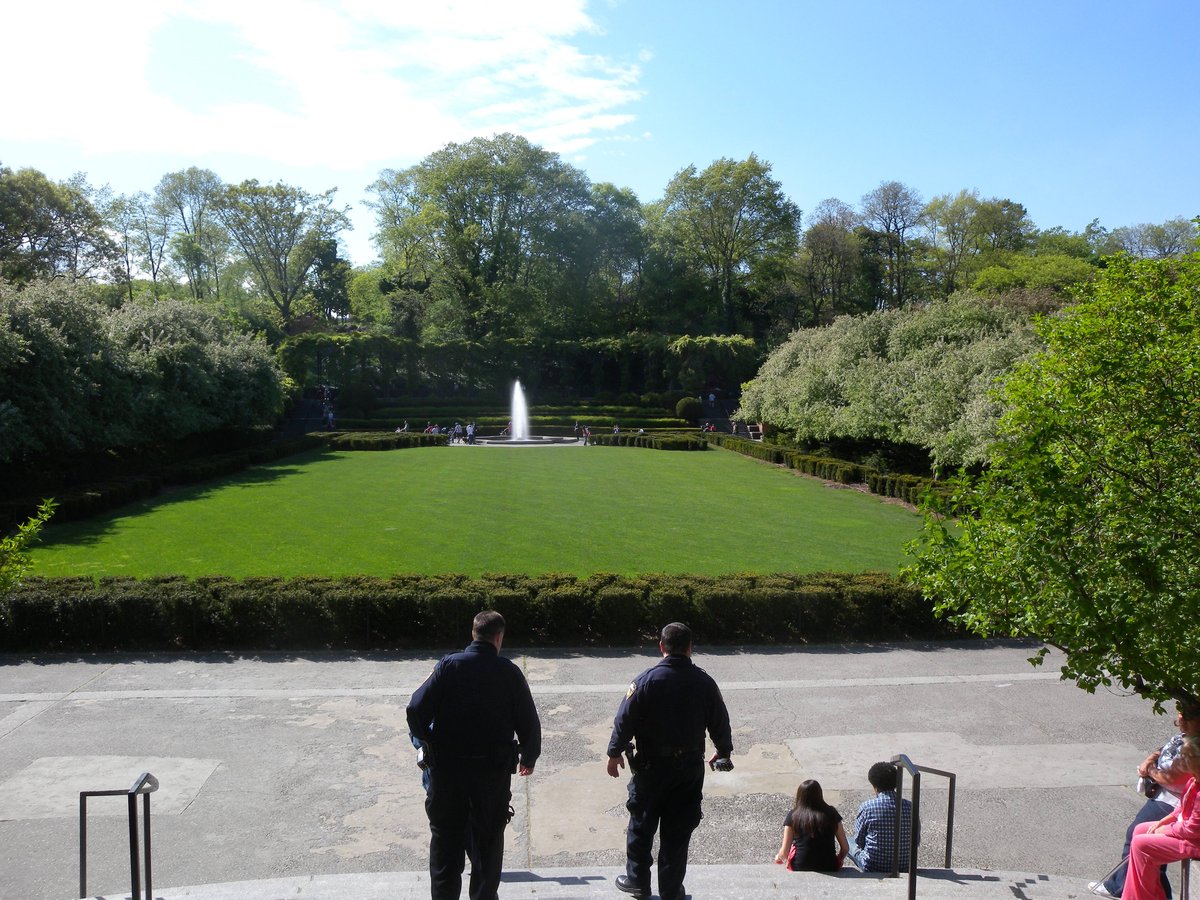
Nestled within the iconic Central Park, the Conservatory Garden is one of New York City's hidden treasures. Offering a serene escape from the urban hustle and bustle, this six-acre paradise is divided into three distinct sections, each exuding the elegance and charm of French, Italian, and English garden styles. Historically, the Conservatory Garden has undergone significant transformations—from its origins as New York City's first municipal glasshouse in the late 19th century to its current status as a meticulously designed formal garden. The garden's architectural and horticultural significance makes it a must-visit destination for tourists and locals alike, providing a tranquil oasis amidst the city's relentless pace. This guide aims to delve deep into the garden's rich history, architectural marvels, and practical visitor information to help you make the most of your visit (Central Park Conservatory Garden).

A Century of Transformation - From Glasshouse to Garden Oasis
The Early Years - A Glimpse of Victorian Splendor (Late 19th Century)
The site of the present-day Conservatory Garden was initially home to New York City's first municipal glasshouse, built in the late 19th century. This Victorian marvel, inspired by London's Crystal Palace, housed exotic plants and served as a popular attraction for city dwellers. However, by the early 20th century, the glasshouse fell into disrepair and was eventually demolished in 1934.
A Garden is Born - The Vision of Gilmore D. Clarke (1930s)
The dilapidated glasshouse site was reborn as the Conservatory Garden thanks to the vision of Robert Moses, the Parks Commissioner, and the design expertise of Gilmore D. Clarke, the landscape architect. Clarke, known for his work on the Mall in Washington D.C., envisioned a formal garden divided into three distinct styles: Italian, French, and English.
The Italian Garden - A Formal Elegance (1937)
The first to be completed in 1937, the Italian Garden embodies classical design principles. Its central feature is a large rectangular pool, adorned with a jet fountain and surrounded by meticulously clipped yews and seasonal flower beds. This symmetrical layout, inspired by Renaissance gardens, exudes a sense of order and tranquility. The Italian Garden also features the "Three Dancing Maidens" fountain, a bronze sculpture by German artist Walter Schott (1861-1938), adding a touch of whimsy to the formal setting.
The French Garden - A Celebration of Symmetry and Color (1939)
The French Garden, completed in 1939, lies to the north of the Italian Garden. This section is characterized by its symmetrical design, intricate parterres, and vibrant floral displays. A central pathway leads to a magnificent Vanderbilt Gate, a wrought-iron masterpiece crafted in Paris in the 1890s. Originally standing before the Vanderbilt mansion on Fifth Avenue, the gate, with its intricate details and gilded accents, serves as a grand entrance to the garden.
The English Garden - A Tapestry of Textures and Blooms (1939)
The English Garden, also completed in 1939, provides a contrasting atmosphere to the formal French and Italian sections. This area embraces a more naturalistic style, with winding pathways, informal plantings, and a focus on seasonal variety. Visitors can enjoy a diverse collection of trees, shrubs, and perennials, creating a tapestry of textures and colors that change throughout the year. The English Garden also features a charming gazebo, offering a peaceful spot to relax and soak in the surrounding beauty.
Architectural Significance - A Fusion of Styles and Eras
The Conservatory Garden's architectural significance lies in its unique blend of historical elements and design styles. The garden seamlessly integrates remnants of the original glasshouse, such as the elegant Vanderbilt Gate and the curved stonework, with Clarke's formal garden design. This fusion of styles, spanning from the late 19th to the mid-20th century, creates a captivating dialogue between different eras of landscape architecture.
Restoration and Renewal - Preserving a Legacy (Late 20th Century)
By the late 20th century, the Conservatory Garden, like many parts of Central Park, faced challenges from overuse and deferred maintenance. Recognizing its historical and horticultural value, a major restoration effort was undertaken in the 1980s. Led by the Central Park Conservancy, the project focused on repairing structural elements, replanting gardens, and improving accessibility. This meticulous restoration ensured the garden's legacy for future generations to enjoy.
Visitor Information - Hours, Tickets, and Tips
The Conservatory Garden is open daily from 8:00 AM until dusk, and admission is free, making it a wonderful and accessible destination for all visitors. Here are some tips for making the most of your visit:
- Best Times to Visit: Spring and fall are particularly beautiful times to visit, with vibrant blooms and comfortable weather.
- Guided Tours: Consider joining a guided tour to learn more about the garden's history and plantings.
- Accessibility: The garden is accessible to visitors with disabilities, with paved pathways and ramps.
- Nearby Attractions: Don't miss other nearby attractions in Central Park, such as the Harlem Meer, the North Woods, and the Museum of the City of New York.
Visuals and Media - Enhancing Your Visit
To fully appreciate the beauty of the Conservatory Garden, consider bringing a camera or smartphone to capture the stunning landscapes. You can also explore virtual tours and interactive maps available on the Central Park Conservancy's website for a preview of what to expect.
FAQ - Common Questions Answered
Q: What are the visiting hours for the Conservatory Garden?
A: The garden is open daily from 8:00 AM until dusk.
Q: Is there an admission fee?
A: No, admission to the Conservatory Garden is free.
Q: Are guided tours available?
A: Yes, guided tours are available and provide a wealth of information about the garden's history and plantings.
Q: Is the garden accessible to visitors with disabilities?
A: Yes, the garden features paved pathways and ramps for accessibility.
Discover More
To stay up to date with the latest news and events from the Conservatory Garden and Central Park, follow the Central Park Conservancy on social media, download the Audiala mobile app, and check out other related posts on our website.
Tickets & tours.
These are guided options from our partners — same price as booking direct.
Prices are indicative — final pricing and availability are confirmed at checkout. Audiala may earn a commission from bookings made through these links.
Listen to the full story in the app
The whole Conservatory Garden,
told well.
Listen to sourced travel stories with local history and practical context — ready offline.
Verified, and shown.
Researched and written by the Audiala editorial team from historical records, architectural archives, and local expertise.
Explore the Conservatory Garden in Central Park - History, Visiting Hours, and Tickets
Exploring the Conservatory Garden - French, Italian, and English Influences in New York City
Exploring the Conservatory Garden - Biodiversity, Sustainability, and Visitor Information
Built from cited sources · see the method · How we make our guides →