
Founding and Early Years
Brick Presbyterian Church was established in 1767 as one of Manhattan’s earliest Presbyterian congregations. Its original edifice, completed in 1768 at Beekman and Nassau Streets, was notably constructed from brick—a rarity among the predominantly wooden churches of colonial New York (Geographic Guide). This sturdy construction not only lent the church its name but also ensured its survival through fires and the turbulence of the American Revolution.
During the war, the church was commandeered by British forces for use as a hospital and barracks, reflecting its central role in the city’s early history (Wikipedia). After the Revolution, the congregation reclaimed and restored the sanctuary, resuming its mission as a spiritual and civic anchor.
Architectural Evolution
As Manhattan’s population shifted northward in the 19th century, so too did the church. The original building was demolished in 1857, and the congregation moved to Fifth Avenue and 37th Street, where a Georgian Revival structure was dedicated in 1858 (Daytonian in Manhattan). In 1940, the church relocated again, settling into its current home at 62 East 92nd Street and Park Avenue.
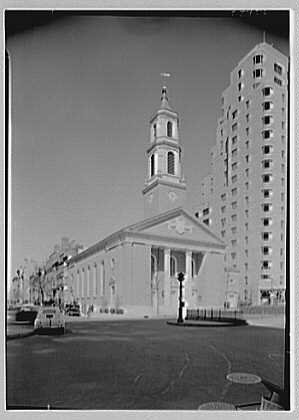
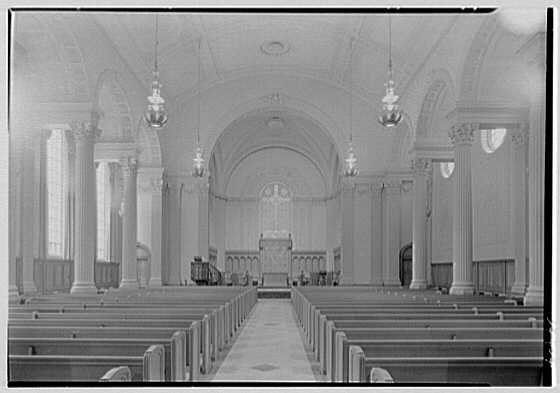
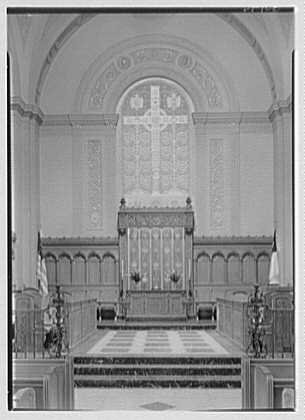
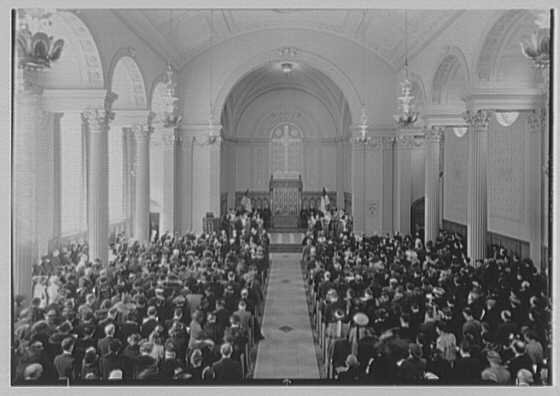
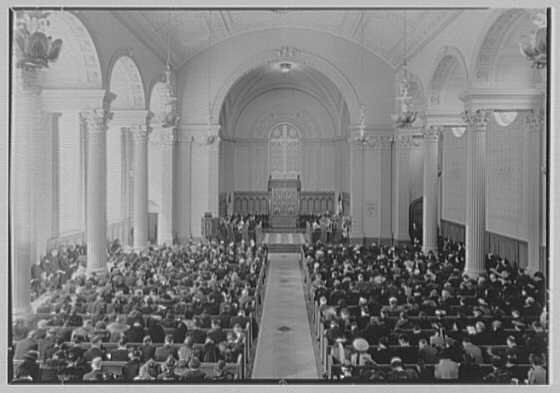
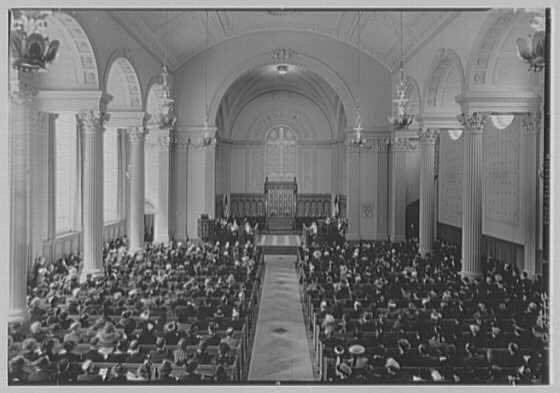
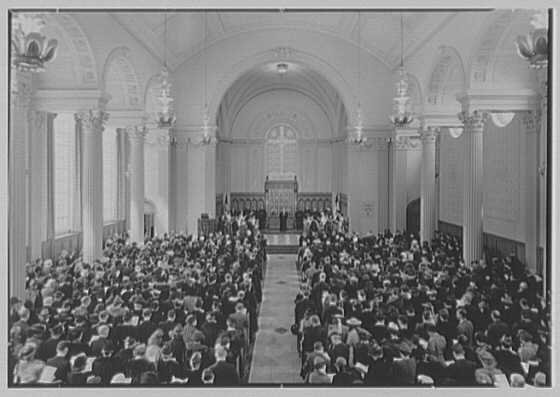
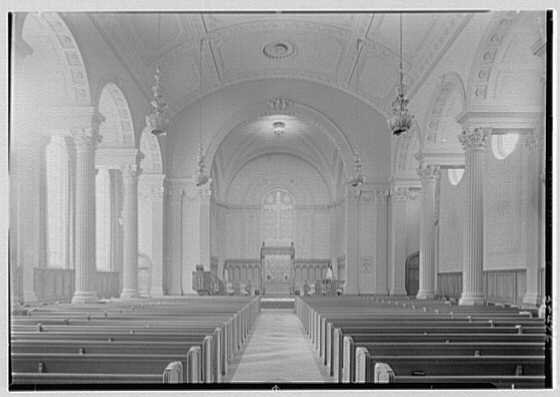
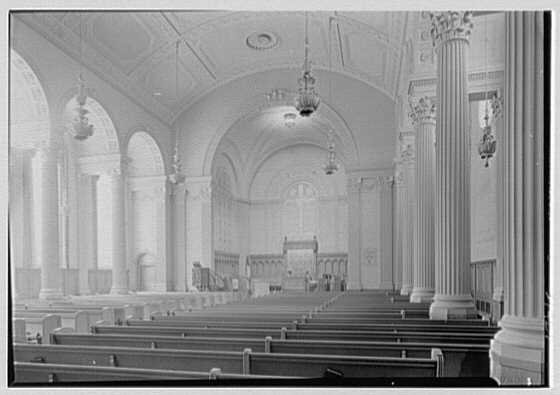
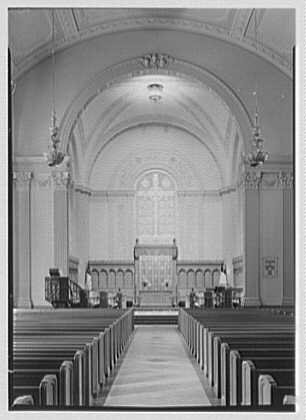
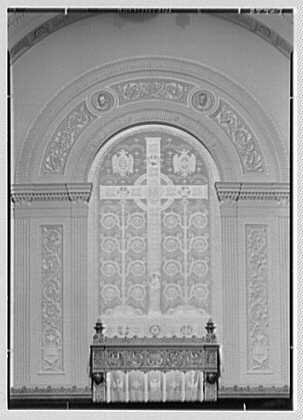
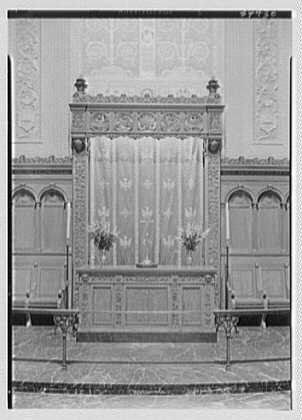
The current sanctuary, designed by York & Sawyer, is a striking example of Georgian Revival architecture. Its red brick exterior, Ionic columns, and iconic spire—housing the original church bell—create a distinctive presence on Park Avenue (Geographic Guide). Inside, the sanctuary is bathed in natural light, with tall arched windows, intricate woodwork, and celebrated stained-glass installations contributing to a serene and inspiring atmosphere (NY Engineers).
Visiting Information
Hours & Admission
- Monday to Friday 9:00 AM – 5:00 PM
- Saturday 10:00 AM – 4:00 PM
- Sunday Open before and after worship services; closed to visitors during services (typically 11:00 AM)
- Admission Free for all visitors. Donations are appreciated. Tickets may be required for special concerts or events (Brick Church Official Website).
Tours & Accessibility
- Guided Tours Available by appointment. Contact the church office via the official website for scheduling.
- Accessibility The church is fully accessible with ramps, elevators, and assistive listening devices. Notify staff in advance for special accommodations.
Travel Tips and Nearby Attractions
- Getting There Subway lines 4, 5, and 6 (86th Street station) and multiple bus routes provide easy access.
- Nearby Attractions Central Park, The Metropolitan Museum of Art, and the Guggenheim Museum are within walking distance.
- Photography Allowed during non-service hours; be respectful of worshippers and private events.
Cultural and Community Significance
Music & Arts
The church is a hub for sacred music and the arts. Its renowned Chancel Choir, Casavant pipe organ, and regular concert series—including performances by groups like The Sebastians—draw audiences from across the city (Sebastians Concerts at Brick Church). A highlight is the annual Good Friday performance of Stainer’s The Crucifixion, a tradition for over a century (New Yorkled).
Social Services & Outreach
Brick Presbyterian Church has a longstanding commitment to community service and outreach. Programs address local needs such as hunger, education, and family support through partnerships, volunteer initiatives, and seasonal drives (Brick Church Announcements). The Brick Church School, founded in 1940, is a highly regarded preschool that serves families from the congregation and surrounding community.
Interfaith and Civic Engagement
The church actively engages in interfaith dialogue, civic events, and neighborhood traditions. The annual Park Avenue Christmas tree lighting, initiated in 1945, honors those lost in America’s wars and brings together people of all faiths for a moving ceremony (New Yorkled).
Memorialization and Preservation
Brick Presbyterian Church is deeply invested in preserving its heritage. The church’s archives document over 250 years of continuous operation (Brick Church History & Archives). After the original Beekman Street churchyard was closed, remains and tombstones were respectfully relocated to Evergreens Cemetery in Brooklyn, where a granite obelisk marks the site (NYC Cemetery Project). Inside the church, commemorative plaques and historical displays share the congregation’s remarkable journey from colonial New York to the present.
Frequently Asked Questions (FAQ)
Q: What are the visiting hours of Brick Presbyterian Church?
A: Monday–Friday: 9:00 AM–5:00 PM; Saturday: 10:00 AM–4:00 PM; Sunday: Open before and after worship services.
Q: Is there an admission fee or tickets required?
A: General admission is free. Tickets may be required for concerts and special events.
Q: Is the church wheelchair accessible?
A: Yes, the church is fully accessible with ramps and elevators.
Q: Are guided tours available?
A: Guided tours are available by appointment. Contact the church office for details.
Q: Can I take photos inside the church?
A: Discreet photography is permitted outside of services and private events.
Q: What nearby attractions can I visit?
A: Central Park, the Metropolitan Museum of Art, and the Guggenheim Museum are all nearby.
Summary & Final Tips
Brick Presbyterian Church is more than a historic landmark—it is a living institution that reflects the spiritual, cultural, and social evolution of New York City. Its Georgian Revival architecture, robust music program, and active community outreach make it a must-visit for anyone interested in the city’s heritage. The church’s open-door policy, free admission, and accessible facilities ensure a welcoming experience for all.
Plan your visit:
- Check the official church website for current hours, event schedules, and tour information.
- Consider attending a service or concert for a deeper appreciation of the church’s vibrant community life.
- Explore nearby attractions to make the most of your day in the Upper East Side.
For more details, visitor resources, and event updates, consult the official site and follow Brick Presbyterian Church on social media. Download the Audiala app for curated guides to New York City’s sacred sites.