
History and Architectural Significance
Origins and Design Philosophy
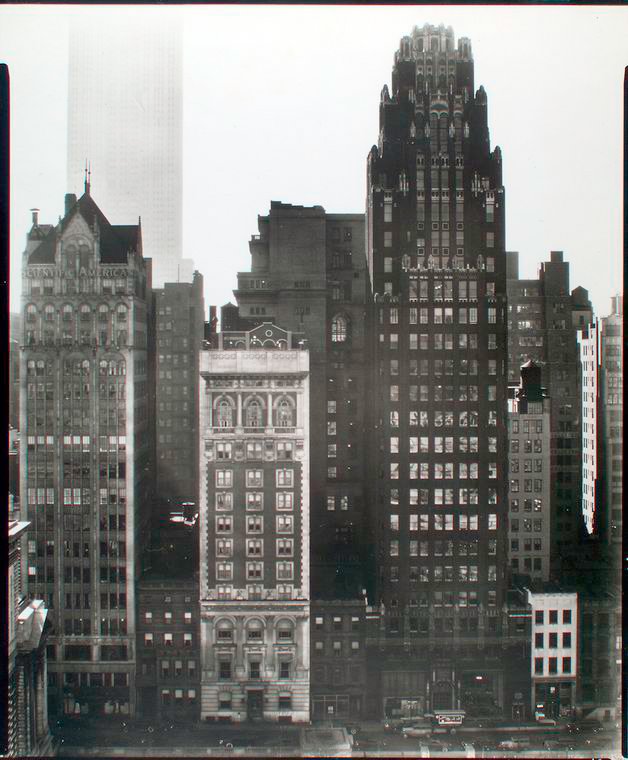
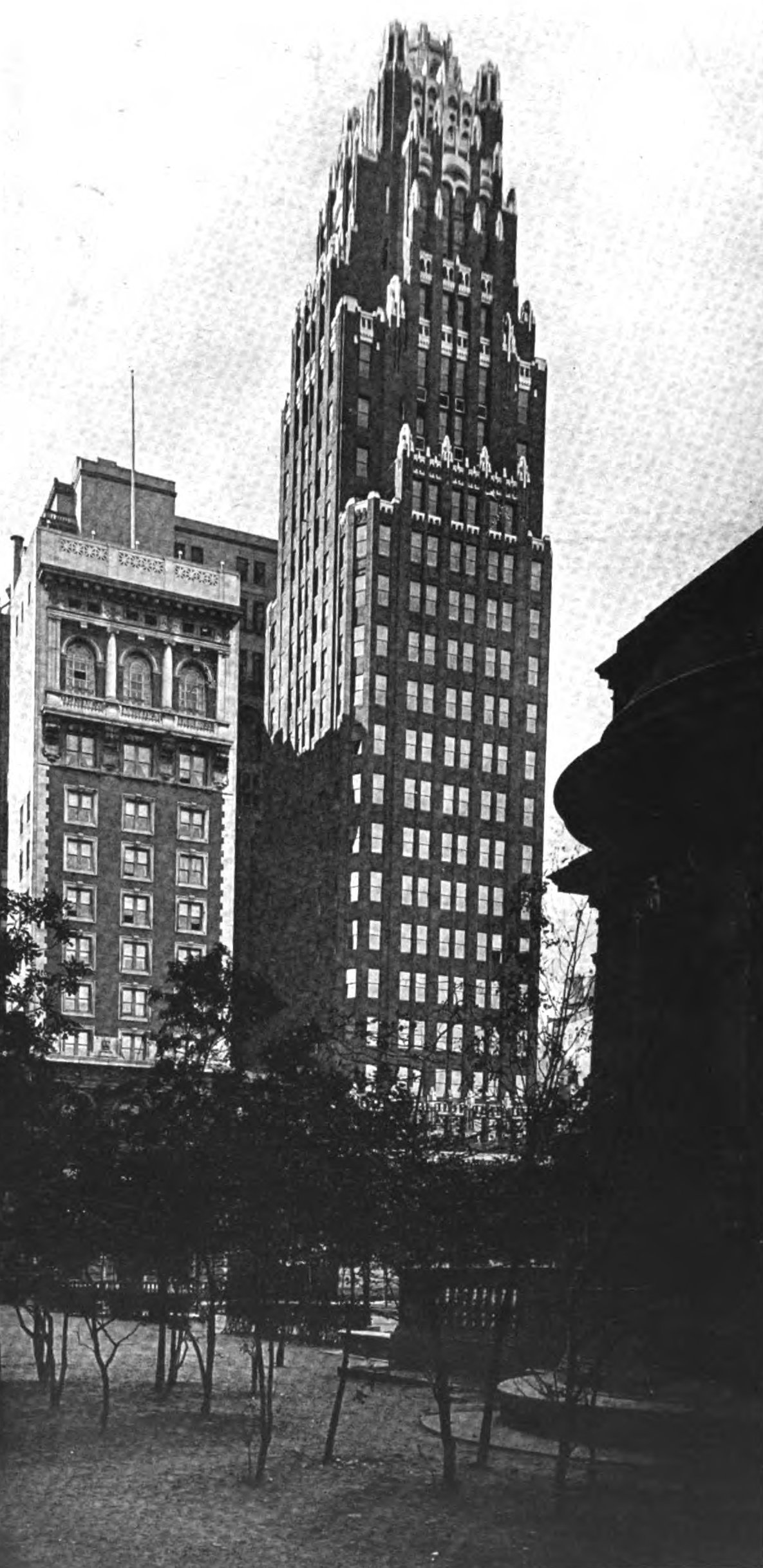
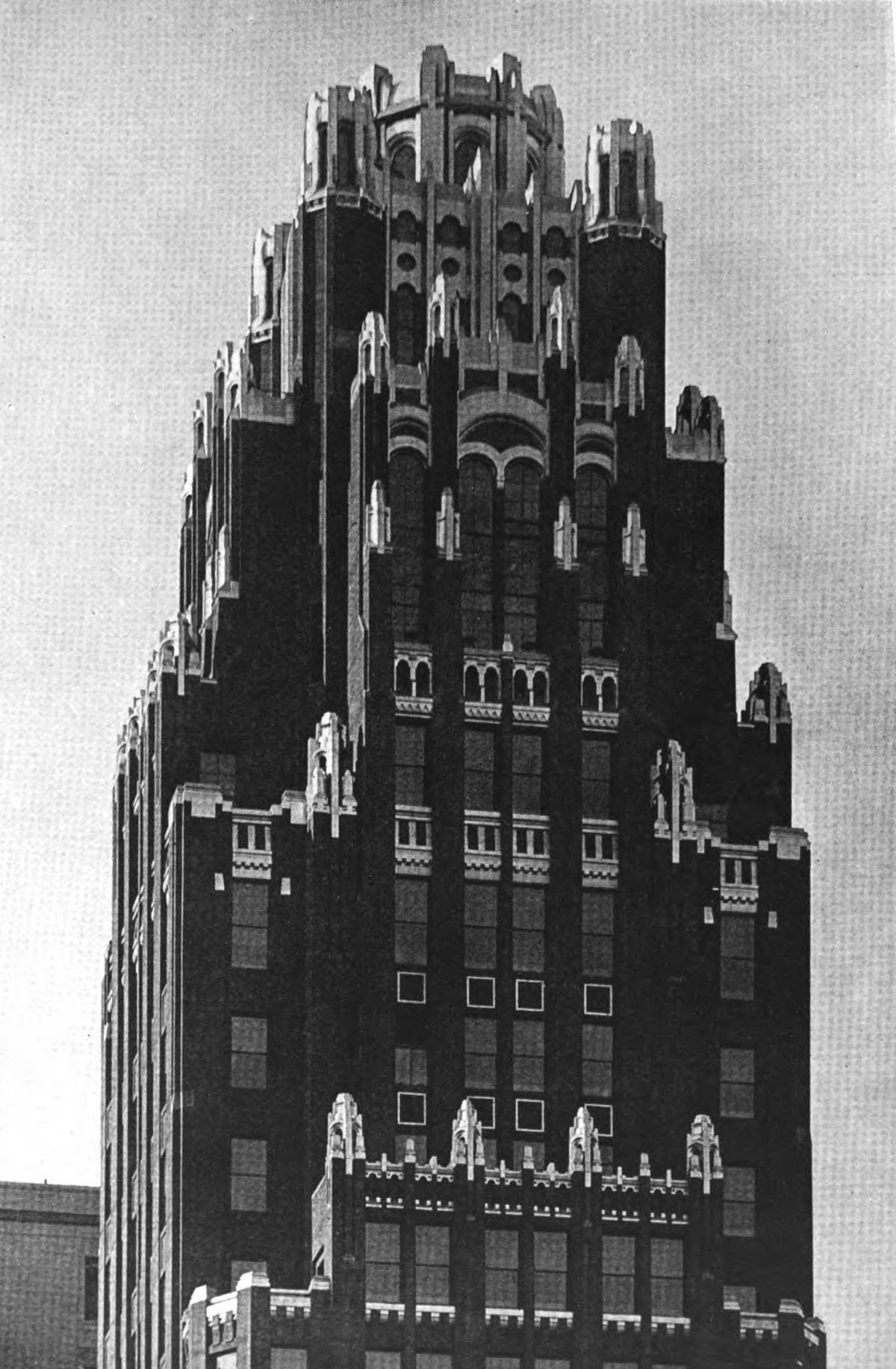
Commissioned by the American Radiator Company, this 23-story skyscraper was designed by Raymond Hood and André Fouilhoux. The architects purposefully broke away from the white masonry typical of early 20th-century towers, creating a bold black brick exterior symbolizing coal, with gold terra cotta accents representing fire—an homage to the company’s products (Wikiwand).
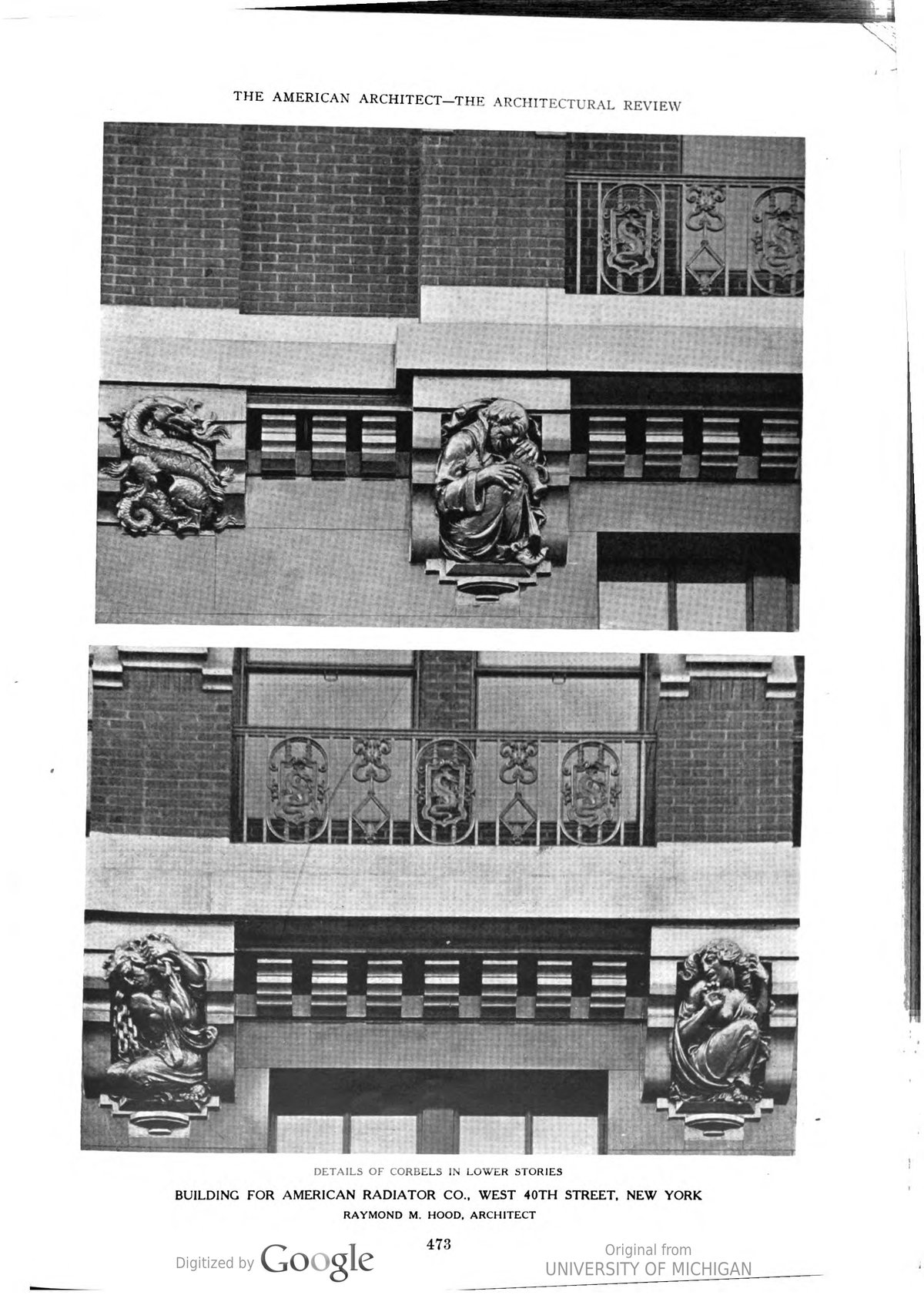
Notable for its setbacks, pinnacles, and gilded crown, the building set a new precedent for skyscraper aesthetics, blending Gothic motifs with the emerging Art Deco style. Sculptor Rene Paul Chambellan’s stylized ornamentation further enhanced the building’s visual impact (Village Preservation).
Influence and Innovation
The use of dark-glazed brick was radical for its time, visually distinguishing the building from its neighbors and influencing icons like the Chrysler Building. The American Radiator Building also pioneered exterior illumination, making it a recognizable beacon in the nighttime skyline (Untapped Cities). Georgia O’Keeffe immortalized its illuminated silhouette in her 1927 painting “Radiator Building – Night, New York” (Wikipedia).
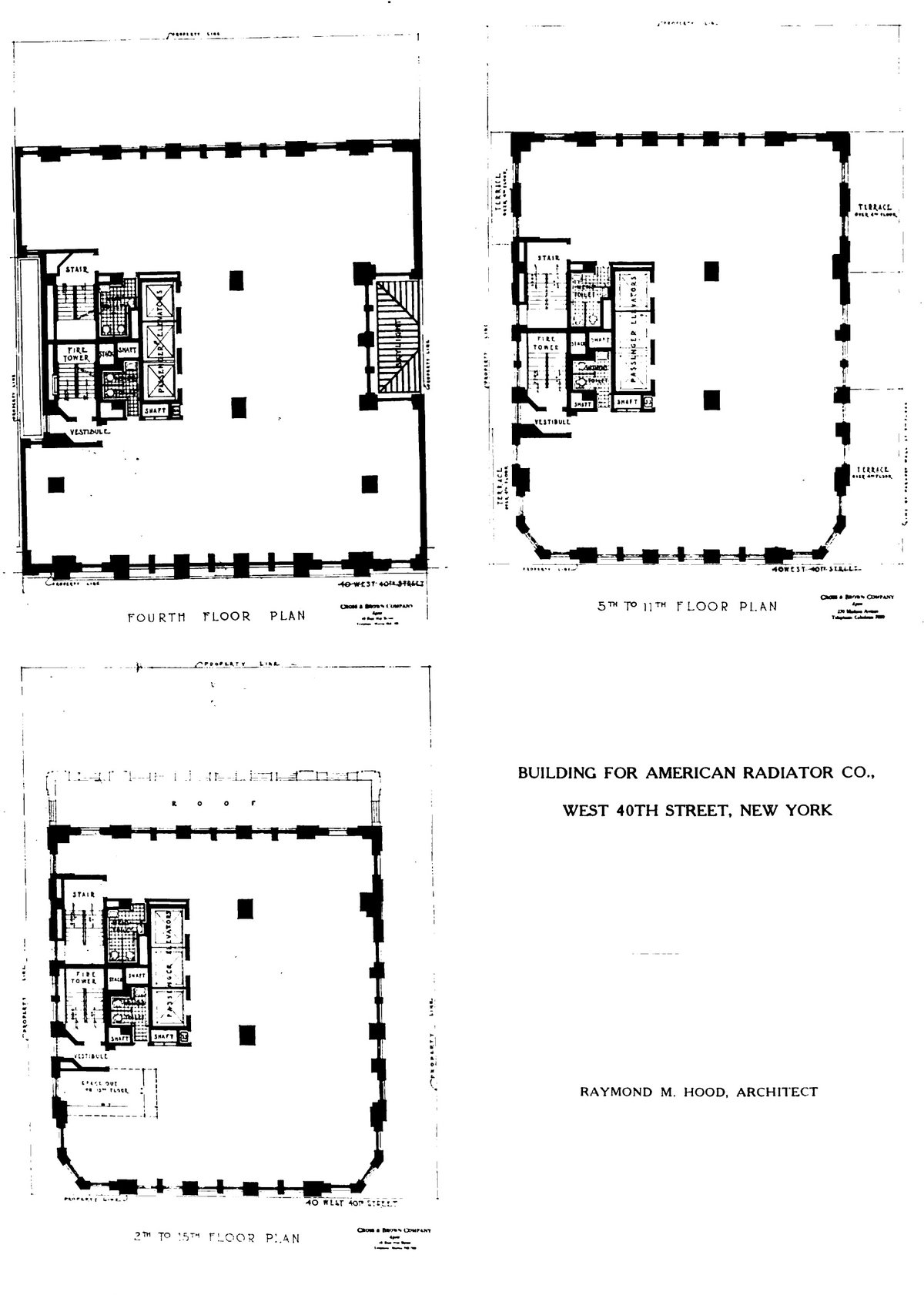
Setbacks in the tower’s design were an innovative response to New York’s 1916 Zoning Resolution, ensuring light and air reached the street below (BuildingsDB).
Visiting Information
Address
- 40 West 40th Street, New York, NY 10018
Hours and Admission
- Hotel Lobby & Public Spaces Open daily, typically from early morning to late evening (generally 7:00 AM to 11:00 PM).
- Exterior Viewing Available at all hours; nighttime offers the best views of the illuminated façade.
- Admission No ticket or fee is required for public spaces (lobby, Cellar Bar). Guest areas and upper floors are reserved for hotel guests.
- Guided Tours No official tours, but the building is featured on many Midtown architectural walking tours. Check Bryant Park Hotel’s website or local providers for current offerings.
How to Get There
- Subway 42nd Street–Bryant Park (B, D, F, M lines); Times Square–42nd Street (7, N, Q, R, W lines)
- Bus Multiple MTA routes serve the area
- Nearby Parking Limited; public transportation is recommended
Nearby Attractions
- Bryant Park Lively public space with seasonal events, winter village, and open lawns
- New York Public Library (Stephen A. Schwarzman Building) Historic landmark adjacent to Bryant Park
- Times Square Iconic destination within a 10-minute walk
- Grand Central Terminal Major transport and architectural landmark a short walk away
Special Events and Guided Tours
The Bryant Park Hotel occasionally hosts cultural events, art exhibitions, and private functions celebrating the building’s history. While there are no regularly scheduled public tours, the building is a featured stop on many architectural walks. Private tours may be arranged through specialized providers (Untapped Cities).
Visitor Experience & Tips
Viewing and Photography
- Exterior Best appreciated from Bryant Park, especially at dusk when the building is dramatically lit
- Photographers The southern and eastern edges of Bryant Park provide excellent vantage points
- Interior The lobby and Cellar Bar are open to the public; photography is allowed, but please respect guests and staff (BuildingsDB)
Interior Highlights
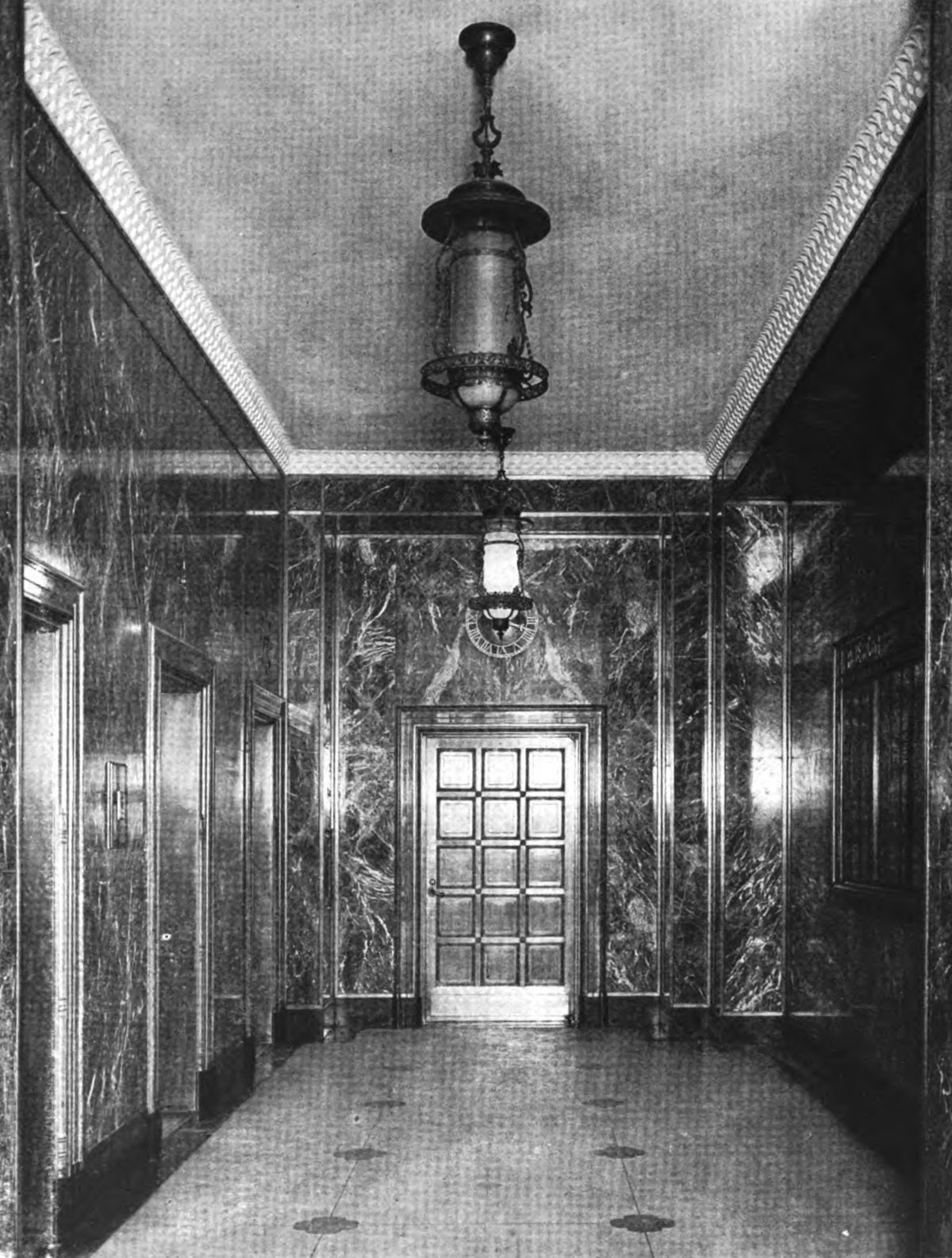
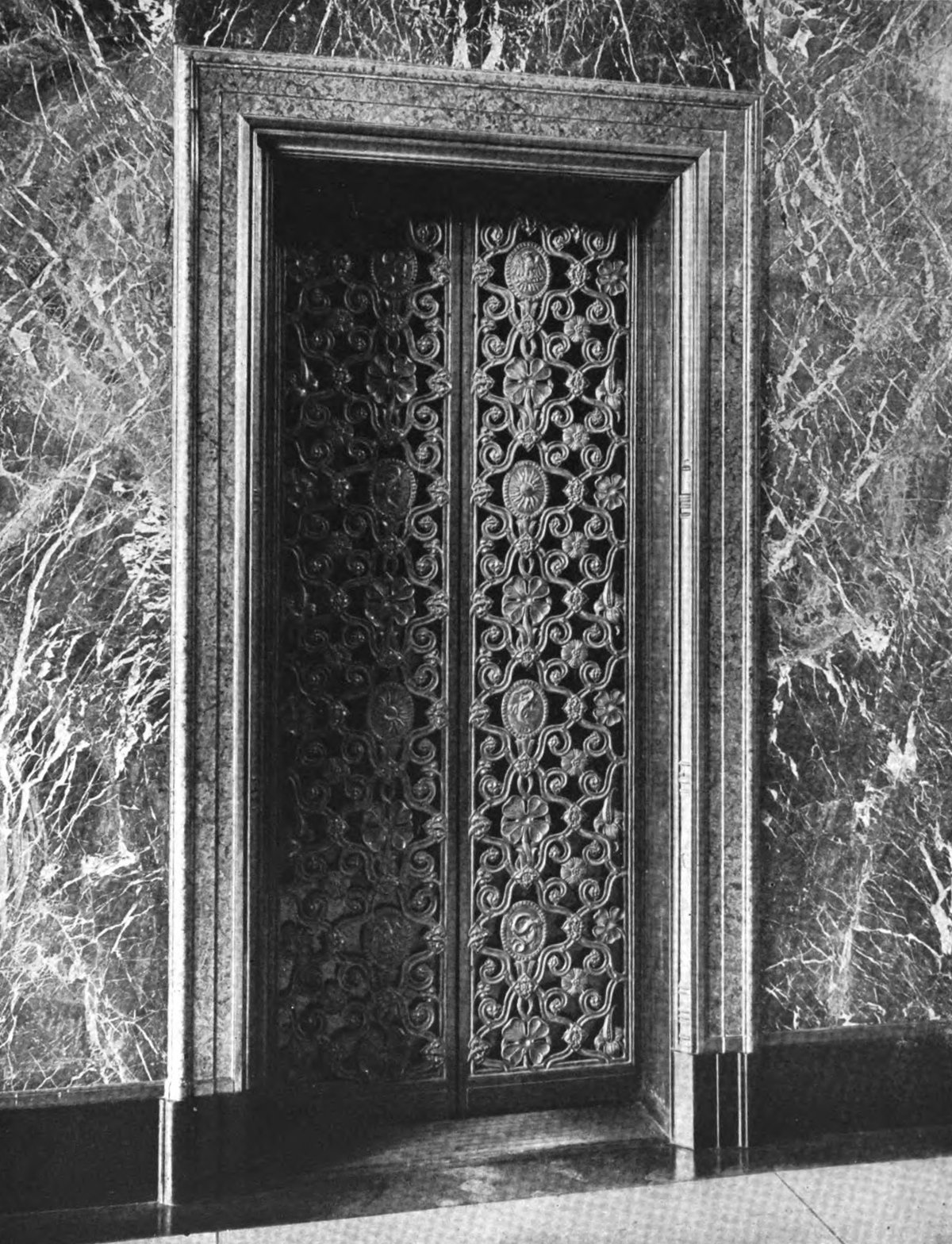
- Lobby Features updated Art Deco elements, black marble, and bronze detailing
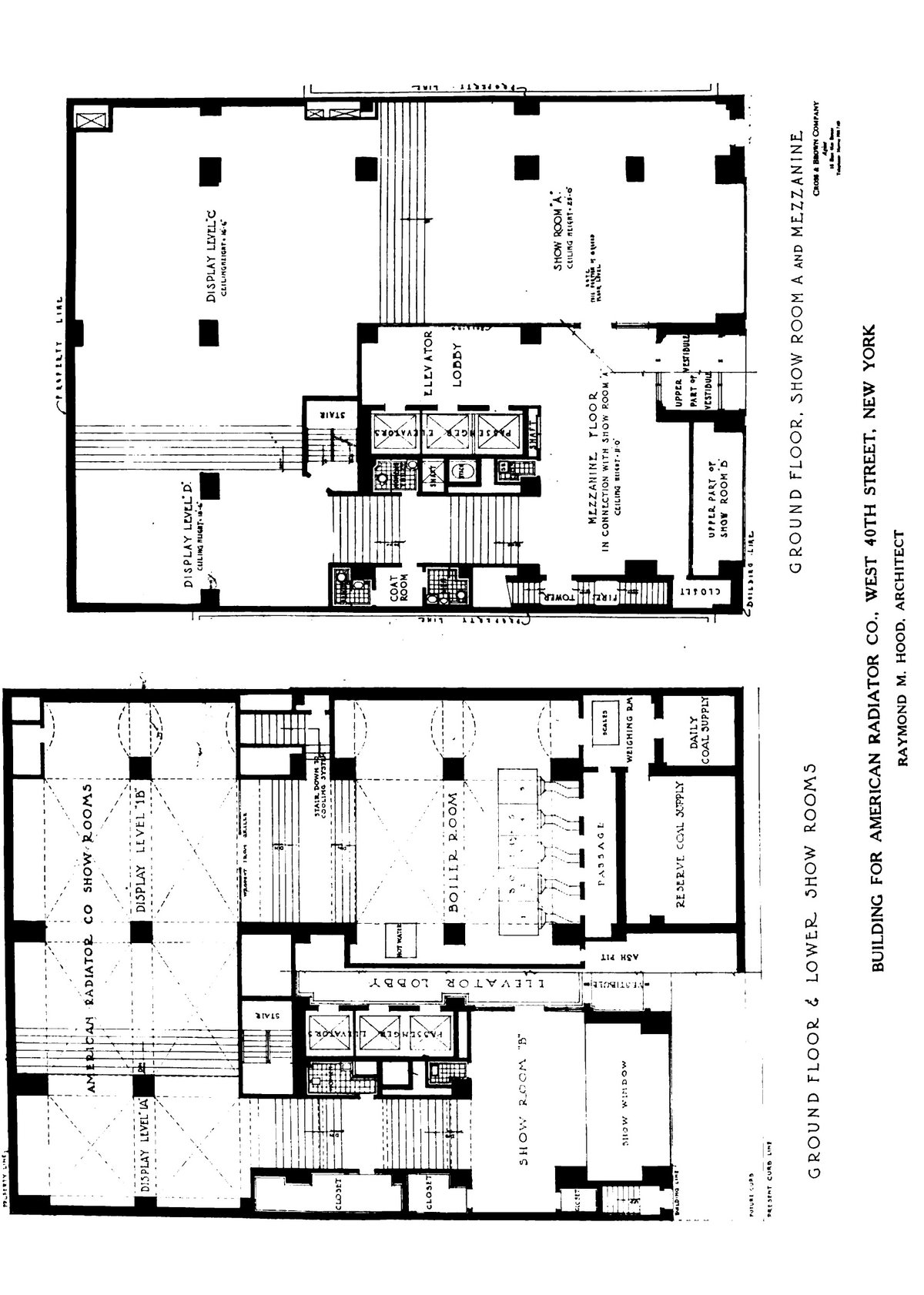
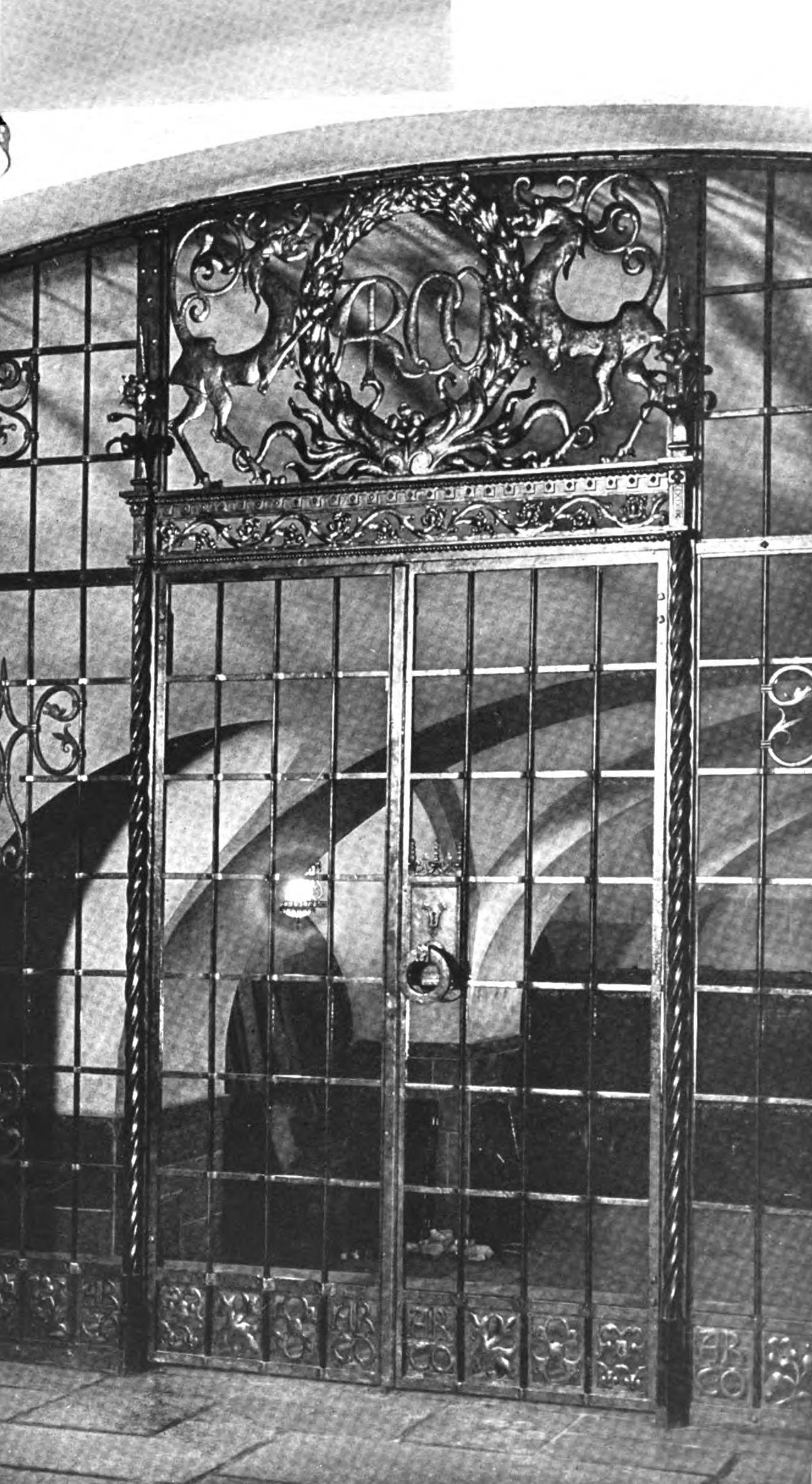
- Cellar Bar Once the company’s boiler showroom, this vaulted, tile-clad bar is open to the public and renowned for its atmosphere
- Movie Theater A 73-seat theater in the sub-basement, accessible during private events
What to Observe
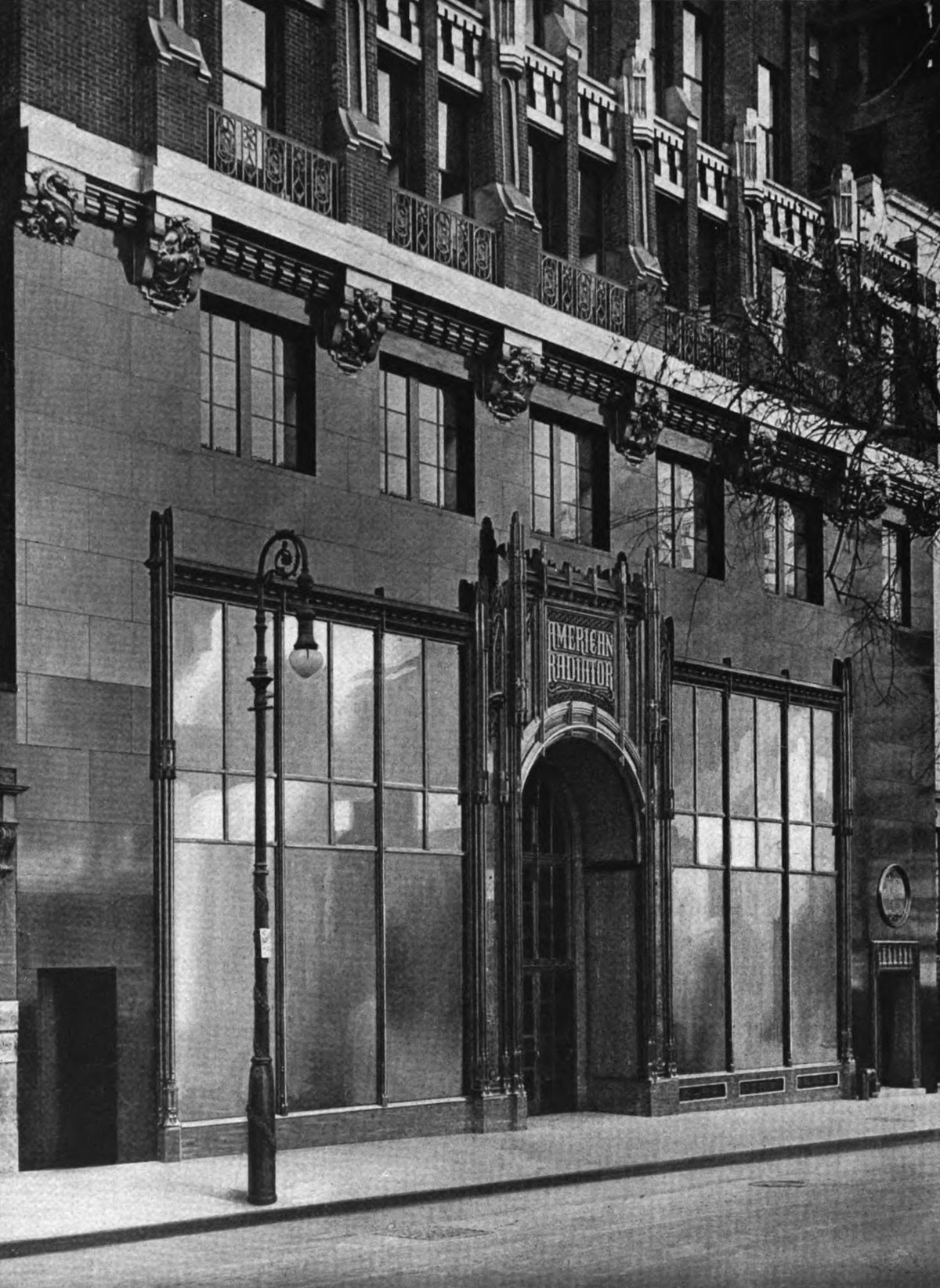
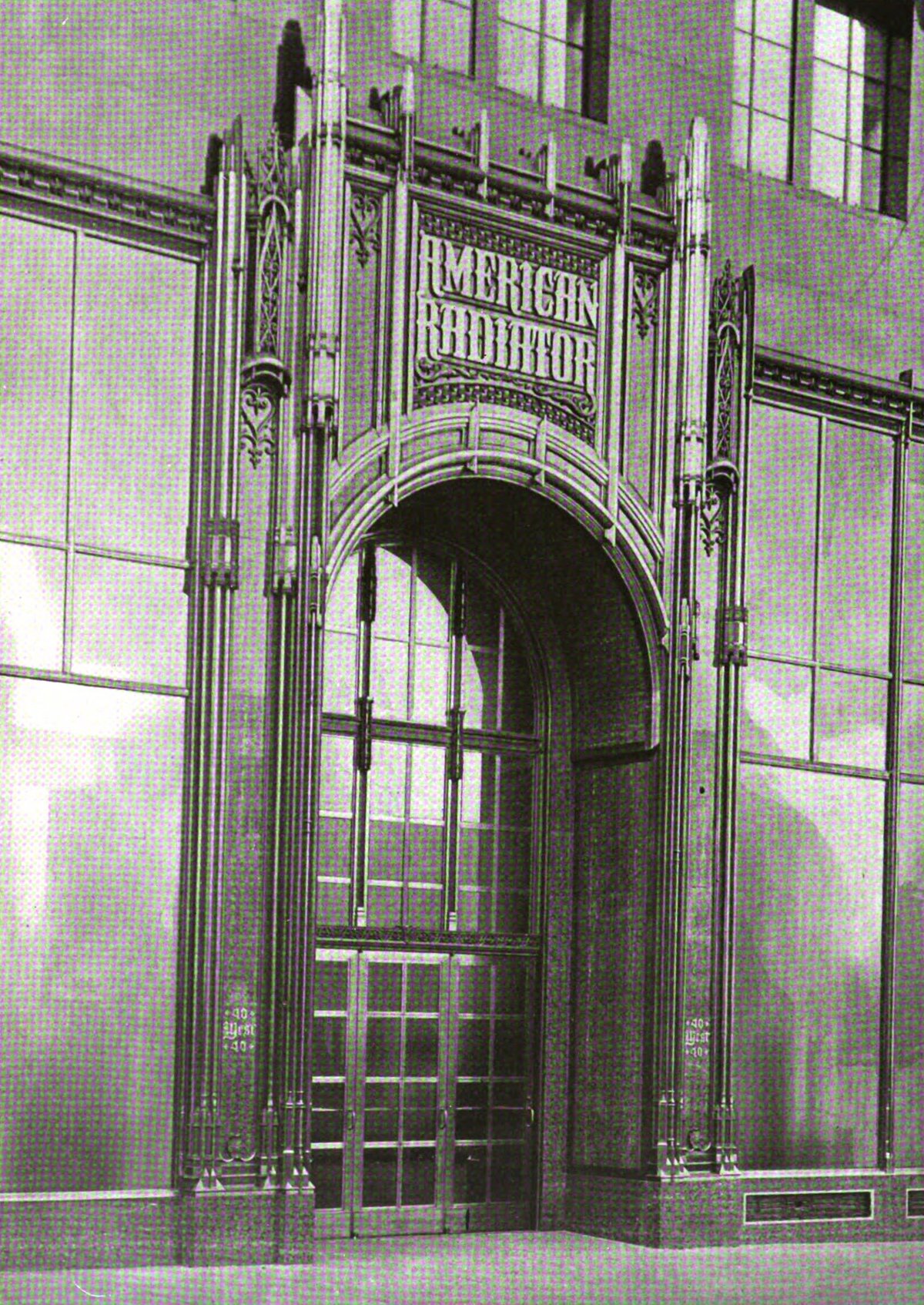
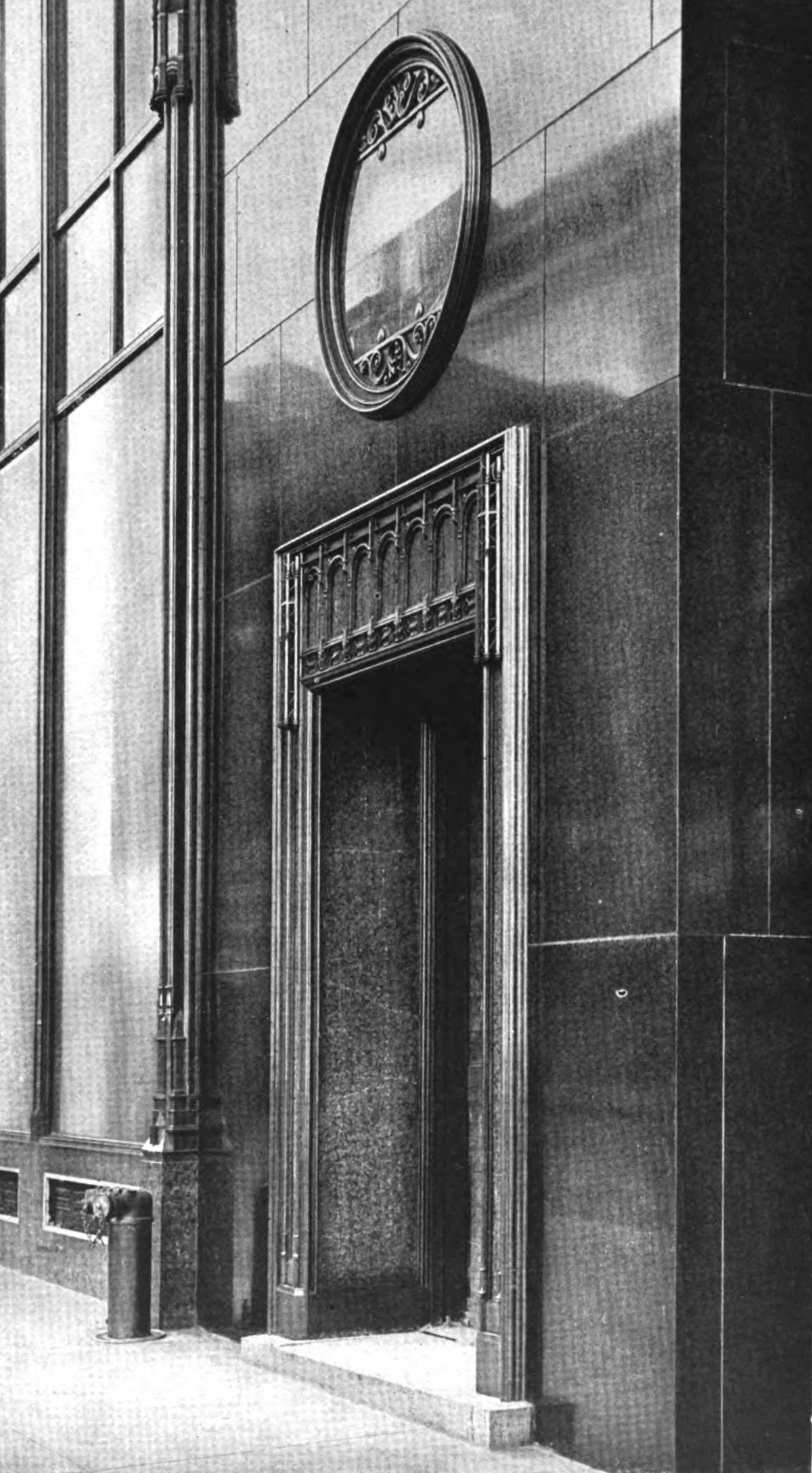
- Entryway Bronze and marble portals on 40th Street, adorned with Gothic pinnacles and grotesques
- Setbacks Designed for maximum light and compliance with 1916 zoning laws
- Material Palette Black brick for mass and drama, gold terra cotta for light and symbolism
Tips
- Best Time to Visit Late afternoon to evening for the façade’s full illuminated effect
- Dress Comfortably Midtown is best explored on foot
- Combine Visits Pair with Bryant Park, New York Public Library, and Times Square for a full Midtown experience
- Hotel Stay Book a room for complete building access
- Accessibility Elevators, accessible entries, and restrooms are available
Accessibility and Amenities
The Bryant Park Hotel is fully accessible, with elevators and barrier-free entrances. The Midtown neighborhood offers diverse dining, shopping, and entertainment options nearby (BuildingsDB).
Frequently Asked Questions (FAQ)
Q: Is the American Radiator Building open to the public?
A: Yes, public areas of the Bryant Park Hotel (lobby, Cellar Bar) are open to non-guests during operating hours. There is no access to guest rooms or upper floors without a reservation.
Q: Do I need tickets to visit?
A: No tickets are required for public hotel spaces. Guided tours may require advance booking with third-party providers.
Q: What are the building’s hours?
A: Public areas are generally open from 7:00 AM–11:00 PM. Confirm on the hotel website for up-to-date hours.
Q: Is the hotel accessible for those with disabilities?
A: Yes, the hotel has accessible entrances and facilities.
Q: Where is the best place to view and photograph the building?
A: Bryant Park provides the best exterior views, especially at dusk and evening.
Visuals and Media
- Suggested: Photo gallery of façade details and historic images
- Virtual tour: Explore the lobby and public spaces via Bryant Park Hotel’s website
Discover More
A visit to the American Radiator Building—whether for its architectural grandeur, historical resonance, or modern hospitality—offers an unparalleled window into New York City’s creative and cultural evolution. Its pioneering design continues to inspire, while its adaptive reuse as the Bryant Park Hotel preserves an essential piece of the city’s skyline.
Before your visit, check the Bryant Park Hotel website for the latest information on hours and public spaces. Make sure to explore nearby Midtown landmarks and, for a deeper dive into New York’s heritage, download the Audiala app for self-guided tours, insider tips, and more on the city’s historic treasures.