What 24th Street is
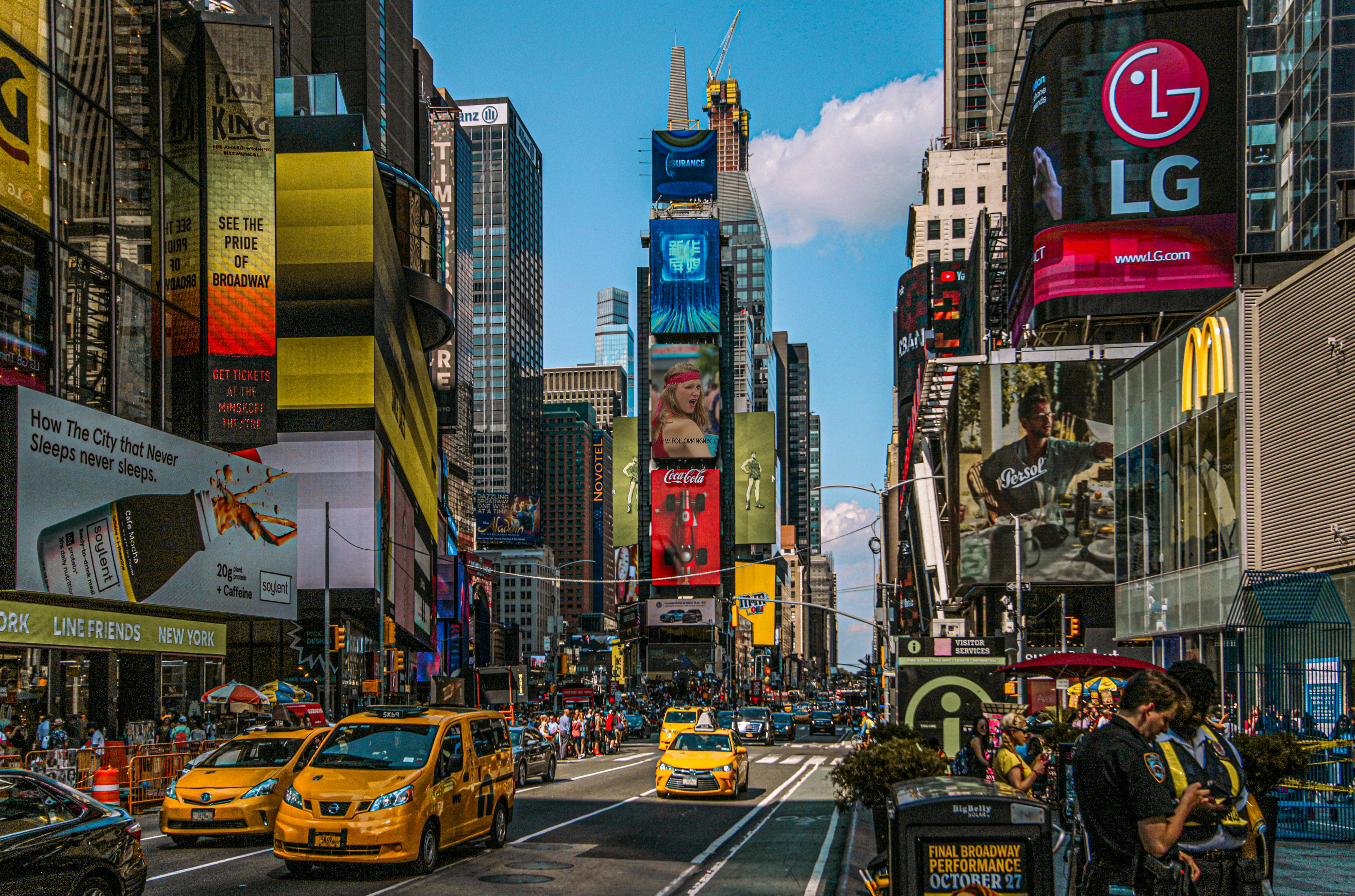
24th Street in Manhattan is a corridor shaped by more than two centuries of New York City history, culture, and urban change. Created as part of the 1811 Commissioners’ Plan, it runs through an area associated with Chelsea, Flatiron, and Kips Bay. Along and around the street are architectural landmarks, Madison Square Park, art galleries, and contemporary destinations including the High Line and Chelsea Piers.
Successive waves of immigration in the 19th and 20th centuries contributed to the area’s multicultural character. Today, its galleries, dining, and urban spaces reflect a mix of historic and contemporary influences. For historical context, see Local Histories, the Flatiron District official site, and NY Songlines.
History
Early origins and the Manhattan grid
The foundation of 24th Street lies in the Commissioners’ Plan of 1811, which imposed a rectilinear street grid on Manhattan. Before the plan, lower Manhattan had irregular, winding streets that followed the island’s natural contours. Implementing the grid required leveling terrain and carving streets, including 24th Street, through farms and estates. The change helped transform Manhattan from a rural outpost into a rapidly expanding metropolis (Time Magazine; Local Histories).
19th-century development and immigration
As New York’s population grew during the 19th century, residents moved northward and neighborhoods including Chelsea, Flatiron, and Kips Bay emerged. Madison Square Park opened in 1847, helping establish the area as a fashionable residential and commercial hub and spurring the construction of hotels, theaters, and grand apartment buildings (Local Histories).
In the late 19th century, immigrants from Germany, Ireland, Italy, and Eastern Europe settled around 24th Street. Affordable housing, social clubs, and houses of worship supported these communities, which left a lasting imprint on the neighborhood (Local Histories).
20th-century transformation
The Flatiron District rose to prominence in the early 20th century. The Flatiron Building, at 23rd Street and Fifth Avenue, was completed in 1902 and became a symbol of architectural innovation. The Metropolitan Life Tower, built in 1909, was once the world’s tallest building. The nearby Fifth Avenue Hotel and the tower contributed to the area’s commercial significance (Flatiron District official site).
The early 20th century also brought rapid commercialization, skyscrapers, offices, and the nearby Garment District. Streetcars, elevated trains, and subways made 24th Street more accessible and further embedded it in city life (NY Songlines).
Mid-20th-century urban renewal brought both preservation and redevelopment. Some historic buildings were repurposed, while others made way for new architecture. Efforts to maintain the character of Chelsea and the Flatiron District have helped preserve a blend of historic and contemporary influences.
Historical milestones
- 1811 The Commissioners’ Plan lays out Manhattan’s grid, including 24th Street (Time Magazine).
- 1847 Madison Square Park opens, spurring area development.
- Late 19th century Immigration reshapes the neighborhood.
- 1902 The Flatiron Building is completed at 23rd Street.
- 1909 The Metropolitan Life Tower is built.
- 20th century–present Modernization, preservation, and cultural innovation continue.
24th Street reflects Manhattan’s transformation from rural farmland to a hub of art, commerce, and community, and offers a living chronicle of urban change (It Happened Here).
What to see
Flatiron Building and Madison Square Park
The Flatiron Building’s striking exterior remains a favorite with visitors and photographers. Madison Square Park was a focal point for public gatherings and cultural events. The park is open daily from 6:00 AM to 11:00 PM (Madison Square Park Conservancy).
Chelsea galleries and the James Whitely House
West 24th Street is home to Chelsea art galleries, including Gagosian Gallery, open Tues–Sat, 10 AM–6 PM, and C24 Gallery (Sideways NYC).
At 137 West 24th Street, the James Whitely House is a preserved late-19th-century brownstone illustrating Chelsea’s evolution from a residential enclave to a cultural district (Daytonian in Manhattan). It hosts lectures, art exhibitions, and seasonal events. The house is described as accessible for tours and educational events.
Visiting information
Hours and accessibility
- Madison Square Park Open daily, 6:00 AM–11:00 PM; wheelchair accessible.
- Flatiron Building Exterior viewing only, available at any time; there are no public interior tours.
- Metropolitan Life Tower Exterior viewing is available; access may be restricted.
- High Line Open daily, 7:00 AM–11:00 PM; fully wheelchair accessible (High Line official site).
- James Whitely House Open Tuesday–Sunday, 10:00 AM–5:00 PM. Wheelchair ramps and elevators are available. Non-flash photography is permitted; flash and tripods are prohibited indoors.
Most public spaces and galleries are wheelchair accessible.
Tickets and tours
Most landmarks and parks are free to visit. Guided walking tours of the Flatiron District, Chelsea galleries, and 24th Street’s history are available from local operators for $20–$40; booking in advance is advised.
Admission to the James Whitely House is free, with donations appreciated. Guided tours are offered on weekends at 11:00 AM and 3:00 PM; reserve online via the Chelsea Historical Society or on-site if available. Special exhibitions or tours may require an advance reservation or a small fee.
Getting around
The area is accessible by subway lines N, R, W, 6 (23rd Street), 1, C, E, F, M, and multiple bus routes. Walking and Citi Bike are convenient ways to explore the street and its surroundings. The James Whitely House is accessible by subway via A, C, E, L at 23rd Street.
Tips
Weekday mornings or late afternoons are suggested for fewer crowds and good lighting for photography. Non-flash photography is permitted inside the James Whitely House, but flash and tripods are prohibited. Check the house’s official website for details of its lectures, exhibitions, and seasonal events.
For updates on exhibitions, events, and visitor information, download the Audiala app and follow related social media channels. Information is also available from Madison Square Park Conservancy, the High Line official site, and Chelsea Market.
Nearby places
- High Line An elevated park with art installations and city views.
- Chelsea Piers A sports and recreation complex (Chelsea Piers).
- Chelsea Market A food hall and shopping destination (Chelsea Market).
- Chelsea Gallery District and Chelsea Market Within walking distance of the James Whitely House (Secret NYC).
- Dining Nearby options range from Michelin-starred 11 Madison Park (11 Madison Park) to the casual eateries at Chelsea Market.
FAQ
What are the best times to visit 24th Street?
Weekday mornings or late afternoons offer fewer crowds and good lighting.
Are guided tours available?
Yes. Several companies offer walking tours focused on art, architecture, and history.
Is 24th Street wheelchair accessible?
Most public spaces and galleries are wheelchair accessible. Madison Square Park and the High Line are wheelchair accessible, and the James Whitely House has ramps and elevators.
Are tickets required for parks or galleries?
Most are free. Special exhibitions or tours may require an advance reservation or a small fee.
What dining options are nearby?
Options range from Michelin-starred 11 Madison Park to Chelsea Market’s casual eateries.