
19 Dutch and Lower Manhattan
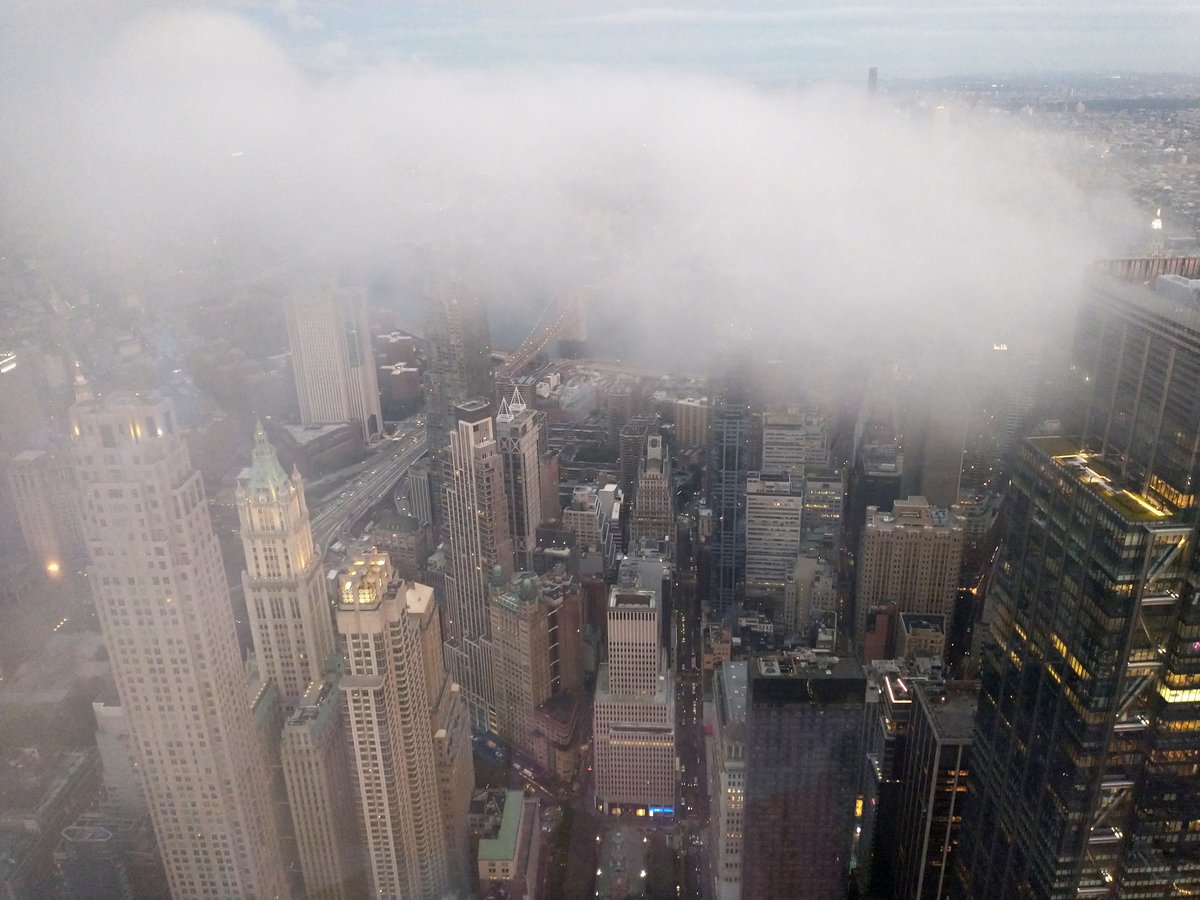
19 Dutch is a contemporary residential skyscraper at 19 Dutch Street in Lower Manhattan’s Financial District. Completed in 2019, the 63-story, 770-foot tower has 483 residential units and retail at street level (Wikipedia; Guide.in.ua). Its location places it near downtown attractions and transit hubs.
The Financial District is a modern urban center shaped in part by its Dutch colonial origins. 19 Dutch brings those origins into a contemporary setting and stands within a district undergoing ongoing revitalization (official NYC history site; Architect Magazine).
History
Dutch New Amsterdam
In 1624, the Dutch West India Company established New Amsterdam at Manhattan’s southern tip, making use of its harbor and access to inland waterways. The settlement laid commercial foundations for what became New York City (official NYC history site).
Peter Minuit’s 1626 acquisition of Manhattan from the Lenape people for 60 guilders, though historically debated, marks the beginning of European urbanization in the region.
The Dutch laid out a grid and street plan that still defines Lower Manhattan. Stone and Pearl streets are direct legacies of New Amsterdam’s original design (Lower Manhattan Dutch heritage walking tours). Most original Dutch buildings are gone, but the street plan and some architectural details remain, as maps such as the 1660 Castello Plan show (DutchReview; Walk This Way NYC).
The fur trade, particularly beaver pelts, drove New Amsterdam’s economy; its legacy is symbolized in New York’s official flag and seal. The Dutch patroonship system, which granted large estates to settlers, influenced early land ownership and agricultural development.
Cultural and social legacy
Dutch names endure in places such as Harlem (Haarlem), Brooklyn (Breukelen), and Bowery (Bouwerij). Dutch customs such as Sinterklaas evolved into the American tradition of Santa Claus, while Pinkster, a spring festival, reflects colonial-era cultural blending. Dutch religious tolerance attracted diverse communities, including Jews and Huguenots, contributing to New York’s multicultural identity.
19 Dutch’s development
19 Dutch was developed by Carmel Partners and designed by GKV Architects, with SLCE Architects as architect of record. It includes 97 affordable units as part of New York City’s mixed-income housing initiatives (Architect Magazine). Pontegadea acquired the property for $500 million in 2022 (Wikipedia).
What to see
19 Dutch’s design and amenities
The building’s glass façade takes inspiration from the Dutch Golden Age and creates striking light effects (Architect Magazine). The slender tower offers panoramic views and has retail at ground level. Residences feature floor-to-ceiling windows, modern fixtures, and open layouts.
Amenities include a 24-hour attended lobby, media center, chef’s kitchen, billiards, library, children’s playroom, fitness club, and rooftop terrace with 360° views (Guide.in.ua). Regular events and curated activities foster a resident community.
Dutch heritage sites
- Wall Street and Bowling Green Wall Street began as a Dutch-built defensive barrier and is now an international financial hub. Bowling Green, once a cattle market, is New York’s oldest public park.
- Fraunces Tavern A 1719 structure with Dutch influences that now houses a museum and restaurant.
- St. Mark’s Church in-the-Bowery Built on Peter Stuyvesant’s chapel site, the church is a relic of Dutch religious heritage.
- Stone Street A historic cobblestone lane with preserved buildings, now a culinary hotspot (Secret NYC).
- Wall Street landmarks The street is home to the NYSE, Federal Hall, and the Charging Bull sculpture.
- Fulton Street and South Street Seaport The 19th-century waterfront includes museum ships and gourmet dining (South Street Seaport Museum).
- Wyckoff House in Brooklyn The oldest Dutch colonial home in New York State (Veronika's Adventure).
19 Dutch Monument
The 19 Dutch Monument honors New York’s Dutch colonial founders with inscriptions and sculptures depicting moments from the city’s early history. It serves as an educational site and a focal point for Dutch heritage celebrations.
Practical visiting information
19 Dutch
There are no general public tours of 19 Dutch. Ground-floor retail is open during regular business hours. There is no public ticketing or entry fee for retail access; private tours of available units can be arranged by appointment through the leasing office.
Leasing office hours:
- Monday–Thursday: 9 a.m.–6 p.m.
- Friday: 8 a.m.–5 p.m.
- Saturday: 10 a.m.–5 p.m.
- Sunday: 12 p.m.–5 p.m.
The building is ADA-compliant. Contact the leasing office for accommodations. Rooftop access is restricted to residents and guests; visitors can inquire about it during tours.
Sites and attractions
- Bowling Green Park Open daily, 6 a.m.–1 a.m.; free and fully accessible.
- Fraunces Tavern Museum Tuesday–Sunday, 11 a.m.–5 p.m.; admission is $10 for adults and free for children under 12. The museum is wheelchair accessible.
- St. Mark’s Church in-the-Bowery Tours and services are by appointment; free, with partial accessibility.
- 19 Dutch Monument Open daily, 8 a.m.–8 p.m. Admission is free; guided tours are available for a fee. Guided-tour tickets can be purchased online or at the visitor center. The site is wheelchair accessible, with assistance available on request.
- One World Observatory Open daily, 9 a.m.–9 p.m.; tickets from $43 (One World Observatory).
- 9/11 Memorial & Museum Open Thursday–Monday, 10 a.m.–5 p.m.; admission is $26, with free admission on Tuesdays after 5 p.m. (9/11 Memorial & Museum).
- Trinity Church Open daily, 8 a.m.–6 p.m.; accessible entrances (The Wall Street Experience).
- Battery Park Open daily, 6 a.m.–1 a.m. Castle Clinton is the ferry point for the Statue of Liberty and Ellis Island (Battery Park).
- Staten Island Ferry Runs 24/7; free and accessible (Staten Island Ferry).
- Brookfield Place Shopping and dining; open 10 a.m.–8 p.m.
Getting around
19 Dutch is accessible by subway lines 2, 3, 4, 5, A, C, J, and Z, with nearby stops. One World Trade Center and South Street Seaport are a short walk away (NYC.com Visitor Guide). The Financial District also has numerous subway lines and ferry routes (Corcoran).
Tips
- Book Dutch heritage walking tours through GetYourGuide or Viator. Specialized history walks can be booked in advance (The Wall Street Experience).
- Museums to visit include the Museum of the City of New York and the National Museum of the American Indian.
- Photo spots include Wall Street, Stone Street, Fraunces Tavern’s façade, and the 19 Dutch Monument plaza at sunset. The monument’s sculptures and inscriptions are also subjects for detail photographs, while City Hall Park and the Oculus provide urban backdrops.
- The monument area is suited to walking; comfortable shoes are useful, especially on cobblestone streets. Bring a camera for skyline and monument views.
- Check the monument’s scheduled events or closures before visiting. Annual events include Dutch Heritage Day in October and walking tours during New York City History Month. “5 Dutch Days 5 Boroughs” offers Dutch-themed festivities in November.
- Retail and dining offerings at 19 Dutch can change; confirm current options with the leasing office. Respect resident privacy when photographing the exterior, and behave respectfully in shared spaces (Guide.in.ua).
- Weekdays are livelier in the Financial District; weekends may be quieter in the business core. Early weekday mornings are the least crowded. Consult attraction hours and ticket options before visiting, and interactive tools such as the Audiala app can be used while exploring.
Nearby places
- City Hall Park A nearby green space.
- The Oculus An architectural landmark and transit hub.
- Tribeca Art galleries and dining.
- Battery Park City Riverside parks.
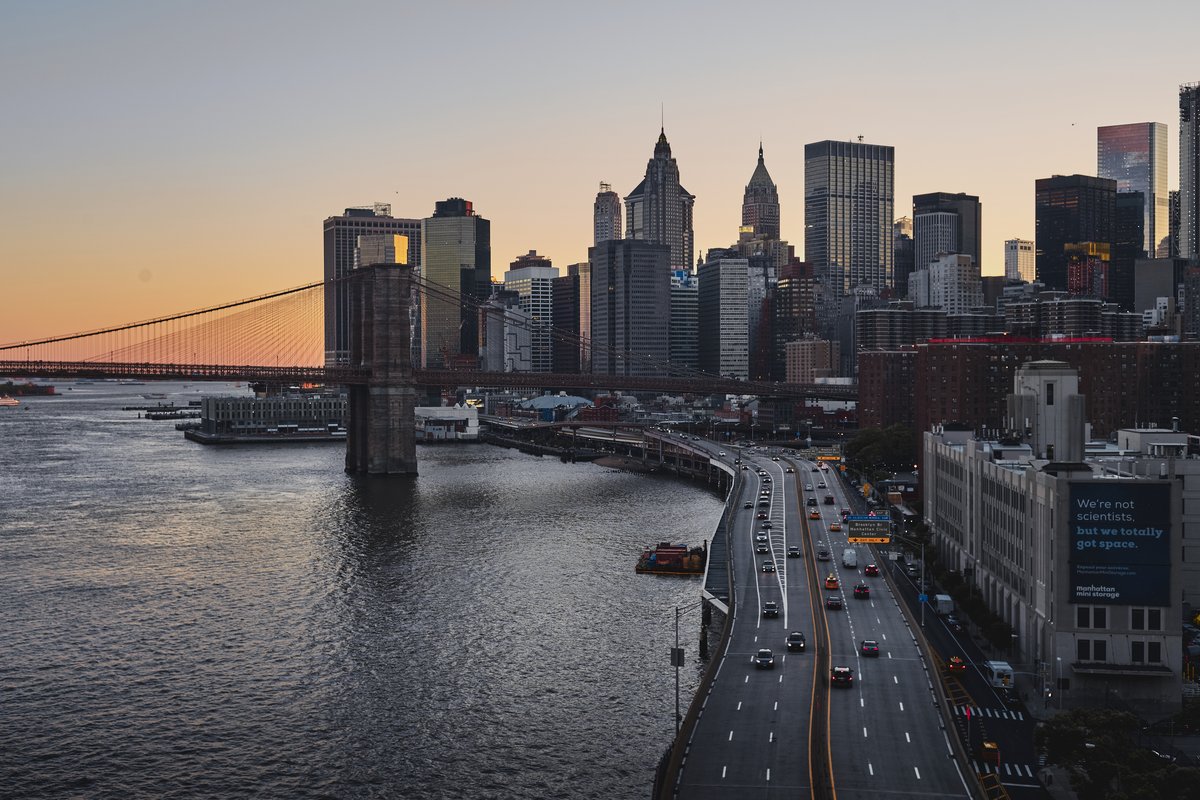
- Brooklyn Bridge A scenic walk to Brooklyn (Loving New York).
- Dining Stone Street, Tin Building, and rooftop venues (New York Dearest).
FAQ
Dutch heritage sites
What are Fraunces Tavern’s hours?
Tuesday–Sunday, 11 a.m.–5 p.m.
Are guided Dutch heritage tours available?
Yes. Several companies offer walking tours focused on history and landmarks.
Are the sites accessible?
Major attractions are wheelchair accessible, and sites such as Fraunces Tavern and Bowling Green are accessible. Fraunces Tavern is wheelchair accessible; St. Mark’s Church has partial accessibility. Check individual sites for details.
Are there admission fees?
Outdoor sites are free. Museums such as Fraunces Tavern have modest fees.
19 Dutch
Can I tour 19 Dutch?
Private tours of available units are available by appointment through the leasing office.
Is there an entry fee?
No. Retail access is free; tours require appointments.
Is 19 Dutch accessible?
Yes. The building complies with ADA requirements.
Financial District
What hours are Financial District attractions open?
Most open 9 a.m.–6 p.m.; check individual sites for current hours.
How do I buy attraction tickets?
Online purchase is recommended.
Are guided tours available?
Yes. Many focus on history and landmarks.
When is it least crowded?
Early weekday mornings.