Introduction
The first time the subway doors open and you smell warm pretzels, hot metal, and rain on pavement, you understand why New York City still surprises even those who have lived here for decades. In the United States of America, this is the place where density and diversity are not marketing slogans but daily friction: 8.8 million people arguing, creating, and sharing sidewalks in a city that never quite finishes becoming itself.
What moves you here is rarely the postcard landmarks alone. It is the echo of a jazz trumpet drifting up a stairwell on a warm night in the Village, the particular slant of late-afternoon light between the skyscrapers of Lower Manhattan, or the quiet satisfaction of finding the perfect slice of pizza at 2 a.m. after a long day of walking. The city rewards those who treat it like a conversation rather than a checklist.
New York’s genius lies in its contradictions. You can spend the morning inside the hushed medieval gardens of The Met Cloisters and the evening shoulder-to-shoulder at a raucous Queens Night Market eating dumplings from one stall and Jamaican jerk from the next. It is a place where immigrant history, cutting-edge art, old-school delis, and billion-dollar towers all exist within a few subway stops of one another, constantly reshaping what “New York” actually means.
Come for the icons if you must, but stay for the way the city quietly changes how you see everything else. After a few days here, other cities start to feel strangely underpopulated, underseasoned, and suspiciously quiet.
Places to Visit
The Most Interesting Places in New York City
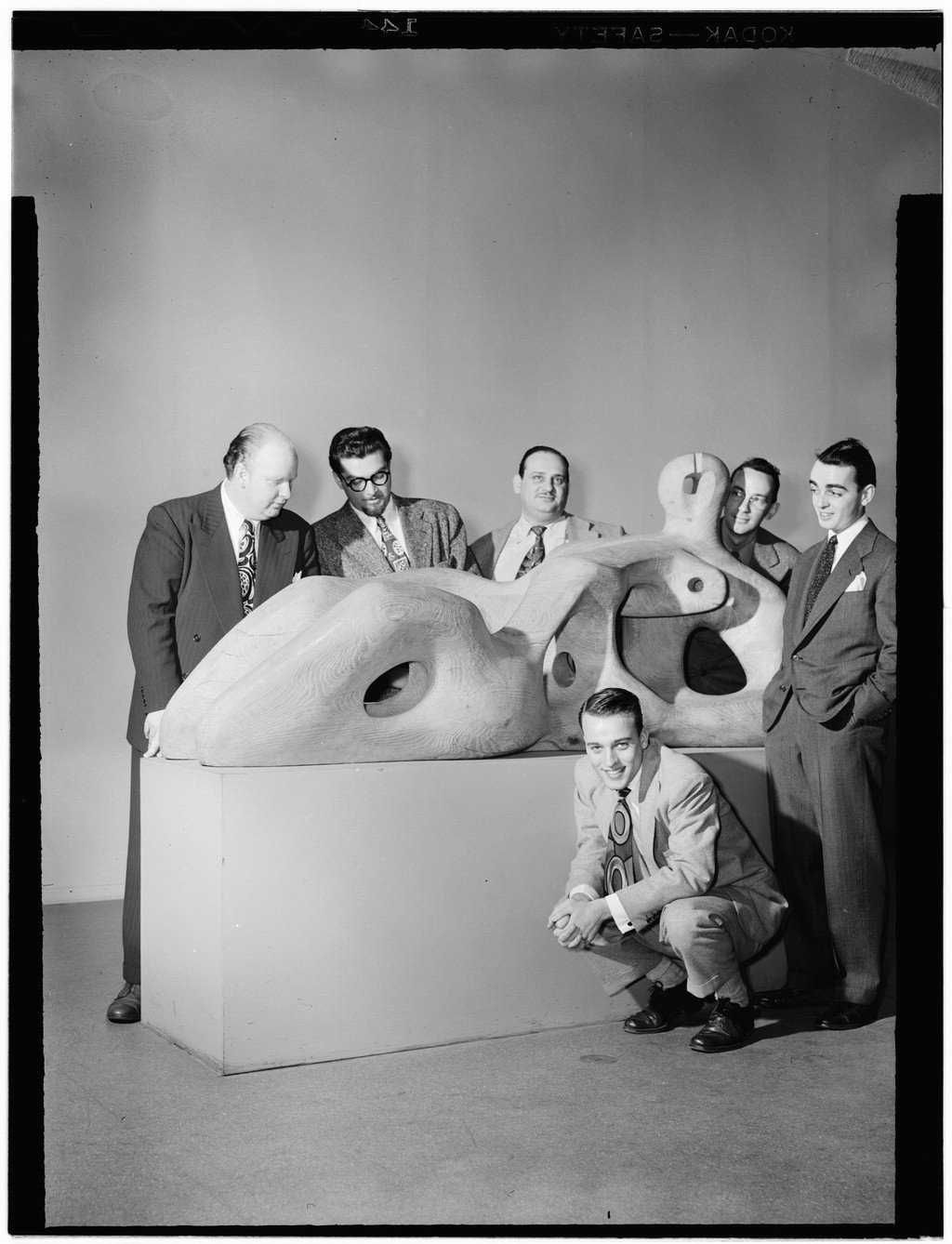
Museum of Modern Art
The Museum of Modern Art (MoMA) in New York City stands as one of the most iconic and influential cultural institutions dedicated to modern and contemporary…
American Museum of Natural History
The American Museum of Natural History (AMNH), located on Manhattan’s Upper West Side at Central Park West and 79th Street, stands as one of New York City’s…
Madison Square Garden
Madison Square Garden (MSG), often hailed as "The World’s Most Famous Arena," stands as a monumental icon in New York City’s cultural and historical landscape.
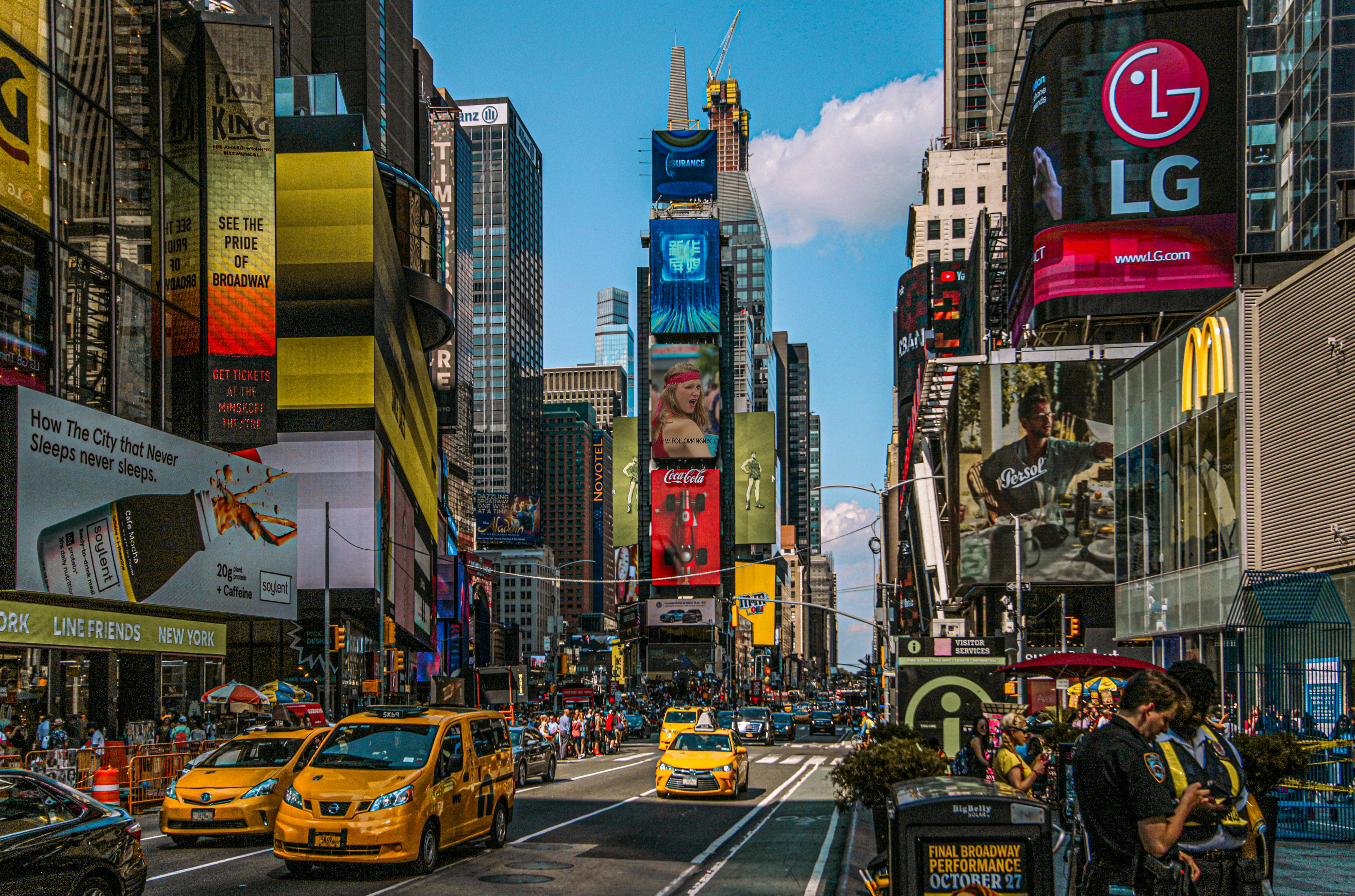
Times Square
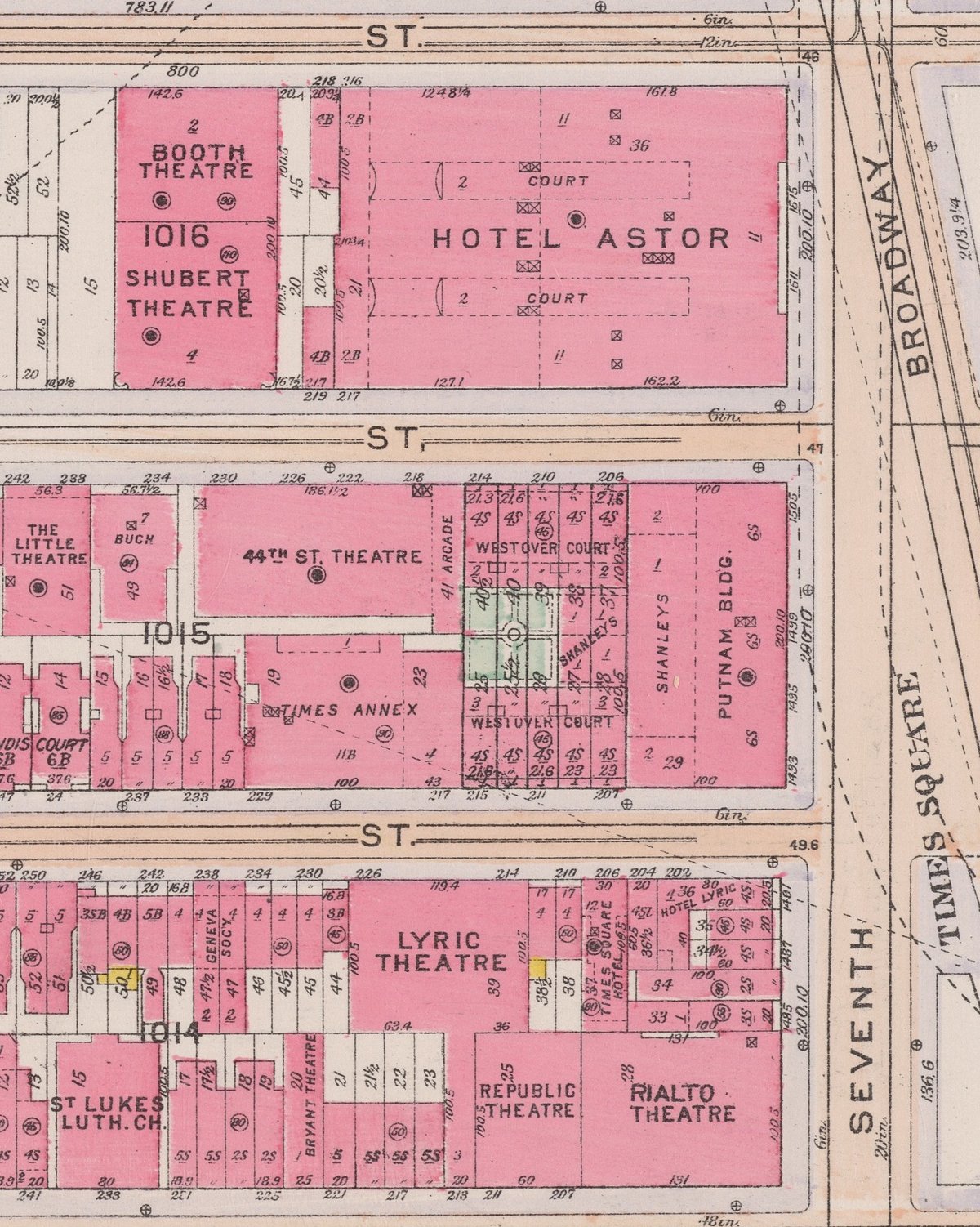
One Times Square is almost entirely hollow inside — a steel frame built to hold ads. The ball drop happens on a building nobody works in.
Metropolitan Museum of Art
The Metropolitan Museum of Art, affectionately known as 'The Met,' stands as one of New York City's most iconic cultural and historical landmarks.
Solomon R. Guggenheim Museum
The Solomon R. Guggenheim Museum in New York City stands as a beacon of modern and contemporary art, housed within one of the most revolutionary architectural…
Brooklyn Bridge
The Brooklyn Bridge stands as one of New York City’s most enduring icons, captivating millions of visitors annually with its unparalleled blend of historical…
Whitney Museum of American Art
The Whitney Museum of American Art stands as a quintessential destination for enthusiasts of contemporary and modern American art in New York City.
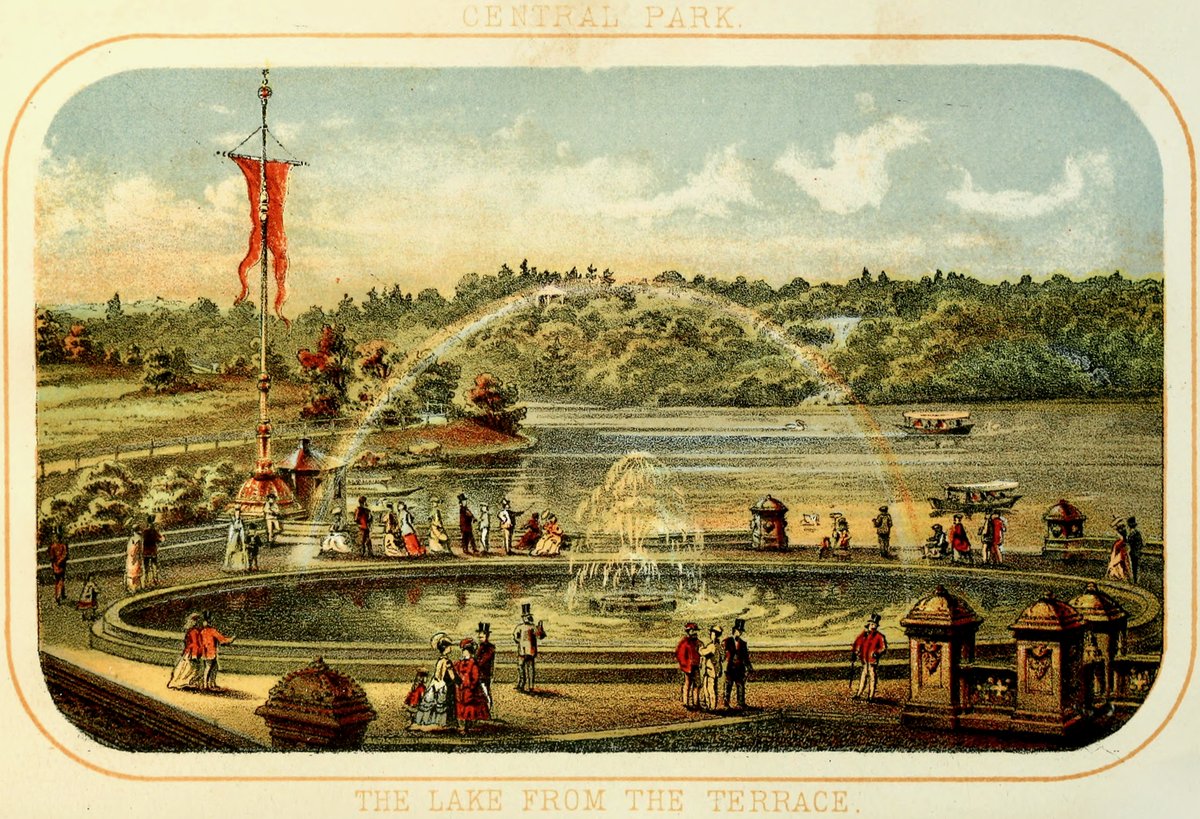
Central Park
Nestled in the heart of Central Park, Heckscher Playground, New York City, stands as a beacon of public recreation and historical significance.
Jstor
New York City stands as one of the most vibrant and historically rich destinations globally, offering visitors an unparalleled blend of cultural landmarks,…
St. Patrick'S Cathedral
St. Patrick’s Cathedral in New York City stands as an iconic monument blending rich historical significance, architectural grandeur, and vibrant cultural…
Liberty State Park
Liberty State Park, located in Jersey City, New Jersey, is a remarkable urban oasis that blends rich history, natural beauty, and a plethora of recreational…
What Makes This City Special
Density & Diversity
New York compresses more languages, cuisines, and life stories into a few square miles than most countries manage across entire continents. Walk ten blocks and the street signs, smells, and accents shift like chapters in a novel you didn’t know you were reading.
Layered Architecture
From the Beaux-Arts grandeur of Grand Central’s celestial ceiling to the Brutalist landmark status newly granted in 2025 to the former Whitney at 945 Madison Avenue, the city treats buildings as both stage sets and living documents. Every era argues with the one before it in stone and steel.
Unexpected Green Escapes
Beyond Central Park’s famous lawns lie the medieval gardens of The Met Cloisters in Fort Tryon Park, the river-perched calm of Wave Hill in the Bronx, and the rolling 500-acre sculpture park of Storm King an easy day trip north. The city hides its quietest moments in plain sight.
Live Culture Without Limits
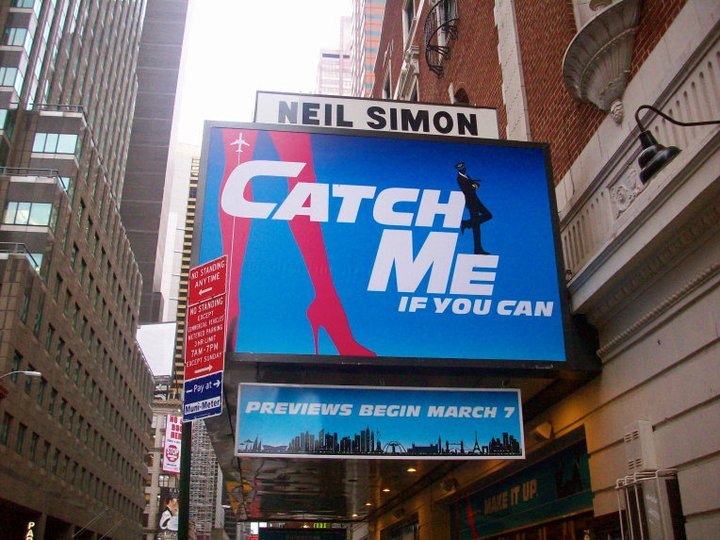
Broadway is only the headline act. Jazz at Lincoln Center hovers above Columbus Circle with skyline views, BAM programs daring work in Brooklyn, and the Tenement Museum turns immigrant staircases into the most moving theater in town. The city performs every night, in every register.
Historical Timeline
From Lenape Hills to Global Capital
Four centuries of conquest, immigration, rebellion, and reinvention
Lenape Homeland Takes Shape
As the Ice Age ended, the Lenape people established settlements, fishing camps, and planting grounds across the island they called Mannahatta. Trails wound through forested hills and wetlands where streams met the vast harbor. This was never wilderness; it was a lived landscape of trade, cultivation, and story.
Verrazzano Enters the Harbor
On April 17, Giovanni da Verrazzano sailed the French ship La Dauphine through the Narrows into New York Bay. He described a “pleasant lake” surrounded by hills. His brief visit marked the first recorded European encounter with the Lenape homeland, though no settlement followed.
Hudson Claims the River
Henry Hudson, sailing for the Dutch, explored the river that now bears his name. He traded with the Lenape and mapped the harbor’s potential. The voyage gave the Dutch West India Company a commercial foothold that would change the island forever.
Jan Rodrigues Builds First Trading Post
The Afro-Hispanic trader Jan Rodrigues, left behind by a Dutch ship, established the first known non-Indigenous settlement on Manhattan. He lived among the Lenape, learned their language, and traded. Historians now recognize him as Manhattan’s first permanent non-Native resident.
New Amsterdam Is Founded
The Dutch West India Company established its provincial capital on the southern tip of Manhattan. Thirty families arrived the previous year, but 1625 marks the city’s official birth. The settlement quickly became a rough, multiethnic fur-trading port.
Manhattan Changes Hands
Governor Peter Minuit exchanged goods worth 60 guilders with Lenape representatives for the island. The two sides understood the transaction very differently. Within decades the Dutch had claimed ownership of Mannahatta.
City Charter and the Wall
New Amsterdam received formal municipal rights. A defensive wall was built across the northern edge of the settlement, creating the street that would become Wall Street. The city was already diverse, with Africans, Jews, and various Europeans living within its limits.
English Conquest
English warships arrived in the harbor. Peter Stuyvesant surrendered New Amsterdam without a fight. The city was renamed New York in honor of the Duke of York. Dutch rule ended, but many Dutch families, customs, and place names remained.
Slave Revolt on the Common
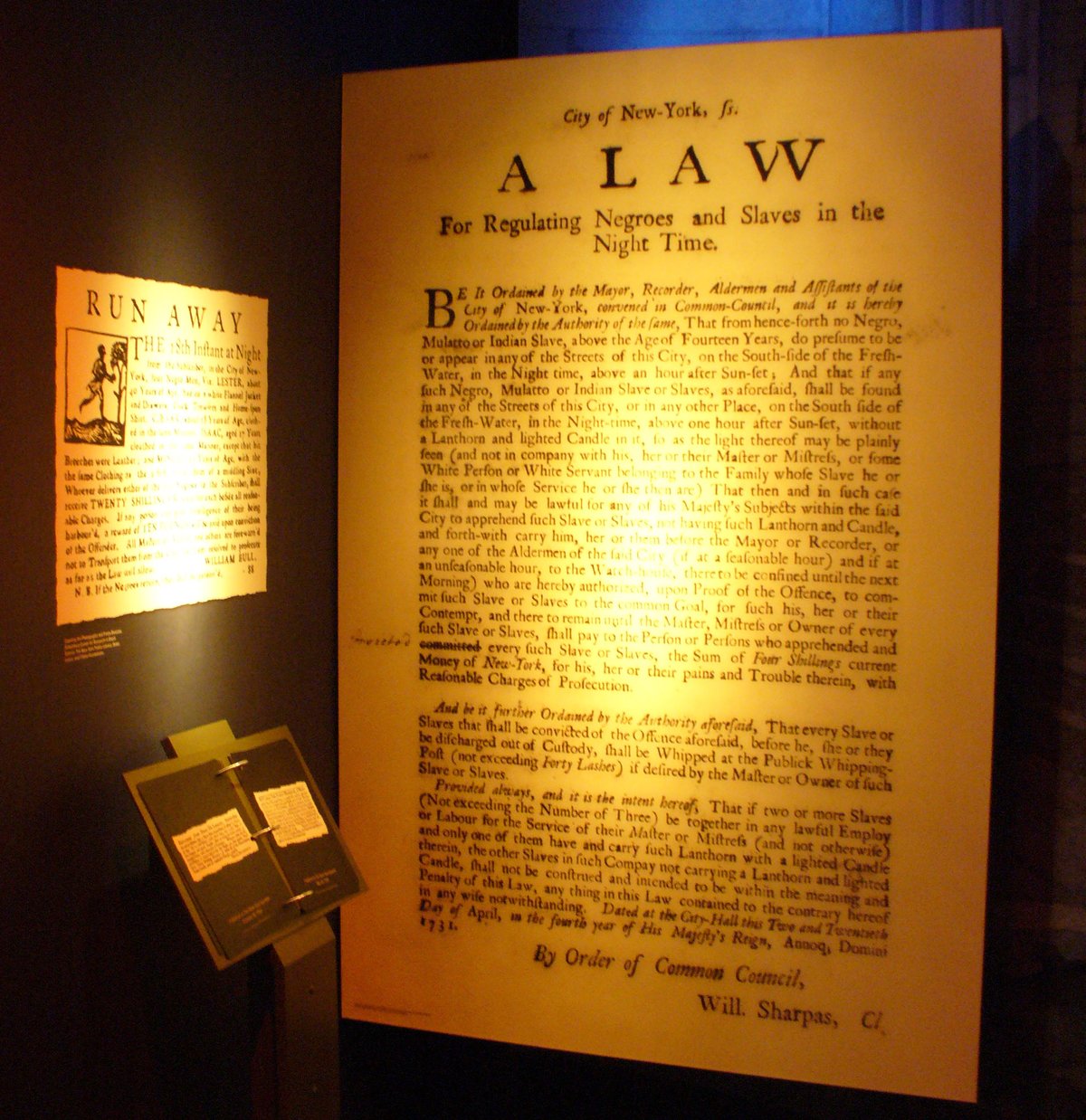
Enslaved Africans rose up, killing nine white colonists. The reprisals were brutal: 21 Black men were executed, others tortured or exiled. The revolt led to stricter slave codes and deepened racial fear in the growing port city.
British Occupy New York
After their victory at the Battle of Long Island, British forces captured the city in September. It became their military headquarters for the rest of the Revolutionary War. A massive fire destroyed much of the city that same month, leaving thousands homeless.
Evacuation Day
On November 25 the last British troops left New York. George Washington marched in triumph down Broadway. For New Yorkers the day marked the true end of the war and the beginning of their life as citizens of a new nation.
Washington Inaugurated
On April 30, George Washington stood on the balcony of Federal Hall on Wall Street and took the oath as first President. The city served as the nation’s capital for the next year. New York had become the political heart of the young republic.
The Grid Plan Is Adopted
Commissioners published their plan for Manhattan’s future: a relentless grid of streets and avenues stretching north from Houston Street. Critics called it soulless. It would shape the city’s relentless upward growth for the next two centuries.
Erie Canal Opens
The completion of the Erie Canal connected the Hudson River to the Great Lakes. Within years New York surpassed every rival American port. The city’s harbor filled with ships carrying grain, lumber, and dreams from the interior.
Central Park Construction Begins
Work started on the massive public park designed by Frederick Law Olmsted and Calvert Vaux. Thousands of laborers moved millions of cubic yards of earth. The finished park would become the democratic heart of a city increasingly divided by wealth.
Draft Riots Consume the City
For four days in July poor New Yorkers, many Irish immigrants, rioted against the new military draft. The violence turned viciously on Black residents. More than 100 people died. The riots remain among the deadliest civil disturbances in American history.
Brooklyn Bridge Opens
On May 24 the world’s longest suspension bridge opened to the public. Emily Warren Roebling had seen the project through after her husband’s crippling injury. The bridge physically and symbolically joined Manhattan and Brooklyn.
Statue of Liberty Dedicated
On October 28, President Grover Cleveland accepted the Statue of Liberty from France. A ticker-tape parade snaked through lower Manhattan. For millions of arriving immigrants the copper figure would become the first American face they ever saw.
The Five Boroughs Unite
On January 1 the Greater New York Charter took effect. Manhattan, Brooklyn, Queens, the Bronx, and Staten Island became one city of nearly 3.5 million people. Modern New York City was born in a single stroke of administrative ambition.
First Subway Line Opens
On October 27 the first underground railway began service from City Hall to 145th Street. Over 150,000 curious riders packed the cars on opening day. The subway would reshape how New Yorkers lived, worked, and understood distance.
Triangle Shirtwaist Fire
A fire at the Triangle Shirtwaist Factory killed 146 garment workers, mostly young immigrant women. Many jumped to their deaths because doors were locked. The tragedy forced sweeping workplace safety reforms that reshaped American labor law.
Harlem Renaissance Blooms
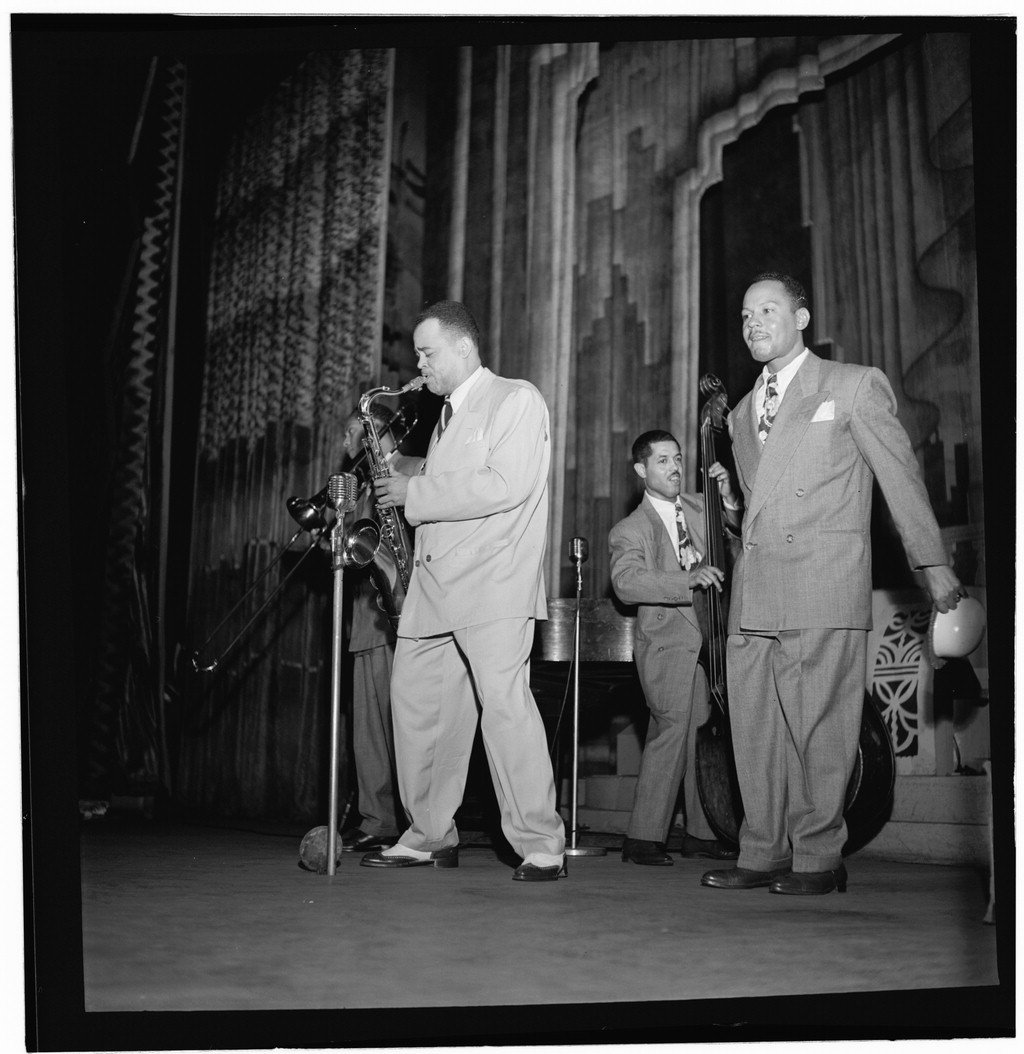
Black artists, writers, and musicians transformed Harlem into the cultural capital of the African diaspora. Langston Hughes, Zora Neale Hurston, Duke Ellington and countless others created enduring art amid the rhythms of rent parties and jazz clubs.
Empire State Building Opens
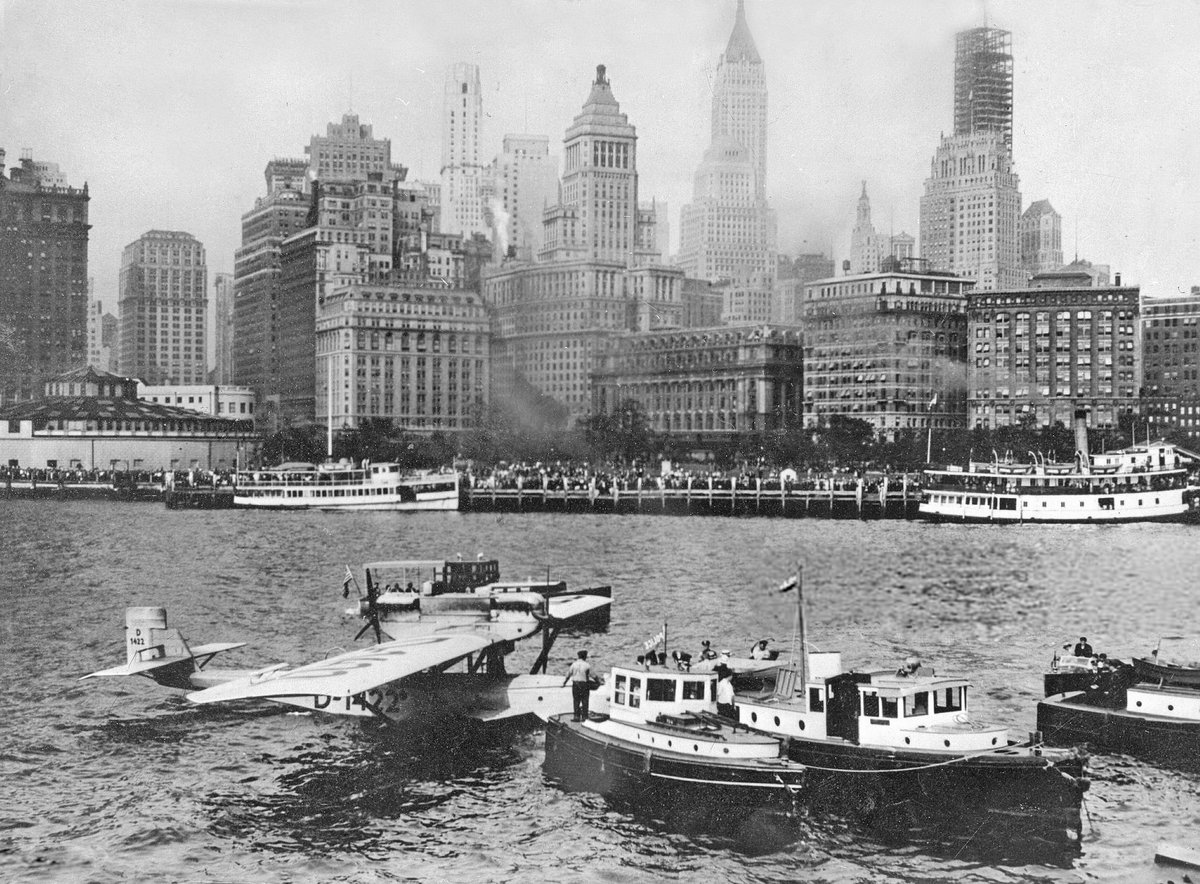
On May 1 the world’s tallest building opened during the depths of the Depression. Built in just over a year, its 102 stories and 1,250-foot height became an instant symbol of New York’s relentless ambition.
Stonewall Uprising
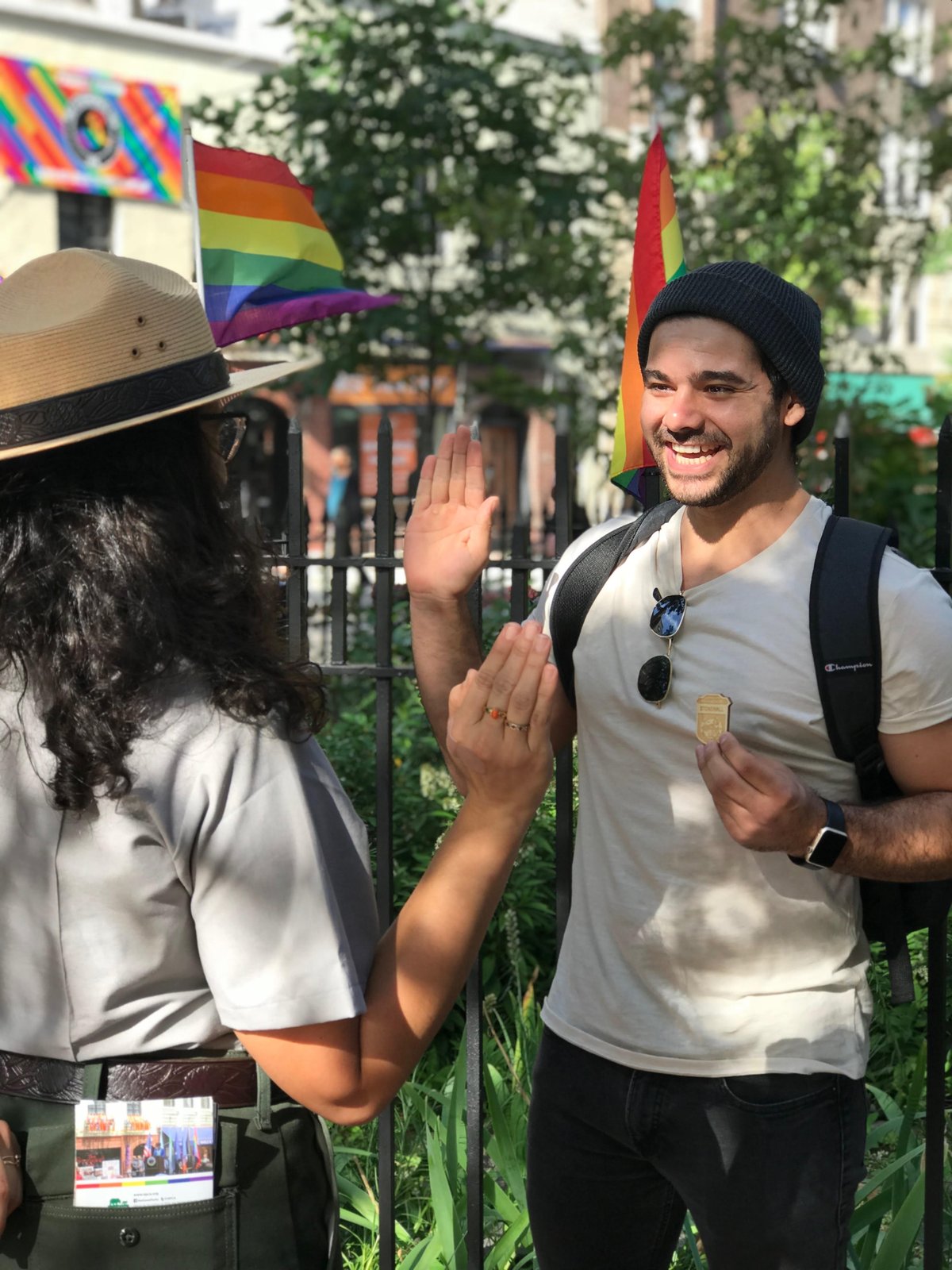
On June 28 patrons of the Stonewall Inn in Greenwich Village fought back against a routine police raid. The week of protests that followed became the spark for the modern LGBTQ rights movement worldwide.
Birth of Hip-Hop
At a back-to-school party in the Bronx, DJ Kool Herc extended drum breaks on his turntables, encouraging dancers. The moment at 1520 Sedgwick Avenue is now recognized as the birthplace of hip-hop culture.
September 11 Attacks
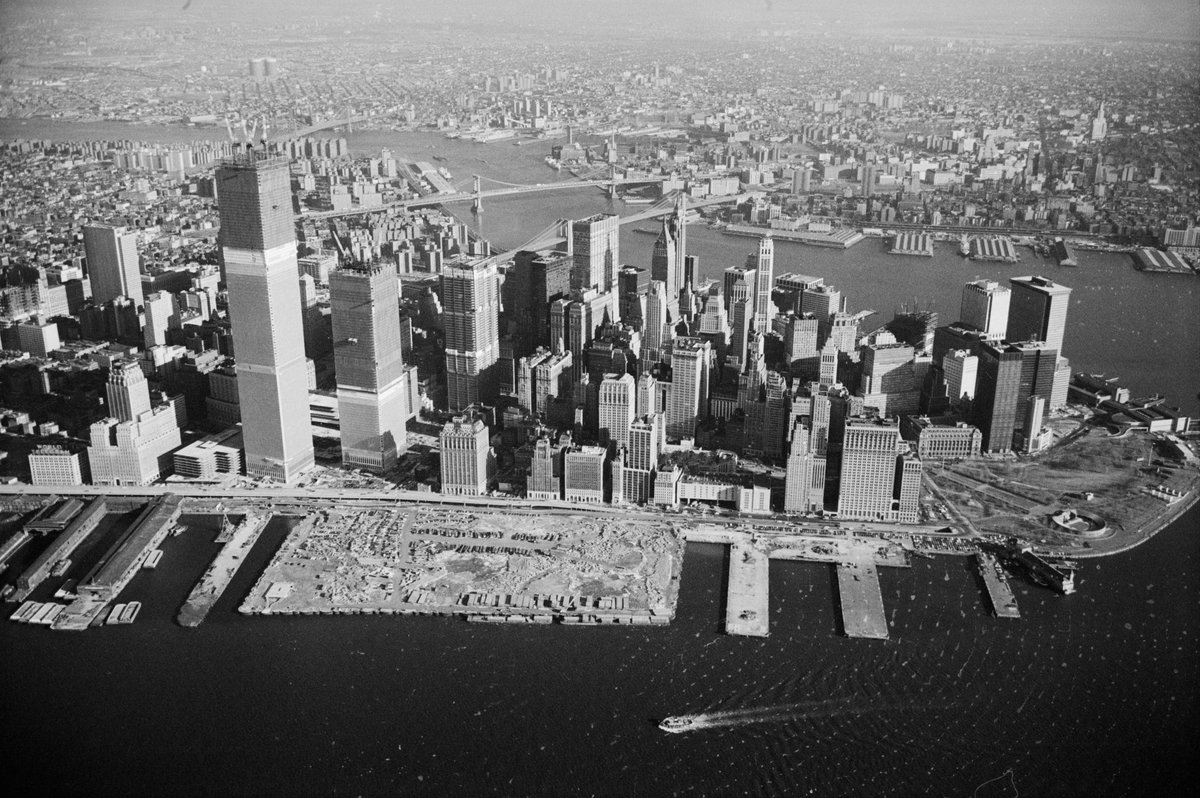
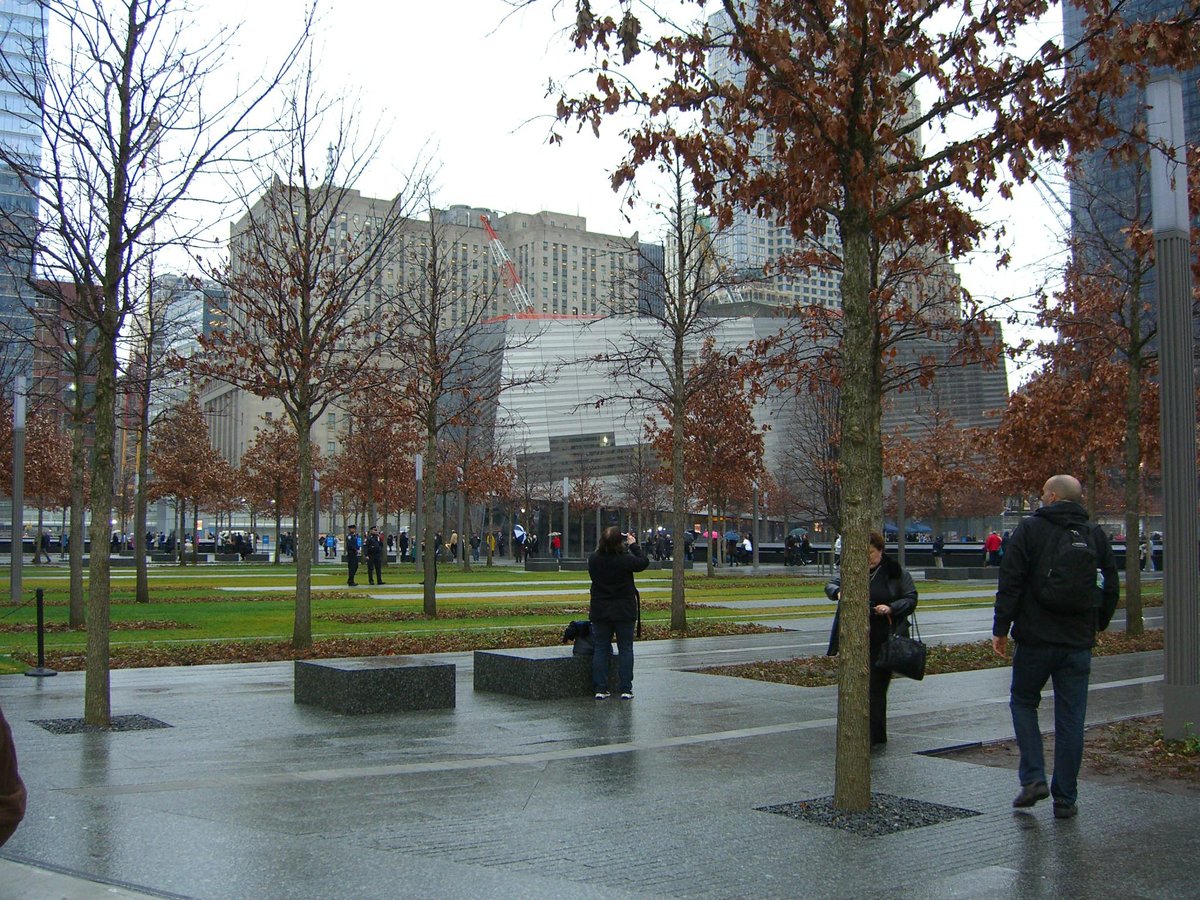
On a bright September morning two planes struck the Twin Towers. The buildings collapsed, killing 2,753 people in New York. The city’s skyline was forever altered and its sense of invulnerability shattered.
High Line Opens
The first section of the abandoned elevated rail line reopened as an innovative linear park. What had been a rusting industrial relic became a beloved public space and catalyst for west-side redevelopment.
COVID-19 Strikes Hard
The city became an early global epicenter of the pandemic. Hospitals overflowed, refrigerated trucks stood outside as morgues, and more than 18,000 New Yorkers died in the first two months. The city that never sleeps fell eerily quiet.
Notable Figures
Alexander Hamilton
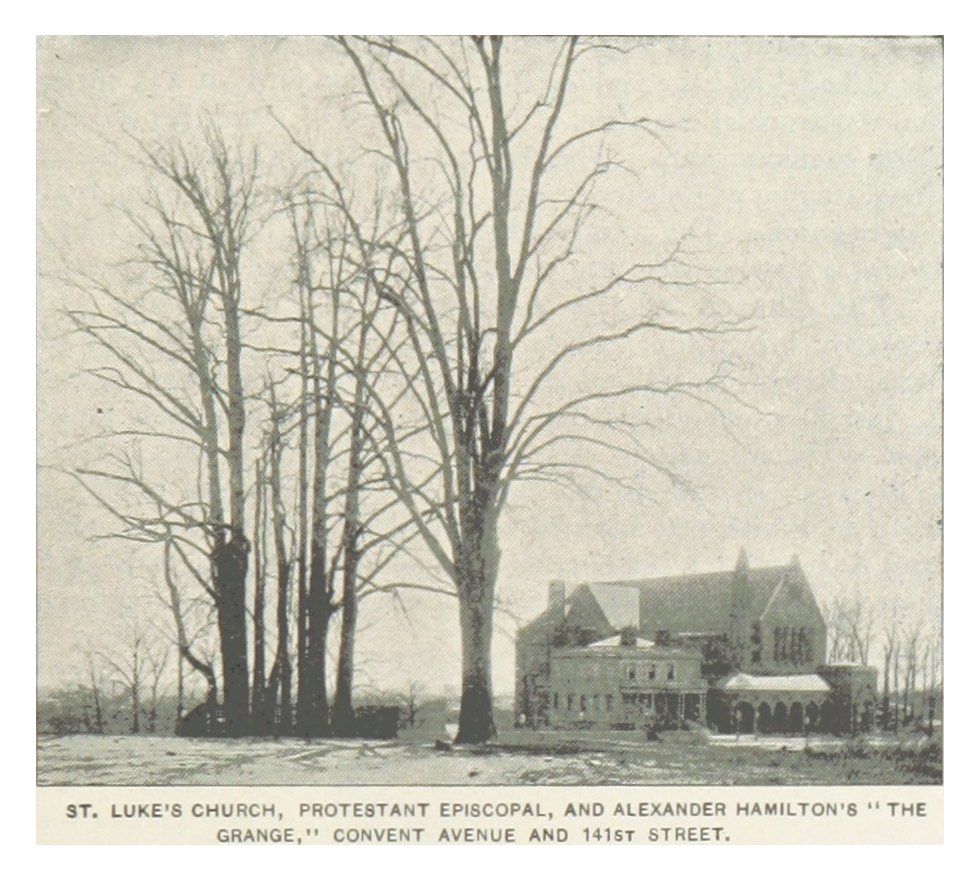
c.1755–1804 · Founding FatherHamilton arrived in New York as a young man, studied at King’s College (now Columbia), and later founded the Bank of New York and the New York Evening Post. He built Hamilton Grange in upper Manhattan, where he lived before his fatal duel. Today he would likely be astonished by the city’s relentless pace, yet recognize its enduring ambition.
Theodore Roosevelt
1858–1919 · PresidentBorn in a townhouse at 28 East 20th Street, Roosevelt grew up surrounded by the energy of 19th-century New York. The city shaped his belief in the strenuous life. Walking past his preserved birthplace today, one can imagine him charging through the same streets with characteristic vigor.
Jean-Michel Basquiat
1960–1988 · ArtistBasquiat emerged from Brooklyn streets, tagging SAMO across SoHo and the East Village before exploding into the downtown art scene. His work captured the raw pulse of 1980s New York. The city’s restless creative energy still echoes in the neighborhoods where he once moved as an unknown artist.
Bob Dylan
born 1941 · MusicianDylan stepped off a bus in 1961 and transformed Greenwich Village’s folk scene within months. The clubs and streets of the Village became the crucible for his early genius. Standing in Washington Square Park today, you can almost hear the echoes of the songs that changed American music.
Plan your visit
Practical guides for New York City — pick the format that matches your trip.
Photo Gallery
Explore New York City in Pictures
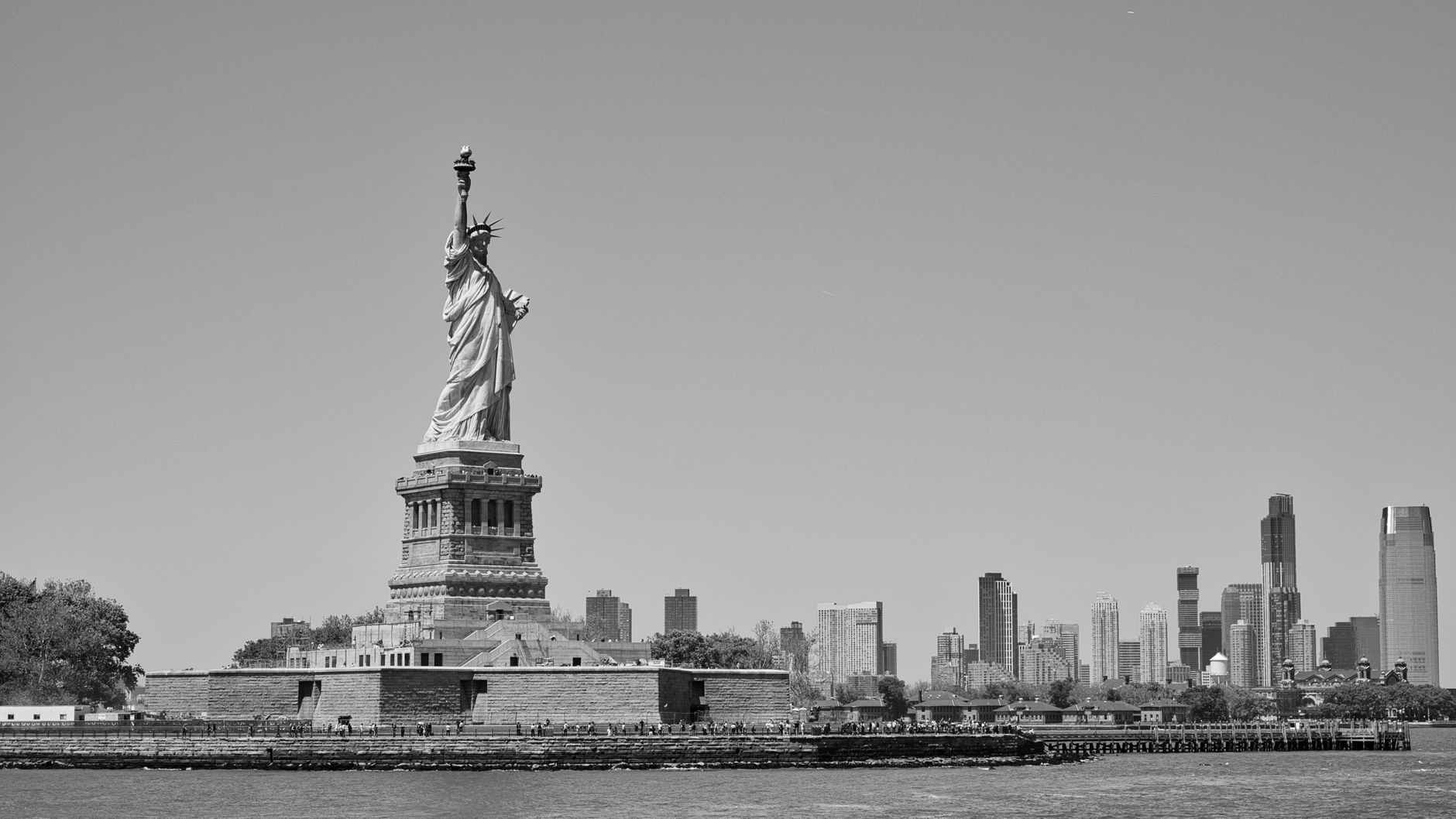
The iconic Statue of Liberty stands prominently before the modern skyscrapers of the New York City skyline.
Federico Abis on Pexels · Pexels License
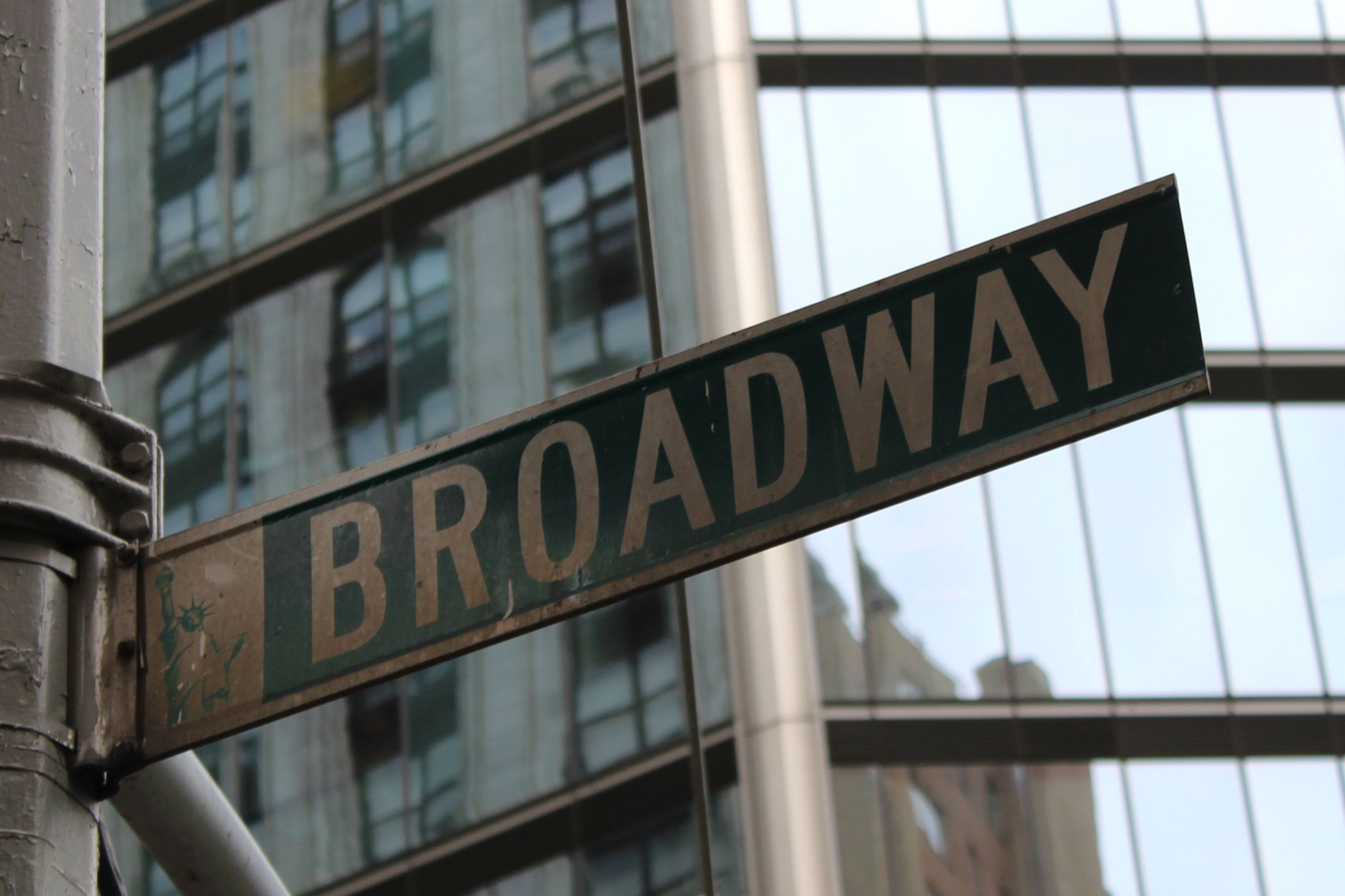
A classic Broadway street sign stands as an iconic symbol of New York City, framed by the sleek, modern glass architecture of the surrounding skyscrapers.
Marije Kouyzer on Pexels · Pexels License
The glowing signage of Nishida Sho-ten ramen shop illuminates a quiet street corner in New York City at night.
Optical Chemist on Pexels · Pexels License
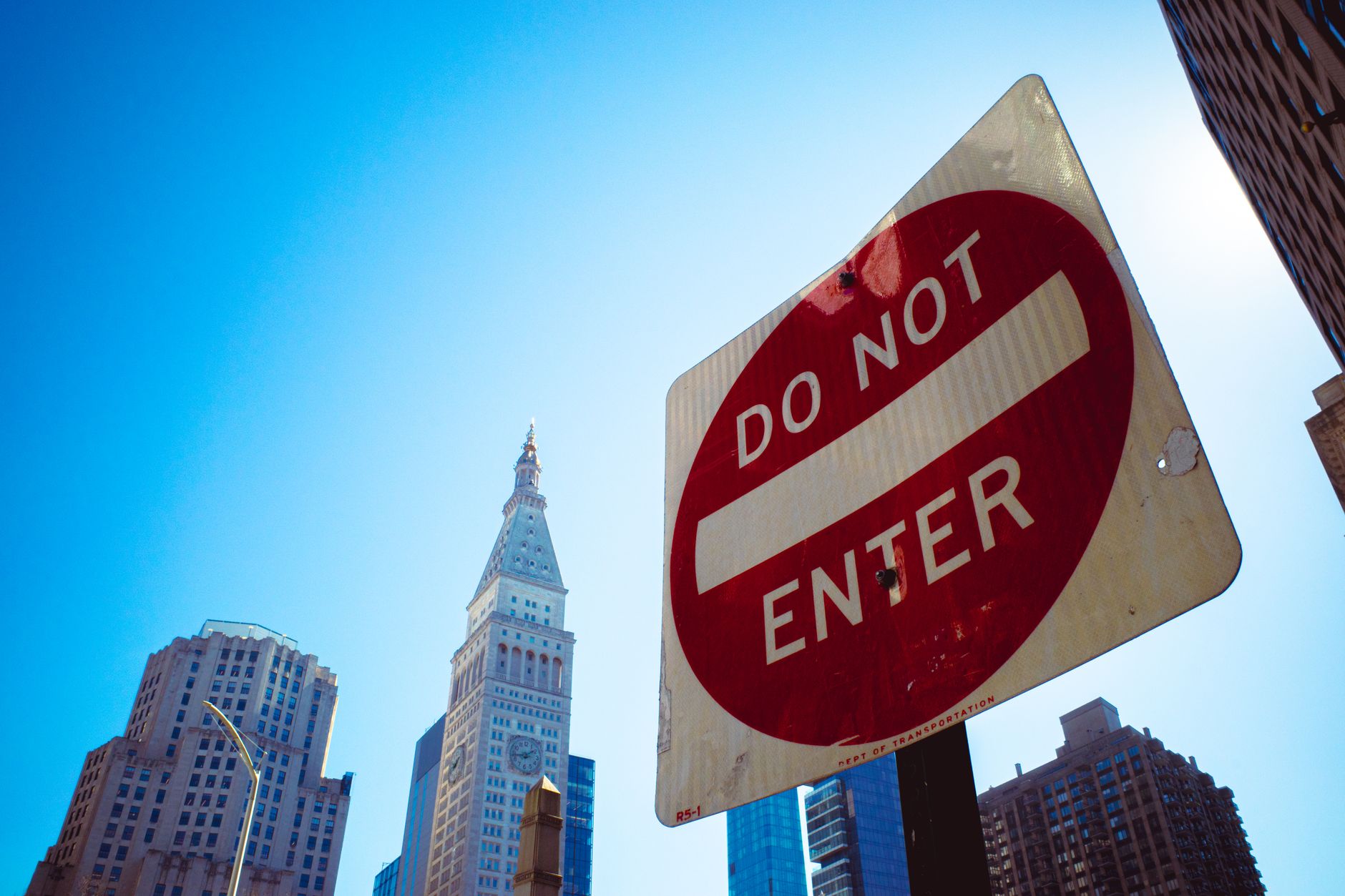
A prominent 'Do Not Enter' sign frames the historic Metropolitan Life Tower in New York City, capturing the contrast between urban signage and iconic architecture.
Agastya Garg on Pexels · Pexels License
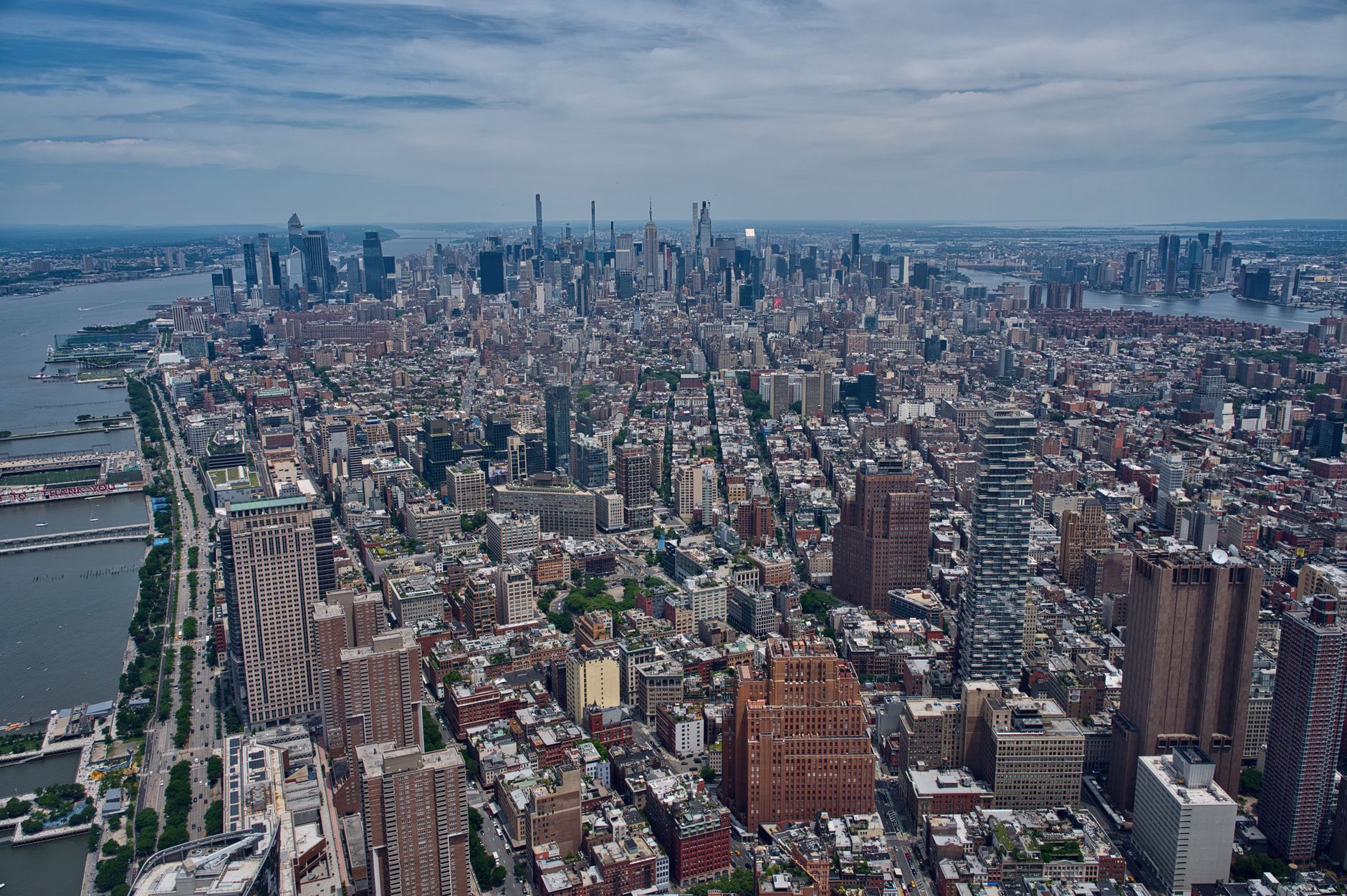
A breathtaking aerial perspective captures the vast density of New York City's iconic skyline and urban grid.
Federico Abis on Pexels · Pexels License
The charming storefront of the historic Golden Rule Wine & Liquor Store, established in 1934, sits along a quiet street in New York City.
Louis on Pexels · Pexels License
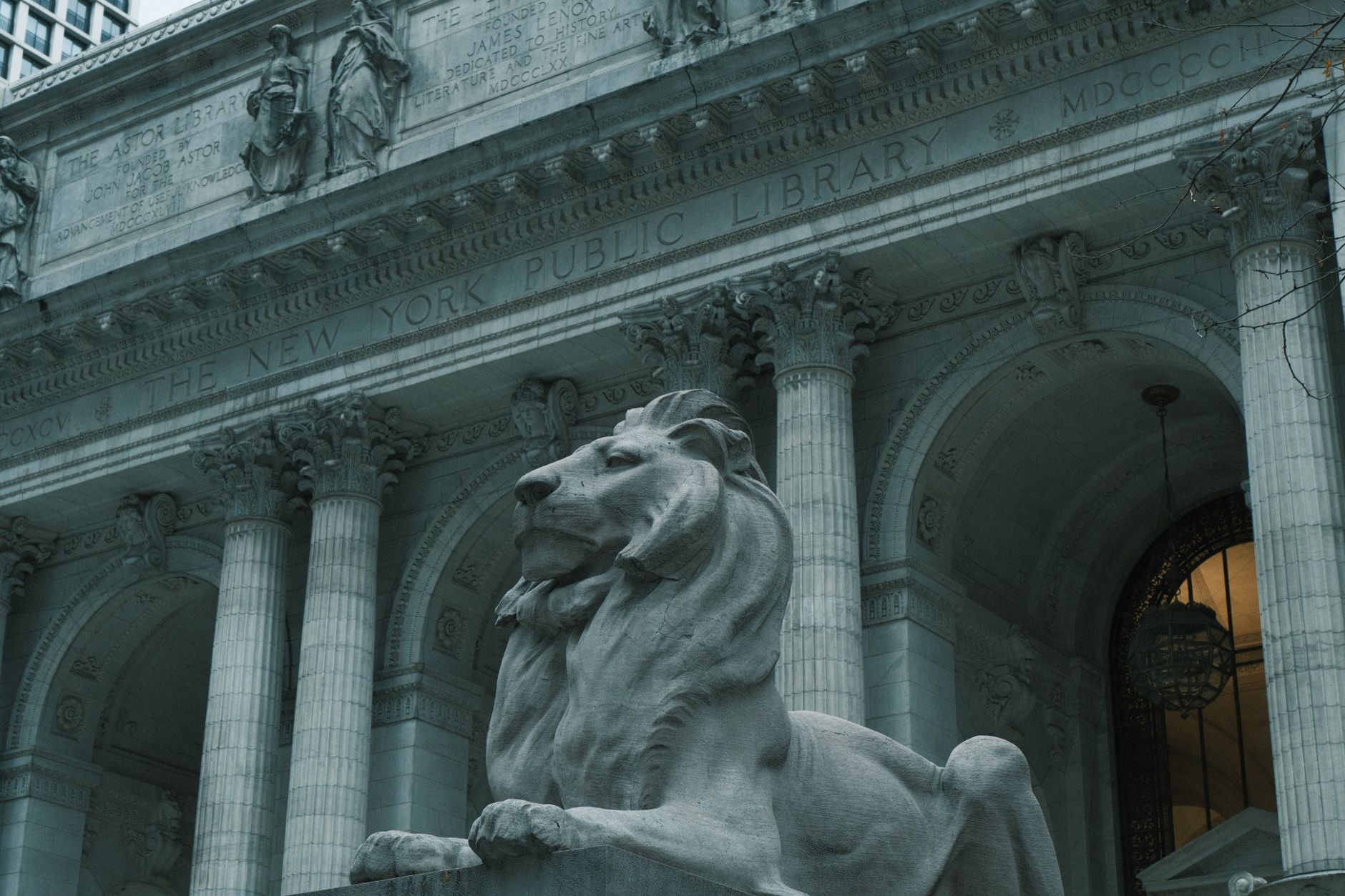
The iconic stone lion statue guards the entrance to the historic New York Public Library in New York City.
Miguel Rivera on Pexels · Pexels License
A classic New York City street scene captures the iconic USA Brooklyn Diner, showcasing its retro architectural signage and the bustling city atmosphere.
Alex Hoces on Pexels · Pexels License
The vibrant neon lights of an underground boxing gym illuminate a moody, atmospheric street corner in New York City.
Philip Warp on Pexels · Pexels License
Practical Information
Getting There
Three major airports serve New York in 2026: JFK (AirTrain + subway/LIRR), LaGuardia (Q70 SBS bus or M60), and Newark Liberty (EWR) with NJ Transit from Penn Station plus AirTrain (currently replaced by shuttle buses weekdays until late May 2026). Grand Central Terminal and Penn Station handle Metro-North, LIRR, and Amtrak; no single “main” station dominates.
Getting Around
The MTA subway runs 24/7 with 27 routes (numbered 1-7 and lettered A–Z lines). OMNY contactless payment is now mandatory; MetroCard sales ended December 2025. A 7-day fare cap of $34 applies on subway and local buses. NYC Ferry costs $4.50 one-way, Citi Bike single rides are $4.99 for 30 minutes, and the Roosevelt Island Tram accepts standard OMNY fares.
Climate & Best Time
Central Park averages 33°F in January, 77°F in July, and roughly 50 inches of rain spread evenly across the year. May–June and September–October offer the most pleasant walking weather with moderate crowds. July–August bring humidity and peak tourism; January–February are cold but quieter and often dramatically lit by snow.
Safety
The main risks for visitors remain pickpocketing in crowded tourist areas and distraction on the subway. Stand behind the yellow line, keep bags in front of you, and avoid empty late-night subway cars. Use 911 for emergencies and 311 for non-emergencies; text-to-911 works in English and Spanish.
Where to Eat
Don't Leave Without Trying
Russ & Daughters
local favoriteOrder: Everything bagel with scallion cream cheese and lox — the platters of smoked fish, herring, and caviar are iconic. Don't miss the babka.
A Lower East Side institution since 1914, Russ & Daughters represents the neighborhood's immigrant food history and remains the gold standard for Jewish appetizing in NYC. This is where locals actually eat, not tourists hunting for nostalgia.
Parisi Bakery & Deli
quick biteOrder: The Italian breads, biscotti, and fresh pastries — arrive early for the best selection. Their cannoli and sfogliatelle are the real deal.
A Chinatown fixture with a 4.8 rating that reflects generations of New Yorkers stopping by for authentic Italian baked goods. This is the kind of place that feels like a secret even though it's been there forever.
Eileen's Special Cheesecake
quick biteOrder: The signature New York cheesecake — dense, creamy, and unapologetically rich. Try the seasonal flavors, but the plain is perfection.
A no-frills Nolita institution that's been making the same legendary cheesecake for decades. Over 3,000 reviews and a 4.6 rating prove this isn't hype — it's genuine.
Sugar Sweet Sunshine Bakery
quick biteOrder: The decorated sugar cookies and chocolate chip cookies are the stars. Get an assortment — they're perfect for snacking or gifting.
A Lower East Side gem specializing in hand-decorated cookies with serious craft. The lines can get long, but locals know this is worth the wait for genuine, made-in-house sweets.
Cafe Katja
local favoriteOrder: Austrian schnitzel, goulash, and seasonal specials paired with Austrian wines. The vibe is intimate and European without trying too hard.
A Lower East Side sleeper that brings genuine Viennese cafe culture to Manhattan — cozy, unpretentious, and packed with regulars who appreciate honest food and wine.
Boqueria Soho
local favoriteOrder: Spanish jamón ibérico, patatas bravas, pan con tomate, and whatever seafood they have fresh. Order several small plates and share.
A Soho destination with over 3,500 reviews that manages to stay genuine — the energy is lively, the wine list is smart, and the food tastes like Barcelona, not a theme park.
Brandy Library
local favoriteOrder: Let the bartenders guide you through their extensive spirit collection. Their cocktails are technically excellent — order something you've never heard of.
A Tribeca institution for serious spirits lovers with one of the most impressive collections in the city. It's the kind of place where bartenders actually know what they're doing, and the crowd appreciates craft over hype.
The Capital Grille
fine diningOrder: Prime steaks — the ribeye and filet mignon are the classics. Add the lobster tail and finish with their signature desserts.
A Wall Street power-lunch institution that represents old-school NYC fine dining. This is where deals happen and traditions matter — the service is impeccable and the steaks are consistently excellent.
Dining Tips
- check Fresh bagels should be eaten on-site — they don't travel well. Go early for the best selection at bakeries.
- check Most halal cart vendors accept cash, though some take cards and mobile payment.
- check Arrive early at popular bakeries and delis if you want the full selection; items sell out as the day goes on.
- check Union Square Greenmarket operates Monday, Wednesday, Friday, and Saturday, 8:00 a.m. to 6:00 p.m. Farmers may leave as early as 3:00 p.m. in winter.
- check Smorgasburg NYC has multiple locations: World Trade Center (Thursdays & Fridays, 11 a.m.–6 p.m.), Williamsburg (Saturdays, 11 a.m.–6 p.m.), and Prospect Park (Sundays, 11 a.m.–6 p.m.).
- check Queens Night Market runs Saturdays, 4:00 p.m. to midnight, April–August and September–October at Flushing Meadows Corona Park. Most vendors prefer cash.
- check Essex Market (88 Essex St) is open daily with extended hours Thursday–Saturday until 9 p.m. — great for grabbing prepared foods or ingredients.
- check Chelsea Market (75 9th Ave) is open daily, 7:00 a.m.–10:00 p.m., making it convenient for breakfast, lunch, or snacks while exploring nearby neighborhoods.
Restaurant data powered by Google
Tips for Visitors
Use the Subway
Buy a MetroCard or use contactless payment for unlimited 7-day passes at $34. Avoid peak hours (8-9:30am, 4:30-6:30pm) on lines near Central Park and Midtown. The system runs 24 hours but service gaps widen after midnight.
Eat Like a Local
Skip tourist traps in Times Square. Head to Katz’s for pastrami on rye and Russ & Daughters for bagels with lox on the Lower East Side. For variety without commitment, visit Queens Night Market on Saturdays from April to October.
Best Time to Visit
Spring (April-May) and fall (September-October) offer milder crowds and temperatures. Queens Night Market begins in April, Governors Island ferry service expands in summer, and Storm King reopens in early April.
Save on Tickets
Book Statue of Liberty crown and pedestal tickets months ahead. Use NYC Restaurant Week and Off-Broadway Week promotions. Many museums like The Met suggest pay-what-you-wish for NY residents only, but standard tickets remain fixed for visitors.
Stay Aware
NYC remains one of the safest large US cities for tourists. Keep valuables secure on crowded subways and avoid flashing expensive gear. The security screening location for Statue of Liberty ferries moved in early 2026 at The Battery.
Quiet Escapes
Escape Midtown crowds at Wave Hill in the Bronx or Green-Wood Cemetery in Brooklyn for Hudson River views and peaceful walks. The Met Cloisters in Fort Tryon Park offers medieval gardens far from the usual tourist paths.
Explore the city with a personal guide in your pocket
Your Personal Curator, in Your Pocket.
Audio guides for 1,100+ cities across 96 countries. History, stories, and local insight — offline ready.
Audiala App
Available on iOS & Android
Join 50k+ Curators
Frequently Asked
Is New York City worth visiting? add
Yes, New York City remains one of the world’s most compelling destinations. Its unmatched density of world-class museums, live theater, immigrant food traditions, and skyline views from the High Line, Brooklyn Bridge Park, and SUMMIT One Vanderbilt deliver experiences you cannot replicate elsewhere. Even repeat visitors find new layers in neighborhoods like the Lower East Side and Queens.
How many days do you need in New York City? add
Plan for at least 4-5 days for first-time visitors. This allows time for Manhattan icons like Central Park, The Met, and Broadway plus a full day exploring Brooklyn (DUMBO, Brooklyn Bridge Park, Green-Wood). Add 2-3 more days if you want to include The Met Cloisters, Wave Hill, or a Hudson Valley day trip to Dia Beacon.
How do you get around New York City? add
The subway is the fastest and cheapest way to travel. Use OMNY contactless payment or a MetroCard. Ferries to Statue of Liberty, Ellis Island, and Governors Island depart only from the authorized operator at The Battery. The Roosevelt Island Tramway offers a scenic, inexpensive ride with East River views.
Is New York City safe for tourists in 2026? add
Yes, New York City is generally safe for tourists who exercise normal urban awareness. Major tourist areas like Central Park, Times Square, and the High Line see heavy foot traffic and policing. As with any large city, keep belongings secure on crowded subways and avoid isolated areas late at night.
When is the best time to visit New York City? add
Spring and fall provide the most pleasant weather and manageable crowds. Queens Night Market runs Saturdays from April through October. Storm King Art Center reopens April 1, and Governors Island expands Brooklyn ferry service in summer. December brings the Rockefeller Christmas Tree but also peak crowds and prices.
Sources
- verified National Park Service - Statue of Liberty — Current ferry access rules, security screening changes, and reservation requirements as of 2026.
- verified NYC Tourism + Conventions — Official 2026 information on Queens Night Market dates, attractions, neighborhoods, and cultural events.
- verified Eater New York — Local recommendations for iconic foods, best bagels, pizza, pastrami, and neighborhood food scenes.
Last reviewed: