Plan and listen to Tulane University with Audiala.
Audio guide in your pocket, itinerary in your browser. Built for the way you actually visit.
Introduction
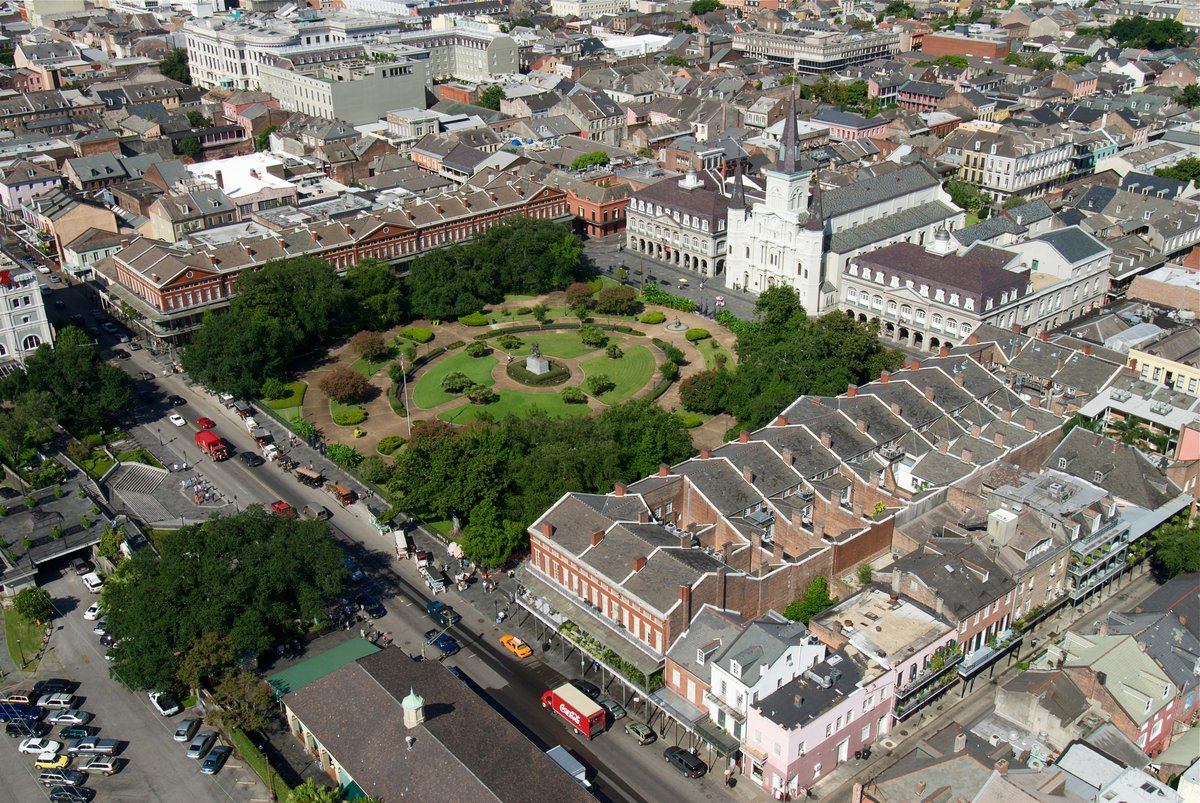
Tulane University, set in the vibrant Uptown neighborhood of New Orleans, is renowned for its academic excellence, historic significance, and dynamic campus culture. Established in 1834 as the Medical College of Louisiana, Tulane has grown into a major private research university, with deep roots in the city’s cultural and social fabric. This guide provides a comprehensive overview for anyone planning a visit—whether you’re a prospective student, a history enthusiast, or a traveler eager to explore one of New Orleans’ most iconic destinations.
Below, you’ll find essential details about visiting hours and policies, ticketing, campus highlights, accessibility, nearby attractions, events, and practical travel tips. Use this guide to plan your experience and discover why Tulane University is a must-see landmark in the heart of New Orleans (Tulane History Project, Lonely Planet).

Tulane’s Historical Foundations and Significance
Evolution and Impact
Founded in 1834, Tulane University began as a response to urgent public health needs in New Orleans, later becoming the University of Louisiana, and ultimately shifting to private status in 1884 after a transformative endowment from Paul Tulane. This transition cemented Tulane’s unique position as a private institution with a public mission (Tulane History Project).
Tulane’s growth has paralleled that of New Orleans itself, expanding into a comprehensive research university and serving as an anchor for educational and economic development. Today, Tulane injects over $5 billion annually into the Louisiana economy, supports tens of thousands of jobs, and remains a leader in health, law, architecture, and social sciences (Tulane News).
Role in New Orleans
Tulane’s campus on St. Charles Avenue is an integral part of the Uptown district’s architectural and cultural landscape. Major developments, such as the ongoing Charity Hospital redevelopment, continue to shape both the university and the city (Murphy Institute, CityBusiness).
Architectural and Cultural Landmarks
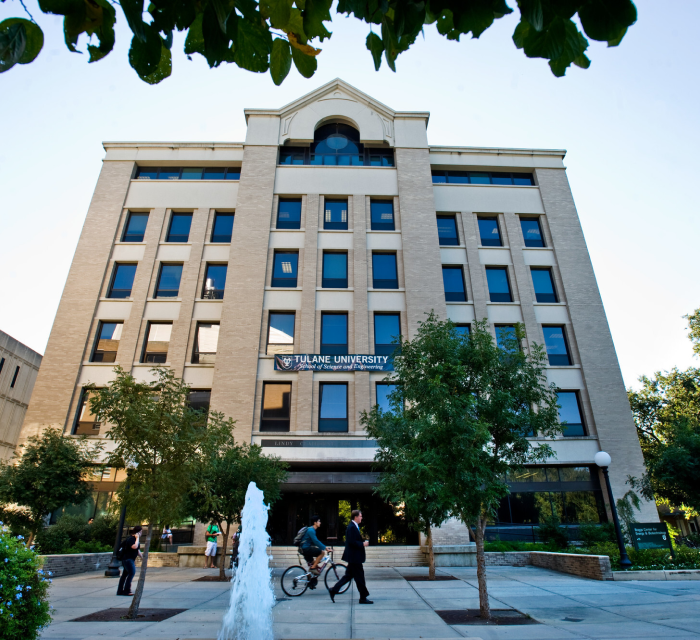
Tulane’s 110-acre campus is celebrated for its historic red-brick buildings, modern facilities, and lush oak-lined walkways (Lonely Planet). Notable highlights include:
- Gibson Hall: The administrative heart and a classic example of Richardsonian Romanesque architecture.
- Howard-Tilton Memorial Library: Home to the renowned Latin American Library and extensive special collections (Stone Center History).
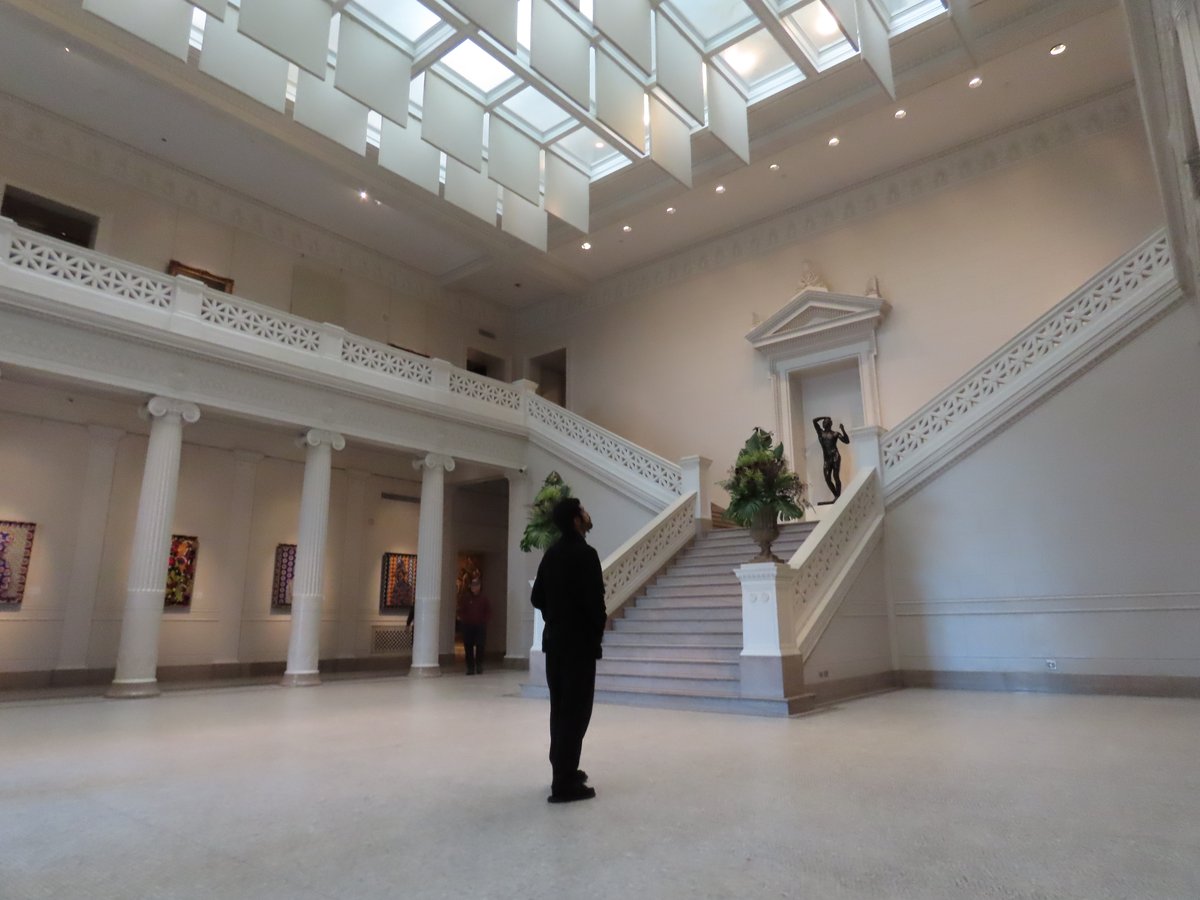
- Newcomb Art Museum: Exhibits Newcomb Pottery and contemporary art, with free admission (Newcomb Art Museum).
- Yulman Stadium: Hosts Green Wave football games and community events (New Orleans Guide).
- Audubon Park: Directly across from campus, offering scenic trails and picnic areas (Audubon Park).
Tulane’s traditions—including the Bead Tree, Mardi Gras celebrations, and Crawfest—reflect the university’s deep connections to New Orleans culture (College Magazine, Tulane History and Traditions).
Academic and Research Excellence
Tulane is recognized for its robust research output, with faculty awards and grants increasing by 70% in recent years (Tulane News). Its academic offerings include highly ranked programs in liberal arts, science and engineering, law, business, architecture, and public health. The School of Public Health and Tropical Medicine, one of the oldest in the country, is soon to relocate to the revitalized Charity Hospital (Murphy Institute).
Tulane is also a leader in community engagement and service learning, integrating academic inquiry with public service throughout New Orleans (Tulane Libraries).
Planning Your Visit
Visiting Hours, Tours, and Tickets
- Campus Access: Open daily, typically from 7:00 AM to 10:00 PM for outdoor areas. Most buildings operate during business hours (8:00 AM–5:00 PM).
- Guided Tours: Offered on weekdays at 9:00 AM and 2:00 PM during the academic year, and 9:00 AM in summer (Tulane Admission). Tours begin at Gibson Hall and last approximately two hours.
- Virtual Tours: Available online for those unable to visit in person (Tulane Campus Tours).
- Tickets: General campus access is free. Special events, exhibitions, or athletic games may require tickets (Tulane Visit).
Accessibility and Practical Tips
- Accessibility: Most campus areas are wheelchair accessible. For specific needs, contact the Goldring Center for Student Accessibility in advance.
- Parking: Limited visitor parking is available; rates range from $5–$15 per day (Tulane Parking Services). The St. Charles Avenue streetcar stops directly in front of campus (Inside NOLA).
- Getting Around: The campus is pedestrian-friendly; bikes and the streetcar are excellent for exploring both campus and Uptown New Orleans.
Dining and Nearby Attractions
- On-Campus Dining: The City Diner is famous for its late-night pancakes, while the Wave City Market offers diverse cuisine.
- Nearby Eats: Freret Street and Maple Street feature student-friendly cafés, po-boy shops, and iconic New Orleans restaurants like Guy’s Po-Boys and Bearcat Café.
- Local Attractions: Audubon Park and Zoo, the Garden District, and Magazine Street boutiques are all within walking distance (Lonely Planet, New Orleans Guide).
Campus Events and Student Life
Tulane’s calendar is filled with events open to visitors, including lectures, art exhibitions, live music, and athletic games. Annual highlights include Crawfest, the New Orleans Book Festival, and campus Mardi Gras festivities (Tulane Visitors, Tulane Plan Your Visit). Check the Tulane Events Calendar for current listings.
Frequently Asked Questions (FAQ)
Q: Do I need to buy a ticket to visit Tulane University?
A: No, campus visits and guided tours are free. Registration is recommended for tours.
Q: What are the campus visiting hours?
A: Outdoor areas are open daily from 7:00 AM to 10:00 PM. Building access is typically 8:00 AM–5:00 PM.
Q: Is the campus accessible to individuals with disabilities?
A: Yes, most areas are accessible. Contact the Goldring Center for Student Accessibility for accommodations.
Q: How do I get to Tulane?
A: The St. Charles Avenue streetcar is a scenic and convenient option. Parking is limited, so public transport is encouraged.
Q: Are there special events I can attend as a visitor?
A: Yes, many campus events are open to the public. Check the events calendar for details.
Q: Can I visit during Mardi Gras or Jazz Fest?
A: Yes, but these are peak times—book accommodations and register for events early.
Listen to the full story in the app
The whole Tulane University,
told well.
Audio guides for 1,100+ cities across 96 countries. History, stories, and local insight — offline ready.
Verified, and shown.
Researched and written by the Audiala editorial team from historical records, architectural archives, and local expertise.
Charles Avenue Streetcar: A Complete Route Guide, 2025, Inside NOLA
Researched from Wikidata, Wikipedia & official sources · fact-checked · How we make our guides →