
University of New Orleans: Visitor and Historical Guide
The University of New Orleans (UNO) is an urban research university on the shores of Lake Pontchartrain. Established in 1956 to address New Orleans’ lack of a public university, it became the first racially integrated public university in the South (UNO History). Its campus combines mid-20th-century modernist architecture, green spaces, and lakefront views.
UNO is known for academic programs in engineering, hospitality, and marine architecture, as well as for concerts, art exhibits, athletic events, and other cultural activities. Its location provides access to New Orleans attractions including the French Quarter, City Park, and the lakefront (UNO Visitor Guide).
History and Academic Profile
Founding and development
UNO was founded in 1956 through Act 60 of the Louisiana Legislature, following a grassroots effort to establish public higher education in New Orleans, then the largest U.S. city without a public university (UNO History). The campus was established on a former U.S. Navy air station, and the university opened its doors to 1,460 freshmen in 1958 (UNO Foundation).
Originally named Louisiana State University in New Orleans (LSUNO), the institution became independent in 1974 and took the name University of New Orleans.
Integration, research, and community impact
As the South’s first racially integrated public university, UNO set a progressive precedent and fostered an inclusive academic culture (UNO History).
UNO is classified as an “R2: Doctoral Universities – High research activity” institution. It offers 40 bachelor’s, 45 master’s, and 17 doctoral degrees across eight schools and colleges (Wikipedia). Research includes undergraduate work in environmental sciences, engineering, and coastal studies (UNO Undergraduate Research).
The university has shown resilience after Hurricane Katrina and during the COVID-19 pandemic, reopening rapidly and supporting students and the wider community (Wikipedia).
UNO was ranked 262nd in the U.S. and 995th globally in 2025 (EduRank). It also appears on lists including America’s Best Value Colleges and the Princeton Review’s Best 361 Colleges (UNO Foundation).
What to See on Campus
Campus grounds and buildings
UNO’s 195-acre campus features mid-century modernist architecture, open green spaces, and integration with lakefront parklands. Pedestrian walkways connect academic, residential, and recreational facilities. The Human Performance Center is a hub for athletics and community events.
Campus highlights include:
- Earl K. Long Library The academic heart of campus, with collections and study spaces, and a venue for scholarly events.
- Human Performance Center Hosts athletic events, including basketball and summer volleyball camps, and has modern training facilities (UNO Volleyball Camp).
- Lakefront Arena A multipurpose venue with 10,000+ seats for sports, concerts, and community events.
- Research labs Support undergraduate research in environmental sciences, engineering, and coastal studies (UNO Undergraduate Research).
UNO Monument
Near the Earl K. Long Library, the UNO Monument commemorates the university’s founding and its role in New Orleans’ educational landscape (UNO Monument Guide). Its inscriptions, artistic elements, plaques, and installations reflect UNO’s history, research, urban engagement, diversity, and community impact. Informational kiosks provide additional context.
Events and campus photography
UNO hosts music performances, art exhibitions, theater productions, open houses, athletic tournaments, and festivals. Many cultural events are open to the public; current offerings are listed on the events calendar. Visitors can also attend conferences, art shows, public lectures, and forums, and experience the university’s research and partnerships with local organizations.
Popular photo locations include the lakeside promenade, the UNO University Ballroom, the student union, the lakefront, the Human Performance Center, Lakefront Arena, and campus art installations. Sunrise and sunset are noted for campus photography.
Practical Visiting Information
Campus hours, admission, and tours
Campus visiting hours are listed as Monday–Friday, 7:00 AM–10:00 PM, with limited weekend access; individual facilities may have different hours (UNO Visit Us). Campus tours are available Monday–Friday, 9:00 AM–4:00 PM, and offer a look at academic buildings, student life, and lakefront scenery.
Guided tours and group visits are free by appointment for prospective students, families, and groups. Self-guided virtual tours are also available through UNO Campus Tours; tour and visitor information is available on the UNO Visitor Information page.
Campus entry and tours are free. Some events and venues, including Lakefront Arena, require tickets, available online or at box offices.
Monument hours and access
- Location Near Earl K. Long Library on the UNO campus
- Hours Daily, 8:00 AM–6:00 PM
- Admission Free
- Accessibility Wheelchair accessible, with paved pathways and ample parking
Getting to the campus and visitor services
The campus is accessible by car from Interstate 10, and on-campus parking is available. Parking is also available near main entrances, including designated visitor spaces. Local bus routes serve the campus; check New Orleans Regional Transit Authority schedules.
Accessibility services are provided for campus visitors. Facilities and routes are described as ADA-compliant; visitors can consult UNO accessibility services online. Campus police patrols and emergency call stations support campus security. Information centers provide maps, schedules, and assistance.
On-campus cafes and food courts are available, and nearby New Orleans restaurants offer diverse cuisine.
Tips for Visitors
- Comfortable shoes are suggested for walking around the campus.
- The UNO Monument is best visited during daylight.
- Check the university event calendar for special tours or commemorative events.
- Check official websites for up-to-date hours, tours, event schedules, and seasonal or event-related changes.
- The Audiala app offers interactive maps and event notifications; UNO’s social channels share news and tips.
Nearby Places
Lakefront and New Orleans attractions
The Lake Pontchartrain lakefront has walking and biking trails, picnic areas, and marinas (UNO Visit Us). Lakefront trails are also noted for jogging and birdwatching.
City Park, the New Orleans Museum of Art, and the Sydney and Walda Besthoff Sculpture Garden are nearby destinations (Earth Trekkers). The French Quarter and downtown offer historic sites, music venues, restaurants, and museums a short drive away (Earth Trekkers: Best Things to Do in New Orleans). The Garden District and Uptown neighborhoods have historic architecture, shopping, and live music. Ogden Museum of Southern Art and lakefront parks are also mentioned as places to explore after visiting the UNO Monument.
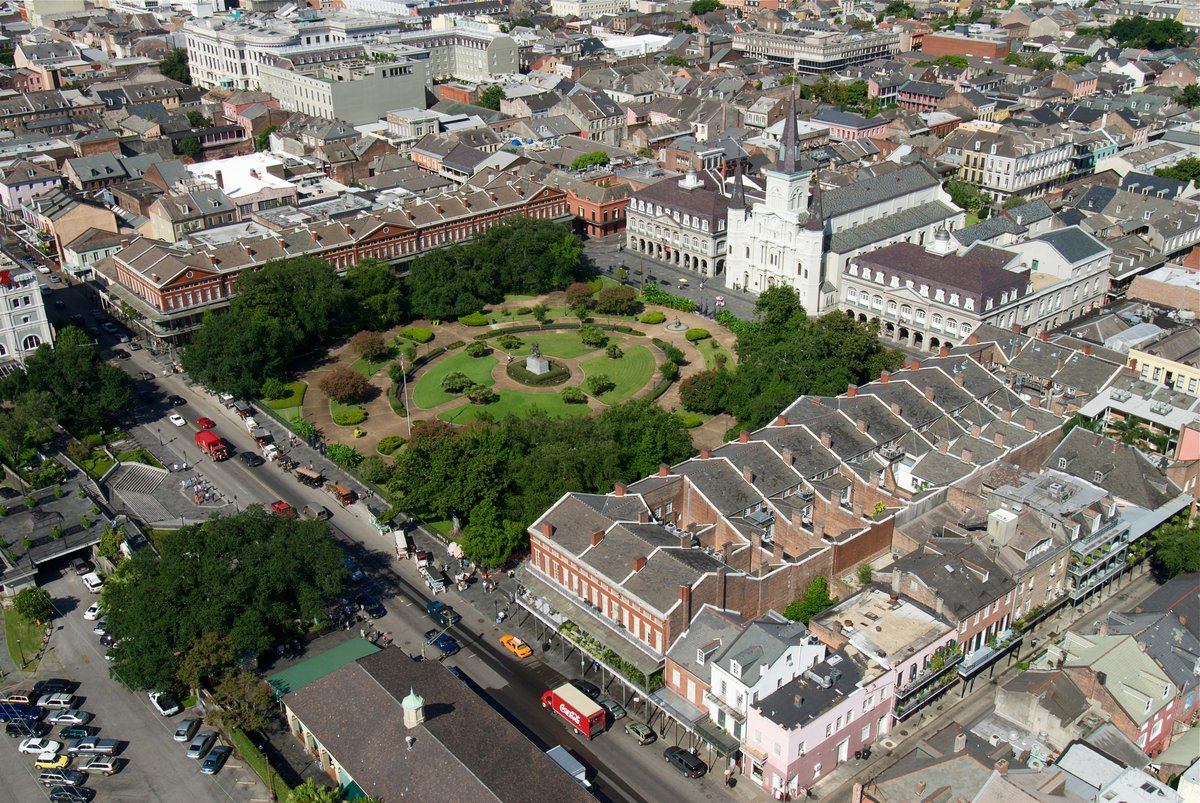
Jackson Square Monument
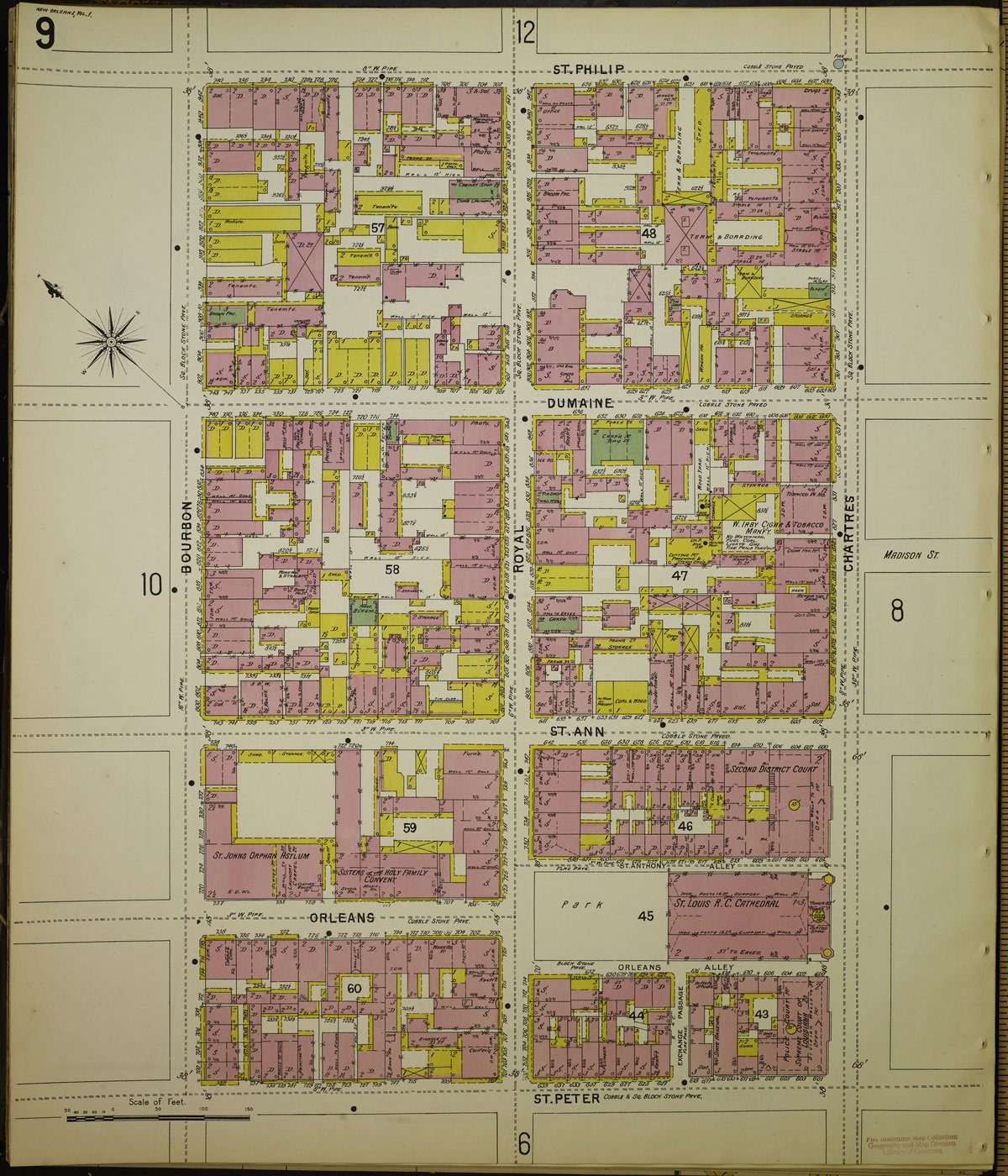
Jackson Square, in the heart of the French Quarter, was established as Place d'Armes in 1721 and renamed for Andrew Jackson in honor of his defense of the city in 1815. Its equestrian statue of Jackson was unveiled in 1856. The square is surrounded by historic buildings including St. Louis Cathedral, the Cabildo, and the Presbytère.
Jackson Square is open to the public 24/7 with no admission fee. Nearby attractions have their own hours and charges:
- St. Louis Cathedral Daily, 8:00 AM–4:00 PM; free
- Cabildo Museum Tuesday–Sunday, 9:00 AM–4:30 PM; $8 for adults
Check official sites for seasonal or event-related changes. Guided and self-guided walking tours of Jackson Square and the French Quarter are available, offering historical context and photo opportunities. The square hosts art markets, music performances, and events such as Mardi Gras parades.
The square has paved paths, ramps, public restrooms, and benches. Nearby cafes and restaurants serve New Orleans cuisine. St. Louis Cathedral is the oldest continuously active Catholic cathedral in the U.S.; the Cabildo is a museum of Louisiana history; the Presbytère has exhibits on Mardi Gras and Hurricane Katrina; and the French Market has local crafts and food stalls.
Early morning or late afternoon is noted for fewer crowds and cooler temperatures, while golden hour offers good lighting for photography. The square is described as safe during the day; exercise usual caution at night.
Frequently Asked Questions (FAQ)
University of New Orleans
What are the campus visiting hours?
Monday–Friday, 7:00 AM–10:00 PM, with limited weekend access. Some buildings have specific hours.
Are guided tours available?
Yes. Free guided tours are available by appointment.
Is there an admission fee?
No. Campus entry and tours are free; event tickets may be required for certain venues.
Is the campus accessible for visitors with disabilities?
Yes. All main facilities are ADA-compliant.
Where can I buy event tickets?
Tickets are available via the UNO events website or at box offices.
What are the best spots for campus photography?
The lakefront, Human Performance Center, Lakefront Arena, and art installations.
Jackson Square
Is there an entrance fee to visit Jackson Square?
No. Access is free.
Are guided tours available?
Yes. Guided and self-guided tours are available.
Can I take photos at the monument?
Yes. Photography is encouraged.
Is Jackson Square accessible for visitors with disabilities?
Yes. It has paved paths and ramps.
What are the nearby attractions?
St. Louis Cathedral, the Cabildo, the Presbytère, and the French Market.