Plan and listen to Harrah'S New Orleans with Audiala.
Audio guide in your pocket, itinerary in your browser. Built for the way you actually visit.
Introduction
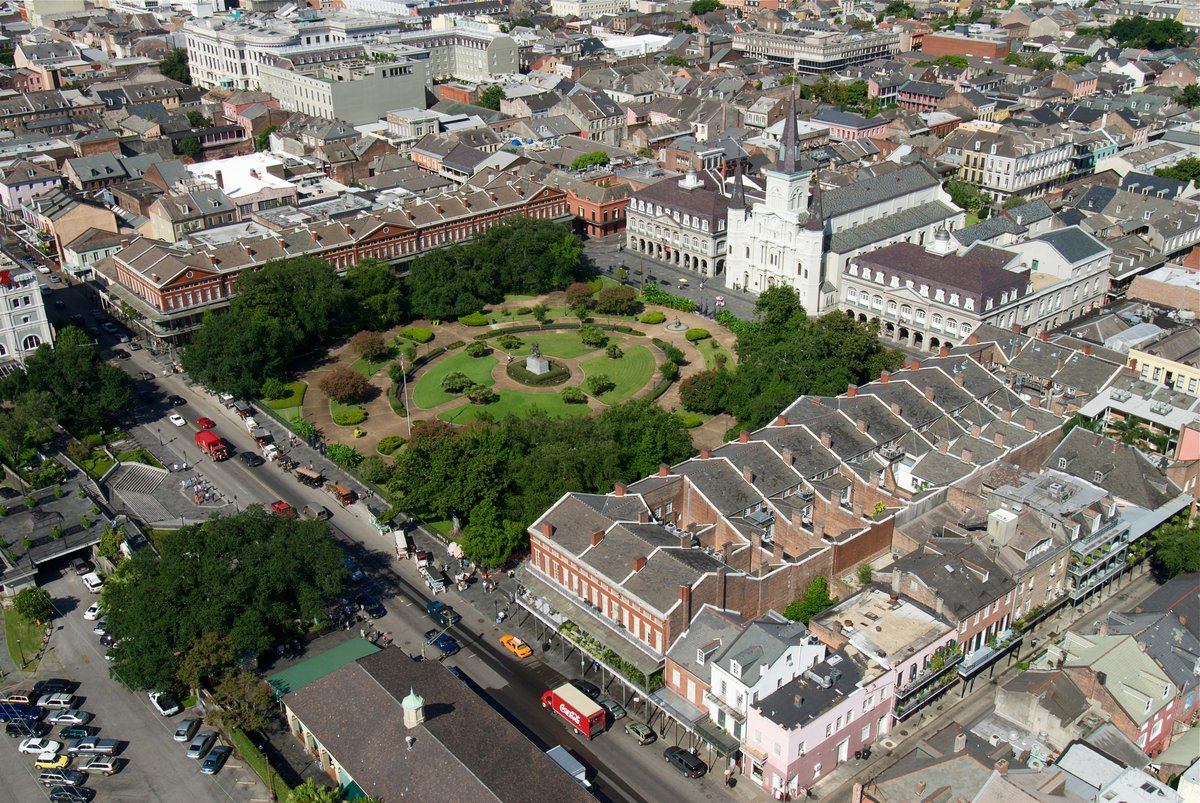
Harrah’s New Orleans, now rebranded as Caesars New Orleans, stands as a premier casino and entertainment destination deeply woven into the cultural and historical fabric of New Orleans, Louisiana. Established as the state’s only land-based casino after a pivotal 1992 legislative decision, this landmark has evolved through financial and natural adversities to become a full-service resort that reflects the city’s distinctive spirit. From its architectural homage to New Orleans’ antebellum and Mardi Gras heritage to its expansive gaming floors and acclaimed dining, Caesars New Orleans is more than a casino—it is a cultural icon and economic catalyst. Conveniently situated at the foot of Canal Street, it offers visitors unparalleled access to historical sites such as the French Quarter, St. Louis Cathedral, and Jackson Square, making it an ideal base for exploring the city's rich heritage.
This definitive guide provides detailed information on visiting hours, ticketing policies, accessibility, travel tips, entertainment options, and nearby attractions to ensure a memorable New Orleans experience. For further details, see NOLA.com, Wikipedia, and the official Caesars New Orleans website.
Origins and Legislative Milestones
The story of Harrah’s New Orleans, now transitioning to Caesars New Orleans, is closely tied to the evolution of legalized gambling in Louisiana. In 1992, after a contentious legislative process decided by a single vote, the Louisiana Legislature authorized the creation of the state’s only land-based casino at the site of the former Rivergate Convention Center (NOLA.com). This decision set Harrah’s apart from other gaming establishments in the state.
The project’s early years were marked by financial and operational challenges. The initial operator, Harrah’s Jazz, opened a temporary casino in the Municipal Auditorium in May 1995 but filed for bankruptcy within months (NOLA.com). Construction halted until Harrah’s Entertainment took over, scaled down the original plans, and opened the permanent casino in October 1999 (Wikipedia).
Architectural and Thematic Identity
Caesars New Orleans was designed to echo the city’s cultural tapestry. The casino’s architecture fuses plantation-style grandeur with Mardi Gras motifs, featuring ornate busts, murals, and French Quarter-inspired facades (The Tourist Checklist). The immersive design aims to transport visitors into the heart of New Orleans’ festive spirit.
Spanning 115,000 square feet, the casino boasts one of the largest gaming floors outside Nevada, with approximately 2,100 slot machines, over 90 table games, and a dedicated poker room (Wikipedia). The design and scale reinforce its role as a major entertainment hub.
Economic and Social Impact
Harrah’s New Orleans has significantly contributed to the revitalization of downtown New Orleans. The casino’s opening spurred increased tourism and job creation, employing thousands in gaming and hospitality (NOLA.com). After early financial struggles and a second bankruptcy in 2001, the casino stabilized when the state reduced its minimum annual tax payment, allowing sustainable operations (NOLA.com).
The opening of the casino hotel in 2006 further cemented its status as a full-service resort, with a 27-story tower and 450 rooms, integrating more deeply into the city’s hospitality landscape (Wikipedia).
Cultural Significance and Community Integration
Caesars New Orleans is a cultural landmark, integrating Mardi Gras and pirate themes, and regularly hosting live music, shows, and culinary events (The Tourist Checklist). Dining venues feature celebrity chefs like Emeril Lagasse and Nobu Matsuhisa, blending Creole flavors with international cuisine (Wikipedia). Entertainment extends beyond gaming, with venues like the Fillmore concert hall and various bars and nightclubs attracting both tourists and locals (NOLA.com).
Resilience and Adaptation
Harrah’s New Orleans has demonstrated remarkable resilience, reopening after Hurricane Katrina in February 2006, symbolizing the city’s determination to recover (Wikipedia). In 2015, the casino became smoke-free indoors, complying with local ordinance and providing outdoor smoking patios (Wikipedia).
Visiting Caesars New Orleans: Hours, Tickets, and Tips
Casino Hours: Open 24/7, allowing guests to enjoy gaming, dining, and entertainment at any time.
Ticketing: No general admission fee is required to enter the casino, but guests must be at least 21 years old with valid ID. Special events and shows at The Fillmore require separate tickets.
Accessibility: The property is fully accessible, offering accommodations for guests with disabilities, including accessible gaming machines, restrooms, and parking.
Parking: On-site parking is available, with validation through casino services.
Visitor Tips: Plan ahead for peak hours and consider exploring nearby historic sites such as the French Quarter, St. Louis Cathedral, and Jackson Square, all within easy walking distance.
Location and Accessibility
Prime Location
Caesars New Orleans is located at the foot of Canal Street, a block from the Mississippi River, and within walking distance of the French Quarter, Central Business District, and Warehouse/Arts District (New Orleans Parking).
Proximity to Major Attractions
- French Quarter: Less than a 10-minute walk; access to Bourbon Street, Jackson Square, St. Louis Cathedral.
- National WWII Museum: Under a mile away.
- Audubon Aquarium of the Americas: Nearby riverfront location (Wheelchair Travel).
- The Outlet Collection at Riverwalk: Adjacent shopping.
- The Sazerac House: Just blocks away.
- The Fillmore New Orleans: On-premises music venue.
Other historic districts and attractions are easily reached by streetcar or bus (Santeka Grigley).
Physical and Public Accessibility
- Fully ADA-compliant entrances, elevators, and restrooms (Wheelchair Travel).
- Wheelchair-accessible casino and hotel areas.
- Sidewalks in the immediate area are well-maintained for mobility devices.
- Nearby streetcar and bus lines offer accessible transport (Wheelchair Travel).
Architecture and Design
Historical Context and Renovations
Built on the site of the former Rivergate Convention Center, the property opened in 1999 and has undergone major renovations, especially following Hurricane Katrina (Reddit). Current upgrades include a $435 million investment:
- New 340-room hotel tower with river and city views.
- Updated interiors reflecting the Caesars brand and local culture.
- Renovated Food Hall and addition of Nobu Hotel and Restaurant (Meetings-Conventions, RGGC, New Orleans Parking).
Design Features
- 115,000 sq. ft. casino floor with 3,000+ slot machines and 100+ table games.
- Flexible meeting and event spaces.
- Fulton Street pedestrian corridor linking casino to restaurants and entertainment.
Notable Aspects
- Grand porte cochere entrance.
- Architectural blend of modern luxury and New Orleans historic charm.
- Large windows with natural light and river views.
- Energy-efficient, sustainable construction (RGGC).
Entertainment and Dining
Casino Gaming and Sportsbook
- 1,300+ slot machines, 120 table games, and a 20-table World Series of Poker Room®.
- Caesars Sportsbook: 5,700 sq. ft. with live betting on major events.
- Outdoor gaming courtyards for open-air play.
Culinary Highlights
- Nobu New Orleans: Japanese-Peruvian fine dining.
- Emeril’s Brasserie: Celebrity chef Creole and Cajun cuisine.
- Celebrity Food Hall: Concepts by Bobby Flay, Buddy Valastro, and Nina Compton.
- Multiple bars and lounges with live entertainment.
Live Entertainment & Nightlife
- Casino venues host jazz and contemporary acts.
- Fillmore New Orleans for concerts and shows.
- Seasonal events, such as Mardi Gras festivities and city-wide celebrations.
Visitor Tips
- Getting There: 25 minutes from Louis Armstrong New Orleans International Airport by car, ride-share, or taxi.
- Parking: On-site and nearby garage options (New Orleans Parking). Reserve in advance for convenience.
- Best Times: Weekdays and early evenings are less crowded. Major events may impact availability.
- Photography: Excellent spots include the hotel tower, riverfront, and Fulton Street corridor.
- Budgeting: Gaming options for all budgets; dining from casual to upscale. Plan about $100/day for meals, entertainment, and transport.
- Booking: Reserve accommodations and restaurants ahead, especially during festivals.
Nearby Attractions and Historical Sites
- French Quarter: Explore Bourbon Street, Royal Street, Jackson Square, and St. Louis Cathedral.
- Warehouse District: National WWII Museum and contemporary art galleries.
- Riverfront: Mississippi Riverwalk, Steamboat Natchez, Creole Queen cruises.
- Live Music: Frenchmen Street jazz clubs, Carousel Bar at Hotel Monteleone.
- Festivals: Mardi Gras, ESSENCE Festival, Fourth of July riverfront fireworks.
- Shopping: Shops at Canal Place, French Market.
- Transportation: Canal Street streetcar stops nearby; most sights within a 10–15 minute walk.
Frequently Asked Questions (FAQ)
Q: What are the visiting hours for Caesars New Orleans?
A: The casino operates 24/7. Restaurants and entertainment venues have varied hours; check the official website for details.
Q: Is there an entry fee or ticket required?
A: No admission fee for the casino. Special events and shows may require tickets.
Q: Is Caesars New Orleans accessible for visitors with disabilities?
A: Yes, the resort is fully ADA-compliant, including accessible rooms, ramps, and elevators.
Q: Where can I park?
A: On-site parking garage with validation; additional lots are nearby.
Q: What are the best nearby historical sites?
A: The French Quarter, Jackson Square, St. Louis Cathedral, and the National WWII Museum.
Listen to the full story in the app
The whole Harrah'S New Orleans,
told well.
Audio guides for 1,100+ cities across 96 countries. History, stories, and local insight — offline ready.

Verified, and shown.
Researched and written by the Audiala editorial team from historical records, architectural archives, and local expertise.
Researched from Wikidata, Wikipedia & official sources · fact-checked · How we make our guides →