Plan and listen to French Quarter with Audiala.
Audio guide in your pocket, itinerary in your browser. Built for the way you actually visit.
Introduction
The French Quarter, or Vieux Carré, is the oldest and most renowned neighborhood in New Orleans. Founded in 1718, it is a vibrant tapestry of French, Spanish, African, Caribbean, and American influences, celebrated for its unique architecture, lively culture, and pivotal role in the city’s history. Whether you’re a history buff, architecture enthusiast, music lover, or culinary explorer, this guide provides comprehensive information on the French Quarter’s historical significance, visiting hours, ticketing, accessibility, guided tours, and essential travel tips. For the latest updates, always consult official resources and consider digital tools like the Audiala app for real-time information and exclusive offers (FrenchQuarter.com; Britannica; New Orleans Official Tourism Site).

Founding and Early Development (1718–1762)
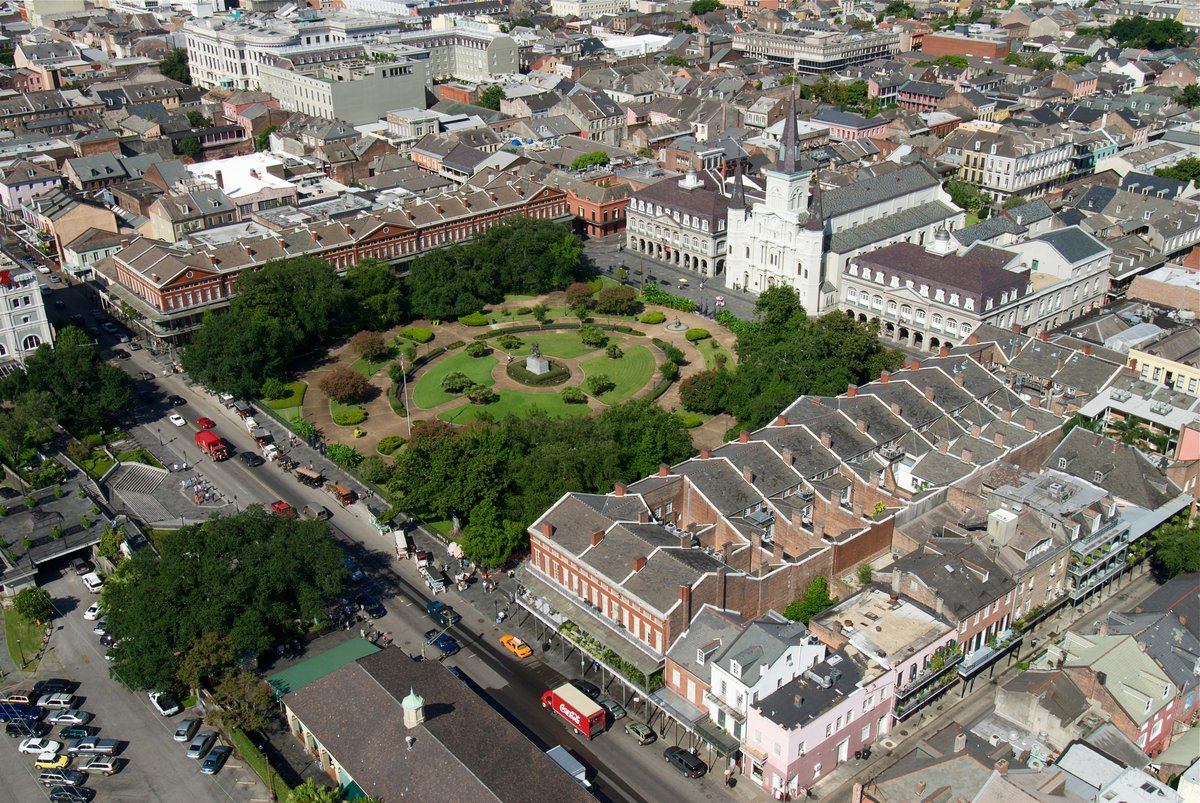
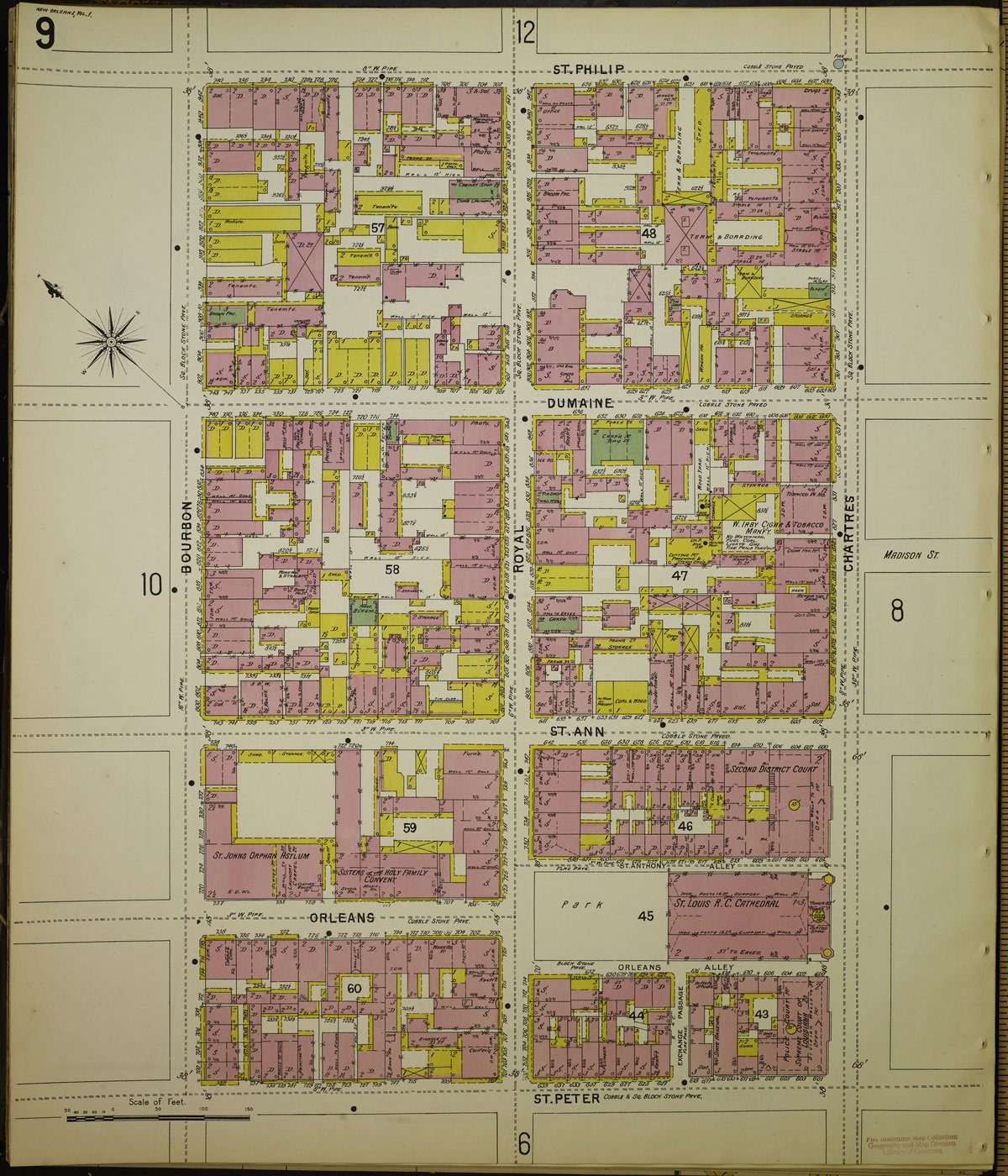
Established in 1718 by Jean-Baptiste Le Moyne de Bienville, the French Quarter was built as a strategic port near the Mississippi River (FrenchQuarter.com; Britannica). The original street grid, designed by Adrien de Pauger, centered on Place d’Armes (now Jackson Square). Early French, African, and Native American settlers formed the foundation of New Orleans’ multicultural society (New Orleans Legendary Walking Tours).
Spanish Rule and Architectural Transformation (1762–1803)
The Treaty of Fontainebleau (1762) transferred Louisiana to Spain, marking nearly 40 years of Spanish control (Admire NOLA). After devastating fires in 1788 and 1794 destroyed much of the original French architecture, the Spanish rebuilt the Quarter using fire-resistant brick, stucco, wrought-iron balconies, and arched walkways (New Orleans Travel Tips). Key landmarks from this era include the Cabildo and the Presbytère.
Louisiana Purchase and American Influence (1803–1860s)
After a brief return to French control, the Louisiana Purchase in 1803 transferred New Orleans to the United States. Americans settled upriver, creating a cultural divide with the Creole-dominated French Quarter, where French and Spanish customs persisted (Britannica).
Civil War, Reconstruction, and Immigration (1860s–1900s)
During the Civil War and Reconstruction, the Quarter remained a cultural center, even as economic hardship and waves of Sicilian and other immigrants brought new influences. The late 19th century saw the rise of Storyville, the birthplace of jazz, and a lively if notorious nightlife (FrenchQuarter.com; Tour In Planet).
Preservation and Revival (1920s–Present)
The 20th century brought significant preservation efforts, notably the creation of the Vieux Carré Commission in 1936 to protect the area’s historic buildings (Admire NOLA). Today, the French Quarter is a National Historic Landmark, admired for its preserved architecture and vibrant street life (Tour In Planet).
Visiting Hours, Tickets, and Tours
Key Sites and Hours
- St. Louis Cathedral: Open Monday–Saturday, 8:30 AM–4:00 PM; Sunday services vary. Free entry.
- Cabildo & Presbytère (Louisiana State Museum): Tuesday–Sunday, 9:30 AM–4:30 PM. Closed Mondays.
- Old Ursuline Convent: Monday–Saturday, 10:00 AM–4:00 PM.
- French Market: Daily, typically 8:00 AM–6:00 PM.
Always verify hours on official sites before visiting, as they may change during holidays or special events.
Ticket Information
- Louisiana State Museum (Cabildo & Presbytère): $8–$10 adults; discounts for seniors, students, and children.
- Old Ursuline Convent: Modest entry fee.
- Guided Tours: $20–$40 per person, depending on the tour.
Guided Tours
Guided tours are available on a range of topics:
- History and architecture
- Ghosts and vampires
- Culinary and cocktail experiences
- Jazz and music history
Book tours online or at visitor centers, especially during peak seasons (TheTravel).
Accessibility
The French Quarter is largely accessible, with many wheelchair-friendly sidewalks and venues. Some historic buildings have limited accessibility due to their age. Check with individual attractions for specific accommodations.
Travel Tips
- Visit early in the day or on weekdays to avoid crowds.
- Wear comfortable walking shoes for uneven or cobblestone streets.
- Stay hydrated and use sun protection.
- Explore Royal Street for galleries and quieter experiences.
- Public transport and walking are recommended due to limited parking.
Nearby Attractions
- Jackson Square: Central public space with rich history.
- Preservation Hall: Legendary jazz venue.
- St. Louis Cemetery No. 1: Historic above-ground tombs.
- French Market: Shopping and local cuisine.
Cultural Significance
The French Quarter is a vibrant crossroads where French, Spanish, African, Caribbean, and American influences converge. It is synonymous with jazz, Mardi Gras, and a dynamic nightlife. The area’s cuisine, art, and festivals celebrate Creole and multicultural traditions (Tour In Planet; Travel Wander Grow).
Architectural Heritage
Balconies and Galleries
Ornate wrought-iron balconies and galleries, especially along Royal and Bourbon Streets, are hallmarks of the Quarter’s Spanish and Creole architecture (New Orleans Travel Tips; First Time Visiting).
Courtyards and Gardens
Many buildings are constructed around private, lush courtyards, accessible via arched passageways (Life’s Incredible Journey).
Stuccoed Brick and Facades
Pastel stucco over thick brick walls, required after the fires of the late 18th century, provides both fire resistance and vibrant color (New Orleans Neighborhood Guide).
Rooflines and Dormers
Steeply pitched roofs with dormer windows, overhanging eaves, and decorative brackets reflect French and Spanish colonial styles.
Notable Landmarks
- St. Louis Cathedral: The nation’s oldest active Roman Catholic cathedral, with a striking white façade and triple steeples (Wanderlust Chloe; Inside NOLA).
- Cabildo: Former seat of Spanish government, site of the Louisiana Purchase transfer (New Orleans Neighborhood Guide).
- Presbytère: Houses exhibits on Mardi Gras and Hurricane Katrina (Inside NOLA).
- Old Ursuline Convent: Oldest building in the Mississippi Valley (New Orleans Neighborhood Guide).
- Pontalba Buildings: Among the oldest apartment buildings in the U.S., noted for red-brick façades and cast-iron galleries (French Quarter Guide).
- French Market: America’s oldest public market, reflecting centuries of commerce (New Orleans Neighborhood Guide).
Residential and Commercial Styles
- Creole Townhouses: Two to four stories, with commercial space below and residences above, featuring arched doors, tall windows, and ironwork balconies (First Time Visiting).
- Shotgun Houses: Narrow homes with rooms in a straight line, found on the Quarter’s fringes.
- Commercial Buildings: Ground-floor shops/restaurants with apartments or offices above, preserving the area’s lively street life (Life’s Incredible Journey).
Preservation Efforts
The Vieux Carré Commission, established in 1936, enforces preservation ordinances. Any renovations or new construction must maintain the neighborhood’s historic character (Admire NOLA; New Orleans Neighborhood Guide).
Events and Festivals
Major events include Mardi Gras, the French Quarter Festival (Festival2025.com), art markets, and year-round music performances. Check official calendars for schedules.
Frequently Asked Questions (FAQ)
Q: Are there entrance fees to visit the French Quarter?
A: The streets and public spaces are free; museums and some attractions require tickets.
Q: What are typical visiting hours?
A: Most attractions open between 8:30/9:00 AM and 4:00/6:00 PM.
Q: Is the French Quarter wheelchair accessible?
A: Many major attractions and streets are accessible, but some historic buildings may have limited access.
Q: Are guided tours available?
A: Yes, covering history, architecture, cuisine, music, and more.
Q: Can I bring pets?
A: Pets are welcome in outdoor areas but may be restricted inside buildings.
Discover More
The French Quarter stands as a living museum of New Orleans’ cultural and architectural heritage. Its streets pulse with history, music, food, and art, offering a unique experience for every visitor. For the best possible trip, check visiting hours, book tickets or tours in advance, and take advantage of resources like the Audiala app for updates and insider recommendations.
Ready to explore? Download the Audiala app for real-time information on visiting hours, tickets, and tours, and follow us on social media for the latest events and travel tips.
Tickets & tours.
These are guided options from our partners — same price as booking direct.
Prices are indicative — final pricing and availability are confirmed at checkout. Audiala may earn a commission from bookings made through these links.
Listen to the full story in the app
The whole French Quarter,
told well.
Audio guides for 1,100+ cities across 96 countries. History, stories, and local insight — offline ready.
Verified, and shown.
Researched and written by the Audiala editorial team from historical records, architectural archives, and local expertise.
Researched from Wikidata, Wikipedia & official sources · fact-checked · How we make our guides →