Plan and listen to French Market with Audiala.
Audio guide in your pocket, itinerary in your browser. Built for the way you actually visit.
Introduction
Nestled in the heart of New Orleans’ historic French Quarter, the French Market is a vibrant testament to the city’s multicultural heritage and enduring spirit. As the oldest public market in the United States, its roots stretch back to a Native American trading post, evolving over centuries under French, Spanish, and American influences. Today, the market offers visitors a unique blend of history, commerce, and culture—from bustling farmers and flea markets to artisan crafts and signature foods like beignets at Café du Monde. This guide provides essential information on visiting hours, ticketing, accessibility, and the market’s historical significance, ensuring you make the most of your New Orleans adventure (French Market Corporation; Wikipedia; Matador Network).
- Introduction
- History and Cultural Significance
- Market Layout and Main Zones
- Visiting Hours, Tickets, and Accessibility
- Essential Visitor Tips
- Culinary Experiences and Shopping
- Entertainment and Events
- Practical Visitor Information
- Nearby Historical Sites and Attractions
- Frequently Asked Questions (FAQ)
- Visuals and Interactive Resources
- Internal Links
- Conclusion and Call to Action
- Sources


1. History and Cultural Significance
Origins and Development
The French Market predates European colonization, initially serving as a Native American trading post along the Mississippi River (Wikipedia; New Orleans Historical). With the founding of New Orleans in 1718, French settlers recognized the area’s strategic commercial value, and the Spanish formalized the market during their rule, erecting the first structure in 1782. After the devastating fire of 1788, the market was rebuilt and has since endured hurricanes, fires, and multiple renovations—most notably in 1813 and during the 1930s Works Progress Administration (French Market Corporation).
Cultural Melting Pot
Historically, the French Market was a crossroads for people of all backgrounds—European immigrants, free people of color, enslaved Africans, Native Americans, and Caribbean traders. Notable figures like Rose Nicaud, one of the city’s first Black women entrepreneurs, shaped the market’s legacy (Dat NOLA Chic). The market’s cacophony of languages, flavors, and traditions continues today, making it a microcosm of New Orleans’ multicultural identity (Sacha Eats).
Enduring Significance
The French Market’s role as an economic and cultural hub is underscored by its continued support for local artisans and small businesses, many with deep generational ties to the city. Its inclusion on the Louisiana African American Heritage Trail and as a site for major cultural events attests to its ongoing community importance (Wikipedia; NewOrleans.com).
2. Market Layout and Main Zones
Spanning six blocks along Decatur Street from Jackson Square to Esplanade Avenue, the French Market comprises several distinct areas (French Market Official Site; Matador Network):
- Farmers Market Pavilion: Covered, open-air space for fresh produce, local foods, and prepared dishes.
- Flea Market: Shaded area with rotating vendors selling antiques, crafts, art, and souvenirs.
- Craft Bazaar: Dedicated to local artists and craftspeople.
- Shops of the Colonnade & Upper Pontalba: Historic buildings with boutiques, specialty shops, and galleries.
- Oscar Dunn Park & Moon Walk: Green space and riverfront promenade for relaxation and scenic views.
Each zone offers a unique experience—from bustling shopping aisles to quiet riverside vistas (Mapcarta).
3. Visiting Hours, Tickets, and Accessibility
- General Hours:
- Farmers Market: 10:00 AM–6:00 PM daily
- Flea Market: 10:00 AM–5:00 PM daily
- Retail Shops: 10:00 AM–5:00 PM
- Café du Monde: Open 24/7 (French Market Hours; The Points Guy)
- Tickets & Fees: Free entry; no tickets required. Some special events or tours may require advance booking or fees.
- Accessibility: Wheelchair accessible with paved paths, ramps, and accessible restrooms.
- Transportation: Easily reached by foot from the French Quarter, via the Riverfront Streetcar, or by public buses. Parking is limited; several paid lots are nearby.
4. Essential Visitor Tips
- Arrive early for a more relaxed experience, especially at Café du Monde.
- Carry cash for small purchases; some vendors are cash-only (TravelAwaits).
- Dress for the weather: Summers are hot and humid; bring water, sunscreen, and a hat.
- Engage with vendors to learn about local crafts and food traditions.
- Best times: Weekdays and mornings are less crowded; weekends and festivals offer a lively atmosphere (Go Far Grow Close).
5. Culinary Experiences and Shopping
- Café du Monde: Iconic spot for beignets and chicory coffee (Matador Network; The Points Guy).
- Farmers Market Eateries: Sample gumbo, po’boys, crawfish beignets, pralines, and more.
- Flea Market: Browse antiques, souvenirs, jewelry, and collectibles.
- Shops of the Colonnade: Specialty foods, spices, art, and home décor.
6. Entertainment and Events
- Live Music: Jazz, blues, and brass bands frequently perform, especially on weekends and during festivals (TravelAwaits).
- Cultural Festivals: French Quarter Festival, Creole Tomato Festival, Bastille Day Fête, and more (FrenchQuarter.com; New Orleans Events).
- Art Shows & Demonstrations: Local artists display works and crafts; cooking demos are common.
7. Practical Visitor Information
- Restrooms: Public facilities available and accessible.
- Payment: Most vendors accept cards, but some are cash-only; ATMs are onsite.
- Safety: The area is safe during the day; stay alert for pickpockets in crowds.
- Pets: Leashed pets are welcome in open-air areas; check with vendors for pet policies.
8. Nearby Historical Sites and Attractions
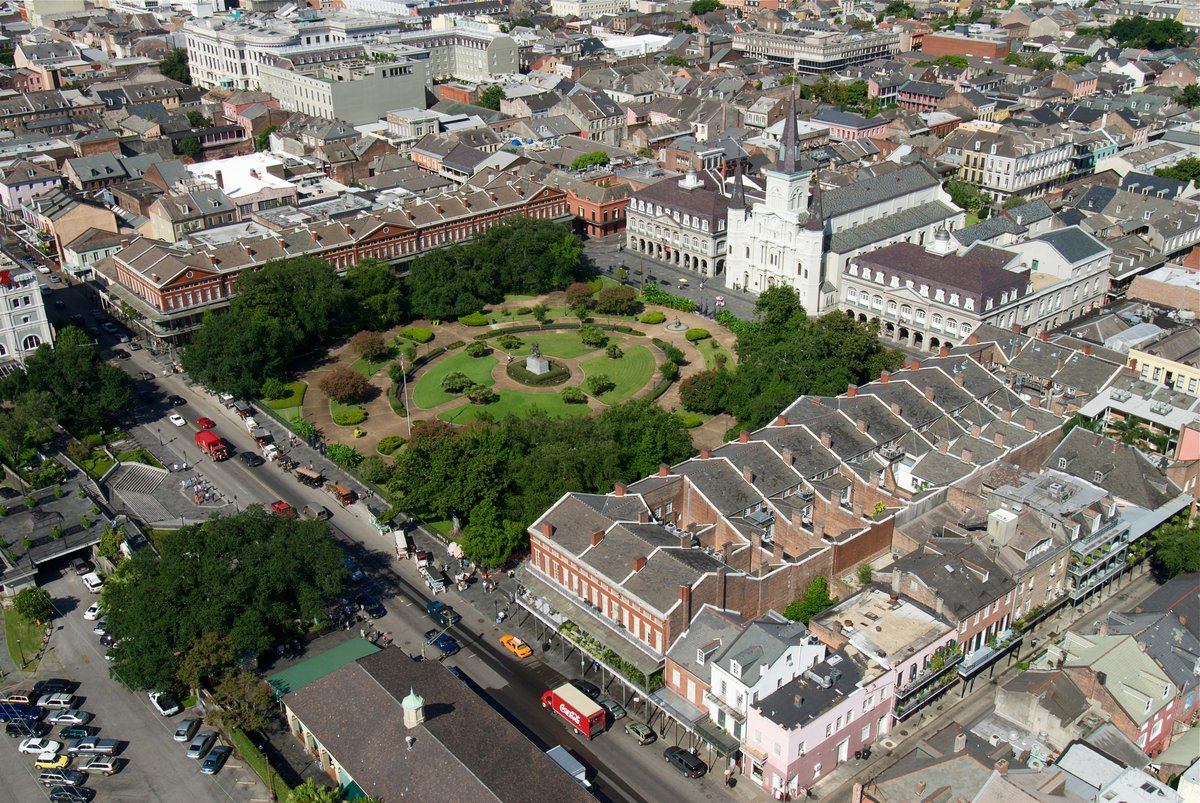
- Jackson Square: Iconic plaza and gathering place.
- St. Louis Cathedral: The oldest cathedral in North America.
- New Orleans Mint: Museum and former U.S. Mint.
- New Orleans Jazz National Historical Park: Exhibits and live performances.
- Frenchmen Street: Live music venues within walking distance (Mapcarta; The Points Guy).
9. Frequently Asked Questions (FAQ)
Q: What are the French Market visiting hours?
A: Farmers Market 10:00 AM–6:00 PM; Flea Market 10:00 AM–5:00 PM; Retail Shops 10:00 AM–5:00 PM; Café du Monde open 24/7.
Q: Is there an entrance fee or tickets required?
A: Entry is free; some events or tours may require tickets.
Q: Is the French Market accessible?
A: Yes, the market is wheelchair accessible.
Q: Are guided tours available?
A: Yes, guided historical and culinary tours are available through local operators.
Q: Are pets allowed?
A: Pets are allowed in open-air areas and must be leashed.
11. Internal Links
- Top New Orleans Historical Sites to Visit
- Best Food Markets in New Orleans
- New Orleans Festival Calendar
- A Visitor’s Guide to the French Quarter
Discover More
The French Market is more than a marketplace; it is a living chronicle of New Orleans’ diverse heritage—offering a vibrant experience of food, music, art, and community. Whether you come for history, cuisine, or culture, the French Market welcomes all with open arms and boundless energy. Plan your visit by checking the latest hours and event details, download the Audiala app for real-time updates, and explore more of New Orleans’ rich tapestry through our recommended guides and itineraries.
Tickets & tours.
These are guided options from our partners — same price as booking direct.
Prices are indicative — final pricing and availability are confirmed at checkout. Audiala may earn a commission from bookings made through these links.
Listen to the full story in the app
The whole French Market,
told well.
Audio guides for 1,100+ cities across 96 countries. History, stories, and local insight — offline ready.
Verified, and shown.
Researched and written by the Audiala editorial team from historical records, architectural archives, and local expertise.
History
French Market. Wikipedia
French Market New Orleans
New Orleans Itinerary
French Market History
Researched from Wikidata, Wikipedia & official sources · fact-checked · How we make our guides →