Plan and listen to Dillard University with Audiala.
Audio guide in your pocket, itinerary in your browser. Built for the way you actually visit.
Introduction
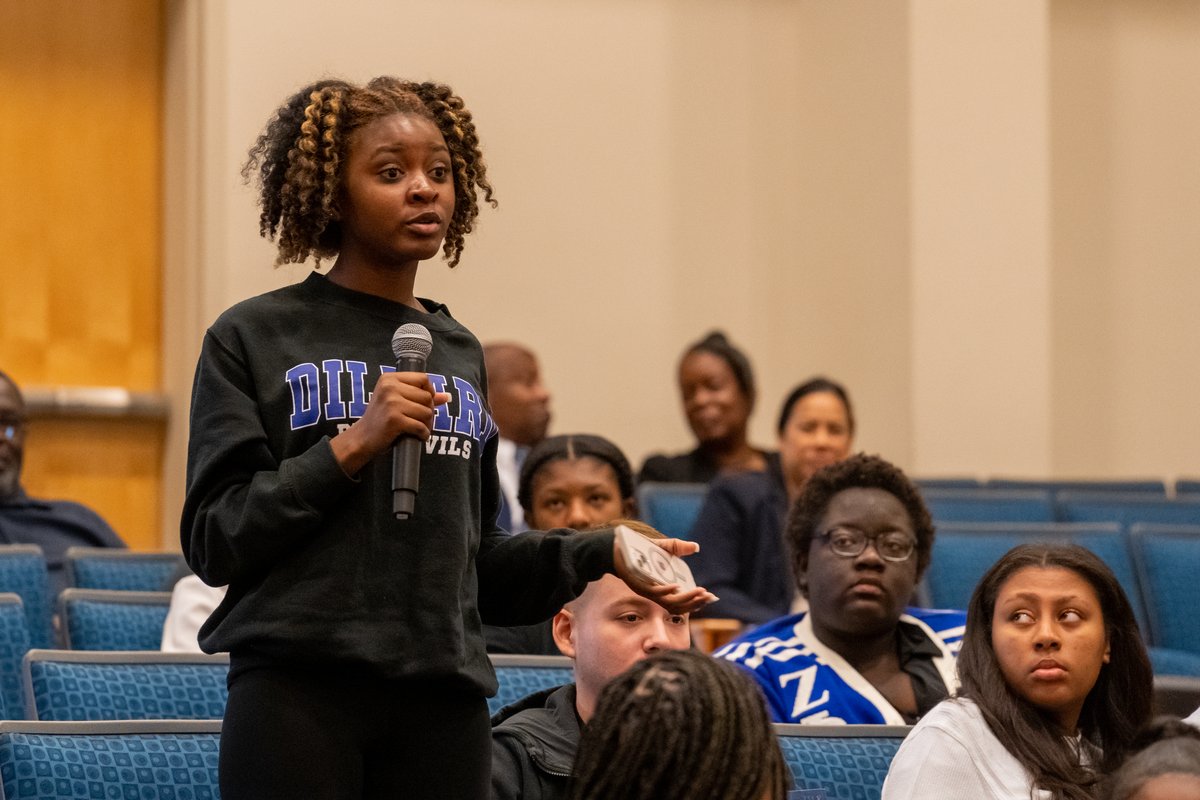
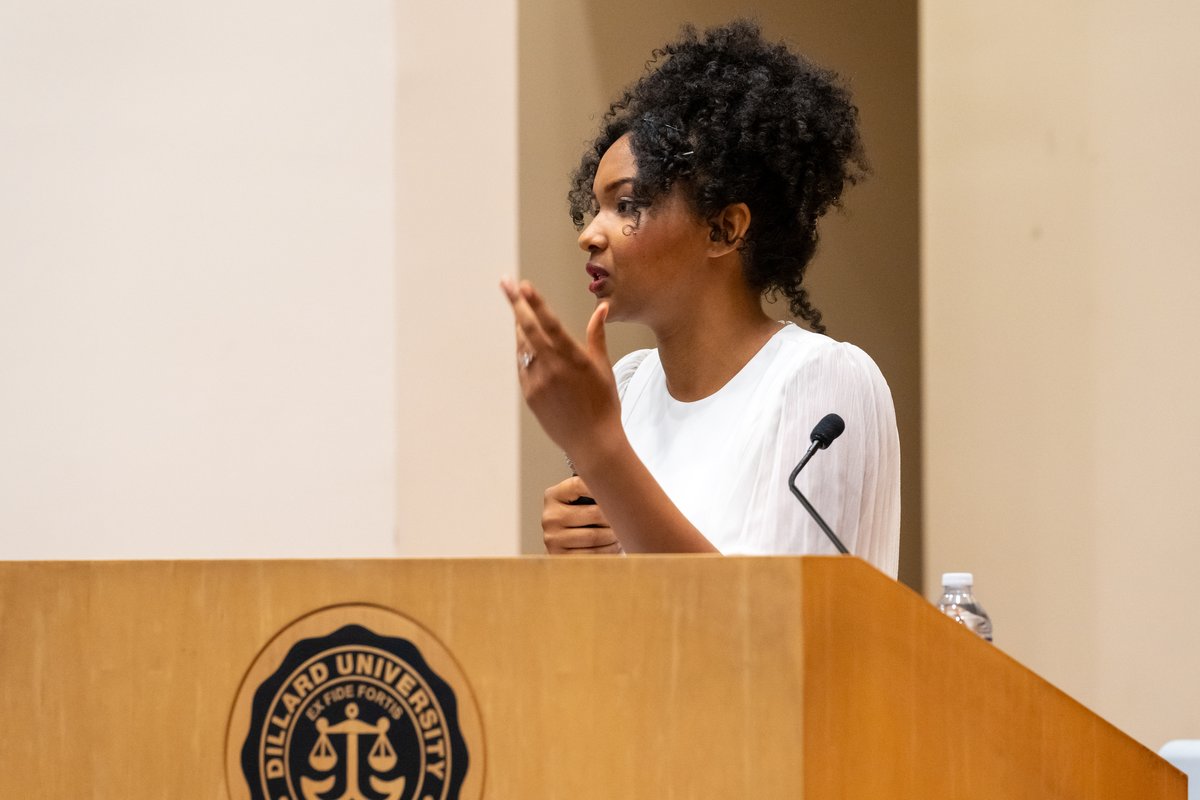
Dillard University, a distinguished Historically Black College and University (HBCU), is nestled in the historic Gentilly neighborhood of New Orleans. Revered for its Neoclassical architecture, legacy of academic excellence, and deep cultural roots, Dillard serves as a beacon of education, social justice, and resilience. Founded in 1930 through the merger of two post-Civil War institutions dedicated to empowering African Americans, Dillard continues to thrive as both an academic leader and a cultural landmark.
This guide offers comprehensive details for visitors—including campus hours, tour bookings, accessibility, ticketing, and tips for exploring both the university and nearby New Orleans historical sites. Whether you are a prospective student, history enthusiast, or cultural traveler, this resource will help you plan a rewarding visit to Dillard University and discover the rich tapestry of New Orleans.
For the latest information, always consult the official Dillard University website and local visitor resources (NewOrleans.com).







About Dillard University
Dillard University’s origins date back to Straight College and New Orleans University, founded in the aftermath of the Civil War to provide higher education for newly freed African Americans. Merging in 1930, Dillard was established as a premier institution devoted to academic rigor, cultural enrichment, and social equity. Today, Dillard is recognized for producing influential leaders and fostering a dynamic campus community that honors its historic legacy.
Visitor Information: Hours, Tours, and Accessibility
Visiting Hours
Dillard University welcomes visitors Monday through Friday from 8:00 AM to 5:00 PM. Weekend visits are available by appointment. Always check for holiday closures or special event adjustments on the official site.
Campus Tours
- Guided Tours: Offered Monday to Friday at 10:00 AM and 2:00 PM. Advance reservations are strongly recommended and can be made online or by contacting the Visitor Center.
- Self-Guided Tours: Maps are available for independent exploration.
- Booking: Schedule tours at least two weeks in advance, especially during peak periods (Visit Dillard University).
Accessibility
Dillard’s campus is designed for inclusivity, with wheelchair-accessible buildings, ramps, and paved walkways. Contact the Visitor Center ahead of your visit if you require specific accommodations. An accessibility map is available online.
Ticketing
General campus visits and tours are free of charge. Certain special events or performances may require tickets, available via the Dillard Events Calendar.
Nearby Historical Attractions in New Orleans
Located in the Gentilly district, Dillard University is a gateway to several prominent New Orleans sites:
- New Orleans Jazz Museum: Celebrate the city’s musical legacy.
- Bayou Sauvage National Wildlife Refuge: Explore one of the nation’s largest urban wildlife refuges.
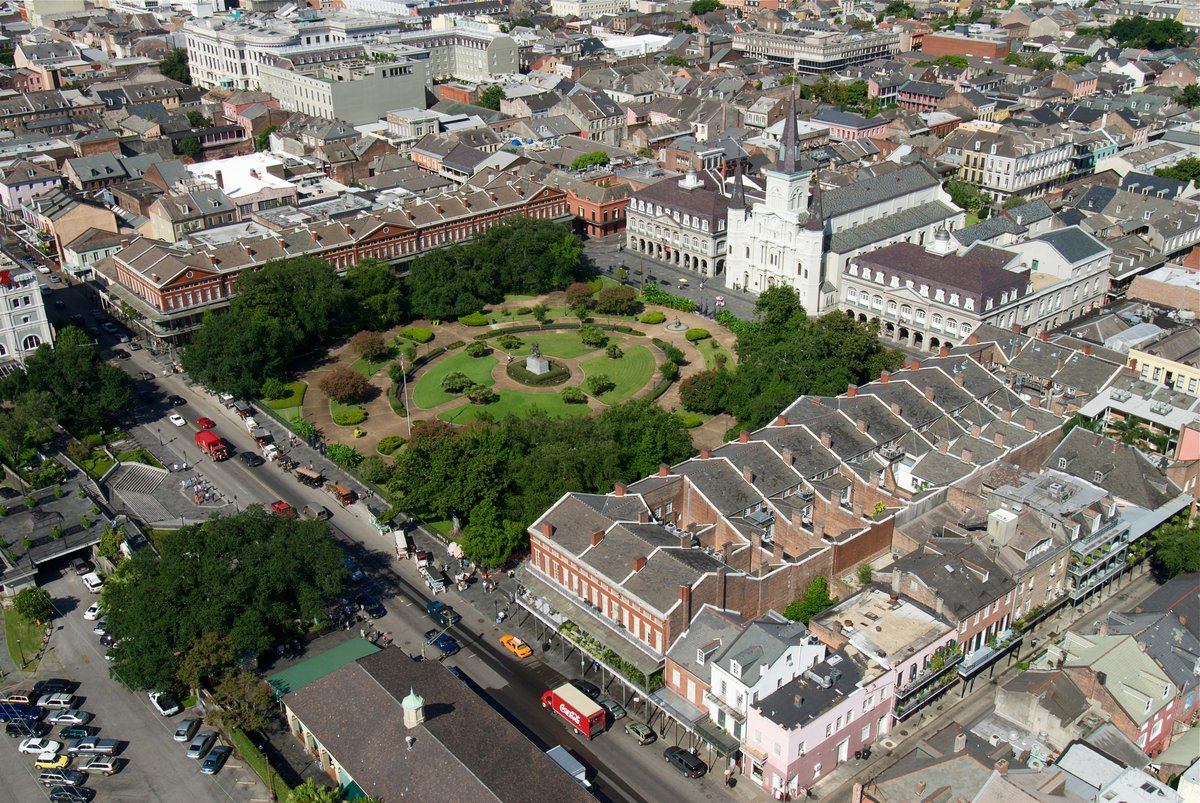
- French Quarter: Iconic architecture, music, and dining, just minutes away.
- City Park & New Orleans Museum of Art: Cultural and recreational spaces close by.
Dining options near campus include The Munch Factory and PeeWee’s Crabcakes on the Go (NewOrleans.com).
History and Cultural Significance
Dillard University traces its roots to the Reconstruction-era mission of advancing African American education. As Louisiana’s first historically Black university, Dillard has played a pivotal role in the city’s civic and cultural development, shaping the Black middle class and producing notable alumni such as Dr. Ruth Simmons, Ellis Marsalis Jr., and Garrett Morris.
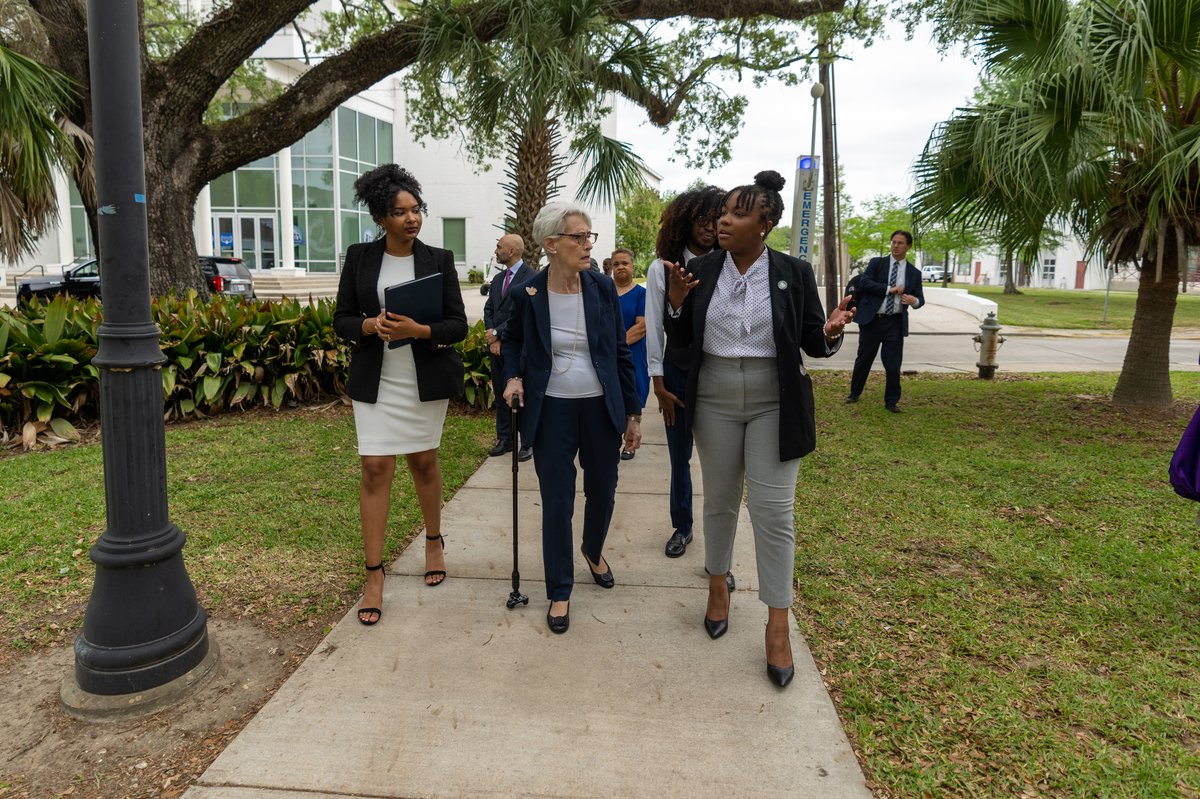
The university’s campus, designed by architect Moise Goldstein, features the renowned Avenue of the Oaks and is listed on the National Register of Historic Places for its educational and architectural importance.
Social Justice and Community Impact
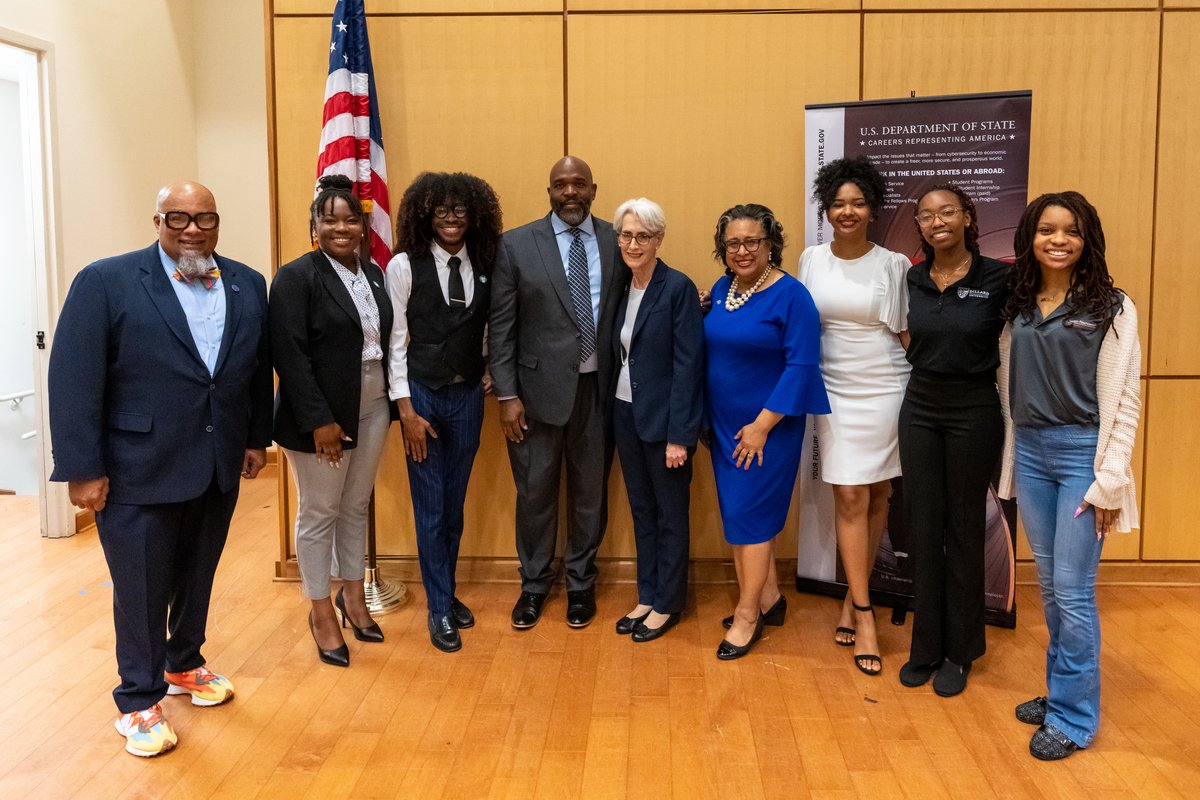
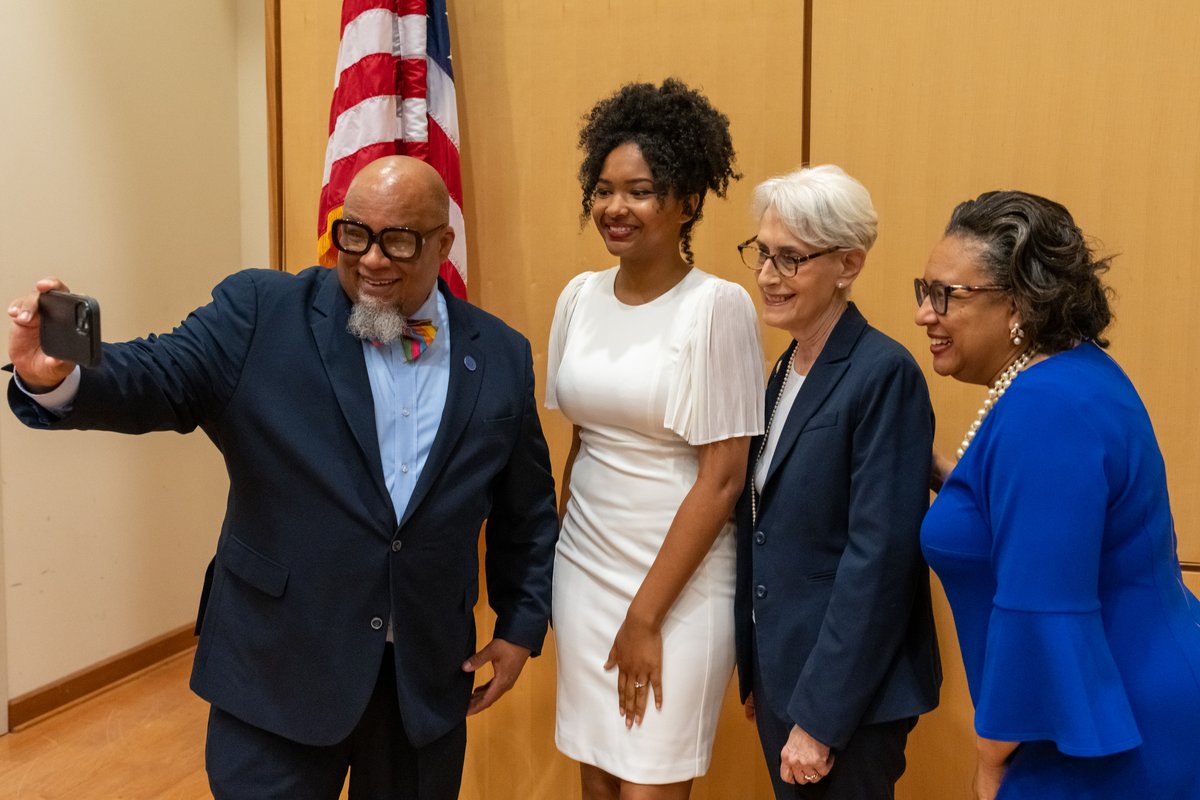
Dillard’s legacy is deeply connected to social justice and historical accountability. Notably, the university led the repatriation and reburial of the remains of 19 Black Americans, reflecting its dedication to honoring history and promoting healing. The campus regularly hosts events, lectures, and conferences focused on civil rights, genealogy, and African American heritage, including the annual GenFest genealogy conference (GenFest 2025).
Resilience and Recovery
Dillard University demonstrated remarkable resilience after Hurricane Katrina in 2005, rapidly recovering from substantial damages and continuing its tradition of academic excellence and community leadership. The university’s efforts in disaster recovery, civic engagement, and health disparities initiatives reinforce its role as a cornerstone in both the local and national African American community.
Arts, Culture, and Civic Engagement
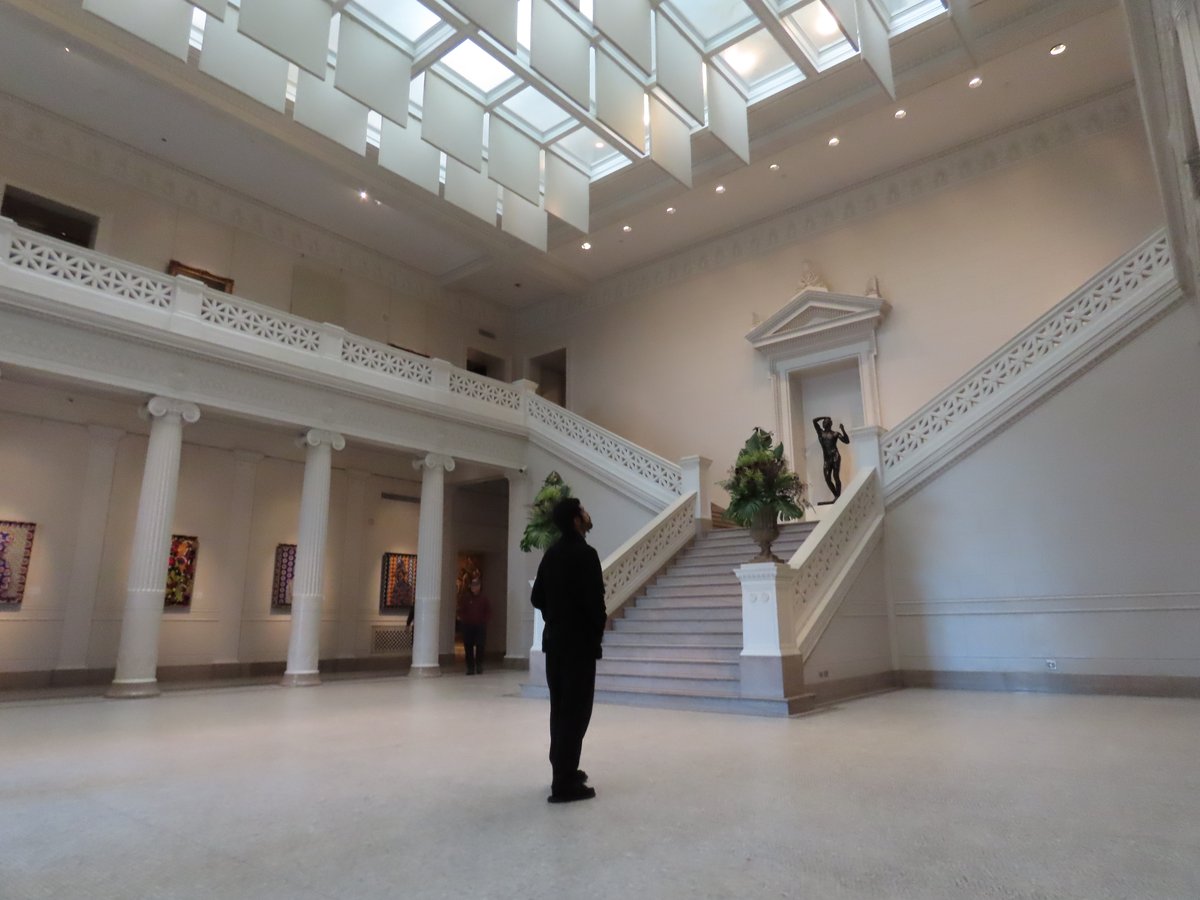
The campus is a vibrant center for arts and culture, home to the Dillard Players theater group, an acclaimed Fine Arts Gallery, and student-run radio. Dillard students and faculty regularly participate in regional art showcases and cultural programs, contributing to New Orleans’ creative landscape.
Sustainability and Innovation
Dillard is a leader in campus sustainability and community resilience. With the establishment of its Office of Sustainability in 2023 and significant grants such as the $19.9 million Community Change Grant from the US EPA, Dillard prioritizes energy efficiency, environmental stewardship, and sustainable campus practices (History & Traditions).
Events and Special Programs
- SOAR (New Student Orientation): Annual August event to welcome new students (Visit Dillard University).
- Commencement: Celebrating academic achievements; recent ceremonies have adapted to weather and safety needs (Commencement Update).
- Art and Cultural Showcases: Including collaborations with the Ogden Museum and local arts festivals (DU News).
Practical Visitor Tips
- Scheduling: Book tours at least two weeks in advance, especially for groups or during busy seasons.
- Accessibility: The campus is walkable and accessible; consult the campus map for details.
- Transportation: Located at 2601 Gentilly Boulevard, accessible via car, rideshare, and public transit (NOLA Travel Tips).
- Dining: On-campus cafeterias and nearby local eateries offer a variety of cuisines.
- Accommodations: A range of hotels and guesthouses are nearby; book early during major events (The Broke Backpacker).
- Weather: Spring and fall are ideal for visits; pack for humidity and occasional rain.
Frequently Asked Questions (FAQ)
Q: What are Dillard University’s visiting hours?
A: Monday through Friday, 8:00 AM to 5:00 PM. Weekend visits require appointments.
Q: Are campus tours offered?
A: Yes, guided tours are available by reservation; self-guided maps are also provided.
Q: Is there a fee to visit or tour the campus?
A: General visits and tours are free; some events require tickets.
Q: Is the campus accessible?
A: Yes, most buildings and pathways are wheelchair accessible.
Q: Where can I park?
A: Visitor parking is available near main entrances; accessible spaces are designated.
Q: Are dining options available?
A: Yes, both on-campus and nearby restaurants offer a variety of dining choices.
Recommended Activities
- Join a student-led campus tour for a personalized experience.
- Explore the Avenue of the Oaks and historic architecture.
- Attend special programs or cultural events for deeper engagement.
- Visit nearby New Orleans landmarks to enrich your itinerary.
Contact Information
- Address: 2601 Gentilly Boulevard, New Orleans, LA 70122
- Main Phone: (504) 283-8822
- Admissions: (504) 816-4670 / 1-800-216-6637
- Email: [email protected]
- Website: https://www.dillard.edu/
Listen to the full story in the app
The whole Dillard University,
told well.
Audio guides for 1,100+ cities across 96 countries. History, stories, and local insight — offline ready.
Verified, and shown.
Researched and written by the Audiala editorial team from historical records, architectural archives, and local expertise.
Researched from Wikidata, Wikipedia & official sources · fact-checked · How we make our guides →