Plan and listen to Crescent City Base Ball Park with Audiala.
Audio guide in your pocket, itinerary in your browser. Built for the way you actually visit.
Introduction
Crescent City Base Ball Park occupies a distinguished place in the history of American baseball and New Orleans’ sporting heritage. Established in the late 19th century, the park played a central role in the city's adoption and development of baseball, serving as a venue for not only professional and collegiate games but also for cultural innovations that would influence the sport nationwide. Although the original ballpark has long since been demolished, its legacy endures in the city’s neighborhoods, museums, and ongoing community traditions.
This comprehensive guide details the origins, historical significance, and cultural impact of Crescent City Base Ball Park, while providing practical information and travel tips for those wishing to explore its historical footprint and nearby attractions in New Orleans. Whether you are a baseball enthusiast, a history buff, or a curious traveler, this guide aims to enrich your appreciation of New Orleans’ enduring baseball legacy (New Orleans Baseball History, Wikipedia: Crescent City Base Ball Park, New Orleans Sports History).
Baseball’s Early Roots in New Orleans
Baseball in New Orleans began in the mid-19th century, with amateur leagues holding matches as early as 1859 on the Delachaise Estate. Early clubs such as the Lone Star Base Ball Club (1859), Comet Base Ball Club (1860), and Pelican Base Ball Club (1865) marked the city’s initial enthusiasm for the game. In 1867, the establishment of the Louisiana Base Ball Association signaled a lasting commitment to organized play.
The city’s reputation as a baseball hub grew during the 1870s, particularly with the hosting of the first spring training camp in 1870 by the Chicago White Stockings (now the Cubs), who played the Cincinnati Red Stockings and spent several weeks in the city (New Orleans Baseball History). These developments set the stage for New Orleans' later prominence in the professional baseball landscape.
The Rise of Crescent City Base Ball Park
Crescent City Base Ball Park officially opened on February 9, 1888, at the intersection of City Park Avenue and what is now the Pontchartrain Expressway, near Greenwood Cemetery. The park was built during a period of rapid urban growth and rising interest in organized sports. It quickly became the city’s premier baseball venue, replacing earlier grounds such as Sportsman’s Park and accommodating the swelling crowds drawn by the game (Wikipedia: Crescent City Base Ball Park).
The stadium featured wooden grandstands and open-air seating, making it typical of late-19th-century ballparks. Its central location made baseball accessible to a wide spectrum of New Orleans residents.
Notable Teams, Events, and Innovations
The New Orleans Pelicans
The New Orleans Pelicans, the city’s storied Southern League team, called Crescent City Base Ball Park home from 1887 to 1900. Under the management of Abner Powell, the Pelicans enjoyed considerable success, winning their first pennant in 1887 and quickly becoming a focal point for local fans (New Orleans Baseball History). The team’s roster included notable players like Charles “Count” Campau and Ed Cartwright.
Collegiate and Exhibition Games
The ballpark also hosted significant collegiate contests, such as the first intrastate collegiate baseball game in Louisiana between Tulane and LSU on January 8, 1888. Additionally, the park provided a stage for exhibition games featuring major league teams, including the Chicago White Sox and Philadelphia Athletics.
Innovations That Changed Baseball
Crescent City Base Ball Park was the site of several influential innovations:
- Ladies’ Day: Abner Powell introduced regular Ladies’ Day events, encouraging women’s attendance and family-friendly environments.
- Rain Checks: Powell also pioneered detachable rain checks, which improved ticketing integrity and fan experience.
- Knothole Gang: Children from local neighborhoods were granted free entry once a week, fostering youth engagement with the sport.
- Canvas Tarpaulins: The park was among the first to use canvas tarpaulins to protect the infield during rain, a practice now standard across baseball.
These innovations helped shape fan engagement and ballpark management nationwide (New Orleans Baseball History).
African American Baseball and the Negro Leagues
While Crescent City Base Ball Park primarily hosted white teams, New Orleans was a key city for Black baseball as well. Teams like the New Orleans Crescent Stars and the Black Pelicans flourished in the Negro Leagues, with the Crescent Stars winning the NSL pennant in 1933 (64 Parishes: Negro Leagues of Louisiana).
Crescent City Base Ball Park’s Cultural and Architectural Legacy
The park’s existence paralleled the development of other major public spaces in New Orleans, such as City Park and Audubon Park, reflecting the City Beautiful movement and the city’s dedication to public recreation (TCLF: New Orleans Landscape Legacy). Crescent City Base Ball Park was not just a venue for sports, but also a vital social gathering place that fostered civic pride and brought together diverse communities.
The Park’s Decline and Ongoing Influence
By the early 20th century, newer and more modern venues like Pelican Park (opened in 1908) began to supplant Crescent City Base Ball Park. The Pelicans moved to their new home, and the original ballpark was eventually demolished (New Orleans Baseball History). Despite this, Crescent City Base Ball Park’s influence on baseball culture—particularly its innovations in fan engagement and inclusivity—remains foundational.
Visiting the Site Today: What to Expect
Crescent City Base Ball Park no longer exists as a physical venue, but its former location can be explored as part of New Orleans historical sports tours (List of Baseball Parks in New Orleans). The site is situated near the intersection of South Carrollton Avenue and Tulane Avenue, now a bustling urban environment.
While no original structures remain, interpretive plaques and local markers occasionally reference the site’s sporting past. Exploring the neighborhood, visitors can sense the enduring spirit of the city’s baseball legacy.
Nearby Attractions
- City Park: Offers walking trails, gardens, sports fields, and cultural institutions such as the New Orleans Museum of Art (City Park Visitor Guide).
- Greenwood Cemetery: A historic cemetery across from the former ballpark site.
- Louisiana Sports Hall of Fame: Features exhibits on baseball and other regional sports (New Orleans Sports History).
- French Quarter and Treme: Neighborhoods rich in history, music, and multicultural traditions.
For a full immersion, consider visiting the New Orleans Public Library or local historical societies, which maintain archives and memorabilia.
Essential Visitor Information and Travel Tips
Location and Accessibility
- Location: Near South Carrollton Avenue and Tulane Avenue, New Orleans.
- Accessibility: The area is served by public transit, including buses and streetcars. Sidewalks and paved paths make the neighborhood and nearby City Park accessible.
Weather and Best Times to Visit
- Spring and Fall: Milder weather, ideal for walking tours.
- Summer: Hot and humid with frequent showers; pack light clothing and rain gear (New Orleans Weather).
Transportation and Parking
- Public Transit: Utilize city buses and streetcars for easy access.
- Parking: Metered street parking and commercial lots available, with details provided by NewOrleans.com.
Local Culture and Amenities
- Neighborhood bars, cafes, and restaurants often display vintage baseball memorabilia.
- City Park offers recreational facilities and art gardens (City Park Attractions).
- Most local venues are accessible, and assistance is available for those with disabilities (Wheelchair-Friendly Guide).
Frequently Asked Questions (FAQ)
Q: Can I visit Crescent City Base Ball Park today?
A: The park itself was demolished in the early 20th century, but the site is freely accessible and can be visited at any time.
Q: Are there any markers or memorials at the site?
A: There is no dedicated marker, but local tours and historical resources often reference the former ballpark.
Q: Are guided tours available?
A: Various walking and history tours of Uptown and City Park include stops related to New Orleans baseball heritage (Local Tours).
Q: Where can I learn more about New Orleans baseball history?
A: Visit museums such as the Louisiana Sports Hall of Fame, local archives, or online resources (New Orleans Baseball History).
Q: What are the best times to visit?
A: Spring and fall for mild weather; summer for lower prices but higher heat and humidity.
Visuals and Media Recommendations
- Historic photographs of Crescent City Base Ball Park (“Crescent City Base Ball Park historical photos”).
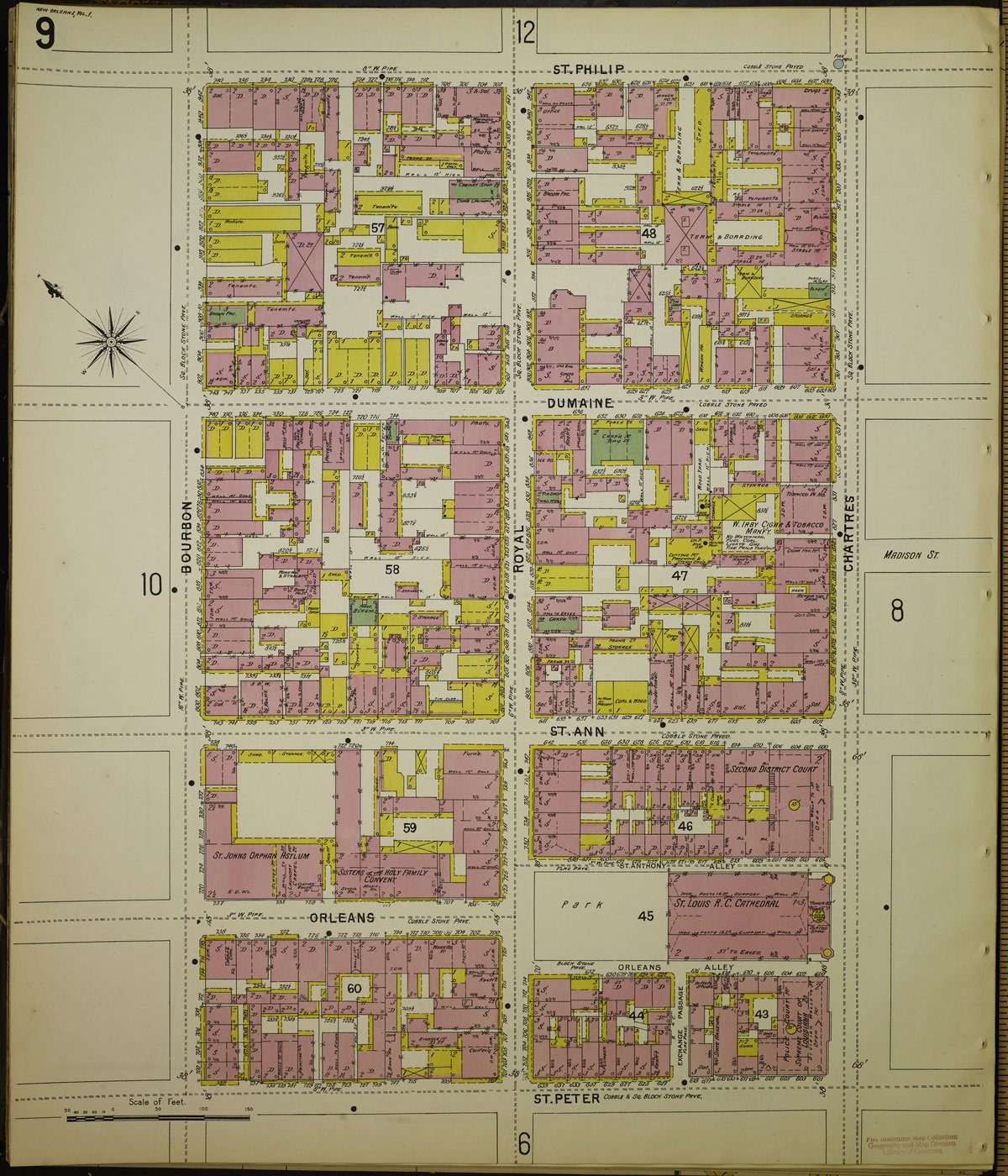
- Maps illustrating the former location relative to modern New Orleans.
- Images of City Park, Greenwood Cemetery, and neighborhood baseball memorabilia.
Listen to the full story in the app
The whole Crescent City Base Ball Park,
told well.
Audio guides for 1,100+ cities across 96 countries. History, stories, and local insight — offline ready.

Verified, and shown.
Researched and written by the Audiala editorial team from historical records, architectural archives, and local expertise.
Researched from Wikidata, Wikipedia & official sources · fact-checked · How we make our guides →