Athletic Park: History, Role, and Cultural Impact
Founding and Early Years
Athletic Park emerged in the late 19th and early 20th centuries as New Orleans’ enthusiasm for organized sports blossomed. Strategically located near streetcar lines in Mid-City, it served primarily as a baseball venue but also hosted football, track meets, and community events. The park’s wooden grandstands and open-field layout typified early American ballparks, offering an intimate fan experience (History.com).
Place in New Orleans Baseball History
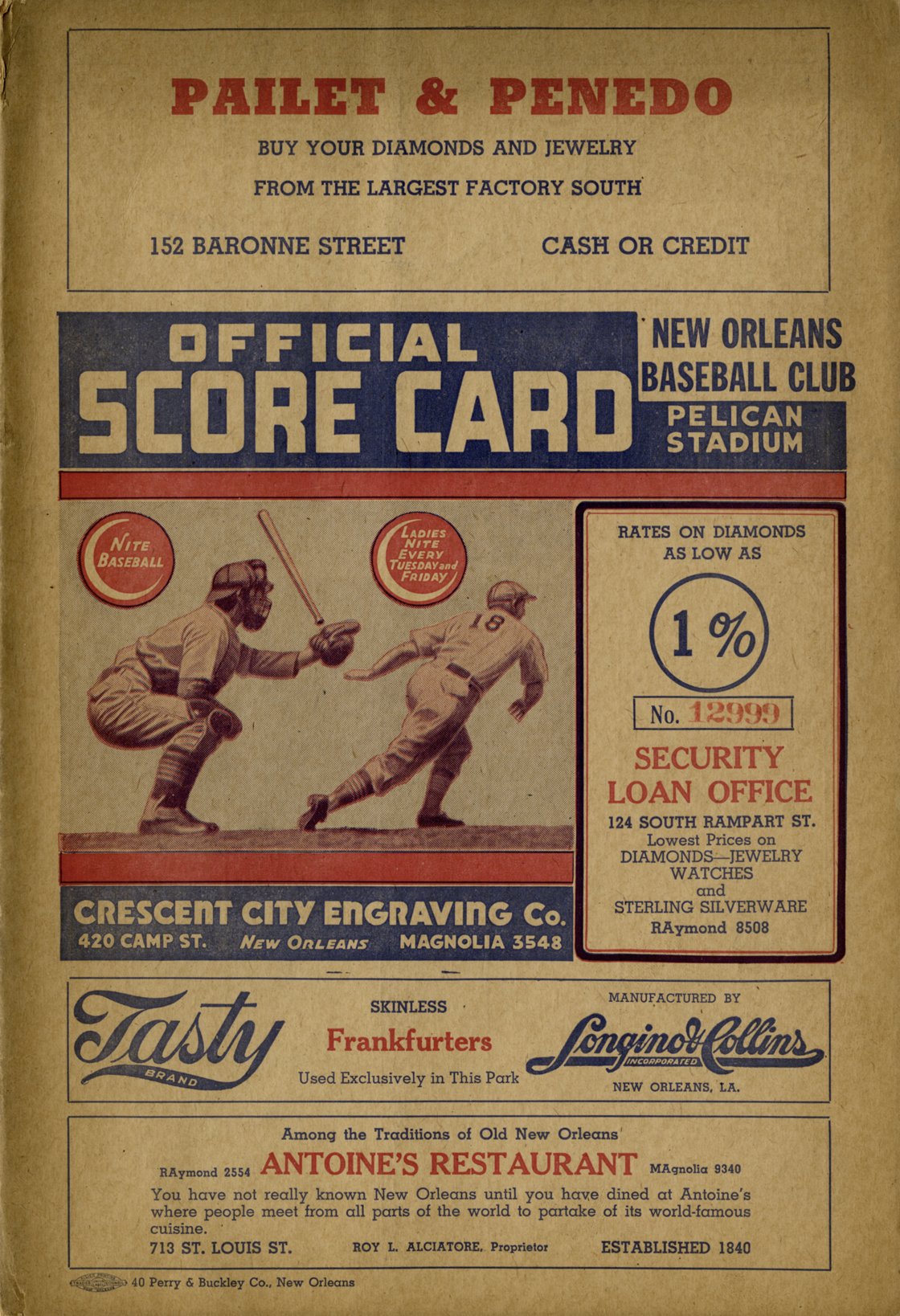
As the original home of the New Orleans Pelicans, Athletic Park hosted pivotal games, exhibition matches with major league teams, and fostered local baseball culture. It played a unique role in a segregated era by occasionally welcoming African American teams and players, paving the way for broader inclusion in sports (Streets of New Orleans; NewOrleans.com).
Architectural Features
The park featured classic wooden bleachers, a covered grandstand, and a manual scoreboard. Its open design, modest amenities, and proximity to transit created a festive, accessible atmosphere that helped define New Orleans’ sports heritage (PRCNO).
Cultural and Social Significance
Beyond sports, Athletic Park served as a community hub, reflecting and shaping New Orleans’ diverse social fabric. It was a site for local pride, interaction, and gradual social progress during segregation (NewOrleans.com).
Decline and Legacy
By the mid-20th century, newer facilities and changing entertainment tastes led to the park’s decline and eventual disappearance. Despite its physical absence, Athletic Park’s spirit lives on through the city’s collective memory, archival preservation, and ongoing community pride (Britannica).
Experiencing Athletic Park’s Legacy Today
Tours and Museums
- Guided Walking Tours While the park itself is gone, several tours of New Orleans’ sports history include stops in Mid-City, offering stories and context about Athletic Park’s role in the city’s athletic evolution.
- Louisiana Sports Hall of Fame & Historic New Orleans Collection Both institutions offer exhibitions, photographs, and archives on local sports heritage (HNOC).
- Self-Guided Exploration The Mid-City neighborhood retains much of its early 20th-century character. Walking the area around Tulane Avenue and South Carrollton Avenue offers a sense of the park’s former presence.
Nearby Attractions
- City Park Home to modern sports facilities, gardens, and the New Orleans Museum of Art (City Park).
- Caesars Superdome Host to NFL games, Super Bowls, and major events (NewOrleans.com).
- Mid-City Dining Enjoy authentic local cuisine at neighborhood eateries.
Visitor Information and Travel Tips
Getting There
- Location The former Athletic Park site is in Mid-City, historically near Tulane Avenue between South Carrollton Avenue and South Pierce Street (Wikipedia).
- Transportation The RTA’s streetcars and buses make reaching Mid-City simple and affordable. The Canal Street line is particularly convenient (GoFarGrowClose).
- Parking Metered and lot parking is available but limited; arrive early for events or during busy times.
Accessibility
The area is generally accessible, though some sidewalks may be uneven. Public transit and many venues in New Orleans are ADA-compliant.
Safety
- Stick to main streets and well-trafficked areas during daylight hours.
- Remain vigilant after dark and avoid unfamiliar neighborhoods (TheBrokeBackpacker).
- Secure valuables and avoid displaying expensive items.
Weather
- Summers are hot and humid; bring lightweight clothing, water, and sun protection.
- Hurricane season runs from June to November; monitor local news and advisories (MintNotion).
Frequently Asked Questions (FAQ)
Q: Can I visit Athletic Park today?
A: No, the original stadium no longer exists, but you can explore its legacy via walking tours, museums, and self-guided visits in the Mid-City neighborhood.
Q: Are there any markers at the former site?
A: There are currently no official historical markers at the location. Local archives and museums provide context and information.
Q: Which modern venues continue New Orleans’ sports legacy?
A: The Caesars Superdome, City Park, and Tad Gormley Stadium are among the city’s prominent current sporting venues (City Park).
Q: How do I get to the former Athletic Park area?
A: Use the Canal Street streetcar or local bus lines to reach Tulane Avenue in Mid-City.
Key Takeaways and Visitor Tips
- Athletic Park’s physical structure is gone, but its legacy remains vital to New Orleans’ sports and community identity (HNOC; Wikipedia).
- Explore Mid-City, participate in historical tours, and visit institutions like the Louisiana Sports Hall of Fame or the Historic New Orleans Collection (PRCNO; NewOrleans.com).
- Modern venues such as the Caesars Superdome and City Park continue the tradition of athletic excitement and community engagement (NewOrleans.com).
- Use public transportation for convenience and an authentic New Orleans experience.
- Stay informed on safety, weather, and local customs to enhance your visit.
For up-to-date information on New Orleans tours, historical sites, and special events, download the Audiala app and follow trusted platforms offering curated city guides.