About the Wisconsin Workers Memorial
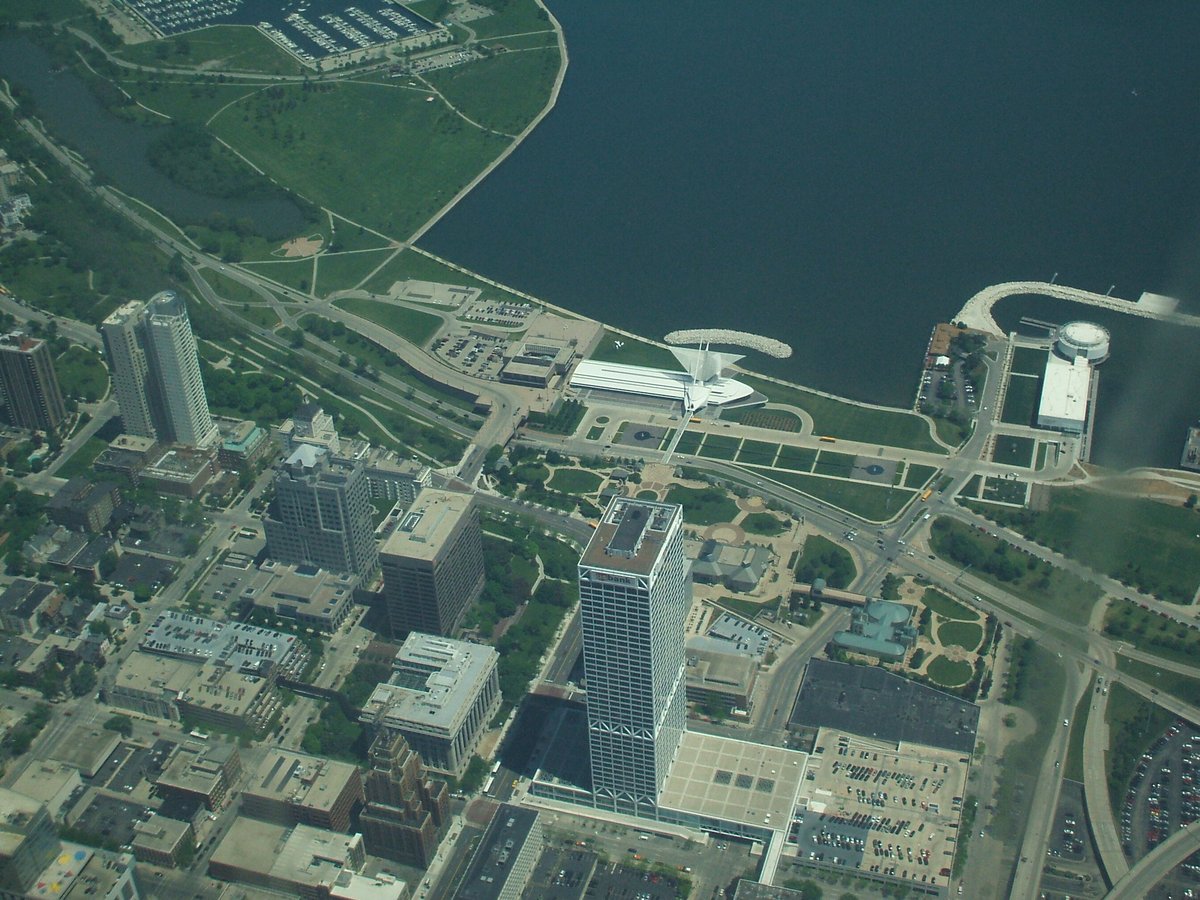
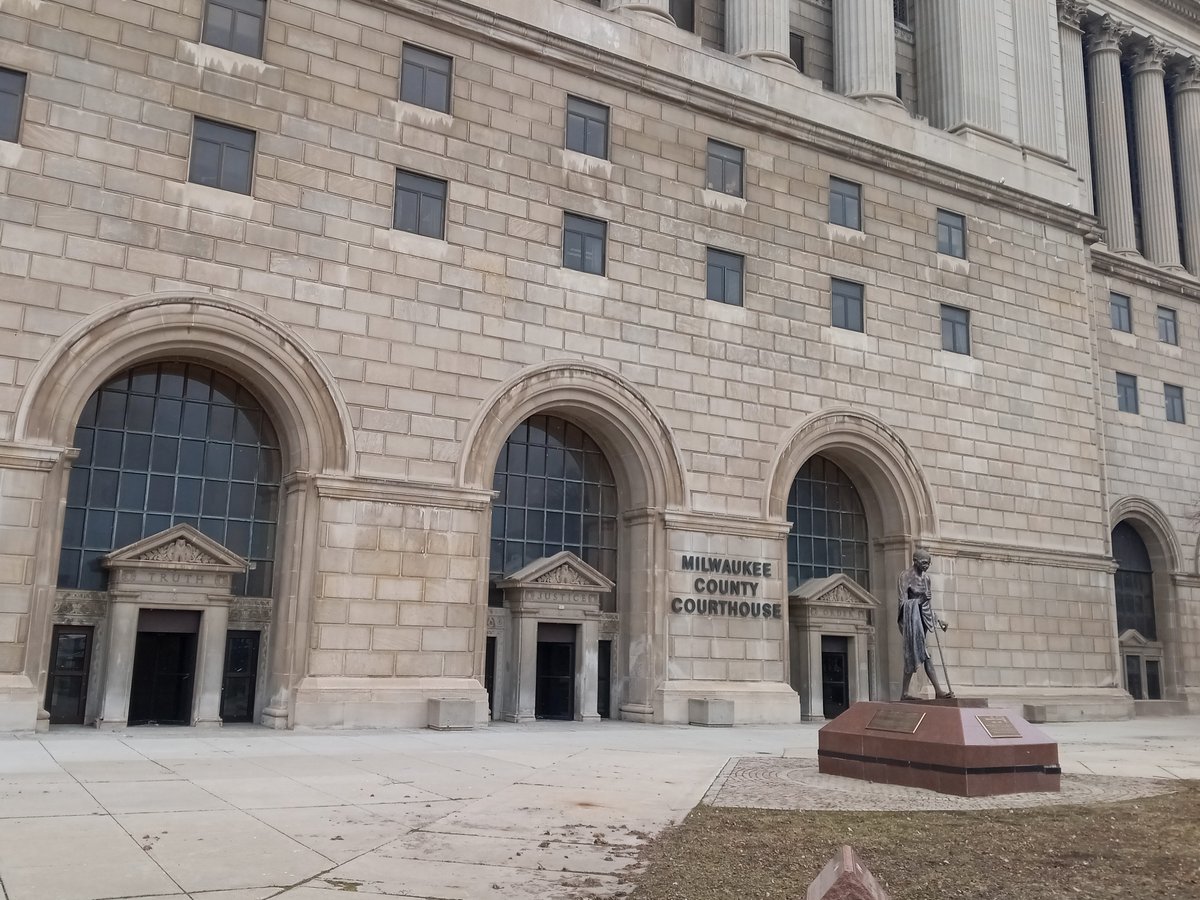
The Wisconsin Workers Memorial in Milwaukee is a monument to the courage, resilience, and sacrifices of Wisconsin’s working people. Located in Zeidler Union Square, it commemorates the state’s labor legacy, including the Bay View Massacre of 1886 and the broader struggle for fair labor standards such as the eight-hour workday.
As Wisconsin changed from an agricultural to an industrial state, workers faced difficult conditions that helped spur labor activism, legislation, and community solidarity (School for Workers, UW–Madison; Libcom: Bay View Massacre). The memorial is also a gathering place for annual Workers Memorial Day ceremonies, educational events, and labor rallies.
History
The eight-hour-day movement and Bay View Massacre
During the 19th-century industrial boom, eastern Wisconsin became a manufacturing center for lumber, wood, paper, and food processing (School for Workers, UW–Madison). Workers often labored ten hours a day, six days a week, for modest wages, with little job security and frequent workplace injuries (Libcom: Bay View Massacre).
The demand for an eight-hour workday led to a major demonstration in Milwaukee on May 1, 1886. On May 5, the Wisconsin National Guard fired on striking workers at Bay View Rolling Mills, killing seven people, including a child. The tragedy, known as the Bay View Massacre, became a catalyst for reform and is commemorated at the memorial (Libcom: Bay View Massacre).
Lasting influence
The massacre galvanized support for labor rights. The eight-hour workday was eventually adopted, followed later by the Fair Labor Standards Act of 1938 (School for Workers, UW–Madison). Wisconsin also pioneered workers’ compensation, unemployment insurance, and collective bargaining precedents (Wisconsin Historical Society).
What to see
The memorial’s central sculpture features interlocking hands, gears, and tools—symbols of labor and solidarity. Surrounding plaques list workers who lost their lives on the job and display quotes from labor leaders. Many plaques are multilingual, reflecting Milwaukee’s diverse workforce. Granite and steel evoke the strength of Wisconsin’s labor movement.
Integrated into the park, the memorial has paved, accessible pathways, benches, and native plantings. Energy-efficient lighting supports evening vigils and events, while the design provides space for reflection and community gatherings.
The memorial also hosts school field trips, university programs, and educational tours that encourage intergenerational discussion of labor history (Encyclopedia of Milwaukee; Wisconsin Historical Society). For families and colleagues, it offers a place for public mourning and community healing, especially during annual ceremonies (Spectrum News 1). Gatherings also raise awareness, mobilize public opinion, and support advocacy for safer working conditions (Wisconsin AFL-CIO).
Images and videos of the memorial and its events are available on Milwaukee tourism and labor organization websites. Interactive maps and virtual tours are available online through the Visit Milwaukee Official Site.
Practical visiting information
Location
Address: Zeidler Union Square, 301 W Michigan St, Milwaukee, WI 53203
Hours and admission
- Hours Open daily, dawn to dusk (typically 6:00 AM–10:00 PM)
- Admission Free; no tickets required
- The memorial is outdoors and open year-round.
Accessibility and transportation
- Wheelchair accessible, with paved paths and accessible seating
- Service animals welcome
- Accessible by public transportation, including MCTS bus routes
- Parking garages are nearby
Tours and events
Seasonal guided tours are available through local historical societies and the Milwaukee Public Museum; check their websites for details.
- Workers Memorial Day (April 28) Annual ceremony with speeches, music, and wreath-laying (Wisconsin AFL-CIO). Ceremonies also include readings of names and the playing of “Taps” (Spectrum News 1). Labor leaders, union members, and advocates gather to remember past struggles and call for safer workplaces.
- Labor Day The memorial serves as a parade staging ground and celebration site.
- Spring to early fall Pleasant weather for outdoor visits.
Tips
- Visit during a special event for a fuller sense of the memorial’s community role.
- Use public transit or a nearby parking garage.
- Dress for the weather; the memorial is outdoors.
- Explore the plaques and graphic panels for historical context.
- Combine the visit with other downtown attractions.
- The Audiala app offers guided tours, curated tours, updates, and event listings.
Nearby places
- Bay View Neighborhood Historic labor district with dining and shopping.
- Milwaukee Public Museum Labor and city history exhibits.
- Milwaukee Art Museum Collections and iconic architecture.
- Historic Third Ward Galleries, theaters, and nightlife.
- Milwaukee Public Market Local foods and vendors.
- Pabst Theater and Milwaukee Riverwalk Culture and scenic walks.
Frequently asked questions
What are the Wisconsin Workers Memorial visiting hours?
It is open daily from dawn to dusk, typically 6:00 AM–10:00 PM. Admission is free.
Where is the memorial located?
It is in Zeidler Union Square at 301 W Michigan St, downtown Milwaukee.
Is the memorial wheelchair accessible?
Yes. It has paved paths and accessible seating.
Are guided tours available?
Seasonal tours are offered through local historical societies and museums, including the Milwaukee Public Museum.
What are the major annual events?
Workers Memorial Day on April 28 and Labor Day celebrations.
Are restrooms or food services onsite?
No. Downtown Milwaukee has nearby options.
Can I reach the memorial by public transportation?
Yes. Several bus routes serve the area, including MCTS routes.