Historical Background
Origins and Commissioning
Commissioned following the Civil War, the Spirit of Commerce was envisioned by architect Edward Townsend Mix for the Milwaukee Grain Exchange and Chamber of Commerce Building. Gustav Haug, a German immigrant who contributed extensively to Milwaukee’s architectural ornamentation, sculpted the statue using zinc—a popular, cost-effective medium for public art at the time. The statue was cast in New York for $1,500, a significant investment meant to honor Milwaukee’s commercial ascendancy (Everything Explained).
Symbolism and Artistic Features
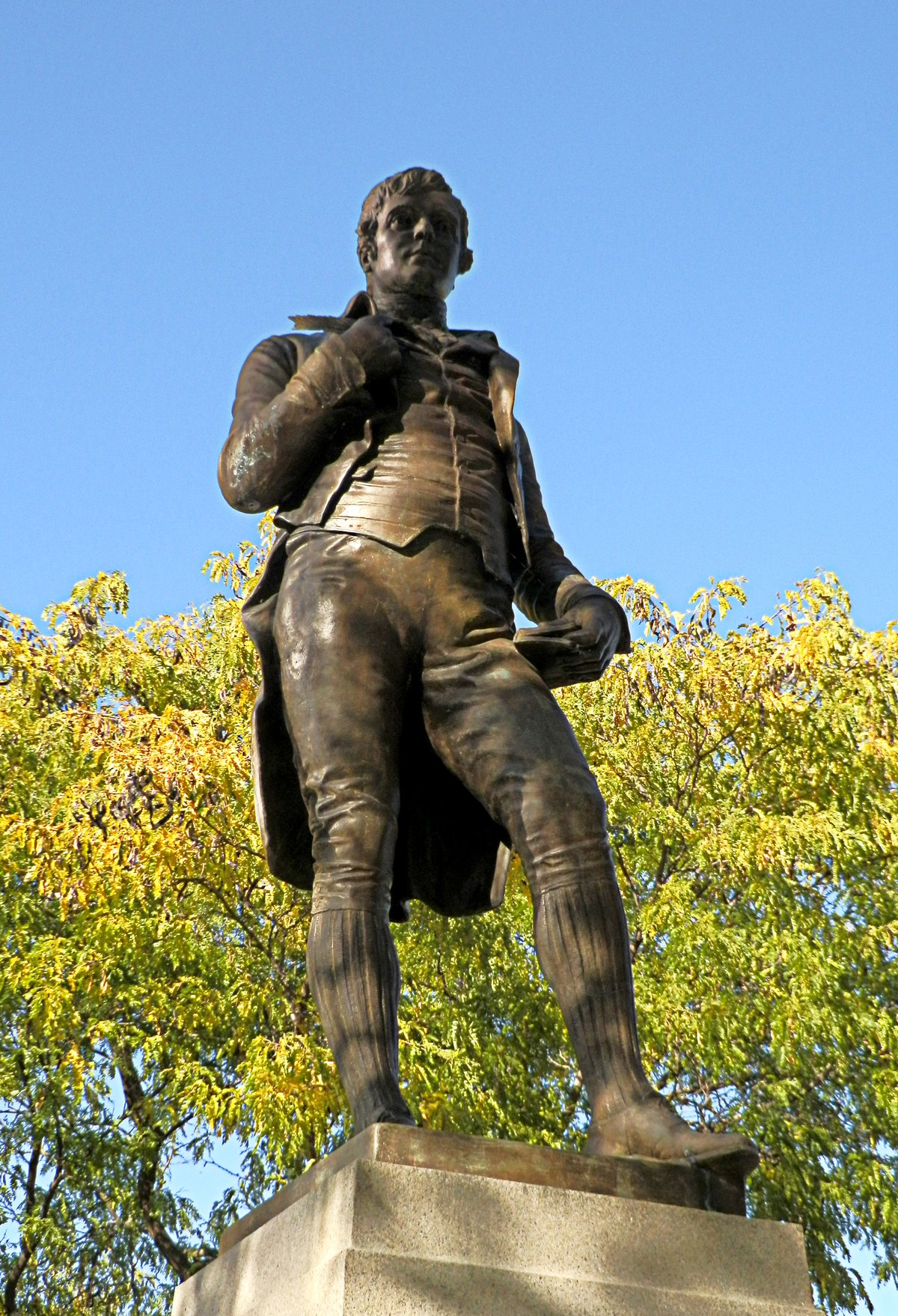
The 15-foot-tall statue portrays a robed female allegory of commerce. She holds a quill (signifying intellectual activity and record-keeping) in her right hand and a rudder (for guidance in economic pursuits) in her left. A bag of money at her feet represents prosperity. The red granite base bears inscriptions commemorating its dedication, marking the statue as a “silent witness to the progress and growth of Milwaukee” (German Connections).
Relocation and Preservation
Initially installed above the Grain Exchange’s main entrance alongside an allegorical figure of Progress, the statue was moved in 1909 to Jackson Park to increase public access. Its relocation ceremony featured Mayor David S. Rose and underscored the statue’s civic importance. The statue suffered vandalism in the 1980s, leading to the theft of key elements, but was fully restored by 1991 through community efforts (Everything Explained).
Cultural Significance
The Spirit of Commerce is an enduring symbol of Milwaukee’s industrious character and its tradition of celebrating civic virtues through public art. Its neoclassical design reflects the city’s European immigrant heritage and 19th-century values. Today, the statue remains a focal point for public events, art tours, and educational programs, serving as a bridge between past and present (Wikipedia).
Visiting the Spirit of Commerce
Location and Directions
The statue is situated in Jackson Park on Milwaukee’s south side, near the lagoon. The park is accessible by car and public transportation, with parking available nearby. For precise directions, consult GPS navigation or local transit resources.
Visiting Hours and Admission
- Open Hours Jackson Park is open daily from dawn to dusk.
- Admission Free; no tickets are required to view the statue.
Accessibility
Jackson Park features paved paths and accessible parking, making the statue approachable for visitors with mobility needs.
Travel Tips
- Best Times Visit in spring through fall for comfortable weather and vibrant park activities.
- Photography Early morning or late afternoon light enhances the statue’s details.
- Events Check local calendars for community events or special tours at Jackson Park.
Guided Tours and Educational Programs
While regular guided tours of the statue are not standard, local historical societies and organizations occasionally offer themed walking tours that include the Spirit of Commerce. For current offerings, consult the Milwaukee Visitor Center or Historic Milwaukee Tours.
Nearby Attractions
Enhance your visit by exploring several prominent Milwaukee sites within easy reach of Jackson Park:
- Milwaukee County Historical Society Museum – Explore the city’s diverse heritage.
- Mitchell Park Horticultural Conservatory (The Domes) – Unique botanical displays in iconic glass domes.
- Milwaukee Art Museum – Renowned for its architecture and extensive art collection (Milwaukee Art Museum).
- Historic Third Ward District – A vibrant area for art galleries, shops, and dining (Historic Third Ward).
Frequently Asked Questions (FAQ)
Q: What are the Spirit of Commerce visiting hours?
A: The statue is accessible during Jackson Park’s open hours, from dawn to dusk, year-round.
Q: Is there an admission fee or tickets required?
A: No, visiting the statue is free and does not require tickets.
Q: Is the site wheelchair accessible?
A: Yes, paved paths and accessible parking are available at Jackson Park.
Q: Are guided tours available?
A: Occasional tours are offered by local organizations; check with Historic Milwaukee for schedules.
Q: Where can I find more information or book tours?
A: Visit the Milwaukee Visitor Center or local tourism offices for details.
Discover More
Experience Milwaukee’s public art and history by visiting the Spirit of Commerce in Jackson Park. For updates on events, guided tours, or new attractions, download the Audiala app, which features audio guides and interactive maps for Milwaukee landmarks.
Connect with us on social media for the latest news, community stories, and exclusive content celebrating Milwaukee’s vibrant heritage.
Summary and Recommendations
The Spirit of Commerce remains a cherished symbol of Milwaukee’s industrious legacy and cultural evolution. Freely accessible in Jackson Park, it invites residents and visitors to explore the city’s art and history without barriers. Combine your visit with nearby attractions like the Milwaukee RiverWalk, Milwaukee Art Museum, and the Historic Third Ward for a comprehensive Milwaukee experience.
Spring through fall offers the most pleasant conditions for viewing the statue and enjoying local events. Early morning and late afternoon provide optimal lighting for photography. Ensure you check local event listings and consider guided tours for a deeper understanding of Milwaukee’s heritage.
For more travel tips and updates, download the Audiala app or consult local tourism websites.