Plan and listen to Plankinton–Wells–Water Street Historic District with Audiala.
Audio guide in your pocket, itinerary in your browser. Built for the way you actually visit.
Introduction
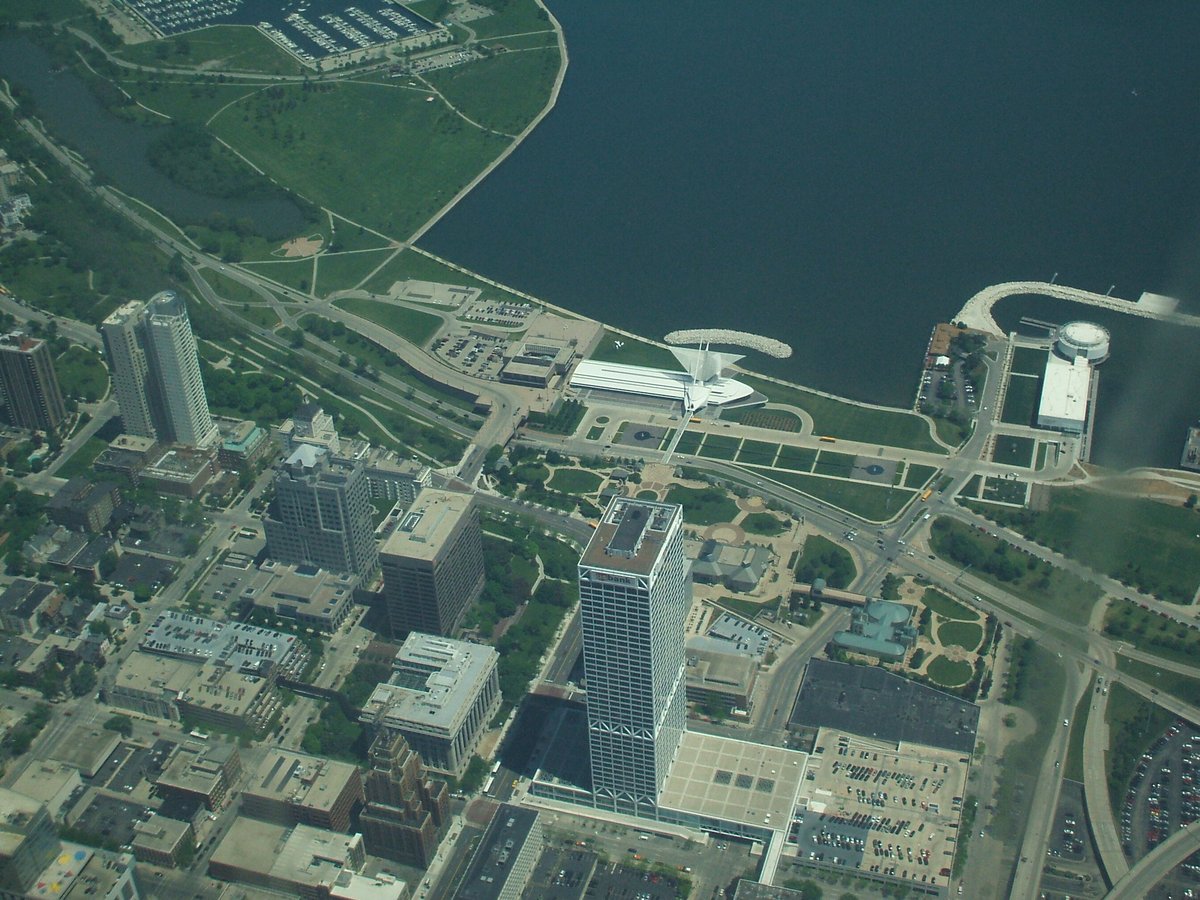
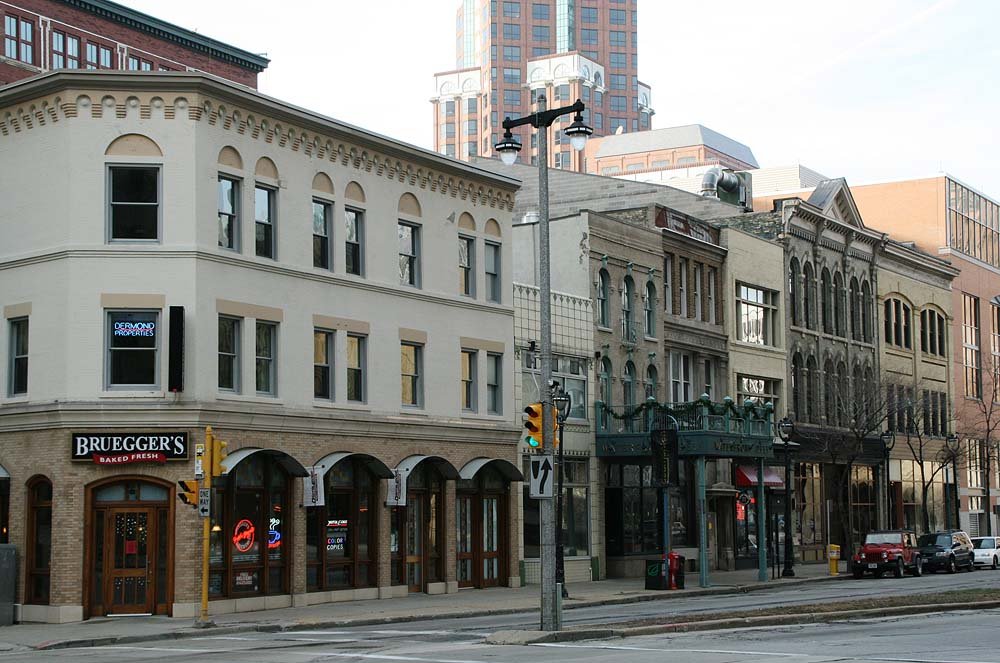
Nestled in the heart of downtown Milwaukee, Wisconsin, the Plankinton–Wells–Water Street Historic District is a vibrant showcase of the city’s architectural legacy, commercial innovation, and cultural evolution from the mid-19th to early 20th centuries. This district seamlessly blends preserved architectural marvels and bustling public spaces, making it an essential destination for history enthusiasts, architecture lovers, and curious travelers. Here, visitors can experience firsthand the city’s transformation through landmark structures, lively streetscapes, and a variety of cultural and entertainment offerings.
This comprehensive guide highlights the district’s historical development, architectural styles, visitor logistics, and insider tips—ensuring you get the most from your visit. High-quality visuals and virtual tours are available through trusted sources such as the Wisconsin Historical Society and Library of Congress, enriching your exploration whether on foot or virtually.
The district’s roots trace back to Milwaukee’s emergence as a commercial powerhouse in the late 19th century. Its development paralleled the city’s rise as a major port and manufacturing center, with entrepreneurs like John Plankinton spearheading investments in real estate and industry. Buildings such as the Plankinton Arcade and Elizabeth Plankinton House—commissioned by the Plankinton family—reflect both the prosperity and vision of Milwaukee’s early leaders (Library of Congress).
By the early 1900s, the district was the epicenter of commerce and civic life. Grand office buildings, theaters, and hotels lined Wells and Water Streets, drawing businesses and visitors and earning the area the moniker of Milwaukee’s “Main Street.” Its architectural and historical significance is recognized nationally through inclusion in the National Register of Historic Places (Wisconsin Historical Society).

Architectural Highlights
Eclectic Styles and Landmark Structures
The district is renowned for its eclectic mix of architectural styles, most notably High Victorian Gothic, Beaux-Arts, Flemish Renaissance Revival, and French Second Empire. Key structures include:
-
Elizabeth Plankinton House: A prime example of High Victorian Gothic residential design, this mansion at 1492 West Wisconsin Avenue was designed by Edward Townsend Mix in 1886 as a gift for John Plankinton’s daughter. Its ornate stonework and intricate detailing reflect the opulence of Milwaukee’s Gilded Age elite (Library of Congress).
-
Plankinton Arcade: Completed in 1916, this Beaux-Arts commercial building features a grand central atrium and glass skylight, illustrating early 20th-century emphasis on elegance and accessibility.
-
Milwaukee City Hall: An architectural anchor for the district, this 1895 Flemish Renaissance Revival masterpiece boasts a striking clock tower and ornate brickwork, reinforcing the district’s civic importance (GPSmyCity).
-
Iron Block Building: Built in 1860, this structure is a rare Midwest example of cast-iron architecture, with prefabricated iron panels and Italianate design (GPSmyCity).
-
Mitchell Building: Designed by Edward Townsend Mix in 1876, the Mitchell Building exemplifies French Second Empire style with its mansard roof and elaborate ornamentation (GPSmyCity).
Despite this diversity, the district’s buildings are unified by high-quality materials, elaborate façades, and harmonious scale, creating a cohesive and engaging urban landscape.
Preservation and Significance
The district has played a pivotal role in Milwaukee’s economic and social development, hosting banks, theaters, and restaurants that formed the city’s commercial core. Preservation efforts led by local organizations have ensured the survival of these historic structures, many of which are listed on the National Register of Historic Places (Wisconsin Historical Society). Restoration and adaptive reuse projects have revitalized the area, transforming former offices into apartments, hotels, and cultural venues, while maintaining their unique historic character.
Visitor Experience & Practical Information
Visiting Hours & Tickets
- District Access: The district is comprised of open public streets and parks, accessible 24/7 without admission fees.
- Museums & Landmarks: Most are open Tuesday–Sunday, typically between 10 AM and 4 PM. Some sites may require tickets or advance reservations for specific tours or performances.
- Theaters: Performance times vary; check each venue’s schedule for ticketing details.
Guided & Self-Guided Tours
- Walking Tours: Self-guided tours (including the Historical Buildings Tour) are available (GPSmyCity). Local organizations, such as Historic Milwaukee, Inc., offer seasonal guided tours.
- Virtual Exploration: High-quality images and virtual tours are accessible through the Wisconsin Historical Society and Library of Congress.
Accessibility & Amenities
- Mobility: Sidewalks and RiverWalk are wheelchair and stroller accessible. Major public buildings comply with ADA standards, though some historic interiors may be limited.
- Transportation: Centrally located, the district is accessible by car, public transit (MCTS buses, The Hop streetcar), bike, and on foot (Visit Milwaukee).
- Dining & Shopping: The area and nearby Historic Third Ward offer a variety of restaurants, cafes, and boutique shops (Visit Milwaukee).
Tips for Visitors
- Wear comfortable shoes for walking.
- Bring a camera for photos of architectural details and scenic riverfront views.
- Check individual venue websites for up-to-date hours, events, and accessibility information.
Cultural Traditions and Events
The district embodies Milwaukee’s famed Midwestern hospitality, known locally as “Gemütlichkeit”—a spirit of friendliness and good cheer. Visitors can enjoy:
- Culinary Specialties: Local favorites include cheese curds, butter burgers, Friday fish fries, and a “bloody mary with a chaser.”
- Beer Culture: Historic taverns and brewery tours celebrate Milwaukee’s brewing heritage.
- Arts & Nightlife: Water Street features theaters, live music venues, and bars with diverse entertainment options.
- Annual Events: Notable happenings include Gallery Night MKE, Milwaukee Night Market, Doors Open Milwaukee, and citywide festivals (Milwaukee Downtown).
- Public Art: The Sculpture Milwaukee exhibition and permanent installations add creative flair to the streetscape.
For more on Milwaukee’s attractions, explore related guides to the Milwaukee Public Market, Historic Third Ward, and Milwaukee RiverWalk.
Frequently Asked Questions (FAQ)
Q: What are the district’s visiting hours?
A: The district is accessible year-round, 24/7. Museums and landmarks generally operate Tuesday–Sunday, 10 AM–4 PM or later.
Q: Are tickets required?
A: No tickets are required for the district itself. Some venues and tours may require tickets or reservations.
Q: Is the district wheelchair accessible?
A: Yes, most sidewalks, the RiverWalk, and major buildings are accessible. Some historic interiors may have limitations.
Q: When is the best time to visit?
A: May through October offers pleasant weather and outdoor events; winter is quieter but features festive lights.
Q: Are guided tours available?
A: Yes, both guided and self-guided tours are available. See Historic Milwaukee for more.
Listen to the full story in the app
The whole Plankinton–Wells–Water Street Historic District,
told well.
Audio guides for 1,100+ cities across 96 countries. History, stories, and local insight — offline ready.
Verified, and shown.
Researched and written by the Audiala editorial team from historical records, architectural archives, and local expertise.
Tours and Resources, 2025, Historic Milwaukee
Researched from Wikidata, Wikipedia & official sources · fact-checked · How we make our guides →