
Early Railroad Era and Milwaukee’s Grand Depots
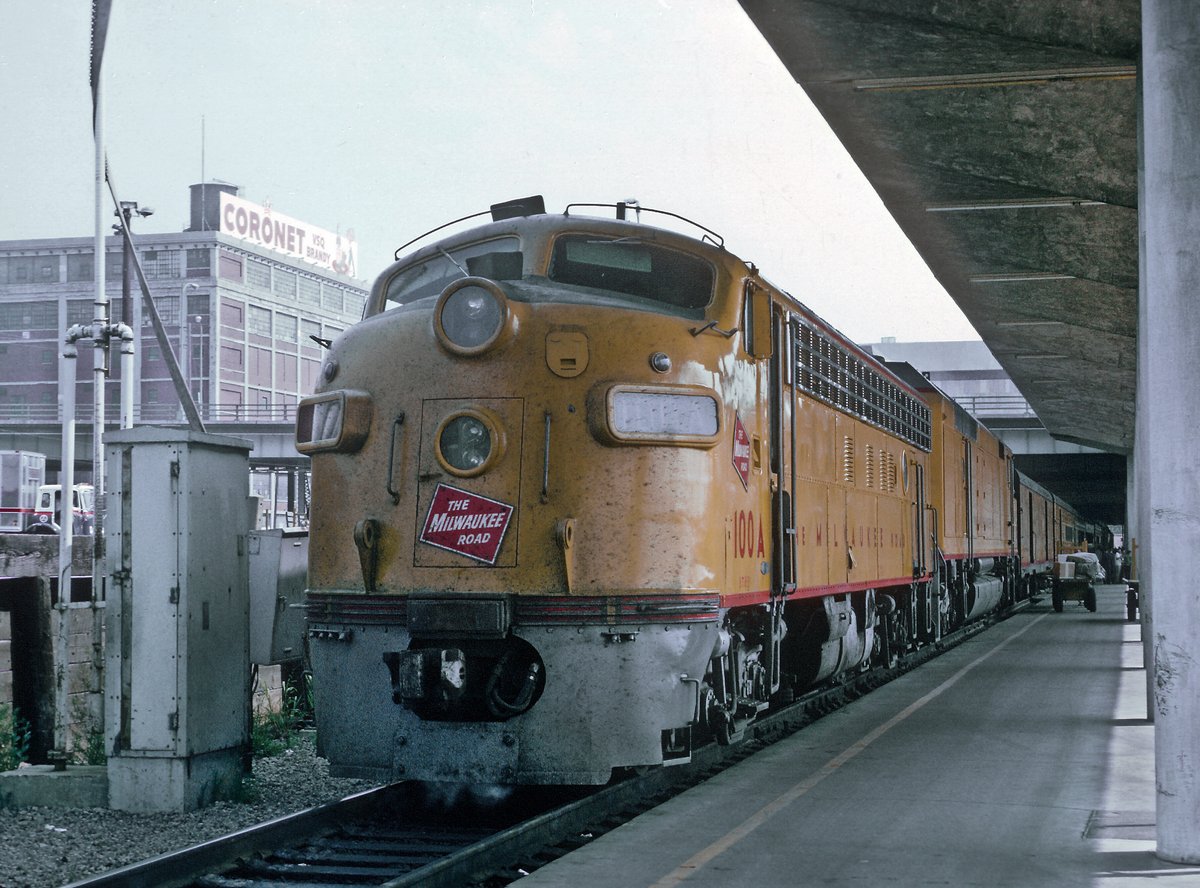
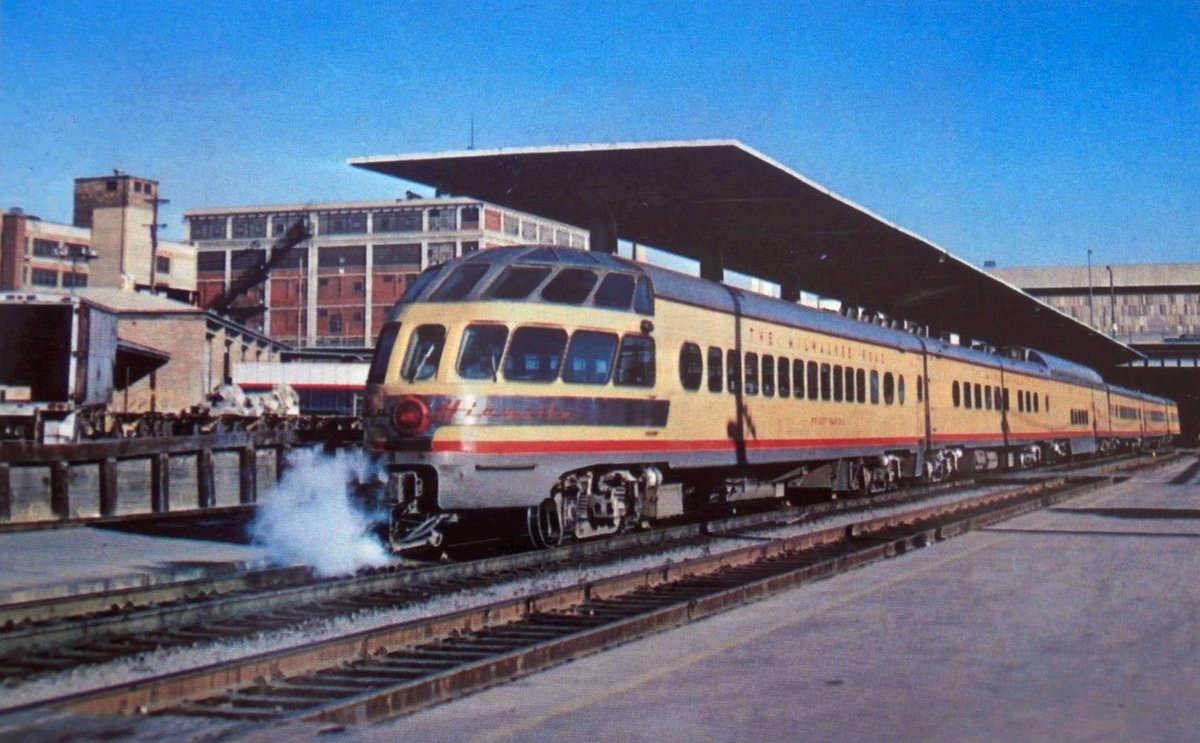
Milwaukee’s emergence as a major Midwestern city was closely tied to the railroad boom of the late 19th and early 20th centuries. Two grand stations—the Milwaukee Road depot (completed in 1886 and designed by Edward Townsend Mix) and the Chicago & North Western terminal—served as civic landmarks and architectural marvels. The Milwaukee Road depot, with its Romanesque style, red brick façade, and monumental clock tower, symbolized the city’s prosperity and ambition. These depots were more than transit points; they embodied Milwaukee’s role as a gateway to the region (Milwaukee Magazine).
Evolution of the Station: From Decline to Intermodal Era
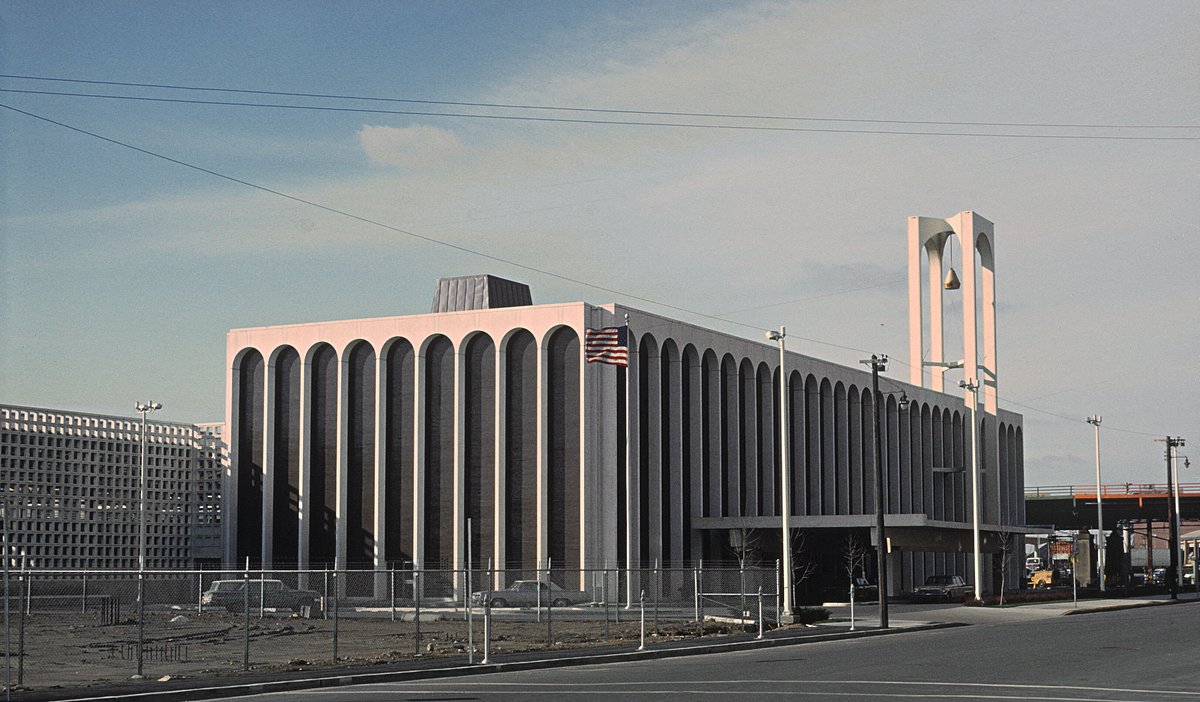
Rail’s dominance waned in the 20th century as automobiles and highways reshaped American transportation. In Milwaukee, the construction of Interstate 794 led to the demolition of the Milwaukee Road depot in 1965. Its replacement on St. Paul Avenue prioritized function over flair, mirroring national trends toward utilitarian design. This new terminal, which would later become the Milwaukee Intermodal Station, marked a shift from grand railroad palaces to efficient, multi-modal transit centers (Milwaukee Magazine).
As intercity bus travel grew, the need for an integrated facility became apparent. The St. Paul Avenue building evolved into a true intermodal hub, now welcoming Amtrak, Greyhound, Badger Bus, Jefferson Lines, Coach USA, and local MCTS buses (TripSavvy; Urban Milwaukee).
Renovations and Architectural Features
Original Construction and Mid-Century Modernism
Built in 1965 and designed by Donald Grieb, the station reflects mid-century modernism’s focus on function, clean lines, and practical materials. It was the last privately built passenger railroad station in the U.S. before Amtrak’s formation (Urban Milwaukee).
2006–2007 Renovation
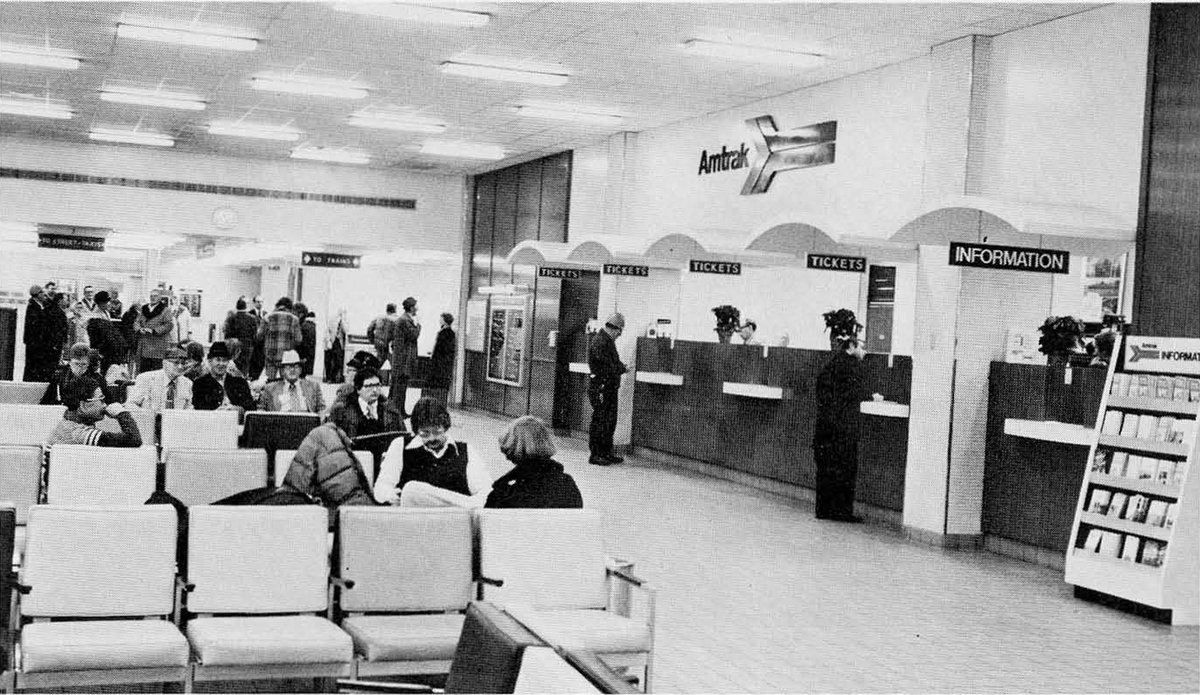
A $16.9 million modernization, led by Eppstein Uhen Architects, transformed the station in 2007. A striking three-story glass atrium became its centerpiece, flooding the waiting area with natural light and enhancing transparency. The renovation expanded waiting spaces, modernized ticketing and amenities, added retail and dining options, and improved accessibility (Great American Stations).
2016 Platform Upgrades
In 2016, platforms and train sheds were rebuilt to meet ADA standards. Improvements included elevators, ramps, enhanced lighting, weather protection, and clear signage, making the station one of the Midwest’s most accessible transit facilities (Wikipedia).
Operational Significance and Transit Integration
Milwaukee Intermodal Station is the city’s central surface transportation hub, integrating:
- Amtrak Rail Hiawatha Service (Milwaukee–Chicago), Borealis (Milwaukee–St. Paul), and Empire Builder (Chicago–Seattle/Portland). Fourteen daily departures to Chicago and direct daily service to Minneapolis/St. Paul (Visit Milwaukee; Amtrak Guide).
- Intercity Buses Greyhound, Badger Bus, Jefferson Lines, Coach USA.
- Local Transit MCTS buses and The Hop streetcar connect the station to city neighborhoods and attractions (TrainTracksHQ).
- Airport Transfers Direct Coach USA service to Chicago O’Hare International Airport.
This integration allows easy transfers between trains, buses, streetcars, taxis, and rideshare services, making the station a linchpin in regional mobility.
Visiting Hours and Ticketing
General Hours:
- Monday–Friday: 5:00 AM–11:00 PM
- Saturday: 6:00 AM–10:00 PM
- Sunday: 7:00 AM–9:00 PM
(Extended access for late-arriving trains; holiday hours may vary.)
Ticket Purchases:
- Amtrak: At staffed counters, kiosks, or Amtrak.com.
- Intercity Buses: At carrier counters, kiosks, or online (Greyhound, Coach USA).
- E-tickets are widely accepted; advance booking is recommended for best fares and availability.
Facilities, Amenities, and Accessibility
- Waiting Areas Spacious, climate-controlled, with ample seating, charging stations, and clear digital displays.
- Restrooms Clean, accessible, and family-friendly.
- Dining and Retail Onsite cafes, restaurants, vending machines, and newsstands.
- Wi-Fi Complimentary throughout the building.
- Luggage Storage Secure options available for a fee.
- Accessibility Fully ADA-compliant with elevators, ramps, tactile guidance, and assistance for travelers with disabilities.
- Parking 300-space lot at 460 W. St. Paul Ave., with competitive rates (TripSavvy).
Connections, Transfers, and Parking
- To Wisconsin State Fair Take local transit or rideshare from the station (Travels with Kev).
- Airport Connections Coach USA offers direct service to O’Hare International Airport.
- Bike and Walk Adjacent to Bublr Bikes stations and Milwaukee’s walkable downtown.
- Taxis & Rideshare Designated pick-up/drop-off zones for Uber, Lyft, and taxis.
Nearby Attractions and Historical Sites
- Historic Third Ward Art galleries, boutiques, and the Milwaukee Public Market are a short walk away.
- Riverwalk Scenic strolls along the Milwaukee River.
- Zeidler Union Square Historic park near the station, once the gateway to the Everett Street Depot.
- Pabst Mansion, Milwaukee City Hall, Public Museum Key sites for local history and architecture (Visit Milwaukee).
- Milwaukee Art Museum and Theaters A short transit ride or stroll from the station.
Special Events and Photo Spots
The glass atrium and modern design offer excellent photo opportunities, especially with views of the downtown skyline, riverwalk, and Historic Third Ward. The station occasionally hosts transportation-themed exhibitions and community events; check local calendars for details.
Frequently Asked Questions (FAQ)
Q: What are the station’s visiting hours?
A: Monday–Friday: 5:00 AM–11:00 PM; Saturday: 6:00 AM–10:00 PM; Sunday: 7:00 AM–9:00 PM.
Q: How do I buy tickets?
A: At the station’s counters, kiosks, or online through Amtrak and bus carriers.
Q: Is the station accessible?
A: Yes, with elevators, ramps, tactile paving, and ADA-compliant facilities.
Q: What attractions are nearby?
A: Historic Third Ward, Milwaukee Public Market, Riverwalk, Pabst Mansion, and more.
Q: Is parking available?
A: Yes, a 300-space lot is adjacent to the station.
Practical Tips for Visitors
- Book tickets in advance for best fares and guaranteed seating.
- Arrive at least 30 minutes early for boarding and security.
- Use e-tickets for convenient boarding.
- Explore nearby attractions before or after your journey.
- Download the Audiala app for real-time updates and exclusive offers.