Plan and listen to East Side Commercial Historic District with Audiala.
Audio guide in your pocket, itinerary in your browser. Built for the way you actually visit.
Introduction
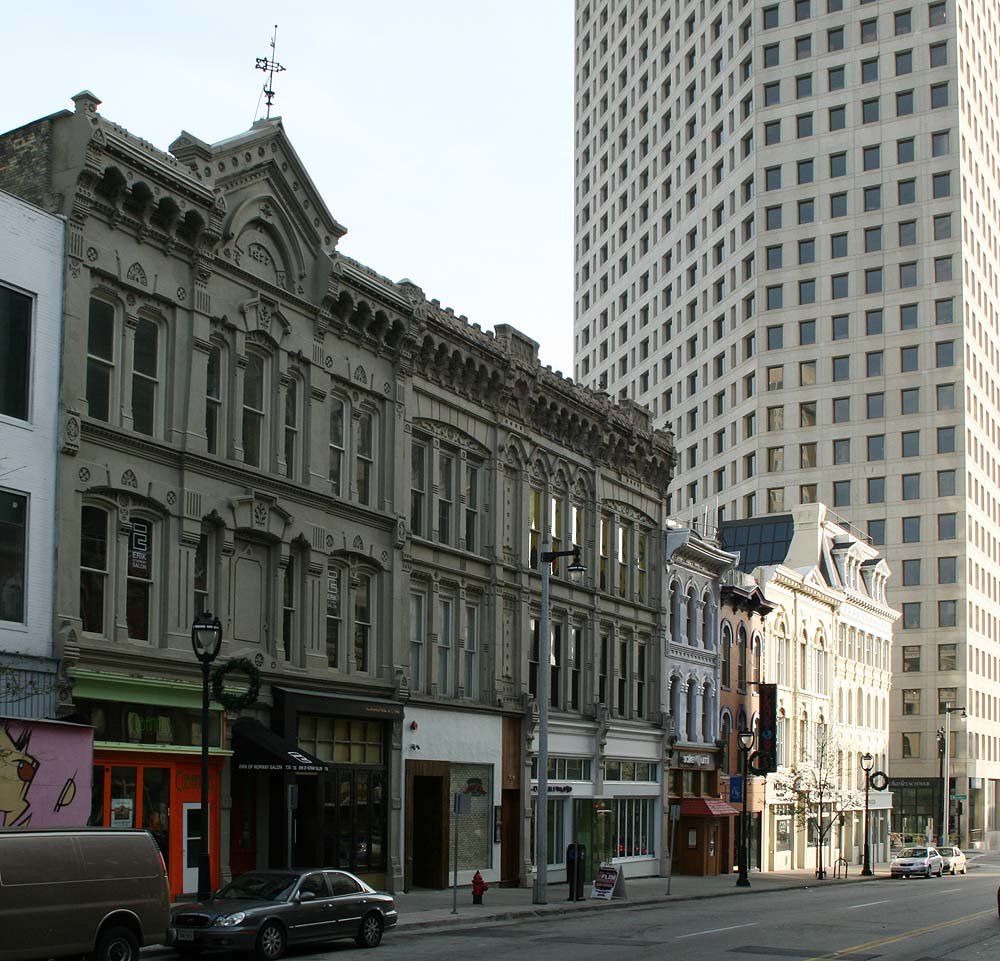
The East Side Commercial Historic District in Milwaukee stands as a vibrant testament to the city’s architectural heritage, cultural diversity, and ongoing urban evolution. Spanning North Milwaukee Street, the iconic Brady Street corridor, and adjacent avenues, this neighborhood offers a rich blend of Italianate, High Victorian Gothic, Queen Anne, and 20th-century modernist architecture, all shaped by the contributions of Milwaukee’s diverse communities. Whether you are a history enthusiast, architecture lover, foodie, or cultural explorer, the district promises an engaging and memorable experience.
This comprehensive guide provides detailed insights into the district’s history, notable architecture, cultural significance, practical visitor information, and must-see attractions to help you plan an enriching visit (SAH Archipedia, Milwaukee Magazine).

Early Development and Origins
The district’s roots trace back to the post-Civil War era when Milwaukee experienced rapid urbanization and economic growth. Notable early buildings—such as Small’s Building and Bowman’s Block (both 1866)—showcase the Italianate style, reflecting the city’s prosperity and ambitions of the late 19th century (SAH Archipedia).
Architectural Significance and Evolution
- Italianate Foundations: Early commercial buildings like Bowman’s Block and Brown’s Buildings display ornate cornices, tall windows, and hand-carved brackets, serving both commercial and aesthetic roles (SAH Archipedia).
- Victorian and Queen Anne Styles: The economic boom of the late 1800s brought more elaborate forms, including High Victorian Gothic and Queen Anne. The Arcade Block and Stevens Block, with their intricate stonework, exemplify this transition.
- 20th-Century Modernism: Structures such as the John Mariner Building (1937) feature smooth limestone, vertical ribs, and streamlined Art Deco influences (SAH Archipedia).
Cultural and Social Evolution
Originally a hub for Polish and Italian immigrants—earning it the nickname “Little Italy”—the district’s multicultural identity is still evident in its bakeries, restaurants, and shops (Wikipedia, Brady Street History). In the 1960s and 70s, the East Side became a countercultural epicenter, fostering a lively arts scene and a spirit of community activism (The East Side BID).
Economic and Social Role
The district has long served as a commercial and retail center, hosting a diverse mix of businesses, professional offices, and service providers. Its strategic location near transportation routes ensured its place as a key business hub. The area’s ethnic diversity fueled a vibrant community atmosphere—an energy that persists today in its festivals, specialty shops, and public spaces (EMKE).
Visitor Information
Hours and Admission
- Neighborhood Access: The district is open to the public year-round, with no admission fee.
- Business Hours: Most shops, restaurants, and galleries operate between 10:00 AM and 8:00 PM, though hours can vary.
- Special Venues: Museums and cultural institutions (e.g., Villa Terrace Decorative Arts Museum) may have separate hours and admission fees—check individual websites.
Guided Tours
Guided walking tours focusing on architecture, history, and street art are available through local organizations and during special events. Self-guided options, such as GPS-based tours, offer flexibility for independent travelers (GPSmyCity Historical Buildings Tour).
Accessibility
The district features wide sidewalks, curb cuts, and accessible entrances at most venues. Public transit and bike options are ADA-compliant, and adaptive bikes are available at select stations (The East Side BID).
Notable Attractions and Features
- Brady Street: The district’s commercial heart, bustling with independent shops, cafes, salons, and nightlife in historic storefronts (Brady Street History).
- Black Cat Alley: Milwaukee’s premier outdoor mural gallery, free and open 24/7, with guided tours offered in warmer months (The East Side BID).
- Ivanhoe Plaza: A community gathering space hosting live music, pop-up markets, and family-friendly events.
- Nearby Museums: Villa Terrace Decorative Arts Museum and Charles Allis Art Museum, both architectural landmarks, enrich the area’s cultural offerings (Milwaukee Magazine).
- Scenic Walks: The Oak Leaf Trail and Milwaukee RiverWalk connect the district to the lakefront and downtown.
Events and Festivals
The East Side’s calendar is filled with lively events, including:
- Summer Soulstice Music Festival: Free, all-ages music and arts festival held in June (The East Side BID).
- Milwaukee Film Festival: Showcasing films and community activities each spring.
- Community Art Walks & Parades: Including the Spring Art Walk and Pet Parade, bringing together residents and visitors.
For up-to-date event listings, consult the East Side events calendar.
Dining, Nightlife, and Shopping
- Culinary Scene: From classic pizzerias and Italian markets to cocktail bars and international cuisine, Brady Street is a culinary hotspot (Milwaukee Magazine).
- Nightlife: Historic taverns like Regano’s Roman Coin and contemporary lounges offer vibrant nightlife options.
- Shopping: Explore independent boutiques, vintage shops, bookstores (e.g., Boswell Book Company), and pop-up markets (The East Side BID).
Parks, Trails, and Outdoor Recreation
- Oak Leaf Trail: Provides a scenic urban route for biking and walking, with bike-share stations throughout the district (The East Side BID).
- Nearby Parks: Riverside Park and lakefront green spaces offer opportunities for relaxation and recreation.
Accessibility, Transportation, and Parking
Getting There
- Public Transit: Served by Milwaukee County Transit System (GreenLine, GoldLine), with frequent buses along main corridors (Milwaukee County Transit System).
- Streetcar: The Hop connects the East Side to downtown and other neighborhoods (Fodor’s Travel).
- Biking: Oak Leaf Trail and Bublr Bikes make cycling easy and convenient.
- Walking: The district’s compact layout and wide sidewalks make it ideal for pedestrians.
- Rideshare: Uber, Lyft, and taxis operate throughout the area.
Parking
- Street Parking: Metered parking is available but competitive; always check signage (Milwaukee parking guide).
- Lots & Garages: Public and private lots are available, with some businesses offering validation.
- Permits: Overnight and residential parking require permits (overnight parking info).
Practical Tips and FAQs
Practical Tips
- Dress in layers—weather can be unpredictable, especially in spring and fall.
- Reservations are recommended for popular restaurants, especially on weekends.
- Many businesses accept cards, but it’s wise to carry some cash for small purchases.
- Public restrooms are available in larger businesses and parks.
Frequently Asked Questions
Q: What are the visiting hours for the district?
A: Open year-round; businesses typically 10:00 AM–8:00 PM, but public spaces are accessible 24/7.
Q: Is there an entrance fee?
A: No; the district is free to explore. Some museums and events may charge admission.
Q: Are guided tours available?
A: Yes, both guided and self-guided walking tours are offered. Check with local organizations for schedules.
Q: Is the district accessible?
A: Most areas are wheelchair accessible; public transit and adaptive bikes are available.
Q: Where can I park?
A: Metered street parking, public lots, and garages are available. Be mindful of permit zones and time limits.
Listen to the full story in the app
The whole East Side Commercial Historic District,
told well.
Audio guides for 1,100+ cities across 96 countries. History, stories, and local insight — offline ready.
Verified, and shown.
Researched and written by the Audiala editorial team from historical records, architectural archives, and local expertise.
Researched from Wikidata, Wikipedia & official sources · fact-checked · How we make our guides →