What Connect Milwaukee Is
“Connect Milwaukee” refers to both the historic Bronzeville neighborhood and a public art installation on Wisconsin Avenue. Bronzeville is a symbol of Black entrepreneurship and cultural resilience, with a legacy rooted in the Great Migration. The Wisconsin Avenue installation is featured in the annual Sculpture Milwaukee exhibition and is accessible year-round, 24/7.
Milwaukee brings together historic landmarks, dynamic neighborhoods, public art, and community life. Its public transportation, family-friendly activities, and commitment to inclusivity make it a welcoming destination for visitors. Bronzeville continues to celebrate its legacy through art, music, cuisine, and events such as the Bronzeville Festival. The Wisconsin Avenue installation is also included in guided electric cruiser tours by City Tours MKE.
History
Indigenous Foundations and Early Settlement
The Milwaukee area’s history predates European settlement. The Potawatomi, Menominee, and Ho-Chunk nations inhabited the region. The name “Milwaukee” is believed to derive from the Algonquian word “Millioke,” meaning “good land” or “gathering place by the water.” The confluence of the Milwaukee, Menomonee, and Kinnickinnic Rivers made the area a natural center for trade and community (Visit Milwaukee).
By the 1830s, European settlers had established competing settlements: Juneautown, Kilbourntown, and Walker’s Point. Their rivalry culminated in the “Bridge War” of 1845, an early challenge to uniting Milwaukee’s diverse communities (GPSmyCity).
Immigration, Industry, and Social Movements
In the mid-19th century, waves of immigrants—especially Germans, Poles, and Irish—reshaped Milwaukee’s cultural landscape. German brewers Frederick Pabst and Joseph Schlitz helped establish the city’s reputation as the “Beer Capital of the World” (Toxigon). Factories along the Menomonee Valley drove economic growth, and by 1900, Milwaukee ranked among America’s largest urban centers.
Milwaukee also became a center for labor activism, progressive politics, and “Sewer Socialism,” which prioritized public health and infrastructure. Ethnically diverse neighborhoods developed around taverns and community institutions, many of which remain landmarks (Visit Milwaukee).
Bronzeville and Contemporary Milwaukee
Bronzeville emerged during the Great Migration as a hub for African American culture, business, and creativity (festival2025.com). Its history is reflected in Central City Plaza, recognized for its significance in Black entrepreneurship and architecture (citizenportal.ai).
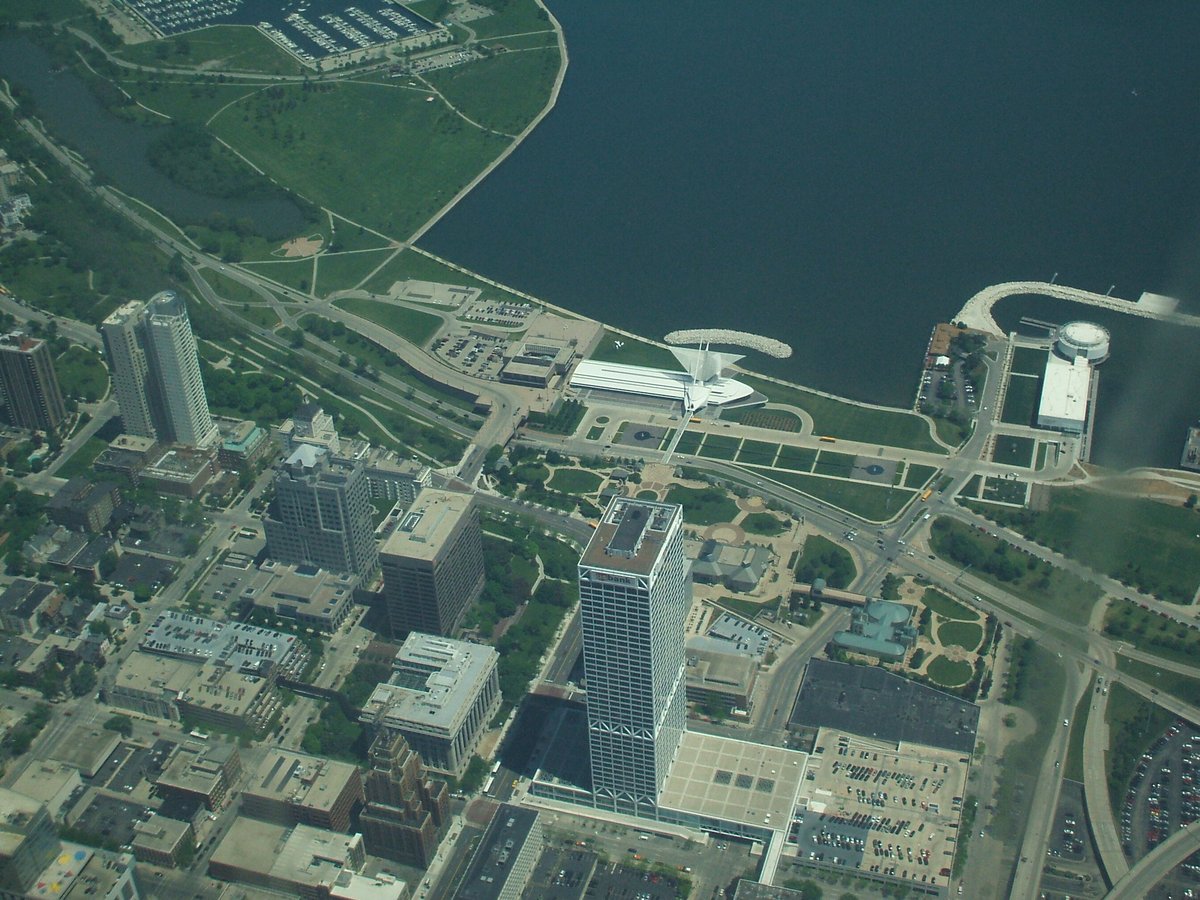
After World War II, Milwaukee faced deindustrialization and suburbanization. Investment in the arts and urban renewal helped spur a cultural revival. Downtown now features more than 140 public art installations, including the Sculpture Milwaukee project. Developments such as the Baird Center expansion and the I-794 dog park reflect the city’s ongoing reinvention (Visit Milwaukee).
What to See and Do
Bronzeville and Central City Plaza
Central City Plaza is a gathering place for festivals, markets, and community events. Its murals, sculptures, and interpretive displays tell the story of Bronzeville and its contributions to Milwaukee’s identity (citizenportal.ai).
Bronzeville’s community activity includes markets, pop-up shops, and business incubators that support local artisans and small businesses. Cultural workshops, art exhibitions, and live performances encourage cross-cultural understanding and community-led revitalization (festival2025.com).
Live jazz, blues, hip-hop, and R&B reflect the neighborhood’s musical heritage. Dance, spoken word, and visual art installations are also featured, especially during major festivals. Workshops on African American history, entrepreneurship, and the arts are open to all ages.
Bronzeville’s food offerings range from historic soul food restaurants to contemporary cafes. Markets and workshops introduce visitors to Milwaukee cheese curds, bratwurst, and traditional African American cuisine (lineup2025.com).
Connect on Wisconsin Avenue
The outdoor Connect installation is on Wisconsin Avenue, the main artery for the annual Sculpture Milwaukee exhibition. The artwork is free to view and accessible at any time. Nearby museums, cafes, and shops provide visitor amenities, and the area is wheelchair and stroller accessible.
Photography is encouraged. Visitors are asked to engage with the artwork respectfully and avoid climbing on it or causing damage. Opening and closing celebrations, artist talks, and community art walks highlight Connect; check the event calendar for current programming.
Events and Festivals
- Bronzeville Festival Music, art, food, and workshops (festival2025.com).
- ArtBlaze Free art events for families (mkewithkids.com).
- Milwaukee Summer Festivals More than 40 citywide events, often featuring Connect programming (lineup2025.com).
Visiting Information
Hours, Admission, and Tours
- Central City Plaza and Connect Milwaukee Open daily, 8:00 AM–10:00 PM. Event and venue hours may vary, especially during festival seasons.
- Wisconsin Avenue public art installation Accessible 24/7 and free to the public.
- Public spaces and festivals General admission is free. Special performances, workshops, and guided tours may require tickets or reservations; check official event pages for details.
- Bronzeville walking tours Available seasonally and focused on the neighborhood’s history, architecture, and art. Reservations are recommended during festivals.
- Public art tours Connect on Wisconsin Avenue is featured in guided electric cruiser tours by City Tours MKE. Self-guided visitors can download maps and information from the Sculpture Milwaukee website.
Accessibility
Connect Milwaukee and its venues are wheelchair accessible. Ramps, accessible restrooms, and clear signage support access. Most venues, sidewalks, and public transit are wheelchair accessible.
Travel Tips
Getting There and Around
From downtown, Connect is accessible by bus, The Hop streetcar, or rideshare. The Hiawatha Amtrak line connects Chicago to Milwaukee, with local transit connecting to Connect (traverse-blog.com).
Milwaukee’s MCTS bus system, The Hop streetcar, which is free, and Bublr Bikes make it possible to get around the city. Bublr Bikes stations offer an option for cycling. The Milwaukee River Water Taxi runs from May to October.
Public garages are available near the Historic Third Ward, riverfront, and downtown districts. Metered parking and garages are also near the Wisconsin Avenue installation.
When to Visit
Summer, from June through September, is peak season for festivals and outdoor events. Late spring through early fall, May–October, brings the most active public art scene and suitable weather for visiting the Wisconsin Avenue installation. Early mornings and late afternoons are good times for photography, while weekdays and early mornings offer a quieter experience.
Food, Families, and Accommodation
Visitors can sample local food at Connect’s markets or the Milwaukee Public Market. Milwaukee also has a craft beer scene. Workshops and performances at Connect welcome families, and nearby Northwestern Mutual Community Park offers additional recreation (mkewithkids.com).
Accommodation options include budget lodgings and boutique hotels downtown and in the Historic Third Ward. The Cambria Hotel is a budget option. Booking early during festivals is recommended (lineup2025.com; Nomadasaurus).
Nearby Places
- Milwaukee Art Museum Known for its architecture and collections (Milwaukee Art Museum).
- Milwaukee RiverWalk Offers public art, dining, and river views (Nomadasaurus).
- Historic Third Ward Has boutiques, galleries, and the Milwaukee Public Market.
- Black Cat Alley An outdoor mural gallery (WUWM Black Cat Alley).
- Mitchell Park Domes A horticultural conservatory (Nomadasaurus).
- North Point Lighthouse A maritime museum in Lake Park (Nomadasaurus).
FAQ
Q: What are the visiting hours for Connect Milwaukee?
A: Public spaces are open daily from 8:00 AM–10:00 PM; the Wisconsin Avenue installation is accessible 24/7.
Q: Are tickets required?
A: Most spaces and events are free; select workshops or tours may require tickets.
Q: Are guided tours available?
A: Yes. Seasonal walking tours of Bronzeville and electric cruiser tours of public art are offered.
Q: Is Connect Milwaukee family-friendly?
A: Yes. Activities and parks are available for all ages.
Q: Is the area accessible?
A: Yes. Most venues, sidewalks, and public transit are wheelchair accessible.
Q: When is the best time to visit?
A: Summer and early fall, especially during festivals.
Connect Milwaukee brings together the history, art, and community life of Bronzeville with public art on Wisconsin Avenue. Visitors can explore Bronzeville’s entrepreneurial heritage and the sculptures along Wisconsin Avenue, and make use of guided tours, family activities, and Milwaukee’s public transit. For current events, downloadable maps, and travel information, the guide recommends the Audiala app and Milwaukee’s official tourism channels (festival2025.com; citytoursmke.com; visitmilwaukee.org).