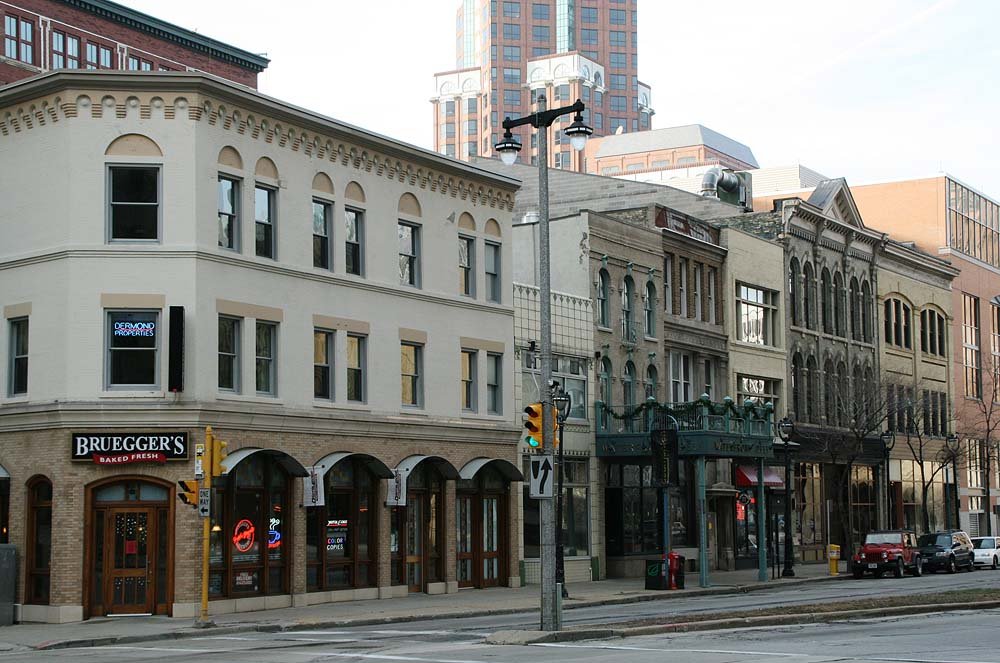
Historical Evolution of Milwaukee’s Built Environment
Milwaukee’s built environment traces its roots from a 19th-century frontier outpost to a bustling industrial and cultural hub. Early preservation efforts began with organizations like the Old Settlers’ Club, founded in 1869, which collected artifacts and marked historic locations (Encyclopedia of Milwaukee). By the mid-20th century, modernization posed threats to historic structures, prompting advocacy movements after losses such as the Chicago & North Western depot demolition in 1968. Public campaigns and the formation of preservation commissions have since played a critical role in safeguarding and revitalizing Milwaukee’s architectural heritage (Encyclopedia of Milwaukee).
Architectural Heritage and Styles
Milwaukee’s architecture is characterized by Italianate, Victorian, Art Deco, and Modernist styles, reflecting its growth across eras. The Historic Third Ward, for example, features warehouses with Cream City brick and cast-iron details, artfully repurposed for modern use (Milwaukee Magazine). Citywide, adaptive reuse projects have transformed breweries, commercial blocks, and residential buildings, often leveraging programs like the National Register of Historic Places and tax incentives (Encyclopedia of Milwaukee).
Key Historic Districts and Notable Buildings
Historic Third Ward
Once a hub of industrial warehouses, the Third Ward is now an arts and culture district renowned for its preserved architecture and creative energy. Cream City brick buildings and decorative facades house galleries, boutiques, and restaurants. Visitor access varies; many sites participate in Doors Open Milwaukee or offer self-guided tours via mobile apps (Milwaukee Magazine).
Downtown Landmarks
Landmarks like the Plankinton Arcade and Boston Store anchor downtown’s revitalized core, blending historic detail with contemporary function. These buildings are typically accessible during business or retail hours (Encyclopedia of Milwaukee).
Residential and Cultural Sites
Highlights include the Villa Terrace Decorative Arts Museum and the Charles Allis Art Museum, both set in historic mansions and open to visitors with regular hours and ticketed entry (WhichMuseum).
Preservation Efforts and Community Involvement
Milwaukee’s preservation success is the product of partnerships among property owners, nonprofits like the Milwaukee Preservation Alliance, and city agencies. Community events such as Doors Open Milwaukee offer public access to over 150 sites annually, while self-guided tours and advocacy programs foster greater appreciation and ongoing stewardship (Encyclopedia of Milwaukee).
Visitor Information: Tickets, Hours, and Accessibility
- Visiting Hours Most museums and historic houses operate Tuesday through Sunday, 10 AM–5 PM; check individual sites for exceptions. The Historic Third Ward’s galleries and shops have varied schedules.
- Tickets Many locations are free or donation-based; museums and special exhibits may require tickets, available online or on-site.
- Accessibility Most major sites are wheelchair accessible; details can be found on official sites.
- Tours Guided and self-guided tour options are available through organizations like Historic Milwaukee, Inc.
- Best Seasons Spring through fall offer ideal weather for walking tours and outdoor exploration.
FAQ: Common Visitor Questions
Q: What are the visiting hours for Milwaukee’s Historic Third Ward?
A: Galleries and businesses typically operate 10 AM–6 PM; verify with specific venues.
Q: Are guided tours offered?
A: Yes, book through Historic Milwaukee, Inc. or related organizations.
Q: Do sites charge admission?
A: Many are free, though some museums require a ticket. Doors Open Milwaukee offers free annual access to many locations.
Q: Are sites accessible?
A: Most are, but check in advance for specific accommodations.
Visitor Tips for Exploring Milwaukee’s Historic Buildings
- Confirm hours and ticket requirements before visiting.
- Attend Doors Open Milwaukee for unique access.
- Use self-guided mobile tour apps.
- Respect private property—many buildings remain in active use.
- Explore multiple neighborhoods for a range of historic settings (Milwaukee Magazine).
- Take note of original architectural details and adaptive reuse features.
The Enduring Value of Milwaukee’s Architectural Heritage
Milwaukee’s preserved architecture is a testament to its resilience and creativity, supporting sustainable development and enriching the city’s cultural fabric (Architect Two Cents). Each visit offers a chance to appreciate the city’s ongoing narrative of preservation and innovation.
Discover Buildings 1992 in Milwaukee: Your Complete Visitor Guide
What is Buildings 1992?
Buildings 1992 is a public art installation by Susan Walsh, located at the Milwaukee Fire Department Station on 103rd Street and Fond du Lac Avenue. The piece abstracts the concept of architecture into four open-frame structures, each with a unique roof line and dual doorways, symbolizing transition and inclusivity.
Artistic Vision and Symbolism
Walsh’s minimalist, skeletal forms focus on the essence of building and community. The varied rooflines pay homage to Milwaukee’s architectural diversity, while the double doors represent openness and passage—especially fitting for its firehouse setting.
Location and Accessibility
- Address Milwaukee Fire Department Station, 103rd St & Fond du Lac Ave, Milwaukee, WI
- Hours Open 24/7, year-round. No admission fee.
- Accessibility Outdoor site with level, wheelchair-accessible ground. Nearby parking is available.
- Best Time to Visit Daytime, especially at sunrise or sunset for dramatic light and shadow effects.
How to Get There
- By Car Fond du Lac Avenue offers easy street access and parking.
- By Public Transit MCTS buses serve the area.
- Tips Bring a camera and wear comfortable shoes to explore the area.
Guided Tours and Events
There are no official tours, but the sculpture is sometimes featured in local public art walks. Check Visit Milwaukee for updates.
Nearby Attractions
- Milwaukee Art Museum
- Historic neighborhoods with Cream City brick architecture
- Pfister Hotel and Mitchell Building (Milwaukee Magazine)
Frequently Asked Questions
Q: Is there an admission fee?
A: No, it’s free and open to the public.
Q: Is the site accessible?
A: Yes, the installation is outdoors and easily accessible.
Q: Are guided tours available?
A: Not officially, but local groups occasionally include the site.
Q: Can I take photographs?
A: Yes, the sculpture is a favorite for photography.
Visiting the Milwaukee Art Museum: Hours, Tickets, Accessibility, and Visitor Guide
History and Significance
Established in 1888, the Milwaukee Art Museum boasts over 30,000 works and is renowned for the Quadracci Pavilion, designed by Santiago Calatrava. The museum is a cultural cornerstone, hosting major exhibitions and community events.
Hours and Ticketing
- Open Tue–Sun, 10:00 AM–5:00 PM; Thu until 8:00 PM
- Closed Mondays and major holidays
- Tickets $19 adults, $17 seniors/students, free for children under 12
- Purchase Online via Milwaukee Art Museum or at entry
Accessibility
- Fully ADA-compliant: ramps, elevators, accessible restrooms, assistive devices, and designated parking.
- Wheelchairs and assistive listening devices available.
- Service animals permitted.
Getting There and Around
- Location 700 N. Art Museum Dr., Milwaukee, WI
- Transit The Hop streetcar and MCTS buses serve the area.
- Parking On-site garage and metered street parking.
Visitor Tips
- Check for current exhibitions or events before visiting.
- Daily guided tours and audio guides are available.
- Café on-site for meals and snacks.
- Photography is allowed (no flash); check special exhibition policies.
Frequently Asked Questions
Q: Do children under 12 need tickets?
A: No, they enter free.
Q: Are there discounts for Milwaukee residents?
A: Check the website for periodic promotions.
Q: When are crowds lightest?
A: Weekday mornings and Thursday evenings.
Visiting Milwaukee’s Historic Third Ward: Hours, Tickets, and Must-See Attractions
The 1992 Streetscape Project
In 1992, a $3.4 million project transformed the Third Ward, installing pedestrian lights, building Catalano Square, and adding signature arches (Shepherd Express). This revitalization enhanced accessibility and underscored the district’s industrial heritage.
Visitor Information
- Hours Public spaces open 24/7; market and galleries have varied hours.
- Tickets Not required for most public spaces. Museums and events may charge admission.
- Accessibility Wheelchair-friendly sidewalks, ramps, and accessible venues.
- Getting There Walkable from downtown; served by MCTS buses and ample parking.
Notable Attractions
- Milwaukee Public Market Open daily, no admission (Tourist Secrets)
- Catalano Square Events and public gatherings
- Gallery Night & Day Quarterly arts event with free admission
- RiverWalk Scenic urban trail
- Italian Community Center Cultural exhibits and annual festival
Recommended Nearby Sites
- Milwaukee Art Museum Iconic architecture and exhibits
- Discovery World Science and technology for all ages
- Milwaukee Public Museum Natural and cultural history
- Mitchell Park Domes Botanical gardens
- Lakefront Brewery Tours and tastings
Dining and Nightlife
Options range from Café Benelux’s rooftop to St. Paul Fish Company’s seafood and MobCraft Brewery’s craft beers.
Visitor Experience and Safety
The Third Ward is well-lit, walkable, and considered safe, especially during events.
Frequently Asked Questions
Q: Are tickets needed for the Third Ward?
A: No, except for some museums or events.
Q: Is the area accessible?
A: Yes, with curb cuts, ramps, and accessible venues.
Q: How to get there by transit?
A: Multiple MCTS bus routes serve the neighborhood.
Discover More
Milwaukee’s architectural landscape is a vibrant tapestry connecting the past and present. From the abstract forms of Buildings 1992 (Buildings 1992 Milwaukee: Visitor Guide, Hours, and Artistic Significance) to the revitalized Historic Third Ward (Visiting Milwaukee’s Historic Third Ward: Hours, Tickets, and Must-See Attractions), and the world-renowned Milwaukee Art Museum (Visiting the Milwaukee Art Museum: Hours, Tickets, Accessibility, and Visitor Guide), each site offers unique experiences for visitors. Plan ahead, check official websites for the latest information, and consider participating in special events like Doors Open Milwaukee. Use mobile apps such as Audiala for guided tours and accessibility features. By exploring these treasures, you engage with Milwaukee’s rich architectural narrative and help sustain its enduring legacy.