Plan and listen to Vizcaya Museum And Gardens with Audiala.
Audio guide in your pocket, itinerary in your browser. Built for the way you actually visit.
Introduction
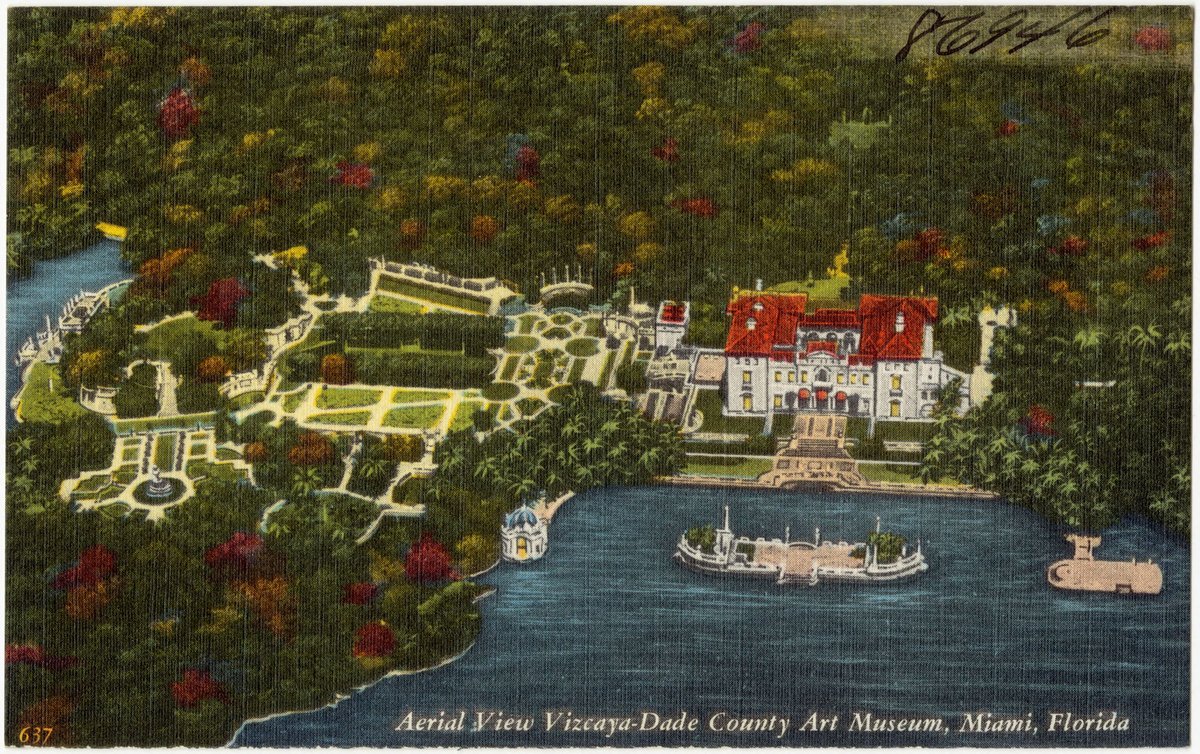
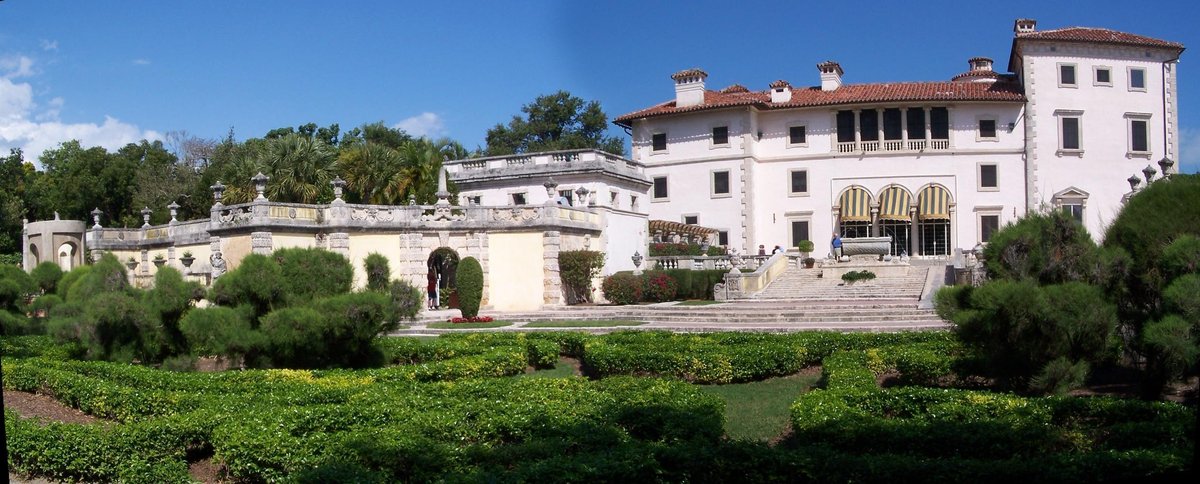
Nestled along Biscayne Bay, the Vizcaya Museum and Gardens is one of Miami’s most iconic historical sites, celebrated for its opulent architecture, lush gardens, and deep-rooted cultural significance. Originally conceived as a winter retreat by industrialist James Deering, Vizcaya masterfully merges European Renaissance elegance with the subtropical beauty of South Florida. Today, it stands as a National Historic Landmark, offering visitors a portal into Miami’s Gilded Age and a vibrant center for community, art, and education (Vizcaya Museum and Gardens; Miami Wire; Time.com).



History and Significance
Origins and Vision
James Deering, a prominent industrialist and art collector, envisioned Vizcaya as a sophisticated winter home that would evoke the grandeur of European estates while capitalizing on Miami’s tropical climate. Construction began in 1914, with celebrated design director Paul Chalfin, architect F. Burrall Hoffman, and landscape architect Diego Suarez shaping the project. The estate’s name, inspired by the Spanish province of Biscay, reflects both its European influences and its location on Biscayne Bay (Wikipedia; Vizcaya Timeline).
Architectural and Garden Design
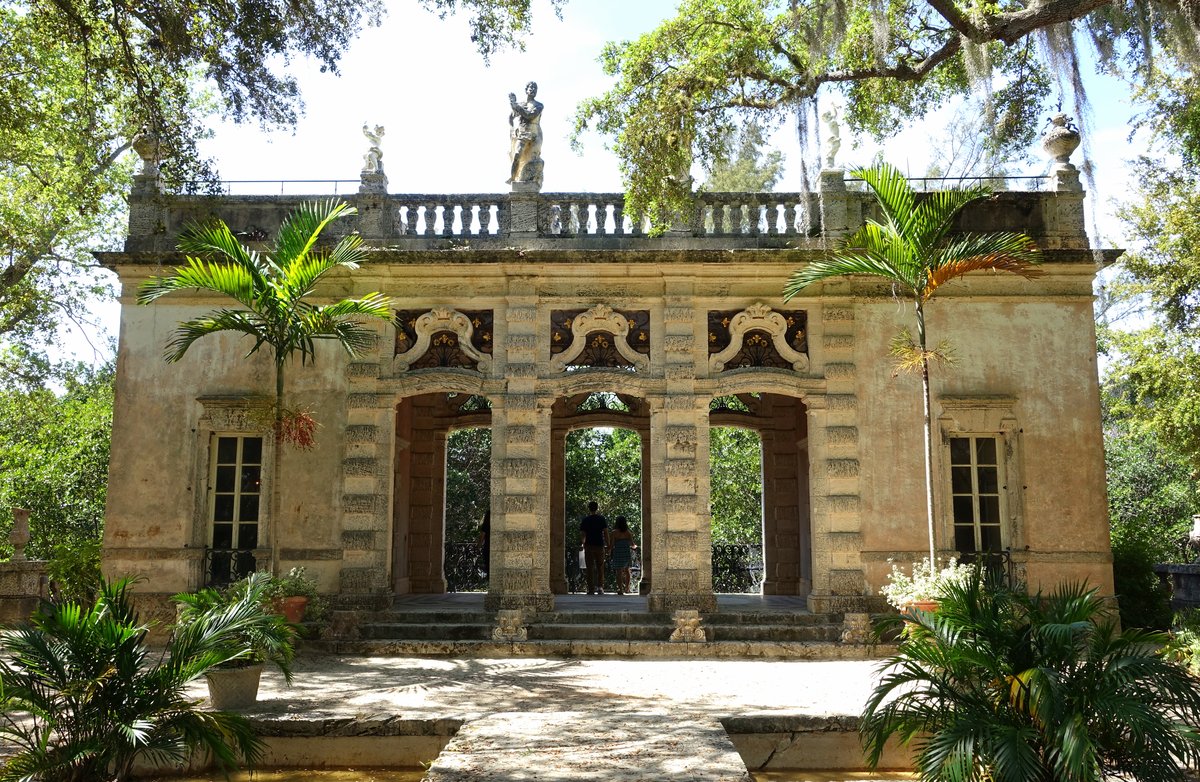
Vizcaya is a masterpiece of Mediterranean Revival architecture, with its Main House inspired by Italian Renaissance villas—especially the Villa Rezzonico in Italy. The interiors are adorned with antiques, artwork, and furnishings from the 15th to 19th centuries, many hand-selected by Deering and Chalfin during their travels. The gardens, designed as a series of “outdoor rooms,” blend Italian and French traditions with native and exotic subtropical plants, fountains, statues, and a dramatic stone barge that doubles as a breakwater (GoVisit Guide; Miami and Beaches).
From Private Estate to Public Museum
Following Deering’s death in 1925, Vizcaya gradually transitioned to public ownership. Miami-Dade County acquired the main villa and gardens in 1952, opening them as a museum in 1953. The estate was designated a National Historic Landmark in 1994, affirming its importance in American heritage (Miami Daily Life).
Cultural and Community Impact
Vizcaya is more than a preserved estate—it’s a living cultural hub. It has played significant roles in Miami’s LGBTQ+ history, served as a venue for major social events like the White Party (a fundraiser during the HIV/AIDS crisis), and continues to host art exhibitions, educational programs, and sustainability initiatives. The ongoing restoration and innovative programming ensure Vizcaya remains relevant and accessible to all of Miami’s communities (Time.com; Vizcaya.org).
Visitor Information
Visiting Hours
- Open: Tuesday through Sunday, 9:30 AM to 4:30 PM (last admission)
- Closed: Mondays and major holidays (Thanksgiving, Christmas)
- Tip: Arrive early to enjoy the gardens in cooler morning light and avoid peak crowds.
Check Vizcaya’s official website for the most current updates.
Tickets and Admission
- Adults (13+): $25
- Children (6–12): $10
- Children (5 and under): Free
- Discounts: Available for students, seniors, Miami-Dade residents, military, veterans, and people with disabilities.
- Purchase: Buy tickets online in advance for guaranteed entry, especially during weekends and special events.
Accessibility and Amenities
- Wheelchair Accessibility: Ramps and elevators are available in the Main House and gardens.
- Restrooms & Water: Restrooms are located near the entrance and Main House; water refill stations available.
- Café & Shop: The Vizcaya Café and Shop offers light refreshments and unique gifts.
- Wi-Fi: Available in designated areas.
- Service Animals: Welcome; pets are not allowed.
Guided Tours and Special Events
- Guided Tours: Enhance your visit with a docent-led tour or the free audio tour (English/Spanish). Bring your own headphones.
- Special Events: Vizcaya hosts art exhibitions, festivals, educational workshops, and the popular Sunday Farmers Market (in Vizcaya Village).
Exploring Vizcaya: Main Highlights
The Main House
Step into 54 ornately decorated rooms filled with European antiques, original art, and historical artifacts. Highlights include:
- Entrance Hall & Courtyard: Bathed in natural light and classical sculptures.
- Ballroom: Renowned for its gilded details and soaring ceilings.
- Library & Reception Rooms: Home to exquisite tapestries and ceramics.
- Music Room: Showcasing period instruments and lavish décor.
- Second Floor: Offers panoramic views and insight into early 20th-century luxury (Provident Resorts; Rainbow Travel Life).
The Gardens
Explore over 10 acres of meticulously designed gardens:
- Italian Garden: Symmetrical parterres and classical statuary.
- Maze Garden: A playful, photogenic favorite.
- Orchidarium: A conservatory brimming with rare orchids.
- Fountain & Secret Gardens: Tranquil spots for reflection and relaxation.
- Stone Barge: A unique, sculpted breakwater and one of Vizcaya’s most photographed features (InfoNegocios Miami; Rainbow Travel Life).
Vizcaya Village and Farmers Market
Across South Miami Avenue, the historic Vizcaya Village hosts the Sunday Farmers Market (9 AM–2 PM), celebrating Miami’s agricultural heritage and supporting local food artisans (Vizcaya.org).
Travel Tips and Nearby Attractions
- Getting There: Vizcaya is easily reached by car (ample free parking), Metrorail (Vizcaya Station, 10-minute walk), or the Brickell Trolley.
- Dress Code: Wear comfortable shoes and sun protection; most paths are outdoors and unshaded.
- Best Times: Early mornings or late afternoons offer cooler weather and fewer crowds.
- Nearby Attractions: Coconut Grove, Downtown Miami, Frost Museum of Science, and Brickell’s dining scene are all within a short drive or transit ride.
Frequently Asked Questions (FAQ)
Q: What are Vizcaya Museum and Gardens visiting hours?
A: Open Tuesday–Sunday, 9:30 AM–4:30 PM. Closed Mondays and major holidays.
Q: How do I purchase tickets?
A: Buy online via Vizcaya’s official website or at the gate; advance purchase is recommended.
Q: Is Vizcaya accessible for visitors with disabilities?
A: Yes, most areas are accessible with ramps, elevators, and accessible restrooms.
Q: Are guided tours available?
A: Yes, both docent-led and audio tours are offered.
Q: Can I take photos?
A: Personal photography is encouraged; professional shoots require advance permission.
Q: Are service animals allowed?
A: Yes, only service animals are permitted on the estate.
Tickets & tours.
These are guided options from our partners — same price as booking direct.
Prices are indicative — final pricing and availability are confirmed at checkout. Audiala may earn a commission from bookings made through these links.
Listen to the full story in the app
The whole Vizcaya Museum And Gardens,
told well.
Audio guides for 1,100+ cities across 96 countries. History, stories, and local insight — offline ready.
Verified, and shown.
Researched and written by the Audiala editorial team from historical records, architectural archives, and local expertise.
Researched from Wikidata, Wikipedia & official sources · fact-checked · How we make our guides →