Plan and listen to Virginia Key Beach Park with Audiala.
Audio guide in your pocket, itinerary in your browser. Built for the way you actually visit.
Introduction
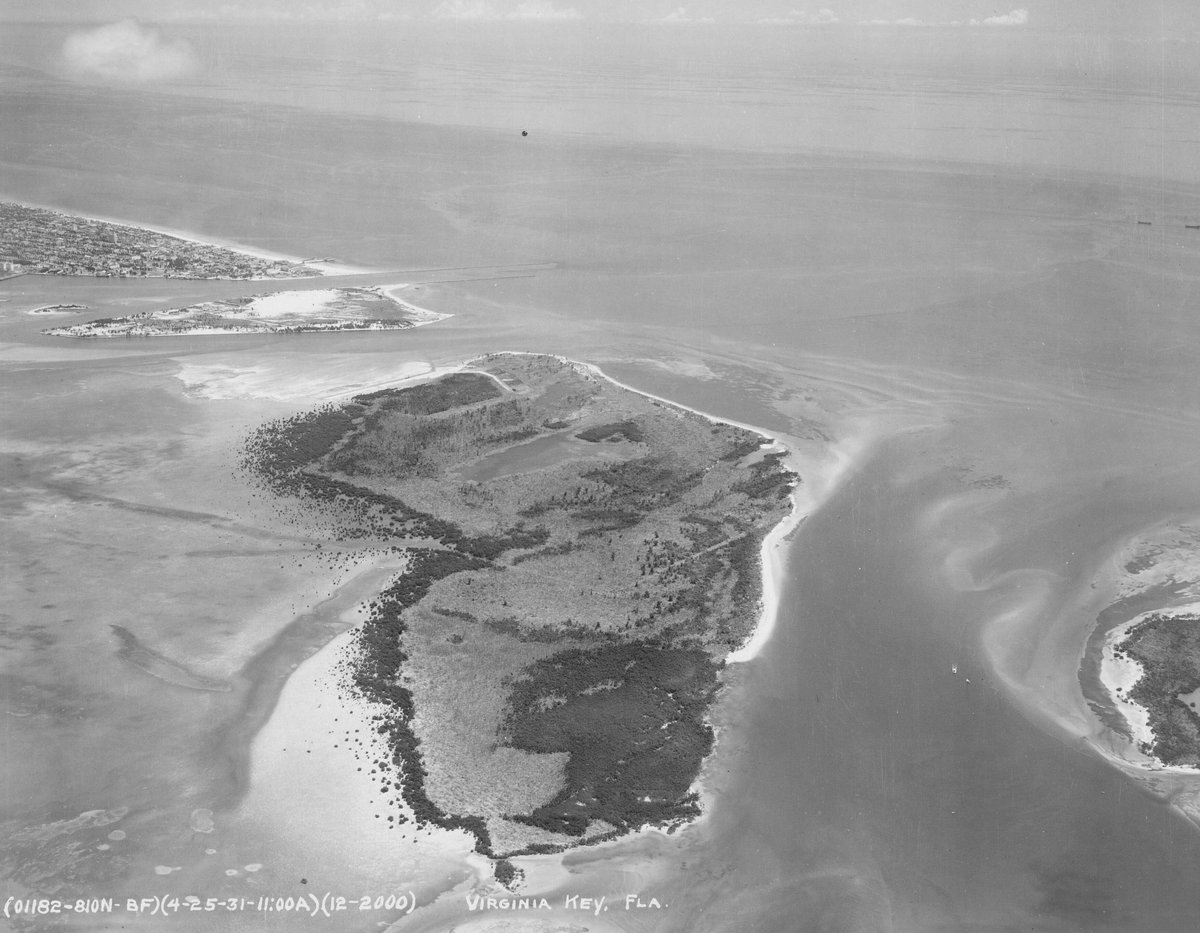
Virginia Key Beach Park is one of Miami’s most significant historical and recreational landmarks. Nestled on a scenic barrier island just off Miami’s coast, the park is renowned for its blend of natural beauty, cultural heritage, and environmental importance. Established in 1945 as a refuge for African Americans during segregation, Virginia Key Beach Park offers visitors a chance to explore not only pristine beaches and rare ecosystems but also a living testament to resilience and civil rights in South Florida (Miami Swim with Dolphin Tours; Eventbrite). This comprehensive guide provides essential information on visiting hours, tickets, accessibility, amenities, and the park’s ongoing legacy.

Historical Background
Indigenous Roots and Early Settlement
Before Miami’s urban development, Virginia Key was inhabited by the Tequesta people—one of South Florida’s earliest Indigenous populations. Archaeological evidence indicates the Tequesta utilized the island’s resources for fishing and gathering (Miami Swim with Dolphin Tours). After their displacement in the 19th century, the island remained largely undeveloped, with limited use for farming and fishing.
The Era of Segregation and the Birth of Virginia Key Beach Park
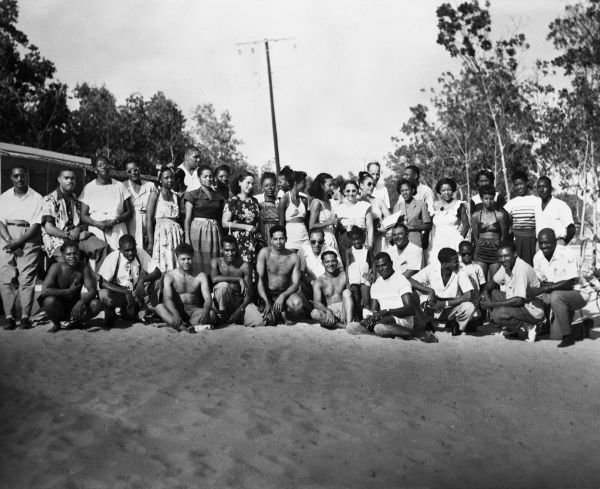
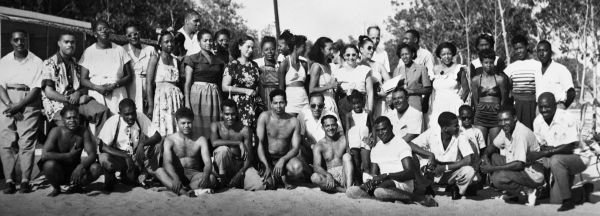
By the early 20th century, Miami’s public beaches were segregated, barring African Americans from most recreational waterfronts (Islands.com; Travel Noire). On August 1, 1945, a peaceful “wade-in” protest at Haulover Beach led to the official designation of Virginia Key Beach as “Colored Only,” providing Black Miamians a sanctuary for community and recreation (NBC Miami; VIE Magazine).
Virginia Key Beach quickly became a cherished gathering place for families, church groups, and new immigrants. Despite limited facilities compared to white-only beaches, the park fostered a vibrant social and cultural scene, including picnics, baptisms, and music festivals (Miami and Beaches). However, environmental neglect and inequities, such as illegal dumping, were ongoing challenges (Black America Web).
Desegregation and Decline
The Civil Rights Movement of the 1960s brought desegregation to public spaces, allowing broader access to Miami’s beaches. As Black residents gained entry to larger, better-maintained parks, attendance at Virginia Key Beach declined. The park’s condition deteriorated, and it was ultimately closed in 1982 due to rising maintenance costs (Miami and Beaches).
Preservation Efforts and Historic Recognition
Concerned citizens and former park users rallied in the late 1990s to prevent private development, forming the Virginia Key Beach Park Civil Rights Task Force. Their advocacy resulted in the creation of the Virginia Key Beach Park Trust and the park’s listing on the National Register of Historic Places in 2002 (VIE Magazine). After restoration, the park reopened to the public in 2008 with restored historic features and new educational signage (Miami and Beaches).
Visiting Virginia Key Beach Park
Visiting Hours and Admission
- Hours: Open daily from 7:00 am to sunset; closed on Thanksgiving and Christmas Day (Miamitake).
- Admission: Free for general entry; parking fees apply as follows:
- Monday–Thursday: $5 per vehicle
- Friday–Sunday: $8 per vehicle
- Holidays: $10 per vehicle
- RVs & Buses: $20 (Miamitake)
- No re-entry or refunds once you leave the park (Miami.gov).
Accessibility and Amenities
The park is committed to accessibility, offering:
- Wheelchair-friendly trails and ramps
- Accessible restrooms
- Beach wheelchairs upon request
- Shaded picnic areas with grills
- Modern playgrounds
- Restrooms and outdoor showers
- Beach and bicycle rentals
- Historic attractions like the Allan Herschell carousel and miniature train (Travpedia)
Directions and Parking
Virginia Key Beach Park is located at 4020 Virginia Beach Drive, Miami, FL 33149. Access is via the Rickenbacker Causeway from downtown Miami. Ample paid parking is available, but it fills quickly during weekends and events—arrive early for best results (Travpedia). Public transportation options include taking Miami-Dade Metrorail to Vizcaya, then a connecting bus (Travpedia).
Activities and Events
Visitors can enjoy:
- Swimming and Sunbathing: Calm, clear waters with lifeguard supervision during designated hours (Sail.me)
- Water Sports: Kayak, paddleboard, and bike rentals
- Nature Trails: Explore mangroves, dunes, and maritime hammocks (Miami.gov)
- Mountain Biking: 10+ miles of trails for all skill levels
- Environmental Education: Interpretive signage, workshops, and nature walks (Miami Waterkeeper)
- Special Events: Juneteenth Beach Bash, “We Belong Here” music festival, cultural celebrations (Eventbrite; EDM Identity)
Rules and Safety
- Pets: Only service animals are allowed (Miamitake)
- Fishing: Prohibited
- Environmental Protection: No littering or feeding wildlife
- No Overnight Parking: All vehicles must exit by closing time
- Lifeguards: Swim only in designated areas during supervised hours (Miami.gov)
Ongoing Legacy and Cultural Significance
Virginia Key Beach Park stands as a living memorial to Miami’s African American community and the broader civil rights movement. The Historic Cultural Center and restored park structures offer exhibits and oral histories, preserving the stories of resilience and activism (NBC Miami). Annual events like Juneteenth Beach Bash keep the park’s cultural heritage alive (Miami and Beaches). Efforts are ongoing to establish a civil rights museum, while environmental stewardship remains a core mission, with habitat restoration and conservation programs in place (Miami Waterkeeper).
Frequently Asked Questions (FAQ)
Q: What are Virginia Key Beach Park’s visiting hours?
A: Open daily from 7:00 am to sunset, except Thanksgiving and Christmas.
Q: What are the parking fees?
A: $5–$10 per vehicle, $20 for RVs/buses; rates may change for special events.
Q: Is the park accessible?
A: Yes, with wheelchair-friendly facilities and beach wheelchairs available.
Q: Are pets allowed?
A: Only service animals are permitted.
Q: Are guided tours or events available?
A: The park offers occasional historical and environmental tours; check the official website for schedules.
Key Dates and Milestones
- Pre-19th Century: Tequesta people inhabit Virginia Key (Miami Swim with Dolphin Tours)
- 1945: Beach designated for African Americans after a civil rights protest (NBC Miami)
- 1960s: Desegregation and subsequent decline in attendance
- 1982: Park closes due to maintenance issues
- 1999–2002: Grassroots preservation efforts and historic designation
- 2008: Park reopens to the public
Practical Tips for Visitors
- Arrive Early: Parking fills quickly on weekends and event days.
- Bring Sun Protection: Sunscreen, hats, and sunglasses are recommended.
- Pack Water and Snacks: Limited fountains and concessions are available.
- Check Events Calendar: Large-scale events may affect access and parking; consult the event schedule.
- Review Weather Updates: Monitor hurricane season updates from June to November (Hurricane Guide).
Nearby Attractions
- Miami Seaquarium: Marine shows and exhibits (Miamitake)
- Crandon Park: Beaches, cabanas, and trails on Key Biscayne (Oyster.com)
- Bayside Marketplace/Bayfront Park: Downtown shopping and entertainment (Sail.me)
Listen to the full story in the app
The whole Virginia Key Beach Park,
told well.
Audio guides for 1,100+ cities across 96 countries. History, stories, and local insight — offline ready.
Verified, and shown.
Researched and written by the Audiala editorial team from historical records, architectural archives, and local expertise.
Researched from Wikidata, Wikipedia & official sources · fact-checked · How we make our guides →