
Early History of The Kampong Estate
The Kampong’s story begins in 1882 when J.W. Ewan, known as the “Duke of Dade,” established his homestead on the shores of Biscayne Bay (Florida Rambler). Its subtropical location and waterfront setting made it ideal for early settlers interested in horticulture.
In 1916, Dr. David Fairchild and his wife Marian, daughter of Alexander Graham Bell, discovered and fell in love with the property. Enchanted by its natural beauty, they acquired the estate and began transforming it into their home and a pioneering botanical garden (Florida Rambler).
Dr. David Fairchild: The Visionary Botanist
Dr. David Fairchild (1869–1954) was one of America’s most influential plant explorers and the chief plant collector for the U.S. Department of Agriculture. He traveled to over 50 countries, introducing more than 200,000 plant varieties to the United States, including staple and exotic crops such as mangos, avocados, soybeans, nectarines, and flowering trees (Miami and Beaches; Rove.me).
His work at The Kampong served as a testing ground for these introductions, many of which remain thriving in the estate’s gardens.
The Kampong as a Living Laboratory
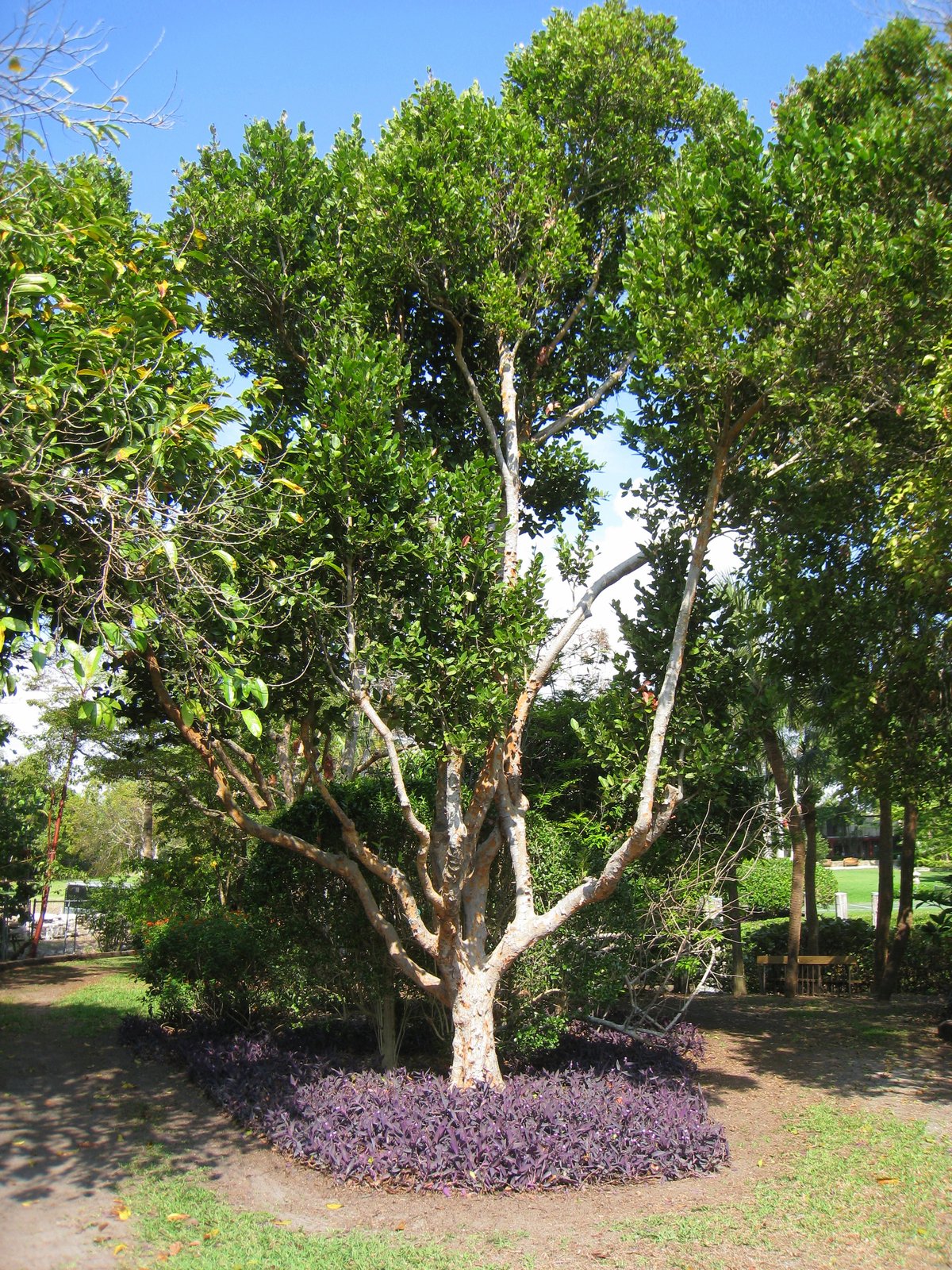
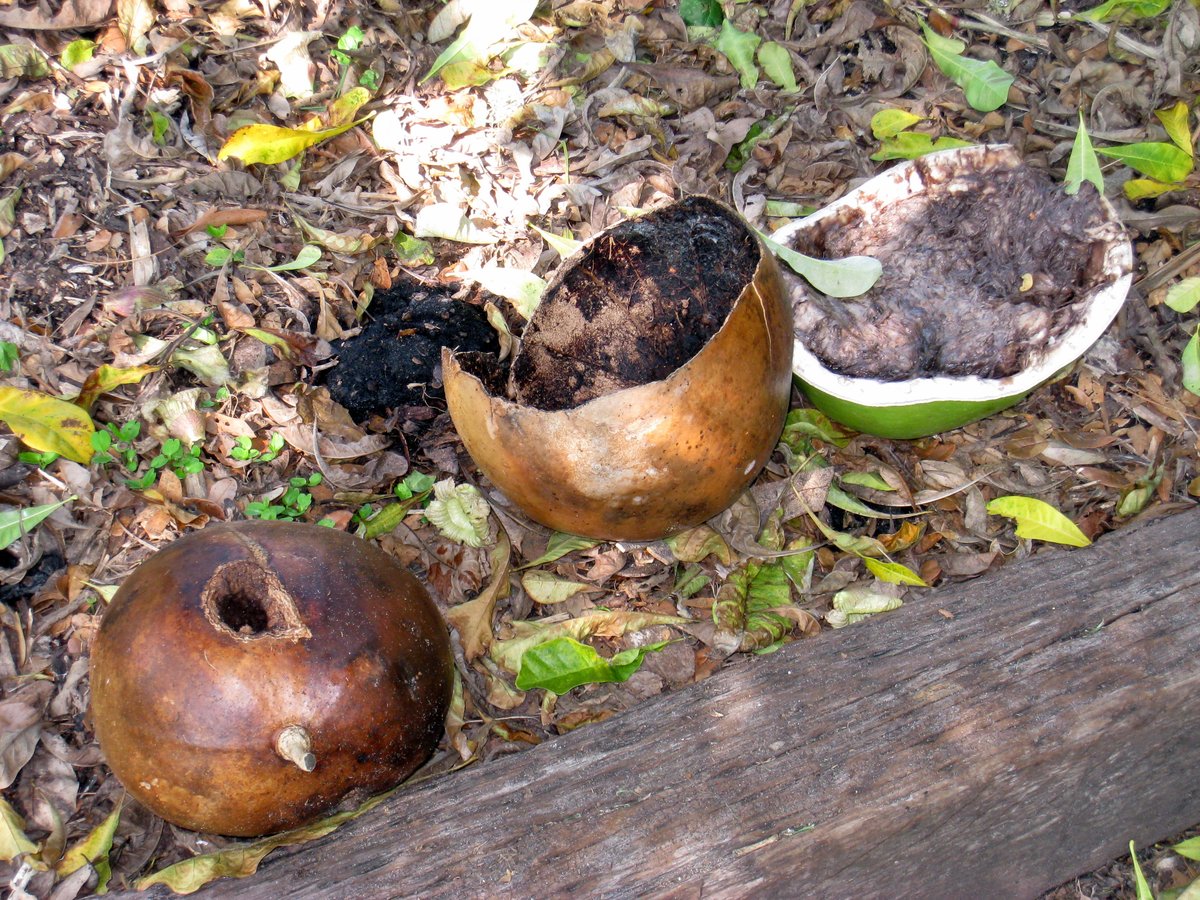
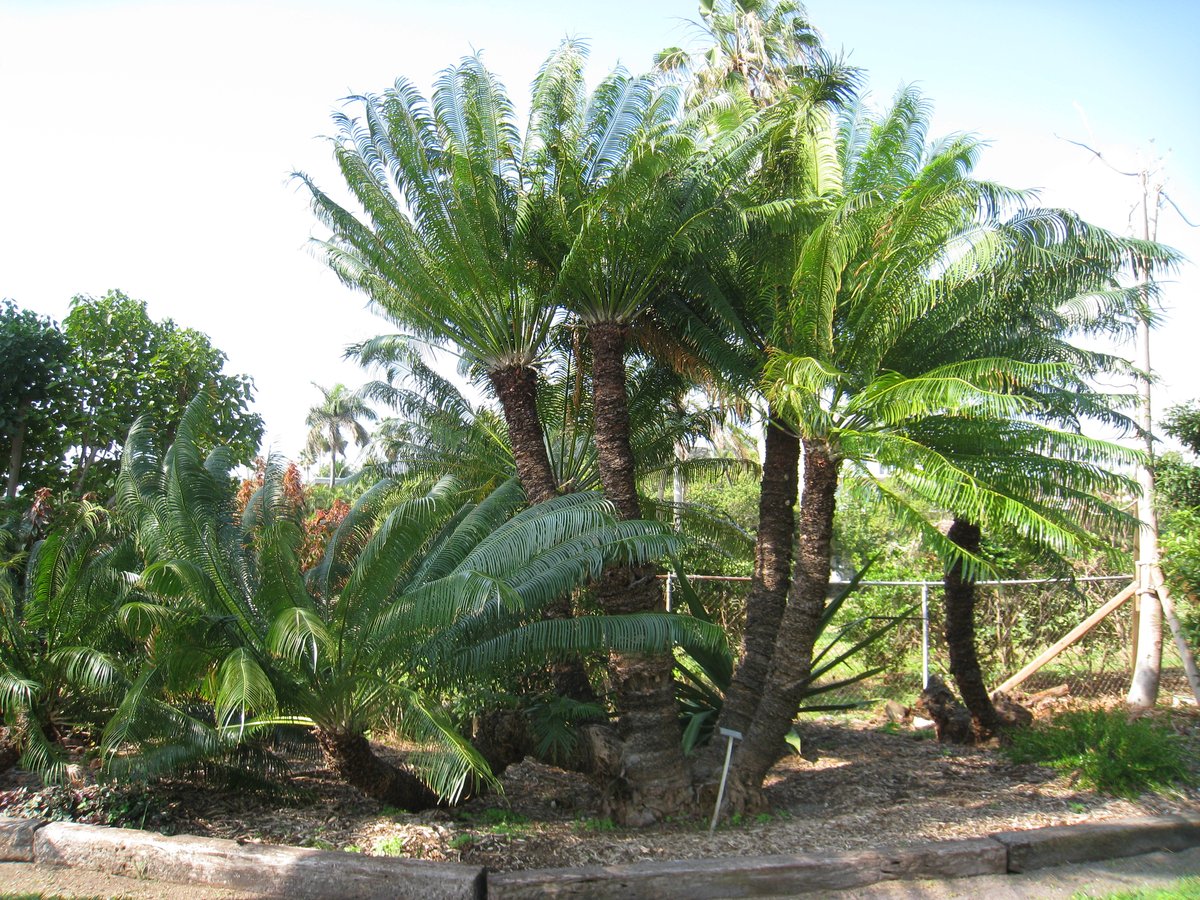
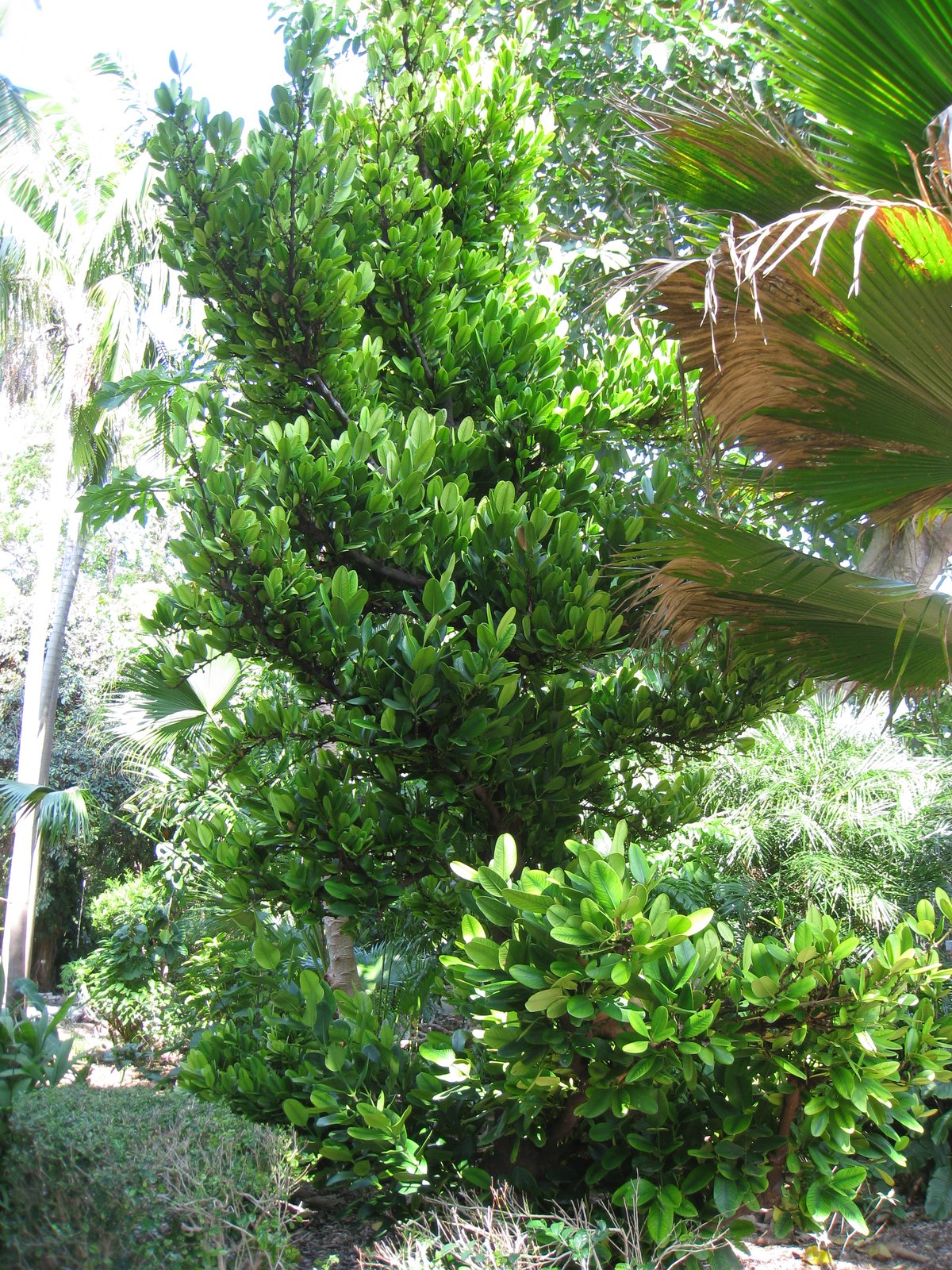
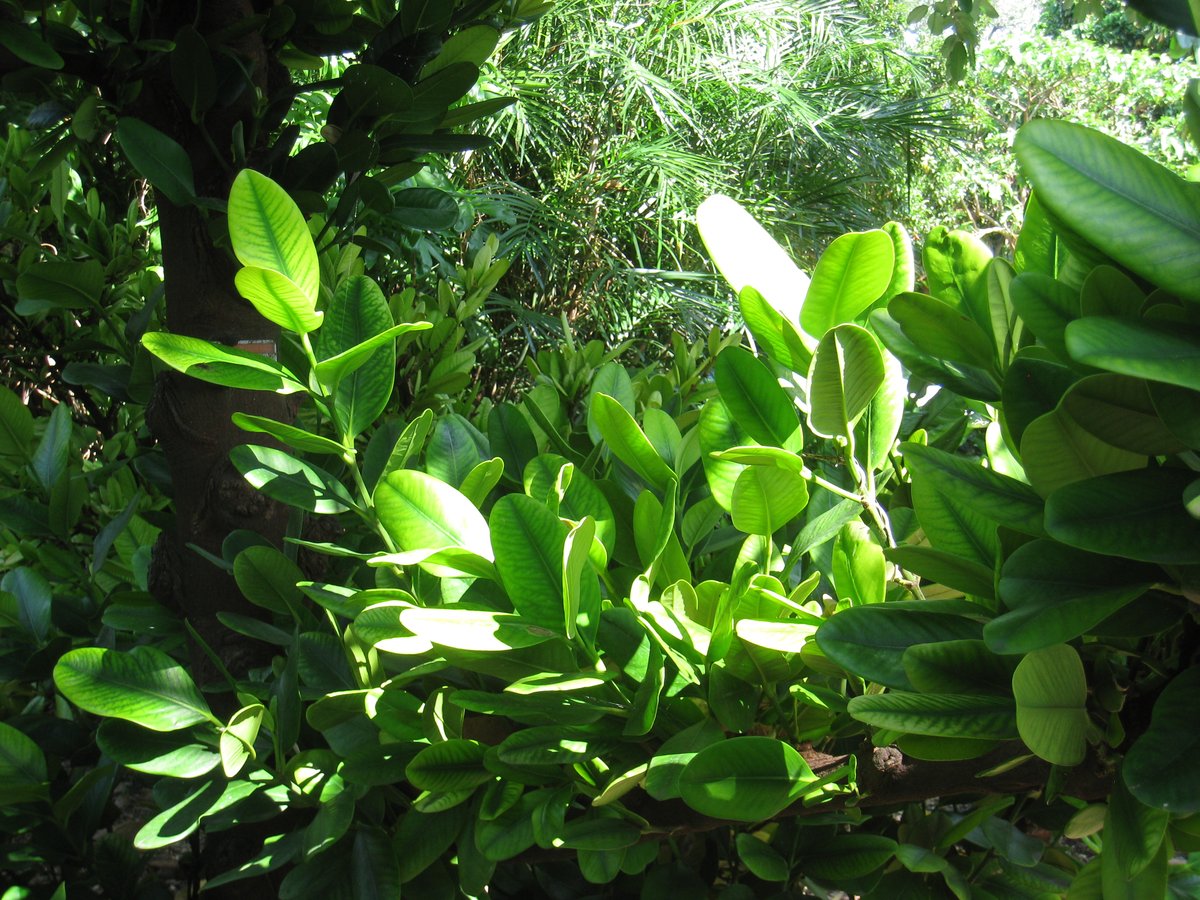
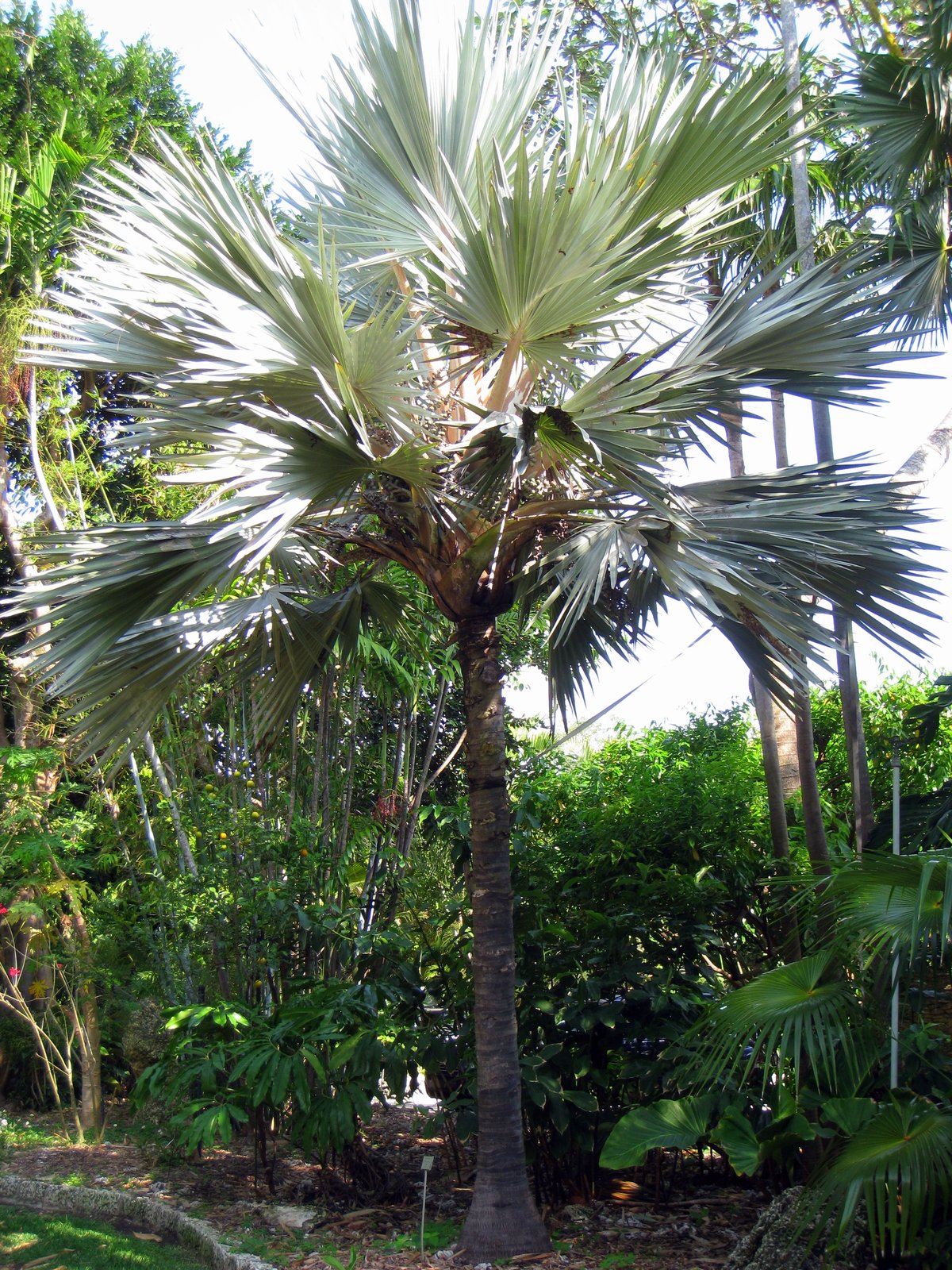
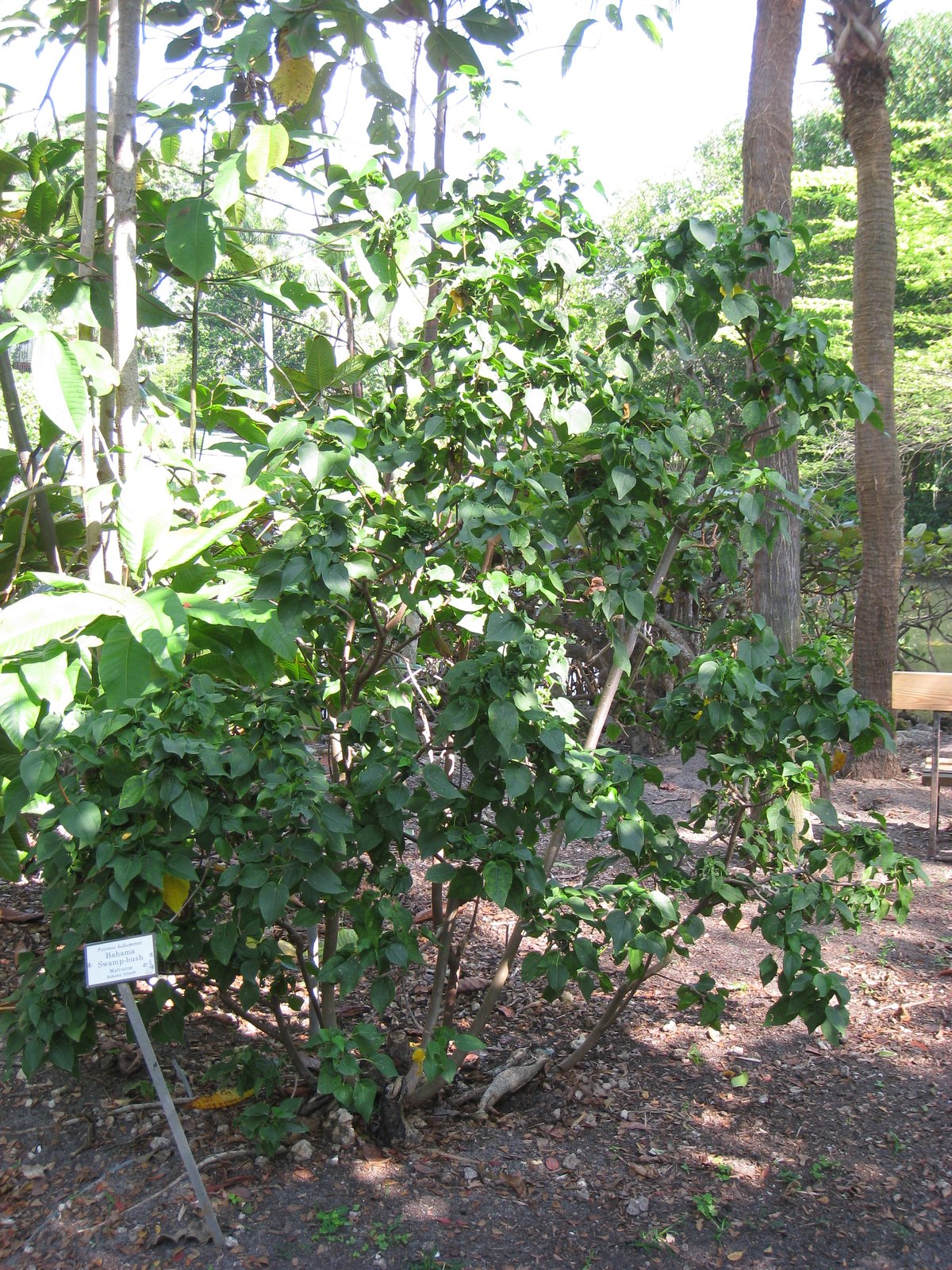
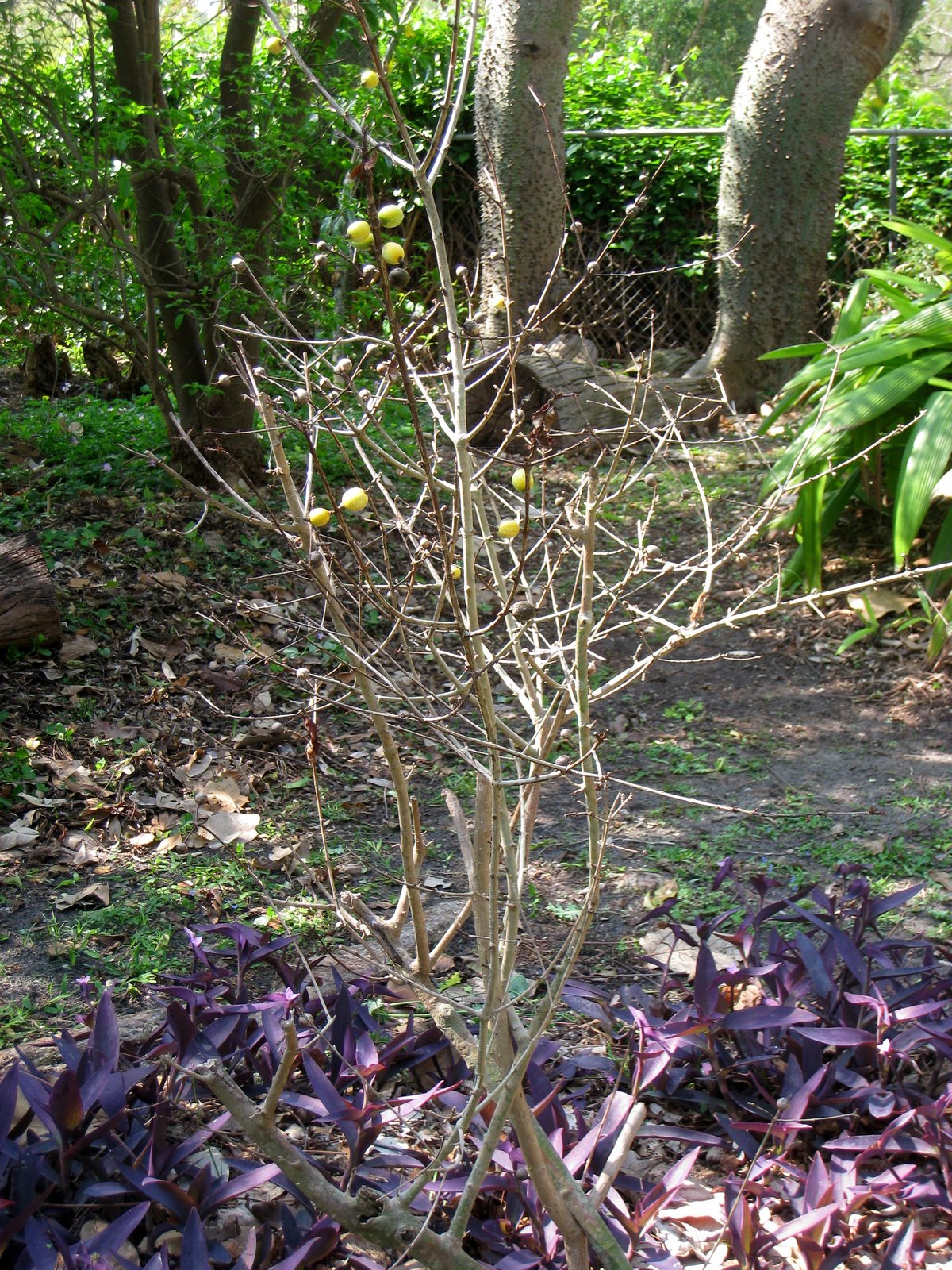
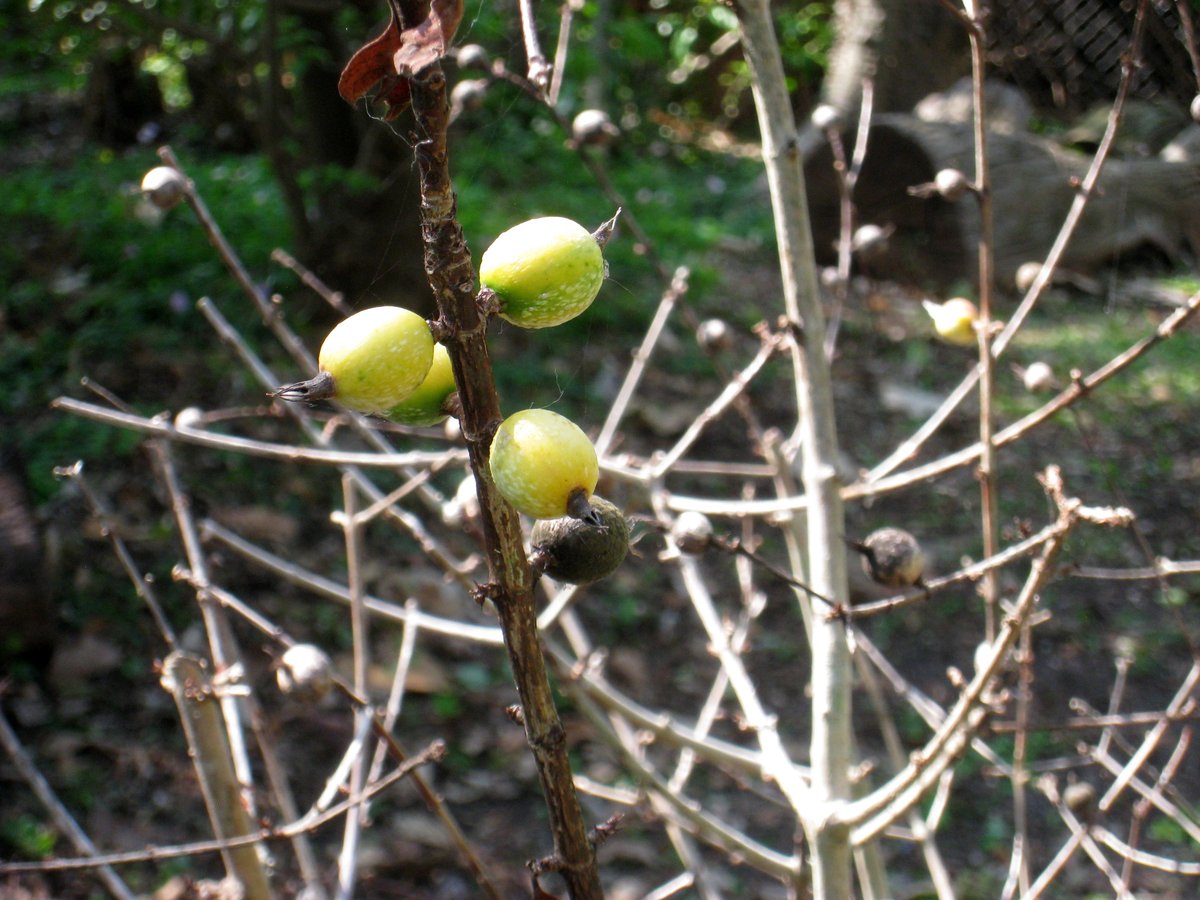
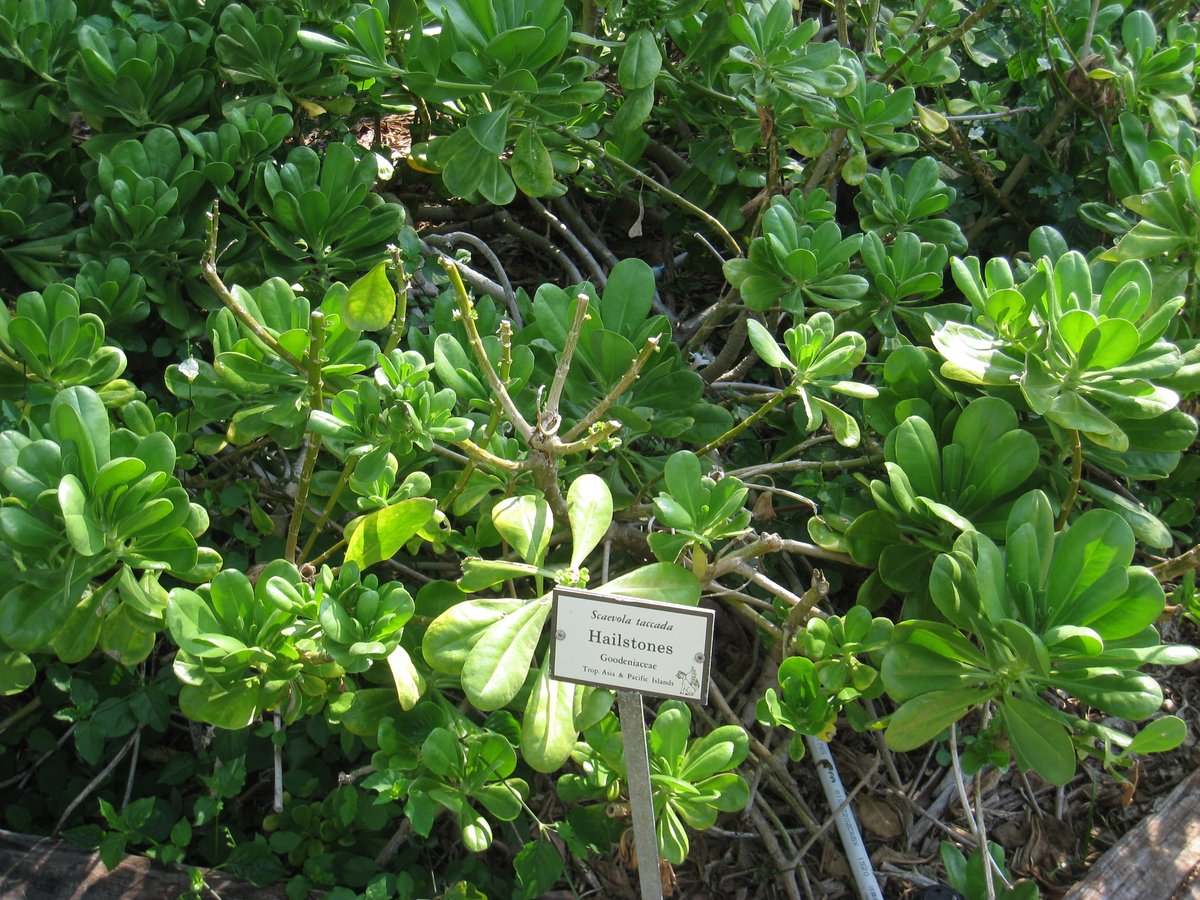
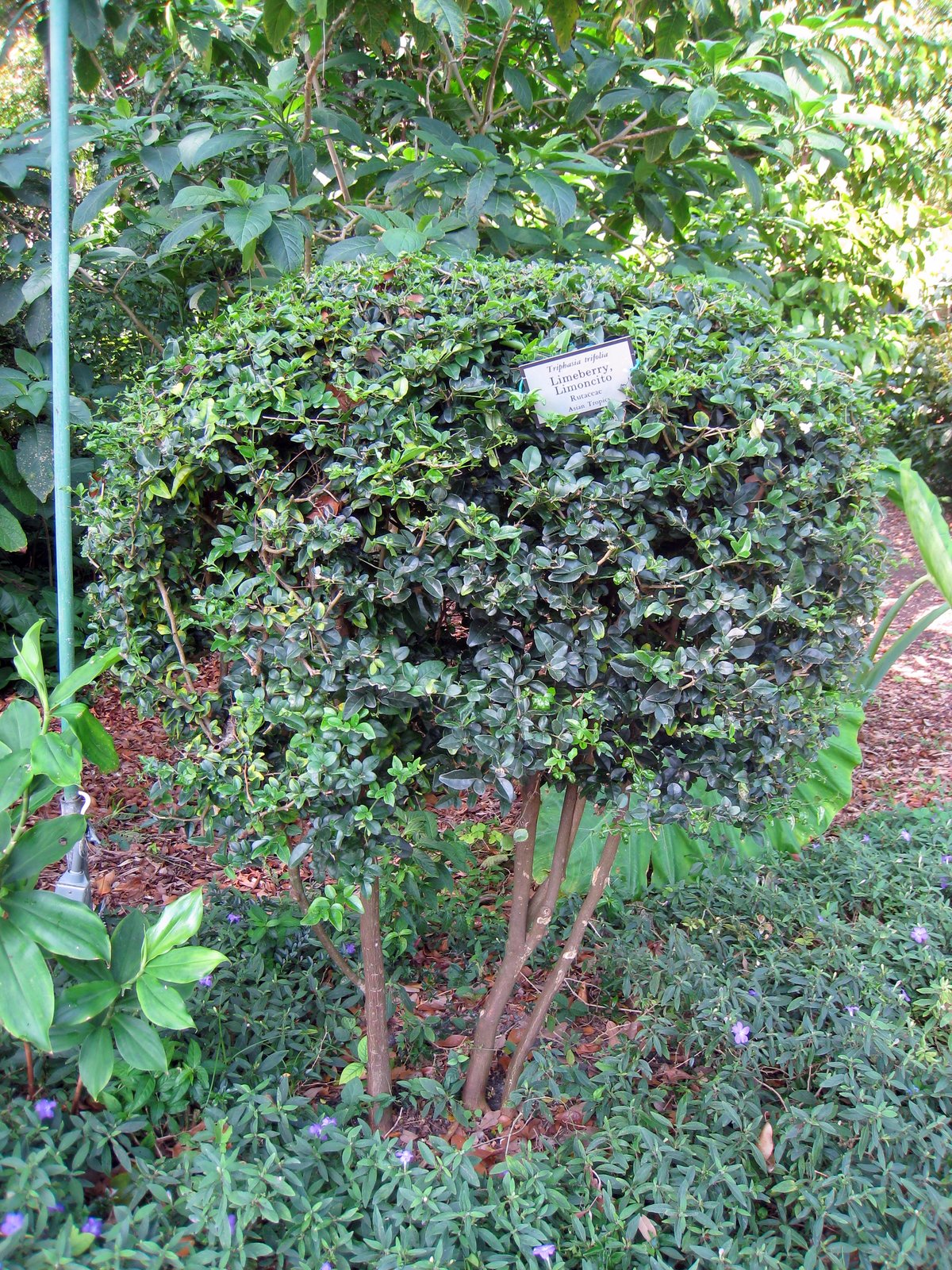
The name “Kampong,” meaning “village” in Malay and Javanese, reflects Fairchild’s fascination with Southeast Asian cultures and his vision of a dynamic gathering place for plants and people (Miami Wonder). The garden’s collections showcase 65 mango varieties, 23 cultivars of avocado, and a host of rare tropical fruits such as jackfruit, canistel, pomelo, candle fruit, and peanut butter fruit (Miami and Beaches). Visitors will also encounter unique palms, cycads, bamboos, aroids, and flowering trees from Asia, the Caribbean, and the Americas (Holidify).
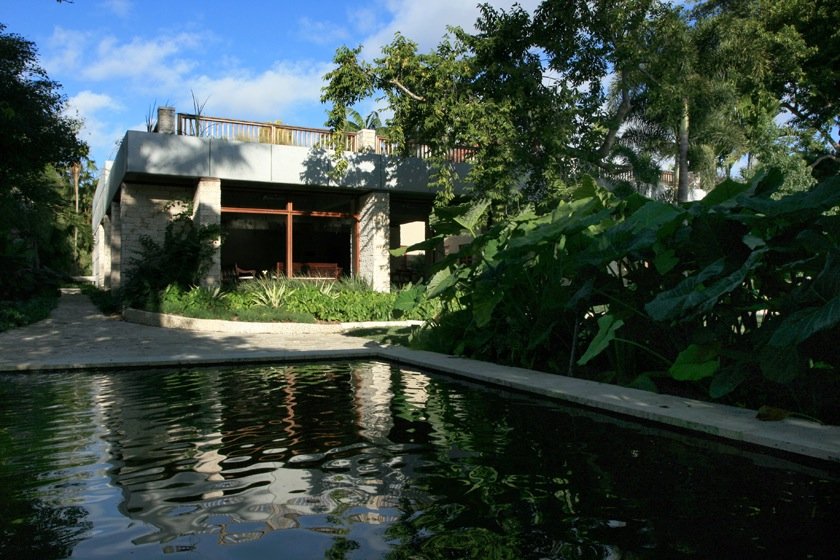
The landscape’s limestone paths, coral stone walls, tranquil lily pond, and the immense banyan fig create a serene and unforgettable setting (Islands.com).
The Historic Fairchild-Sweeney House
At the heart of The Kampong is the Fairchild-Sweeney House, the home of Dr. Fairchild and his family. Restored with period furnishings and architectural details, the house offers visitors a glimpse into Miami’s early 20th-century lifestyle and the estate’s storied past (Miami Wonder).
Visiting The Kampong: Hours, Tickets, and Accessibility
Visiting Hours:
The Kampong is open to visitors by advance reservation. Hours are generally Wednesday through Saturday, from 9:30 a.m. to 4:00 p.m., but may vary based on tour schedules and special events. Check the official NTBG website for current hours and availability.
Tickets and Admission:
Admission is by guided tour or self-guided visit, with tickets purchased in advance online. Standard rates are $15 for adults, with discounts for seniors, students, and children. NTBG members receive free entry and other benefits (NTBG).
Accessibility:
The garden features mostly accessible pathways, though some areas have uneven limestone or coral surfaces. The Fairchild-Sweeney House has limited accessibility. Visitors with mobility concerns should contact The Kampong to discuss specific needs.
Getting There:
Located at 4013 Douglas Road, Miami, FL 33133, The Kampong offers free on-site parking. The site is accessible by car, rideshare, or public transit via Coconut Grove Metrobus lines.
Educational and Scientific Importance
Since Dr. Fairchild’s passing, The Kampong has continued as a center for botanical research, conservation, and public education. As one of five gardens within the NTBG, The Kampong supports plant conservation, science, and sustainable landscaping practices (NTBG). It is also home to the International Center for Tropical Botany (ICTB) in partnership with Florida International University, fostering research, education, and community outreach in tropical botany (FIU Environment).
Educational programs include workshops, university courses, and community events focused on plant science, conservation, and Miami’s environmental heritage.
FAQs about Visiting The Kampong Miami
Do I need to book tickets in advance?
Yes. All visits require advance reservations. Walk-ins are not accepted.
Are children allowed?
Yes, children are welcome and guided tours are family-friendly.
Is The Kampong wheelchair accessible?
Most pathways are accessible, though some historic areas may be challenging. Contact the garden for additional assistance.
Can I bring food or pets?
Outside food is not permitted. Pets are not allowed, except service animals.
Is photography allowed?
Personal photography is encouraged; commercial photography requires prior arrangement.
Botanical Highlights and Visitor Experiences
- The Point Enjoy panoramic views of Biscayne Bay and the Miami skyline.
- Fairchild-Sweeney House Tour the historic residence and learn about early Miami history.
- Botanical Collections Explore rare tropical fruit trees, palms, bamboos, aroids, and flowering trees.
- Guided Tours Gain insight into the garden’s history, Dr. Fairchild’s work, and the importance of plant conservation.
For an enhanced experience, download the Audiala app for self-guided audio tours.
Conservation, Research, and Community Engagement
The Kampong actively supports plant conservation and climate resilience through eco-friendly landscaping and habitat restoration. The garden collaborates with local organizations on public health, food security, and educational outreach, benefiting Miami’s diverse communities.
Nearby Attractions
Coconut Grove offers a wealth of attractions near The Kampong, including boutique shops, cafes, waterfront parks, and other historical sites. Plan additional time to explore the area and make the most of your visit.
Plan Your Visit: Practical Tips
- Advance Booking Reserve tickets early, especially during peak seasons.
- Dress Comfortably Wear light clothing, a hat, and sunscreen; bring insect repellent and water.
- Footwear Comfortable walking shoes are recommended.
- Photography Capture the garden’s beauty respectfully; stay on paths and avoid picking plants or fruit.
- Facilities Restrooms are available. There is no café, so plan accordingly.