
The Legacy of Miami Stadium: Bobby Maduro Miami Stadium
Historical Background
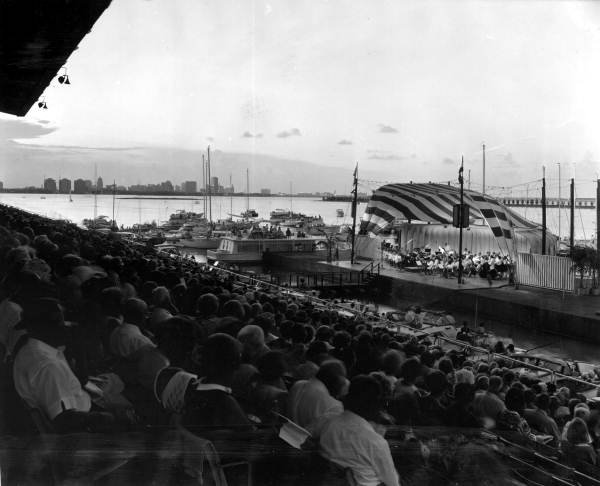
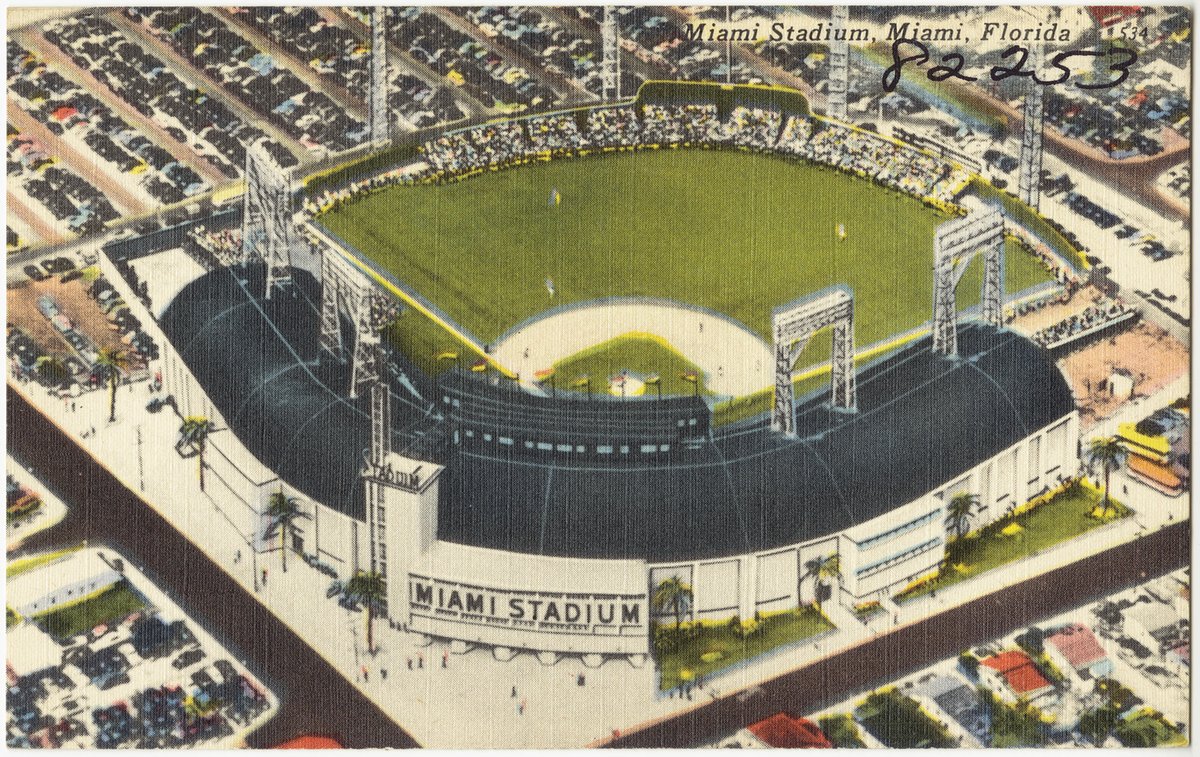
Miami Stadium, officially named Bobby Maduro Miami Stadium, played a pivotal role in Miami’s sporting heritage. Built in 1949, this stadium was a landmark for minor league baseball and community events, renowned for its distinctive high-arched cantilever roof—a design that inspired similar stadiums abroad. It hosted the Miami Marlins (minor league), spring training for teams like the Brooklyn/Los Angeles Dodgers and Baltimore Orioles, and served as a gathering space for Miami’s Cuban and Latin American communities. Although Miami Stadium was demolished in 1999 and replaced by housing, its legacy endures through local memorials and the city’s ongoing passion for sports.
Exploring Miami’s Baseball Heritage Today
While Bobby Maduro Miami Stadium no longer exists, visitors can explore Miami’s baseball legacy through:
- LoanDepot Park (Miami Marlins Ballpark) Home of the Miami Marlins MLB team, offering tours and game experiences.
- HistoryMiami Museum Features exhibits on the city’s sports and cultural history.
- Local Memorials Plaques and historical markers commemorate the original stadium’s location.
- Guided Heritage Tours Various local companies offer tours focused on Miami’s storied sports history.
For additional context, documentaries such as PBS’s “White Elephant: What Is There To Save?” help preserve and interpret the stadium’s cultural significance.
Hard Rock Stadium: History and Architectural Significance
From Joe Robbie to Hard Rock Stadium
Hard Rock Stadium opened in 1987 as Joe Robbie Stadium, designed to accommodate both football and baseball—an innovative approach at the time. The stadium has hosted six Super Bowls, the 2010 NFL Pro Bowl, the 2017 El Clásico Miami, and numerous other high-profile events (tour2026.com, daily.wtemiami.com). Major renovations in the late 2010s added the iconic open-air canopy, high-definition video boards, and modernized seating, further cementing its status as a premier sports and entertainment venue.
Modern Features
The stadium’s flexible design adapts for football, soccer, tennis, concerts, and large festivals. With a current seating capacity of approximately 65,000 (expandable for major events), it features luxury suites, club seating, vibrant fan zones, and interactive areas. Its architecture blends innovation with Miami’s cosmopolitan energy (globalmiamimagazine.com).
Major Sporting and Cultural Events
Year-Round Highlights
- NFL Games Home to the Miami Dolphins, hosting regular season and playoff action.
- College Football University of Miami Hurricanes and the annual Orange Bowl.
- International Soccer Host to global friendlies, Copa America, and seven matches for FIFA World Cup 2026.
- Miami Open Tennis Transforms the venue each spring for world-class tennis (thestadiumsguide.com).
- Formula 1 Miami Grand Prix The stadium’s parking lots become a challenging F1 circuit each May.
- Concerts and Festivals Performances by Beyoncé, Taylor Swift, U2, Coldplay, and other global stars.
- Miami Swim Week and Community Festivals Showcasing local fashion, culinary arts, and multicultural celebrations.
Visiting Hard Rock Stadium: Hours, Tickets, and Accessibility
Visiting Hours
Stadium access is event-driven—gates typically open 90 minutes to 2 hours before start times. Guided tours are available by appointment on non-event days; check the official website for current schedules.
Ticket Information
Purchase tickets only through authorized sellers such as Ticketmaster or the official stadium site. Prices vary by event: NFL and college football games ($50–$200+), concerts and international matches command higher rates, and event-specific packages are available. Mobile ticketing is standard.
Accessibility
The stadium is fully ADA-compliant with accessible seating, restrooms, parking, and services. Ramps, elevators, assistive listening devices, and sensory kits are available. For assistance, contact guest services ahead of your visit.
Getting There: Transportation and Parking
- Address 347 Don Shula Dr Suite 102, Miami Gardens, FL 33056.
- By Car Easily accessed via I-95 and Florida Turnpike; parking passes ($25–$50) should be purchased in advance (stadiumseatingplan.com).
- By Transit Miami-Dade Transit offers bus service; special shuttles run during major events.
- Rideshare Uber/Lyft have designated zones for efficient drop-off and pick-up.
Arrive 60–90 minutes early to allow for parking, security, and seating.
Stadium Amenities and Visitor Experience
Food, Beverage, and Shopping
Enjoy a diverse range of local and international cuisine, including vegan, vegetarian, and gluten-free options. Contactless payment is widely accepted. Official merchandise is available at multiple retail locations and pop-up stores during major events.
Comfort and Convenience
- Canopy Roof Covers 92% of seats for sun and rain protection.
- Wi-Fi High-speed internet access throughout.
- Restrooms and Family Facilities Ample restrooms, family areas, and nursing stations on all levels.
Weather and Safety
Miami’s climate is hot and humid—dress accordingly, stay hydrated, and bring rain gear if needed. Security screening is mandatory; only clear bags (12" x 6" x 12") or small clutches are permitted. Review the stadium’s prohibited items policy before arrival.
Sustainability and Community Impact
Hard Rock Stadium prioritizes sustainability, featuring energy-efficient systems, eco-friendly materials, advanced waste management, and green travel initiatives (tour2026.com). Community programs focus on youth sports, education, job training, and accessibility, ensuring a positive legacy for local residents.
Nearby Attractions and Local Insights
Within a 30–40 minute drive, visitors can explore:
- Downtown Miami Nightlife, dining, and cultural landmarks.
- Miami Beach Iconic beaches and Art Deco architecture.
- Wynwood Arts District Renowned for street art and galleries.
- HistoryMiami Museum In-depth exhibits on the city’s history (historymiami.org).
- Ancient Spanish Monastery A unique historical site nearby.
For first-time visitors, see Miami travel tips.
Frequently Asked Questions (FAQ)
Q: What are Hard Rock Stadium’s visiting hours?
A: Gates typically open 90 minutes to 2 hours before event start times. Guided tours are by appointment on non-event days.
Q: How do I buy tickets?
A: Purchase only through official channels or authorized sellers; early purchase is recommended.
Q: Is the stadium accessible for disabled visitors?
A: Yes, with ADA-compliant seating, restrooms, parking, and guest services.
Q: What are the parking options?
A: Multiple lots surround the stadium; advance purchase of parking passes is highly recommended.
Q: Are there food options for special diets?
A: Vegan, vegetarian, and gluten-free items are available at select concessions.
Q: Can I visit the original Miami Stadium?
A: The original Bobby Maduro Miami Stadium no longer exists, but its legacy is preserved through local museums and historical markers.