Plan and listen to Freedom Tower with Audiala.
Audio guide in your pocket, itinerary in your browser. Built for the way you actually visit.
Introduction
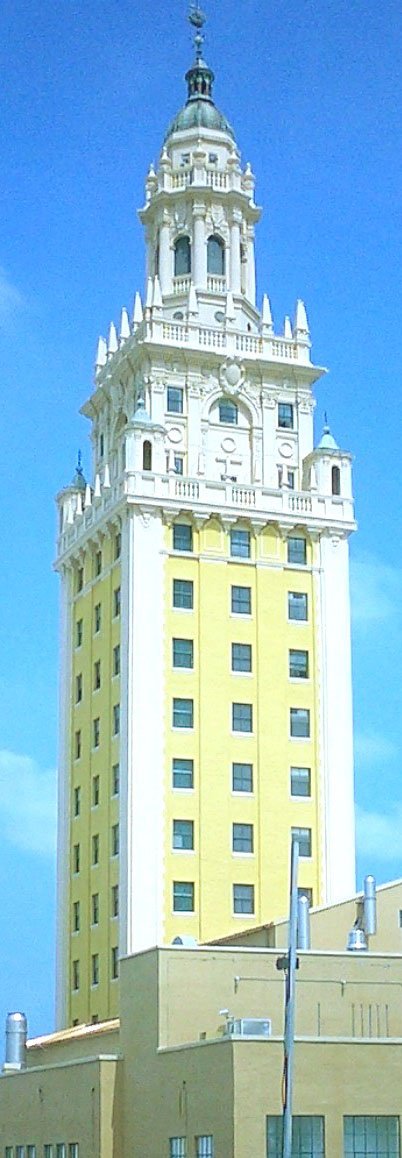
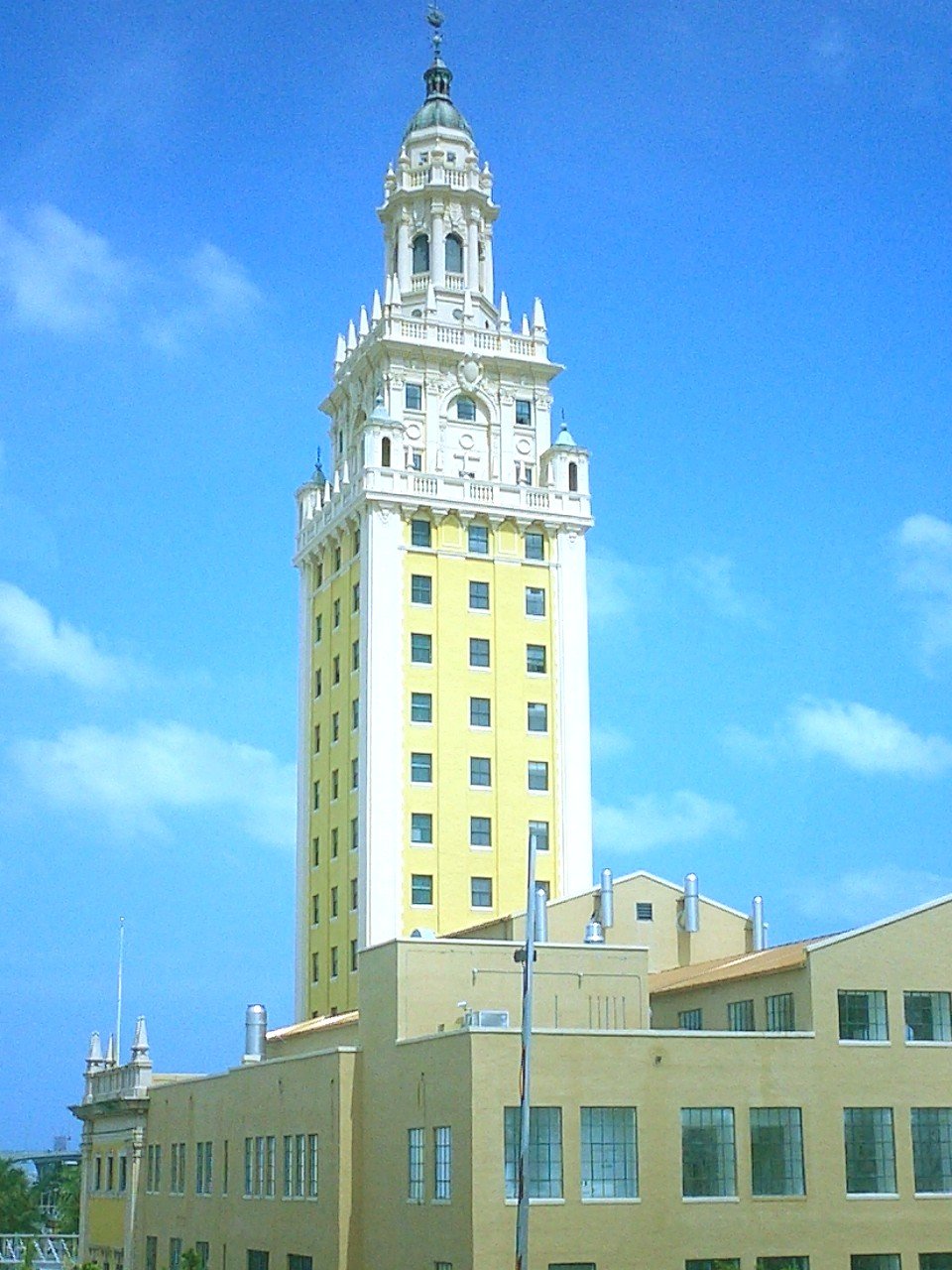
The Freedom Tower in Miami rises above Biscayne Boulevard as a testament to the city’s rich cultural mosaic and architectural grandeur. Originally built in 1925 as the headquarters for The Miami News, this stunning Spanish Plateresque Revival tower—modeled after Seville’s Giralda Bell Tower—has played multiple pivotal roles in Miami’s development. Most notably, it served as the Cuban Refugee Center from 1962 to 1974, earning the moniker “Ellis Island of the South” for welcoming and assisting over 650,000 Cuban exiles. Today, following an extensive $25 million centennial renovation, the Freedom Tower stands as a vibrant museum and cultural hub managed by Miami Dade College, offering immersive exhibitions, educational programs, and community events that celebrate the city’s immigrant heritage and enduring spirit.
For visitors, the Freedom Tower offers not only a journey through history and art but also convenient access to downtown Miami’s top attractions, including Bayfront Park and the Pérez Art Museum Miami. This comprehensive guide details visiting hours, ticketing, tours, accessibility, and special events, helping you plan an engaging and memorable experience at this iconic Miami landmark (Miami Dade College Freedom Tower).

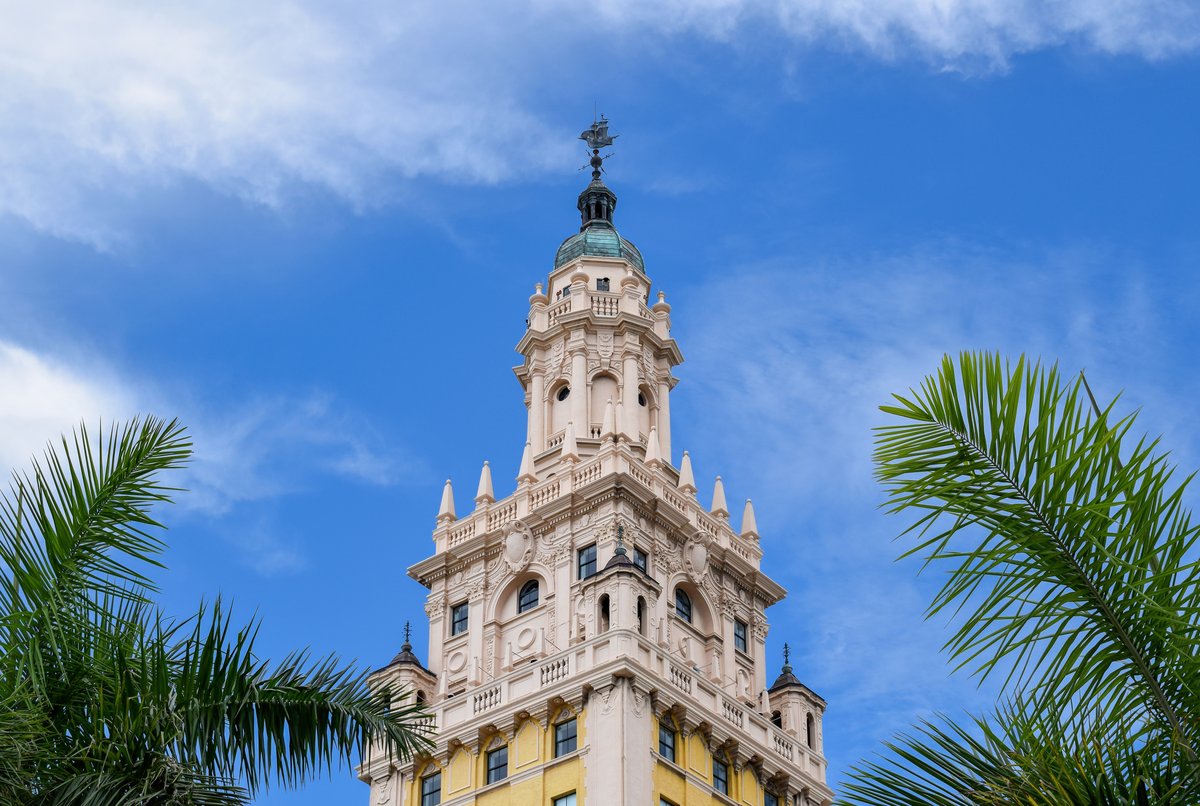
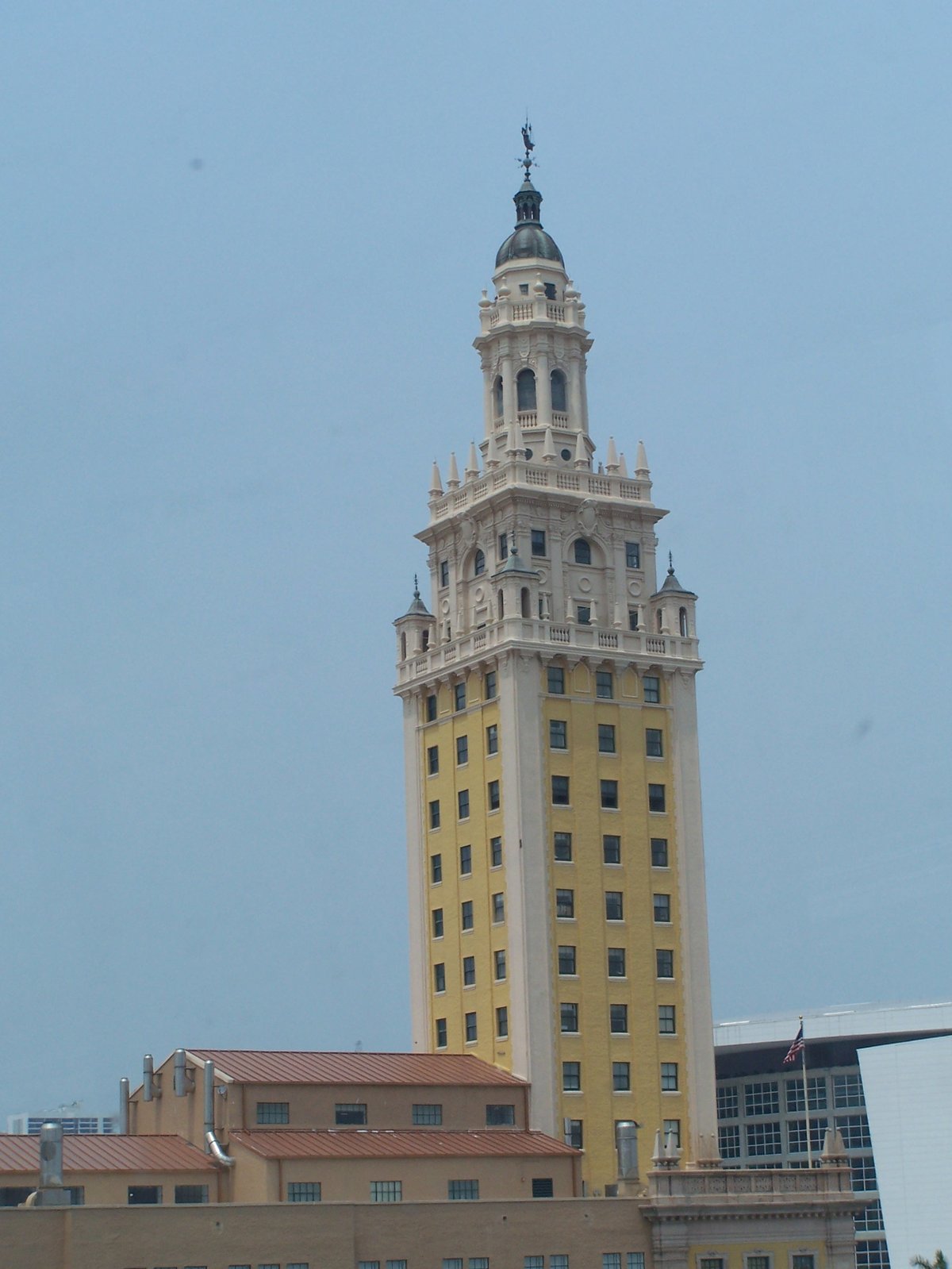
Origins and Architectural Significance
Completed in 1925, the Freedom Tower was designed by Schultze & Weaver—the same architects behind New York’s Waldorf Astoria—reflecting the Mediterranean Revival style that flourished during Miami’s land boom. The building’s ornate façade, with its ochre stucco, arched windows, Corinthian columns, and decorative cupola, was inspired by the Giralda Bell Tower in Seville, Spain. As Miami’s first true skyscraper, its location at the former site of the city’s initial railroad station underscores its connection to Miami’s growth and ambition (Miami History).
The Cuban Refugee Center: “Ellis Island of the South”
Between 1962 and 1974, the Freedom Tower functioned as the Cuban Refugee Center, providing crucial humanitarian services—including medical care, food distribution, and family reunification—to Cuban exiles fleeing political upheaval. Over 650,000 people passed through its doors during this time. The building thus became a powerful symbol of hope and new beginnings for generations of Cuban Americans (Remezcla).
Impact on Miami’s Cultural Landscape
The influx of Cuban refugees fundamentally shaped Miami’s demographic profile, infusing the city with new traditions, languages, businesses, and a vibrant Cuban American community that continues to influence the city’s identity today (MDC Freedom Tower).
Preservation and Centennial Renovation
After periods of vacancy and threat of demolition, the Freedom Tower was saved through private initiative and community advocacy. Acquired by Miami Dade College in 2005, the building underwent multiple restoration efforts, culminating in a $25 million centennial renovation completed in 2025. The project, funded by state and federal grants, focused on preserving historic features, improving ADA accessibility, upgrading infrastructure, and creating cutting-edge museum spaces that blend history with interactive technology (Miami Dade College Freedom Tower, CommunityWire.Miami).
Key restoration highlights include:
- Meticulous repair of the stucco façade, decorative balusters, cupola, and murals.
- Modernized elevator and lighting systems.
- ADA-compliant ramps, elevators, and restrooms.
- Enhanced gallery spaces for permanent and temporary exhibitions.
Visiting Information
Hours and Tickets
- Expected Reopening: July 2025 (Centennial celebration)
- Visiting Hours: Typically Tuesday–Sunday, 10:00 AM–5:00 PM. Confirm current hours on the official website.
- Tickets: Pricing for the new museum experience is pending; historically, admission has been free or low-cost, with discounts for students, seniors, and MDC affiliates. Special exhibitions may require a separate fee.
Guided Tours
- Docent-led tours are available in English and Spanish, offering in-depth insights into the building’s architecture, the Cuban exile experience, and Miami’s immigrant history.
- Tour times: Typically scheduled Thursday–Sunday at 11:00 AM and 2:00 PM. Advance reservations are recommended.
Accessibility
The Freedom Tower is fully ADA-compliant, featuring:
- Ramps and elevators
- Accessible restrooms and seating
- Service animal accommodation
- Multilingual signage and digital guides
Visitor Amenities
- Information desk: Staffed with knowledgeable guides.
- Gift Shop: Books, art prints, and Miami memorabilia.
- Café: Cuban coffee and light refreshments (subject to operation schedule).
- Free Wi-Fi throughout the building.
Special Events
The Freedom Tower is a venue for major Miami cultural events, including the Miami Book Fair, Miami Film Festival, and Live Arts Miami. The 2025 centennial will feature unique exhibitions, documentary screenings, lectures, and live performances (Miami Film Festival).
Exhibitions and Programs
Permanent Exhibitions
- The Cuban Legacy Gallery: Explores the Cuban exile journey with archival photographs, documents, and contemporary art by Cuban and Cuban American artists. Interactive digital displays allow visitors to engage with personal stories and historical timelines (The Miami Best).
- The Exile Experience: Delves into forced migration, featuring oral histories, video interviews, and multimedia displays on adaptation and cultural contributions (The Miami Best).
- The Kislak Center: Presents rare books, maps, and artifacts highlighting the Americas’ exploration and migration history.
Temporary and Centennial Exhibitions
- State-of-the-art centennial galleries: Integrate immersive multimedia, archival footage, and community art installations (Miami Film Festival).
- Documentary projects: Commissioned films chronicle the tower’s legacy.
- Community programming: Lectures, workshops, and school tours focus on civil rights, identity, and Miami’s evolving cultural tapestry.
Nearby Attractions
The Freedom Tower’s prime downtown location places visitors within easy reach of:
- Bayfront Park: Waterfront green space with monuments and trails (The Crazy Tourist).
- Bayside Marketplace: Shopping, dining, and boat tours.
- Pérez Art Museum Miami (PAMM): Modern and contemporary art.
- Miami Circle archaeological site: Ancient Tequesta landmark.
- American Airlines Arena: Major concerts and sporting events.
Public transit options include the Metromover (College/Bayside station) and Metrobus. Ample parking is available nearby, but plan ahead during major events.
Frequently Asked Questions (FAQ)
Q: What are the Freedom Tower’s visiting hours?
A: Visiting hours are expected to be Tuesday–Sunday, 10:00 AM–5:00 PM, but check the official website for updates.
Q: How much are tickets?
A: Ticket pricing for the centennial museum experience is pending. Historically, general admission has been free or low-cost, with possible fees for special exhibitions.
Q: Are guided tours available?
A: Yes, docent-led tours in English and Spanish are offered. Reserve in advance for the best experience.
Q: Is the Freedom Tower accessible?
A: Yes, the building is fully ADA-compliant, with ramps, elevators, accessible restrooms, and service animal accommodation.
Q: Can I take photos inside?
A: Photography is allowed in most public areas (no flash/tripods). Some exhibits may have restrictions.
Q: What other Miami attractions are nearby?
A: Bayfront Park, Bayside Marketplace, Pérez Art Museum Miami, and the Miami Circle are all within walking distance.
Suggested Visuals and Media
- High-resolution images of the Freedom Tower exterior and key exhibits (e.g., "Freedom Tower Miami historical landmark facade," "Cuban Legacy Gallery at Freedom Tower Miami").
- Interactive map showing the tower and surrounding attractions.
- Embedded virtual tour or documentary clips showcasing the centennial restoration and visitor experience.
Final Thoughts
The Freedom Tower embodies Miami’s complex and inspiring story—a place where architecture, migration, art, and resilience intersect. Its centennial renovation ensures that future generations will continue to learn from and be inspired by this living symbol of hope and freedom. Plan your visit, explore the exhibitions, and discover the layers of history that make the Freedom Tower one of Miami’s most essential cultural destinations.
Listen to the full story in the app
The whole Freedom Tower,
told well.
Audio guides for 1,100+ cities across 96 countries. History, stories, and local insight — offline ready.
Verified, and shown.
Researched and written by the Audiala editorial team from historical records, architectural archives, and local expertise.
Researched from Wikidata, Wikipedia & official sources · fact-checked · How we make our guides →