Plan and listen to Fort Dallas with Audiala.
Audio guide in your pocket, itinerary in your browser. Built for the way you actually visit.
Introduction
Fort Dallas, located on the north bank of the Miami River in downtown Miami, is the city’s oldest preserved historic site and a tangible link to Miami’s diverse and layered past. From its origins as a military outpost during the Second Seminole War to its role in the founding and development of modern Miami, Fort Dallas offers visitors a unique opportunity to explore the city’s evolution and cultural heritage. This comprehensive guide details Fort Dallas’s history, significance, visiting hours, ticket information, accessibility, nearby attractions, and practical tips to help you make the most of your visit (Wikipedia; Legends of America; Britannica).
- Historical Overview
- Architectural and Cultural Significance
- Visiting Information: Hours, Tickets, and Accessibility
- Nearby Attractions and Experiences
- Practical Visitor Tips
- Events and Community Engagement
- Frequently Asked Questions (FAQ)
- Visuals and Media Resources
- Conclusion and Further Exploration
- Sources

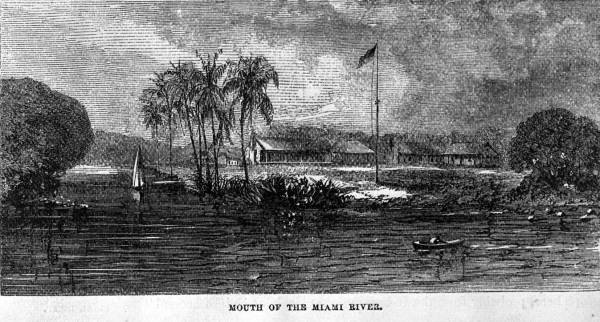

Pre-Colonial and Early Eras
Long before the construction of Fort Dallas, the area was home to the Tequesta people, who established settlements along the Miami River over 2,000 years ago, evidenced by archaeological sites and burial mounds (Britannica). Spanish explorers attempted to gain influence in the 16th century, but the region would later shift hands between Spain and Great Britain before becoming part of the United States in 1821.
Military and Plantation Periods
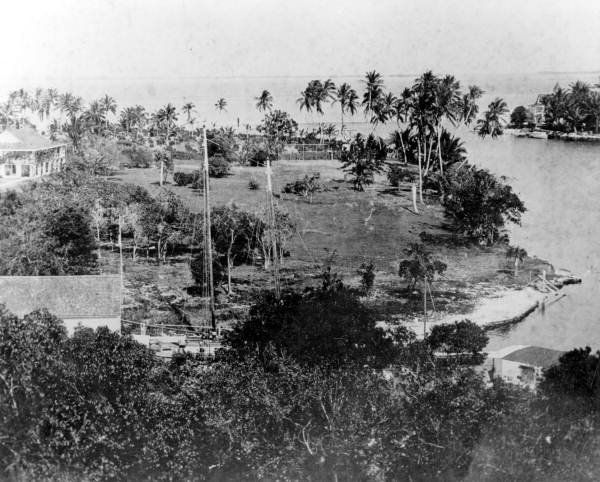
Established in 1836 as a military outpost during the Second Seminole War, Fort Dallas was named for Commodore Alexander James Dallas. Its strategic location allowed the U.S. Army to monitor and counter Seminole resistance and safeguard trade routes on Biscayne Bay (Wikipedia). The fort later became a plantation hub under Colonel Richard Fitzpatrick, who used enslaved labor to cultivate sugar cane. His nephew, William F. English, expanded the plantation to include pineapples and limes (Hidden History Miami).
During the Third Seminole War, Fort Dallas was reoccupied and expanded, and its stone barracks—constructed from native oolitic limestone—became a defining feature (Miami History). The fort also served as a Union base during the Civil War before falling into civilian hands.
Transition to Modern Miami
In the late 19th century, Julia Tuttle purchased the property and converted the barracks into her family home. Her efforts attracted Henry Flagler’s Florida East Coast Railway, directly leading to the incorporation of Miami in 1896 (Legends of America). The barracks, after serving as a social club, were moved to Lummus Park in 1925 to prevent demolition—one of Miami’s earliest preservation efforts (Miami History).
Architectural and Cultural Significance
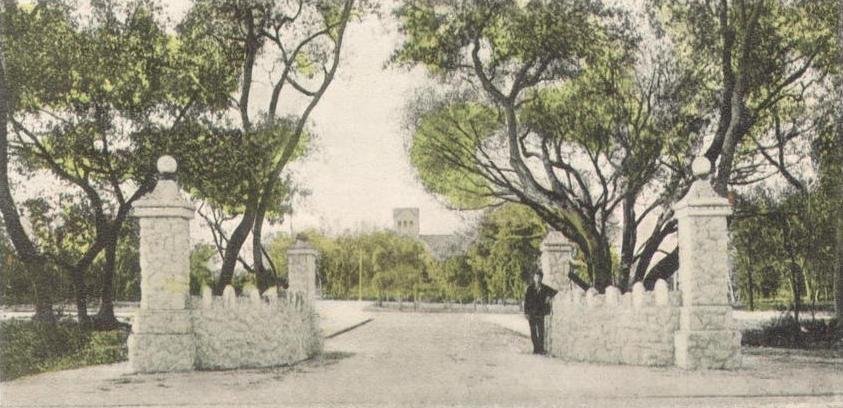
The Fort Dallas barracks are Miami’s oldest surviving structure, showcasing early construction with native limestone and a design reflecting its military and plantation past (American Heritage). The building’s preservation is a rare example of Miami’s architectural heritage, as much of the city’s early history has been lost to development. The site’s layered history, encompassing indigenous, military, and multicultural pioneer eras, makes it a symbol of Miami’s evolution (Tourists in Our Backyard).
Today, the barracks serve as an educational resource, hosting school trips, walking tours, and community events. Its presence in Lummus Park, alongside the William Wagner House, creates a unique space to experience Miami’s 19th-century history in the heart of the city (Miami History).
Visiting Information: Hours, Tickets, and Accessibility
- Location: Lummus Park, 404 NW 3rd Street, Miami, FL (Legends of America)
- Hours: Open daily from dawn to dusk.
- Admission: Free; no tickets required.
- Guided Tours: Offered occasionally by local heritage organizations, such as the HistoryMiami Museum or the Daughters of the American Revolution (HistoryMiami). Check respective websites or event calendars for tour schedules.
- Accessibility: The park and historic site are wheelchair accessible, with paved paths and public restrooms.
- Parking and Transit: Limited on-site parking; metered street parking nearby. Accessible by Miami’s Metro Mover (Riverwalk station), city buses, and bike/pedestrian paths (Tourists in Our Backyard).
Nearby Attractions and Experiences
- Miami Riverwalk: Scenic 5.5-mile path for walking and cycling, adjacent to the park (Trip101).
- William Wagner House: Miami’s oldest surviving home, also located in Lummus Park.
- Downtown Miami & Brickell: Urban districts with shopping, dining, and historical sites.
- Bayfront Park & Bayside Marketplace: Green spaces and waterfront entertainment.
- Pérez Art Museum Miami (PAMM) & Frost Museum of Science: Major cultural institutions nearby (Trip101).
- Miami Design District: Art, architecture, and dining.
- Oleta River State Park & Jungle Island: Outdoor and eco-adventure options.
Practical Visitor Tips
- Best Time to Visit: November to April for pleasant weather and major events (Holidify).
- Crowds: Weekdays and mornings are least crowded.
- Amenities: Restrooms in Lummus Park; no concessions at the site, but many dining options nearby.
- Photography: Early morning or late afternoon provide optimal lighting for photos.
- Pets: Allowed on leash in the park; check local regulations.
Events and Community Engagement
Downtown Miami and the Lummus Park area host events throughout the year, including Art Deco Weekend, Ultra Music Festival, South Beach Wine & Food Festival, and Miami Marathon (The Miami Guide; Luxury Miami Beach Villas). Many events highlight or include Fort Dallas in their programming.
Support local preservation by attending events, donating to heritage organizations, or volunteering with groups dedicated to maintaining Miami’s historic sites (Miami History).
Frequently Asked Questions (FAQ)
Q: What are Fort Dallas’s visiting hours?
A: Daily from dawn to dusk.
Q: Is there an admission fee?
A: No, entry is free.
Q: Can I tour the interior of the barracks?
A: The interior is only open during special tours/events; check with the HistoryMiami Museum or Daughters of the American Revolution for schedules.
Q: Is the site accessible for people with disabilities?
A: Yes, with paved walkways and accessible restrooms.
Q: Are pets allowed?
A: Pets are generally allowed on leashes in Lummus Park; confirm with city guidelines.
Q: What is the best way to get there?
A: Use public transit (Metro Mover, buses), bike, or rideshare; limited parking is available.
Listen to the full story in the app
The whole Fort Dallas,
told well.
Audio guides for 1,100+ cities across 96 countries. History, stories, and local insight — offline ready.
Verified, and shown.
Researched and written by the Audiala editorial team from historical records, architectural archives, and local expertise.
Researched from Wikidata, Wikipedia & official sources · fact-checked · How we make our guides →