Origins and Historical Significance
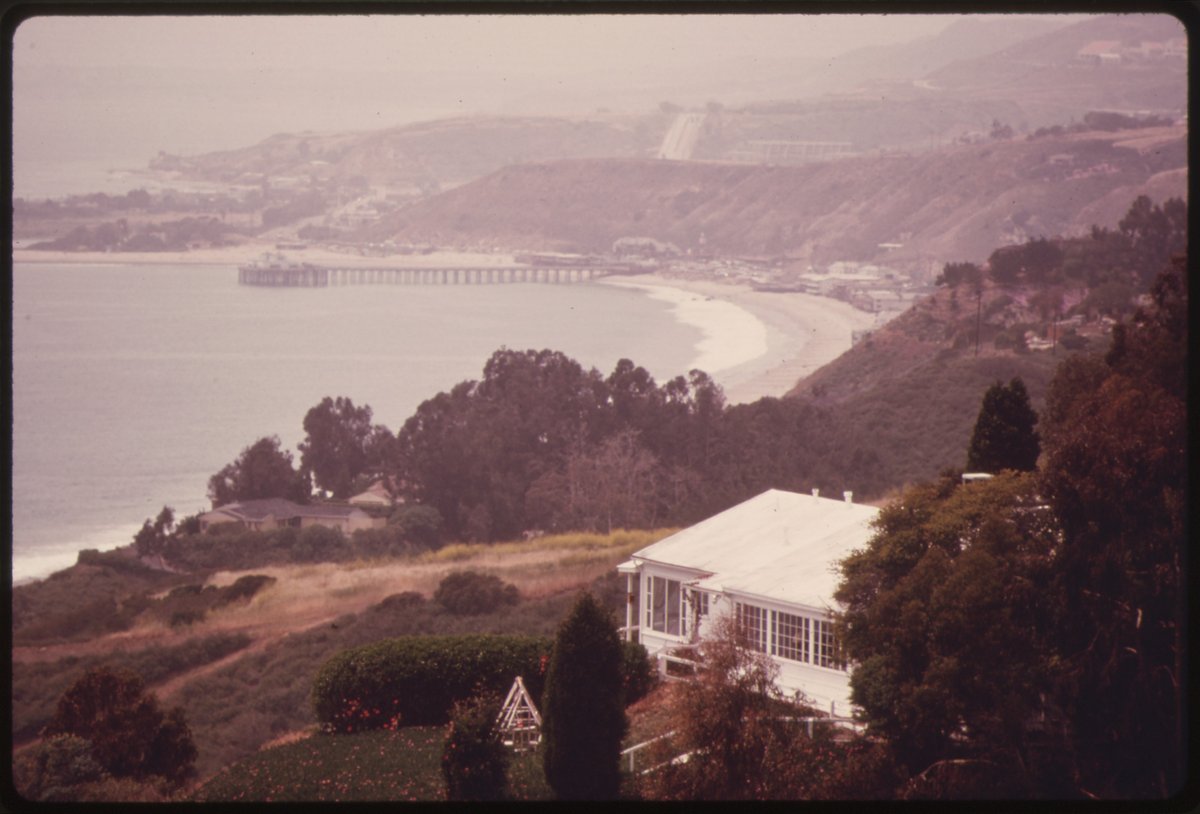
Robert H. Meyer Memorial State Beach was established in the 1970s as part of a statewide push to preserve public access to California’s coastline. The beach honors Robert H. Meyer, whose leadership in the California Department of Parks and Recreation was instrumental in expanding protected coastal areas. During a time when much of Malibu’s shoreline was privately owned and inaccessible, Meyer’s advocacy led to the acquisition of key coastal sites, ensuring the public could enjoy these natural treasures (malibutimesmag.com).
The transition from privatized beaches to public stewardship was catalyzed by the California Coastal Act of 1976, which prioritized shoreline protection and public enjoyment. The state, with support from conservation groups and the Santa Monica Mountains Conservancy, secured El Matador, La Piedra, and El Pescador beaches, integrating them into the state park system (flashpackingamerica.com).
El Matador State Beach
El Matador is the most iconic and photographed of the three beaches, known for its striking sea stacks, natural arches, and hidden caves. Accessible via a steep stairway from the parking lot, the beach is a favorite location for photographers and filmmakers. Sunset at El Matador is particularly spectacular, and low tide reveals tide pools teeming with marine life (travelcaffeine.com).
La Piedra State Beach
La Piedra offers a quieter, more secluded experience, with rocky outcrops, tide pools, and coastal bluffs. The descent to the beach is steep and rustic, rewarding visitors with solitude and opportunities for wildlife observation.
El Pescador State Beach
The westernmost of the trio, El Pescador features a tranquil sandy cove, tide pools, and rocky shoreline. It’s popular with families and birdwatchers, and its gentle waves and relative seclusion make it ideal for peaceful beach outings (malibutimesmag.com).
Visiting Information: Hours, Tickets, and Accessibility
- Hours Open daily from 8:00 AM to sunset. Parking lots generally open at 8:00 AM and close 30 minutes after sunset.
- Fees No entrance fee. Parking costs $12 per vehicle as of 2024, payable at self-serve kiosks or via the California State Parks app.
- Tickets No tickets are required for beach access.
- Accessibility Blufftop parking areas have accessible spots and restrooms, but trails to the beaches are steep and not wheelchair-friendly. Wear sturdy footwear for the descent.
- Pets Pets are not allowed on the beaches to protect sensitive habitats. Leashed pets may be permitted in designated blufftop areas; check California State Parks regulations for updates.
Directions, Parking, and Travel Tips
-
Location The beaches are located off the Pacific Coast Highway (PCH), about 10 miles west of central Malibu and 35 miles from downtown Los Angeles.
- El Matador 32215 Pacific Coast Highway
- La Piedra 32628 Pacific Coast Highway
- El Pescador 32860 Pacific Coast Highway
-
Parking Each beach has a small blufftop lot (20–50 spaces). No street parking is allowed along PCH; illegally parked cars may be ticketed or towed. Arrive early, especially on weekends and holidays.
-
Travel Tips
- Public transportation is limited; driving is recommended.
- Carpooling or rideshare services help reduce congestion and ensure parking availability.
- Bring all supplies, including water, food, and sun protection, as there are no vendors on-site.
Nearby Malibu Attractions and Historical Sites
Enhance your visit by exploring local landmarks such as Malibu Pier, the historic Adamson House, and Malibu Lagoon State Beach. Cultural destinations like the Getty Villa and Malibu Bluffs Park are also within a short drive, offering insight into the area’s rich history and scenic beauty.
Conservation, Ecology, and Community Involvement
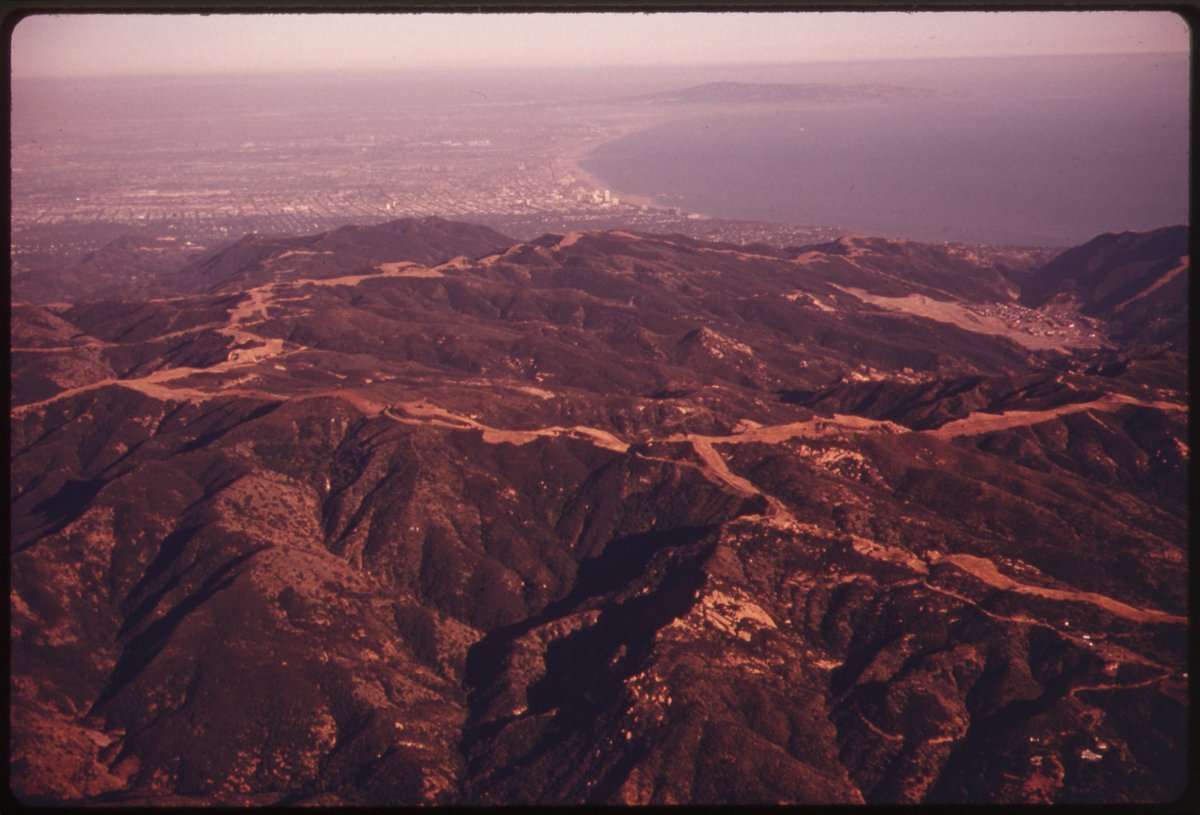
Robert H. Meyer Memorial State Beach is part of the Santa Monica Mountains National Recreation Area, a biodiversity hotspot with coastal sage scrub, chaparral, and marine habitats. Conservation initiatives led by organizations like the Santa Monica Mountains Fund and Mountains Restoration Trust focus on habitat restoration, invasive species removal, and environmental education.
The health of the adjacent Malibu Creek Watershed is critical to beach water quality. Visitors are encouraged to avoid swimming near storm drains and after rain events due to runoff pollution (flashpackingamerica.com). Community science programs, such as Heal the Bay’s Stream Team, play a vital role in monitoring ecological health.
The 2018 Woolsey Fire impacted local habitats, highlighting the importance of ongoing restoration to support wildlife and stabilize bluffs.
Visitor Experience: Activities and Facilities
Activities
- Swimming & Sunbathing Enjoy the surf and sand, but note that no lifeguards are on duty and ocean conditions can be unpredictable.
- Photography El Matador’s arches and sea stacks make it a premier sunset photography location.
- Tide Pooling Visit at low tide to explore vibrant tide pools, especially at La Piedra and El Pescador.
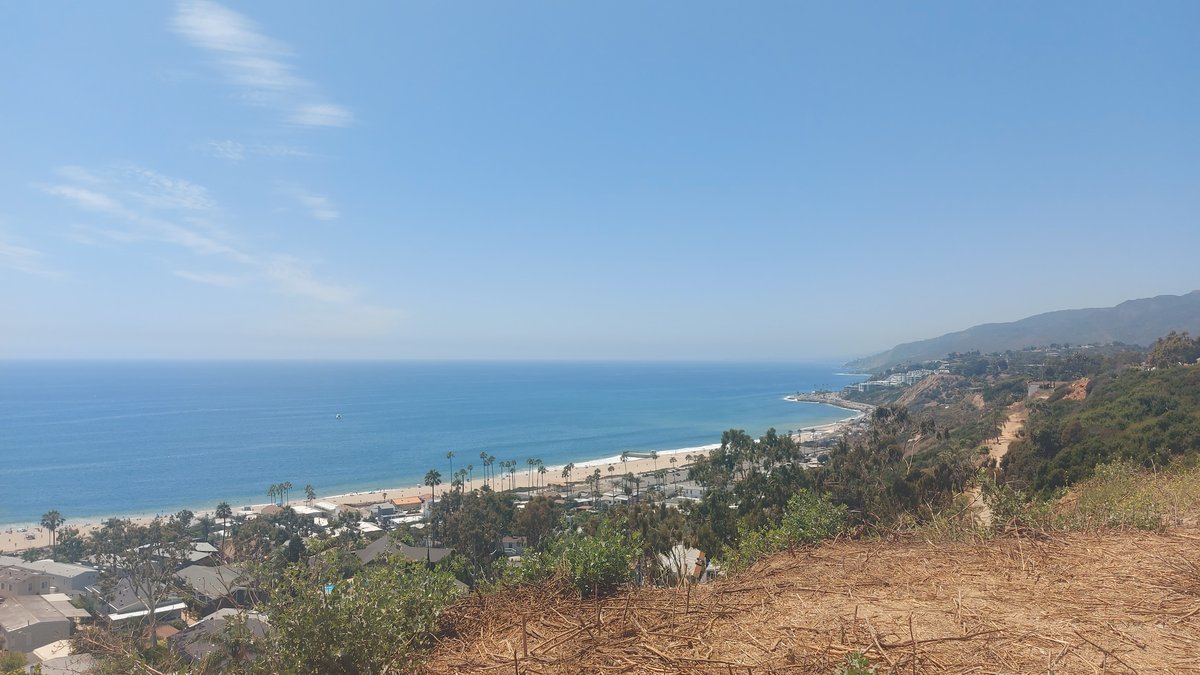
- Hiking Short, scenic trails connect parking areas to the beaches, with panoramic ocean views from the bluffs.
- Wildlife Observation Look for seabirds, dolphins, and tide pool creatures. Please observe all wildlife respectfully.
Facilities
- Parking Paid, blufftop lots with limited spaces.
- Restrooms Vault toilets at parking areas; no showers or drinking fountains.
- Picnic Areas Picnic tables available at each blufftop lot.
- Accessibility Trails are steep and not suitable for wheelchairs or strollers.
Safety
- Check tide charts before visiting to avoid being stranded.
- Wear sturdy shoes for steep trails.
- Respect park regulations; fires, alcohol, glass, and drones are prohibited.
Frequently Asked Questions (FAQ)
Q: What are the visiting hours?
A: Open daily from 8:00 AM to sunset.
Q: Is there an entrance fee?
A: No, but parking is $12 per vehicle.
Q: Are the beaches wheelchair accessible?
A: No, due to steep, uneven trails.
Q: Can I bring my pet?
A: Pets are not allowed on the beaches; check regulations for blufftop areas.
Q: Are lifeguards present?
A: No, swim at your own risk.
Q: Are there guided tours?
A: Official tours are not offered, but local groups occasionally provide nature walks; check California State Parks for updates.
Q: Can I camp overnight?
A: No overnight camping is permitted.
Discover More
Robert H. Meyer Memorial State Beach offers an unparalleled blend of scenic beauty, recreational opportunities, and ecological significance. From the dramatic arches of El Matador to the quiet coves of La Piedra and El Pescador, each beach provides a unique escape into Malibu’s coastal wilderness. Ongoing conservation efforts and community stewardship ensure that these beaches remain accessible and healthy for future generations (malibutimesmag.com; flashpackingamerica.com).
Plan your visit by checking tide schedules, arriving early for parking, and respecting all park regulations. For current conditions, parking fees, and event updates, visit the California State Parks official site.
Enhance your experience by downloading the Audiala app for maps, guides, and exclusive content. Stay connected with conservation efforts and join community events to help protect this coastal treasure.