Historical Development
Founded as part of Texas Technological College in 1923, the architecture program quickly became central to campus identity. Originally a division of Engineering, it established itself as a standalone college in 1971, later launching the nation’s first five-year Master of Architecture program in 1985. The campus architecture, shaped by William Ward Watkin’s Spanish Renaissance vision, remains a defining feature. (TTU Buildings Archive; Texas Time Travel)
Signature Campus Architecture
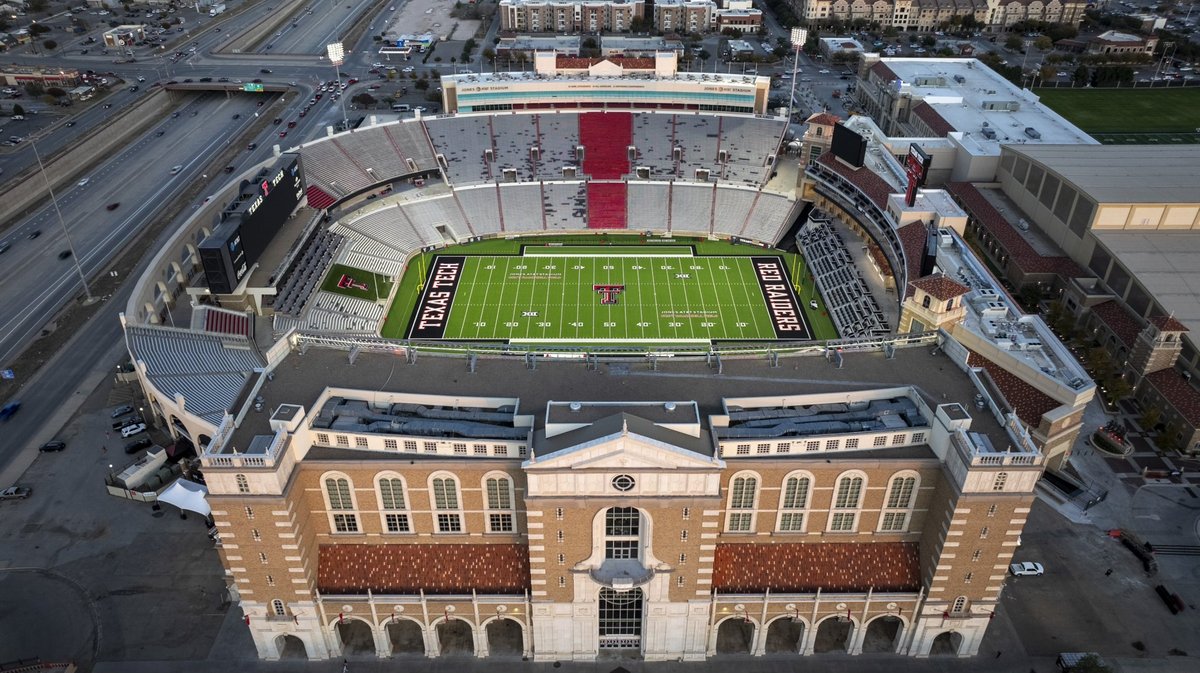
The Texas Tech University campus is renowned for its harmonious Spanish Renaissance style—marked by red tile roofs, arched walkways, and ornate limestone details. The College of Architecture’s main building at 1800 Flint Street is a prime example, and the adjacent Administration Building, inspired by La Universidad de Alcalá in Madrid, Spain, anchors the campus. These structures provide a daily immersion in design heritage for students and visitors alike. (Texas Time Travel)
Visiting Information
Hours and Admission
- Open Monday to Friday, 8:00 AM – 5:00 PM (public areas and galleries)
- Admission Free
- Special Exhibitions/Events Some may require prior reservation or tickets; check the official website for current details.
Tours
- Guided Tours Available by appointment. Arrange via the college’s website or visitor services.
- Self-Guided Tours Download audio tours or pick up maps at the Visitors Center in West Hall (TTU Admissions Visit).
- Special Lab Tours Request in advance for access to facilities like the F. Marie Hall Fabrication Shop.
Accessibility
- All buildings are ADA-compliant, with accessible entrances, elevators, and restrooms.
- Handicap parking is available and enforced 24/7.
- Visitors with additional needs can contact [email protected] or the Visitors Center at 806.742.1299.
Facilities and Learning Spaces
- F. Marie Hall Fabrication Shop Features robotics, 3D printers, and CNC routers for advanced digital fabrication (ArchDaily).
- Design Studios Open-plan spaces central to student learning; often visible during tours.
- Lecture Halls and Critique Spaces Host public lectures, exhibitions, and student reviews.
- Public Art Over 100 installations across the campus, enhancing the visual and cultural environment.
Sustainable Initiatives and Innovation
The College is a recognized leader in sustainable architecture and research:
- Sustainable Cabin An off-grid, prefabricated research structure employing passive solar design, rainwater harvesting, and local materials (ArchDaily: Sustainable Cabin).
- Adaptive Reuse Projects Transforming sites like the Lubbock Wastewater Treatment Plant into community green spaces (Springer: Adaptive Reuse Case Study).
- Urban Tech Downtown Lubbock hub for community engagement and sustainable urban design (TTU Architecture Research & Outreach).
- Curriculum Integrates ecological design, adaptive reuse, and digital fabrication, offering certificates like the Ecological Architecture + Design Graduate Certificate.
Community Engagement and Events
- Lecture Series Public lectures by prominent architects and scholars (Wikipedia).
- Exhibitions and Reviews Showcase student and faculty work; open to visitors.
- Annual "Carol of the Lights" Holiday event illuminating campus architecture.
- Clerkley Architecture Academy Outreach for high school students (TTU Architecture History).
Accessibility and Travel Tips
- Parking Visitor parking available at campus entry stations; follow signage and instructions upon arrival.
- Transportation Lubbock Preston Smith International Airport offers easy access; taxis and rideshare are readily available.
- Nearby Attractions
- Museum of Texas Tech University
- Buddy Holly Center
- Silent Wings Museum
- First Friday Art Trail (Society19)
- Dining Student Union Building and nearby local restaurants offer diverse options.
- Photography Allowed in most public spaces; check for restrictions during special events.
Frequently Asked Questions (FAQ)
Q: What are the visiting hours?
A: Monday–Friday, typically 8:00 AM – 5:00 PM; check the official site for updates.
Q: Is there an entrance fee?
A: No, admission to public areas is free.
Q: Are guided tours available?
A: Yes, by appointment.
Q: Is the college accessible for visitors with disabilities?
A: Yes, all facilities are ADA-compliant.
Q: Can I take photographs on campus?
A: Yes, in most areas unless otherwise marked.
Q: Are there attractions nearby?
A: Yes, including the Museum of Texas Tech University, Buddy Holly Center, and more.