Plan and listen to Wrigley Field with Audiala.
Audio guide in your pocket, itinerary in your browser. Built for the way you actually visit.
Introduction
Wrigley Field Los Angeles stands as a powerful testament to the city’s rich sports heritage and dynamic cultural history. Constructed in 1925 by chewing gum magnate William Wrigley Jr., it was the first stadium to bear the Wrigley name, preceding its more famous Chicago counterpart. Strategically located in South-Central Los Angeles, the ballpark served as a beloved home for the Pacific Coast League’s Los Angeles Angels, hosted the Major League expansion Angels in 1961, and became a vibrant community hub for boxing, soccer, jazz festivals, and pivotal civil rights rallies. Although the stadium was demolished in 1969, its legacy endures through the Gilbert W. Lindsay Community Center and Wrigley Little League Field, inviting visitors to connect with Los Angeles’ compelling past. This guide offers essential historical context, practical visitor information, accessibility details, travel tips, and recommendations for exploring related cultural landmarks, ensuring a meaningful and informed visit (CSUN Library; The Gold Nuggett; LiquiSearch).


Origins and Construction
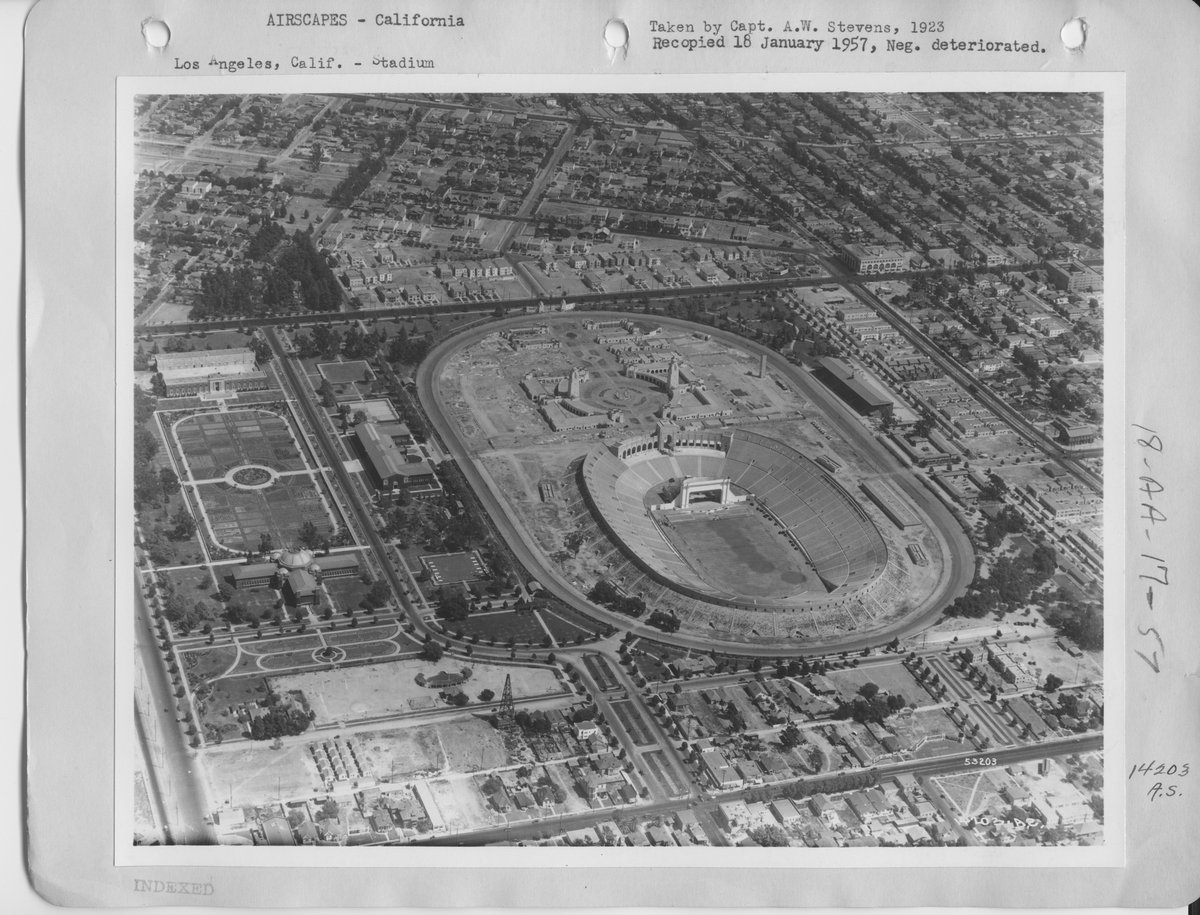
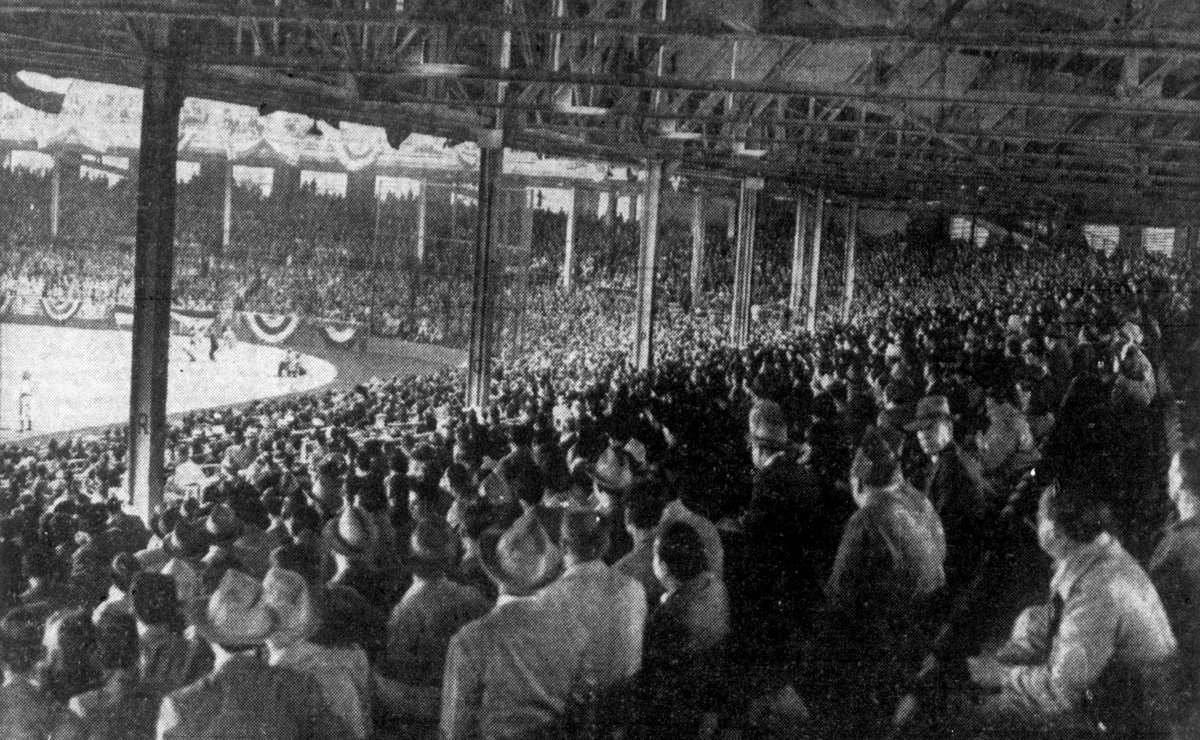
Wrigley Field Los Angeles was commissioned by William Wrigley Jr., owner of the Chicago Cubs and the Los Angeles Angels (PCL), following his acquisition of the Angels in 1921. Built in 1925 at 425 E. 42nd Place—bounded by Avalon Boulevard, 41st Street, 42nd Place, and San Pedro Street—the stadium featured Spanish-style architecture and a distinctive red tile roof. With a seating capacity of around 20,000 and ample parking, it was considered a modern marvel for its time and quickly became a central sporting and community venue (CSUN Library; LiquiSearch).
Notably, the Los Angeles ballpark was the first to bear the Wrigley name, predating Chicago’s Wrigley Field by over a year.
Baseball Legacy
Home of the Los Angeles Angels
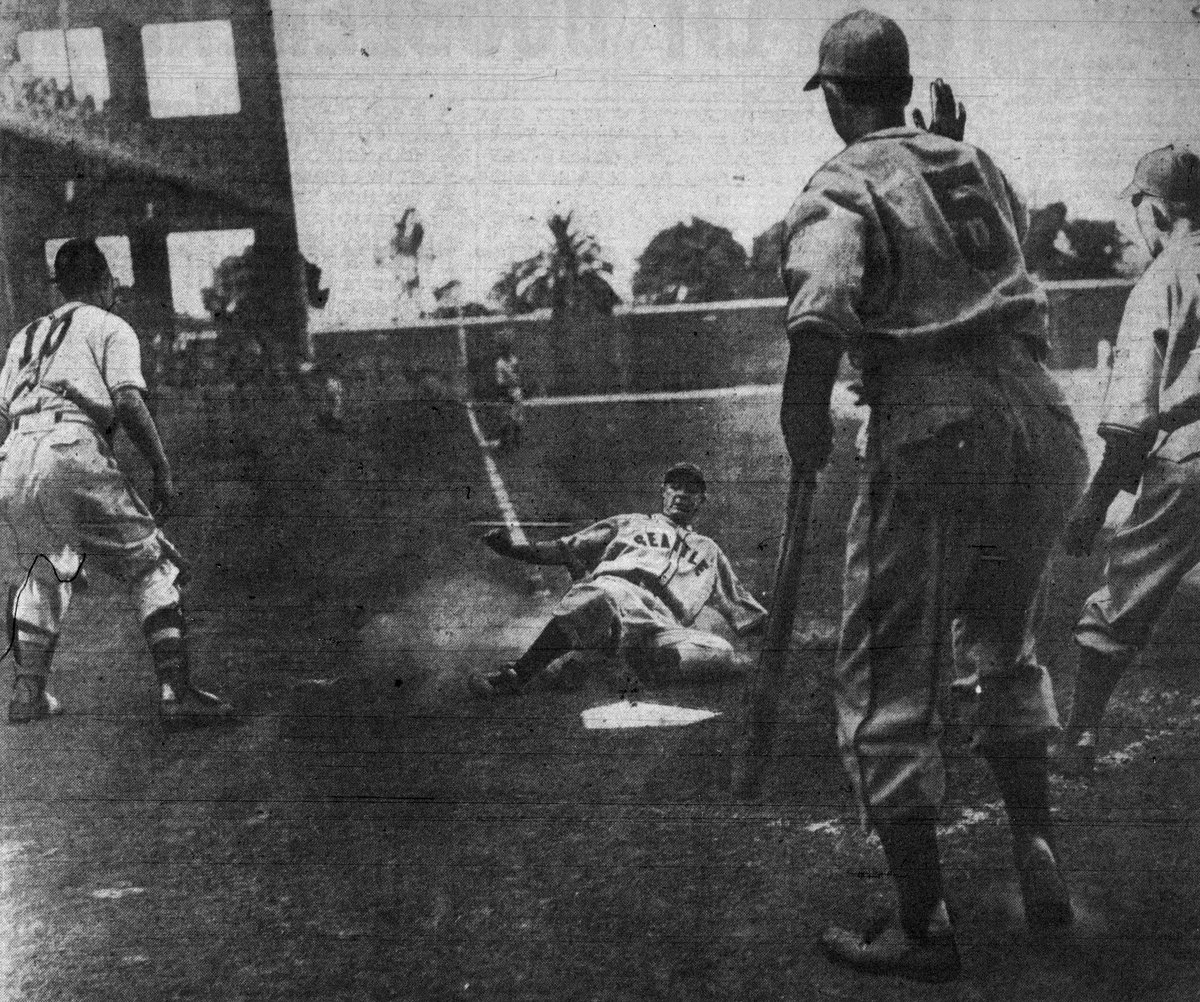
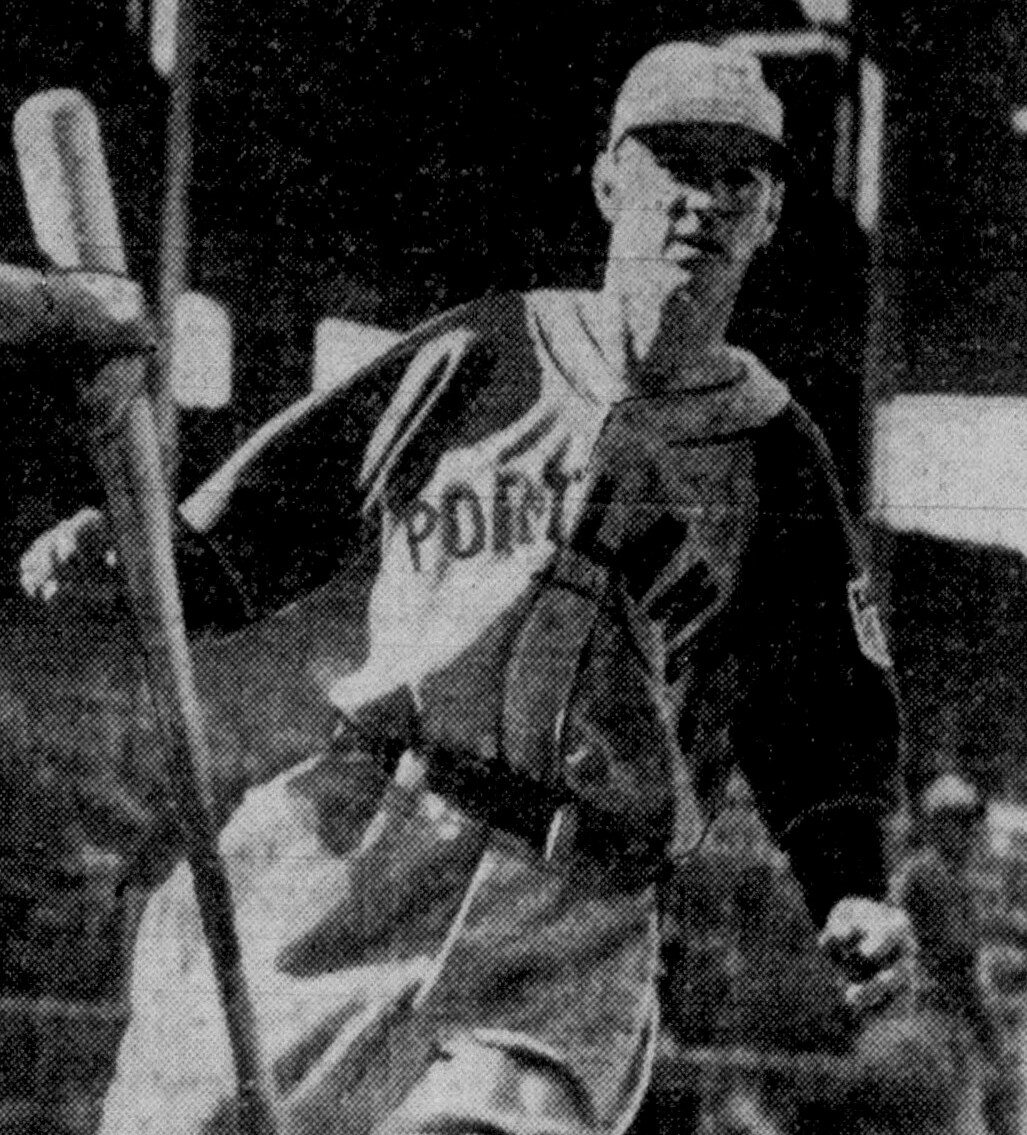
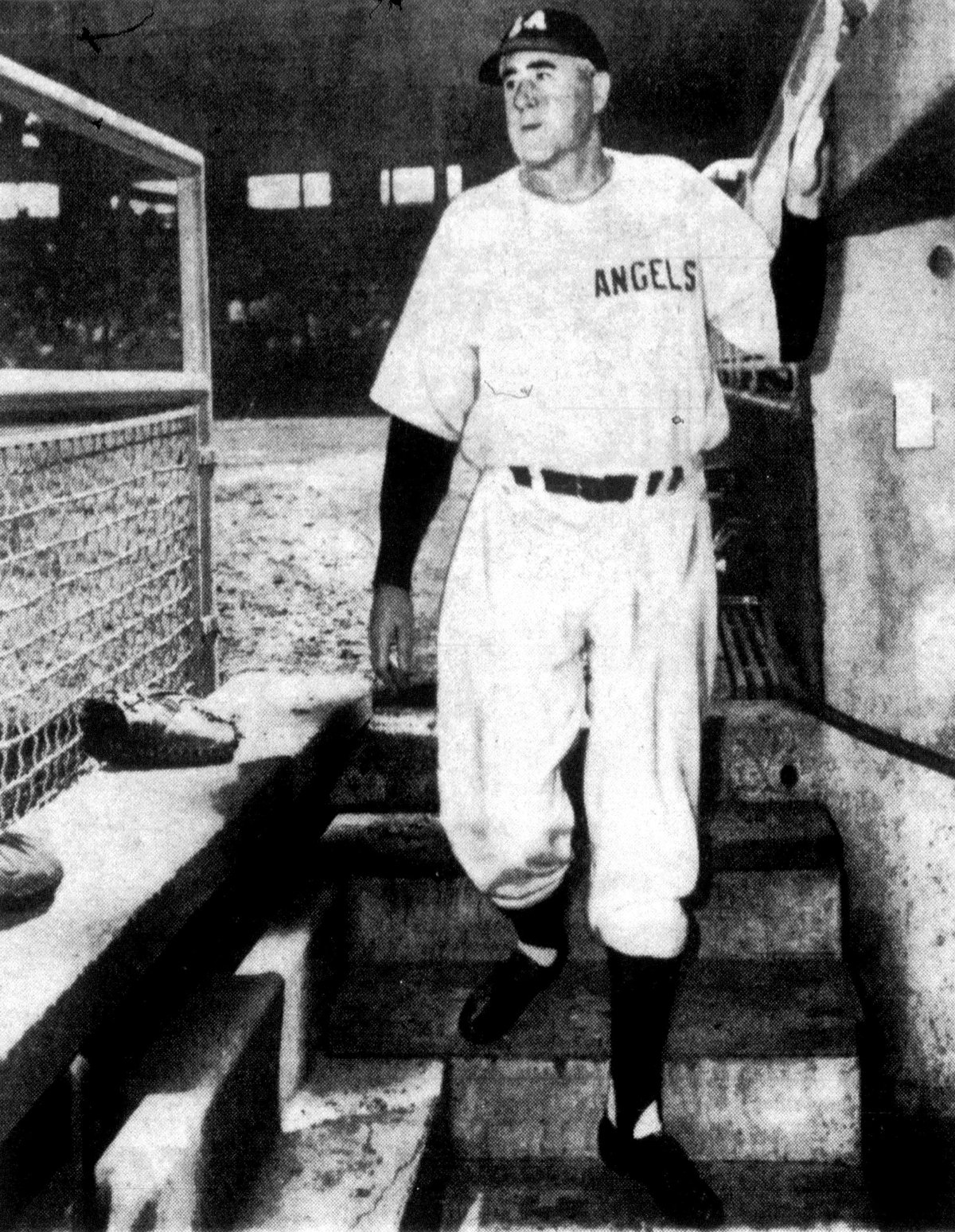
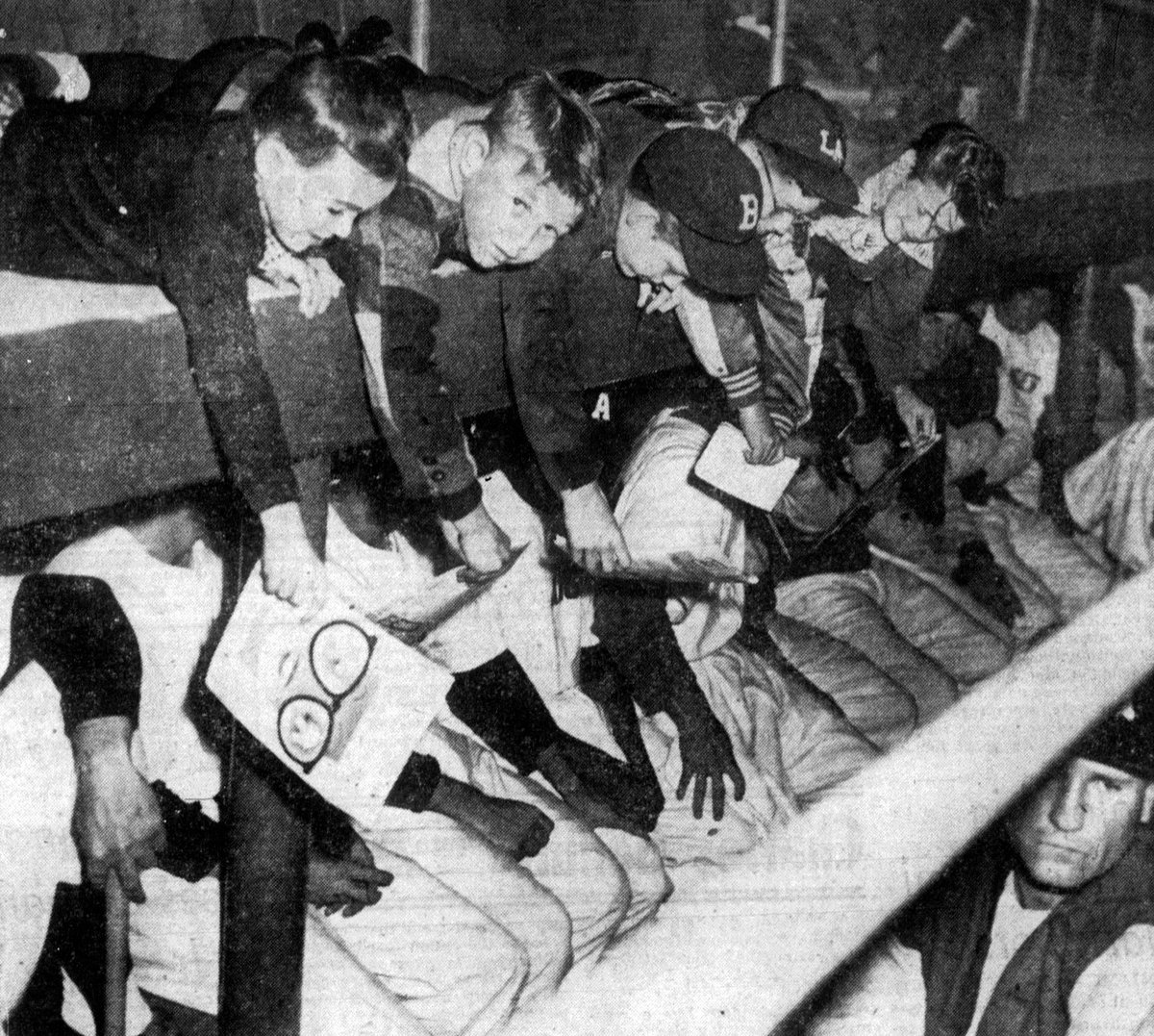
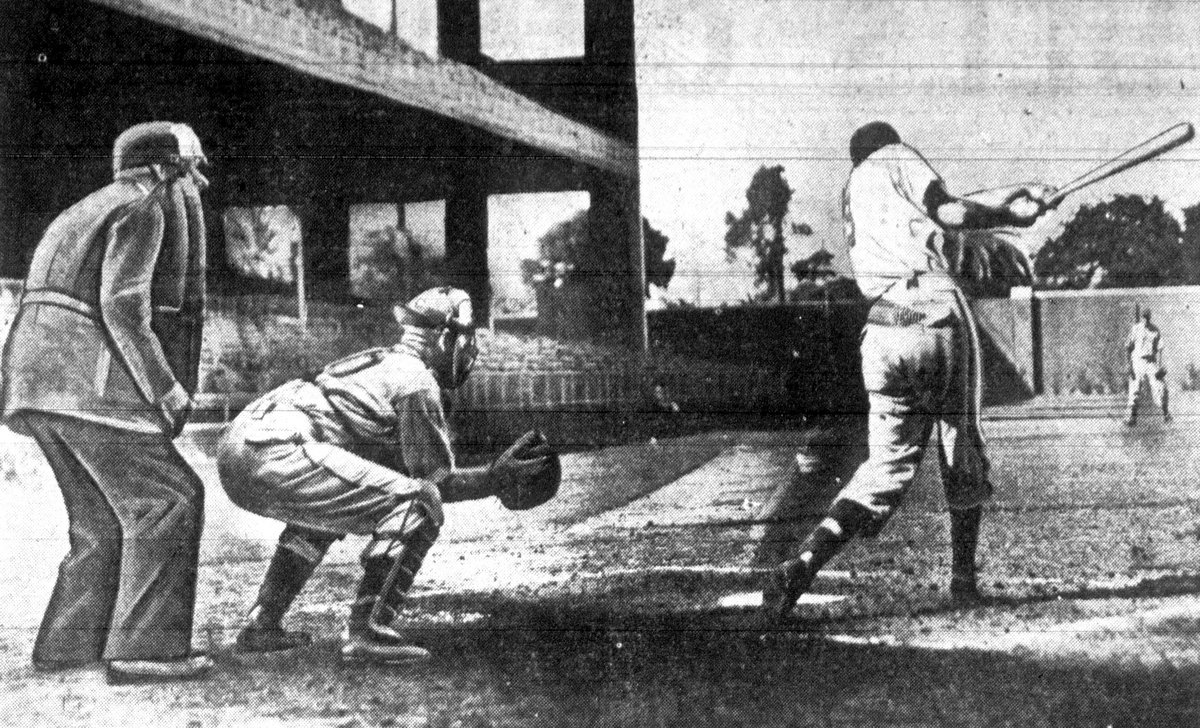
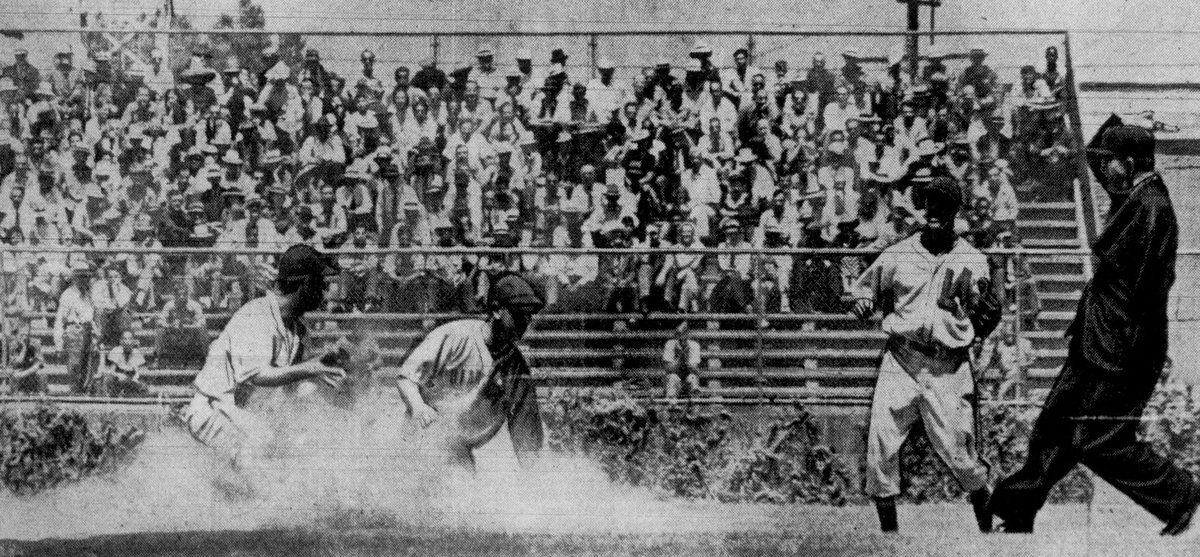
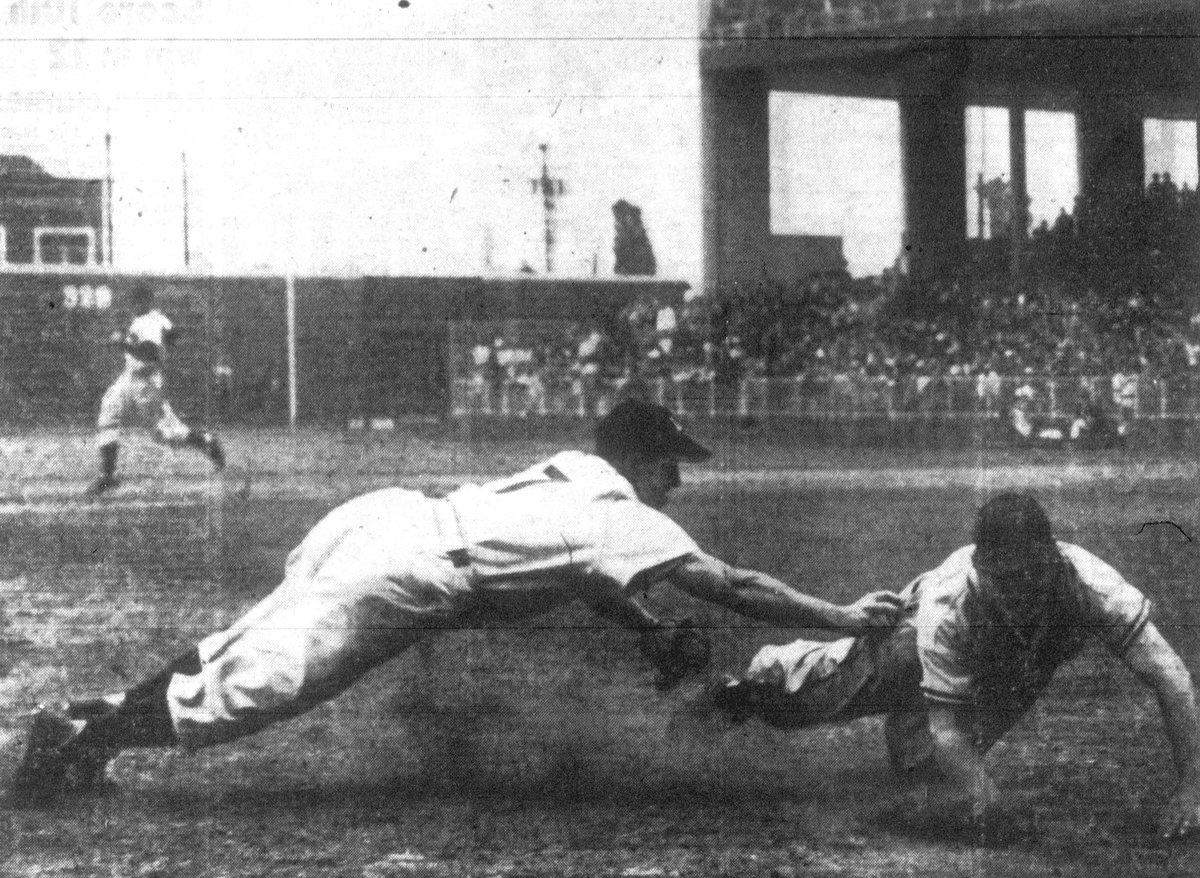
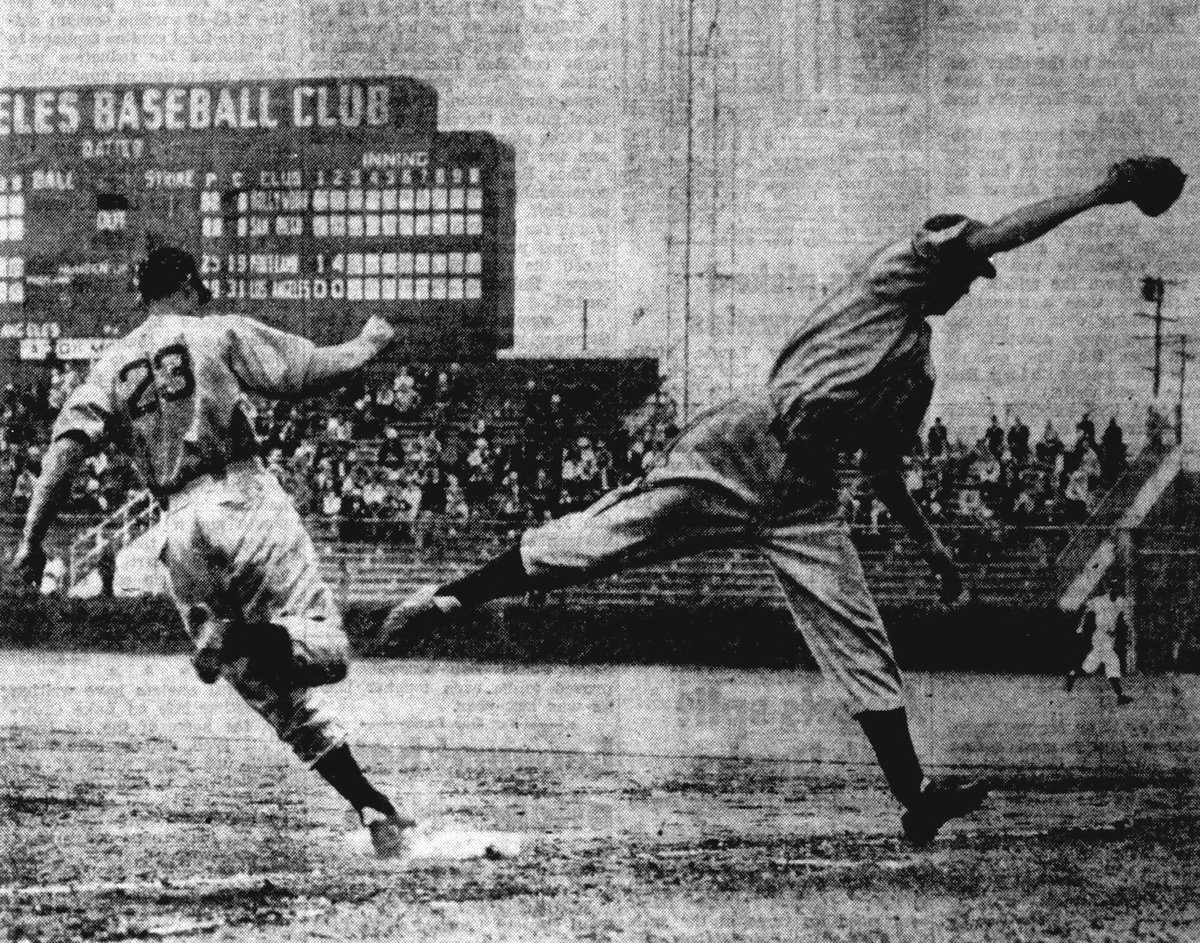
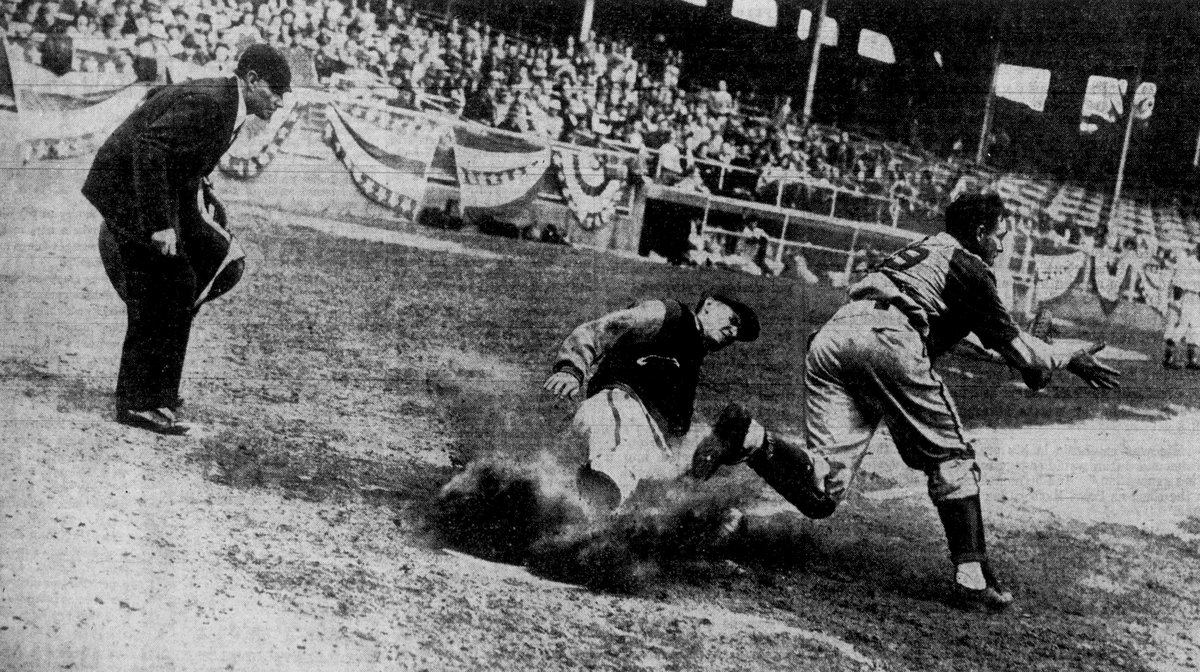
From 1925 to 1957, Wrigley Field was the home of the Los Angeles Angels of the Pacific Coast League. The stadium became a gathering place for baseball fans across Southern California and was integral to the city’s early baseball culture (CSUN Library).
Rivalry and Shared Tenancy
Wrigley Field also hosted the Hollywood Stars, the Angels’ PCL rivals, for several seasons between 1926 and 1938, before the Stars moved to Gilmore Field in the Fairfax District (LiquiSearch).
Major League Transition
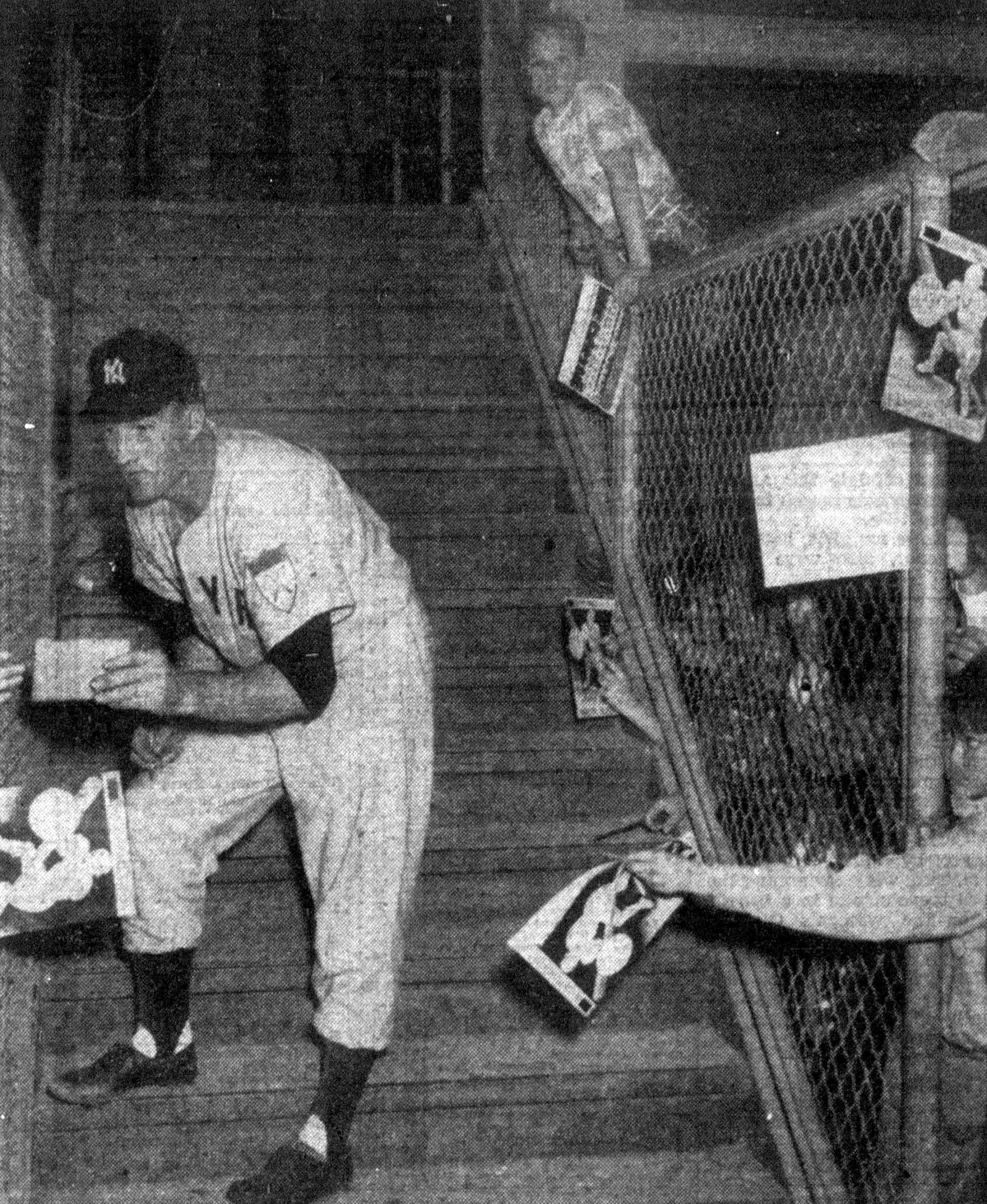
When the Brooklyn Dodgers moved to Los Angeles in 1958, they purchased both the Angels and Wrigley Field. The Dodgers played at the LA Memorial Coliseum, while Wrigley continued to host the minor league Angels until 1961. That year, the expansion MLB Los Angeles Angels played their first season at Wrigley Field, setting a record with 248 home runs—a single-season mark for an expansion team and the ballpark itself (LiquiSearch). Afterward, the team moved to Dodger Stadium and later to Anaheim.
Multi-Sport and Cultural Venue
Boxing and Soccer
Wrigley Field was a renowned site for boxing, hosting six world title matches, including the 1939 heavyweight bout between Joe Louis and Jack Roper. It also welcomed international soccer, notably a 1959 match between the USA and England that drew 13,000 spectators (LiquiSearch).
Community and Civil Rights Events
The stadium was a central venue for cultural events, most notably the Cavalcade of Jazz festivals throughout the 1940s and 1950s, featuring artists like Count Basie, Nat King Cole, and Louis Armstrong (CSUN Library). Wrigley Field also hosted significant civil rights gatherings, including a 1963 rally with Dr. Martin Luther King Jr. and a 1964 Conference for the Unemployed, reflecting its role as a site for civic engagement (LiquiSearch; CSUN Library).
Decline, Demolition, and Current Site
After the Angels’ departure in 1961, the stadium saw limited use. The City of Los Angeles acquired the site, which was used for community events and soccer before being largely idle. Demolition began in March 1969, making way for the Gilbert W. Lindsay Community Center and the Wrigley Little League Field, which today serve as community resources and a tribute to the site’s legacy (CSUN Library).
Visiting Wrigley Field Los Angeles Today
Accessibility and Visiting Hours
The original Wrigley Field no longer stands, but the site remains accessible as the Gilbert W. Lindsay Community Center at 425 E. 42nd Place. The center is generally open daily from 6:00 AM to 10:00 PM (hours may vary—check the City of Los Angeles website for updates). There is no admission fee to visit the grounds or the Wrigley Little League Field.
The site is wheelchair accessible, with paved pathways and accessible restrooms.
Visitor Experience and Tips
- What to See: Explore the community center grounds, visit the Wrigley Little League Field, and look for commemorative markers or attend local historical events.
- Photography: Capture “then and now” photos at the site of the original home plate (near 42nd Place and Avalon Boulevard).
- Guided Experiences: While there are no official tours, local historical societies occasionally offer walking tours or events celebrating the ballpark’s legacy.
- Getting There: Accessible by car, Metro bus lines along Avalon Boulevard, and rideshare. Street parking is available.
- Safety: Visit during daylight and follow standard urban safety practices.
Nearby Los Angeles Historical Sites
Extend your visit by exploring:
- Los Angeles Memorial Coliseum
- California African American Museum
- Exposition Park (California Science Center)
- Watts Towers
Downtown Los Angeles and the Central Avenue Jazz District are also close by, offering additional cultural and historical experiences (Time Out LA).
Notable Features and Records
- First Wrigley Field: Predated the Chicago stadium by over a year.
- Home Run Record: 248 home runs during the 1961 MLB expansion Angels season.
- Multi-use Venue: Hosted baseball, boxing, soccer, jazz festivals, and civil rights rallies.
- Cultural Impact: Venue for the Cavalcade of Jazz and Dr. Martin Luther King Jr. rally.
Frequently Asked Questions (FAQ)
Can I visit Wrigley Field Los Angeles today?
No, the original stadium was demolished in 1969. The site is now the Gilbert W. Lindsay Community Center and is open to the public.
Are there guided tours available?
There are no official tours, but local historical groups sometimes host events highlighting Wrigley Field’s history.
Is the site accessible for people with disabilities?
Yes, the community center and adjacent park are wheelchair accessible.
How do I get there?
Located at 425 E. 42nd Place and Avalon Boulevard, the site is reachable by Metro bus, car, or rideshare.
Are there any markers or memorabilia at the site?
There are no permanent historical markers, but occasional community events and walking tours commemorate the ballpark’s legacy.
Listen to the full story in the app
The whole Wrigley Field,
told well.
Listen to sourced travel stories with local history and practical context — ready offline.
Verified, and shown.
Researched and written by the Audiala editorial team from historical records, architectural archives, and local expertise.
Built from cited sources · see the method · How we make our guides →