Early Development and Historical Evolution
From Ranchland to Urban Corridor
What is now Wilshire/Fairfax began as agricultural land in the 1800s, with ranches and fields separating Los Angeles from the coast (SurveyLA Wilshire Report, p. 9). The transformation accelerated after Henry Gaylord Wilshire’s purchase of land in 1887 and the creation of Wilshire Boulevard, which would become one of LA’s defining thoroughfares (Los Angeles Times). Wilshire Boulevard was established as an upscale, automobile-friendly street, free from heavy industry and streetcars (SurveyLA Wilshire Report, p. 12).
The Miracle Mile and Commercial Innovation
In the 1920s, developer A.W. Ross turned a stretch of Wilshire into the Miracle Mile, pioneering modern retail concepts and urban planning (Water and Power Associates). The area soon boasted Art Deco architecture, synchronized traffic lights, and became a model for car-centric business districts (Los Angeles Times). Landmarks like the Wiltern Theatre and Bullock’s Wilshire, designed by the Parkinson family, became symbols of the district’s architectural grandeur.
Oil, Agriculture, and the Gilmore Legacy
The nearby Fairfax District shifted from bean fields to a commercial hub following Arthur Fremont Gilmore’s accidental discovery of oil in the early 20th century (Water and Power Associates). Gilmore’s developments, including the iconic Farmers Market (opened 1934), anchored Fairfax as a center for commerce and community.
Demographic and Cultural Transformation
Jewish Community and Postwar Growth
The post-World War II era saw a significant influx of Jewish families, establishing Fairfax Avenue and Beverly Boulevard as the epicenter of Jewish life in Los Angeles (SurveyLA Wilshire Report, p. 22). Synagogues, kosher delis, and bakeries became neighborhood fixtures. Today, institutions like Canter’s Deli and the Los Angeles Museum of the Holocaust celebrate this enduring heritage.
Multiculturalism and Urban Diversity
Wilshire/Fairfax is a microcosm of LA’s multiculturalism. The Little Ethiopia district along Fairfax Avenue features Ethiopian cuisine and shops (LA Tourism). Proximity to Koreatown, Hancock Park, and other diverse neighborhoods further enriches the district’s culture and architecture (Wikivoyage).
Architectural and Urban Significance
Art Deco and Modernist Landmarks
Wilshire/Fairfax is renowned for its Art Deco and Streamline Moderne buildings, such as the Wiltern Theatre and the May Company Building (now part of LACMA) (Los Angeles Times). Features like dedicated left-turn lanes and parking lots were innovations that spread nationwide.
Historic Preservation and Neighborhood Identity
Protected historic districts, including Miracle Mile North and Park La Brea, preserve the area’s unique blend of historic homes, mid-century apartments, and modern high-rises (SurveyLA Wilshire Report, p. 10).
Visitor Information: Tickets, Hours, and Travel Tips
Visiting Hours and Tickets
- LACMA Open Tuesday–Sunday, 11 AM–5 PM (Fridays until 8 PM). Tickets: $25 adults, free for children under 17 (LACMA Official Website).
- La Brea Tar Pits and Museum Daily, 9:30 AM–5 PM. Tickets: ~$15 adults (La Brea Tar Pits Official Site).
- Petersen Automotive Museum Daily, 10 AM–6 PM. Tickets: ~$18 adults (Petersen Automotive Museum).
- Farmers Market Daily, 9 AM–9 PM. Free admission (Farmers Market Official Site).
- Academy Museum of Motion Pictures Wednesday–Monday, hours vary. Tickets from $15 (Academy Museum of Motion Pictures).
- Craft Contemporary Wednesday–Sunday, 11 AM–5 PM. Free admission (Craft Contemporary).
Accessibility and Transportation
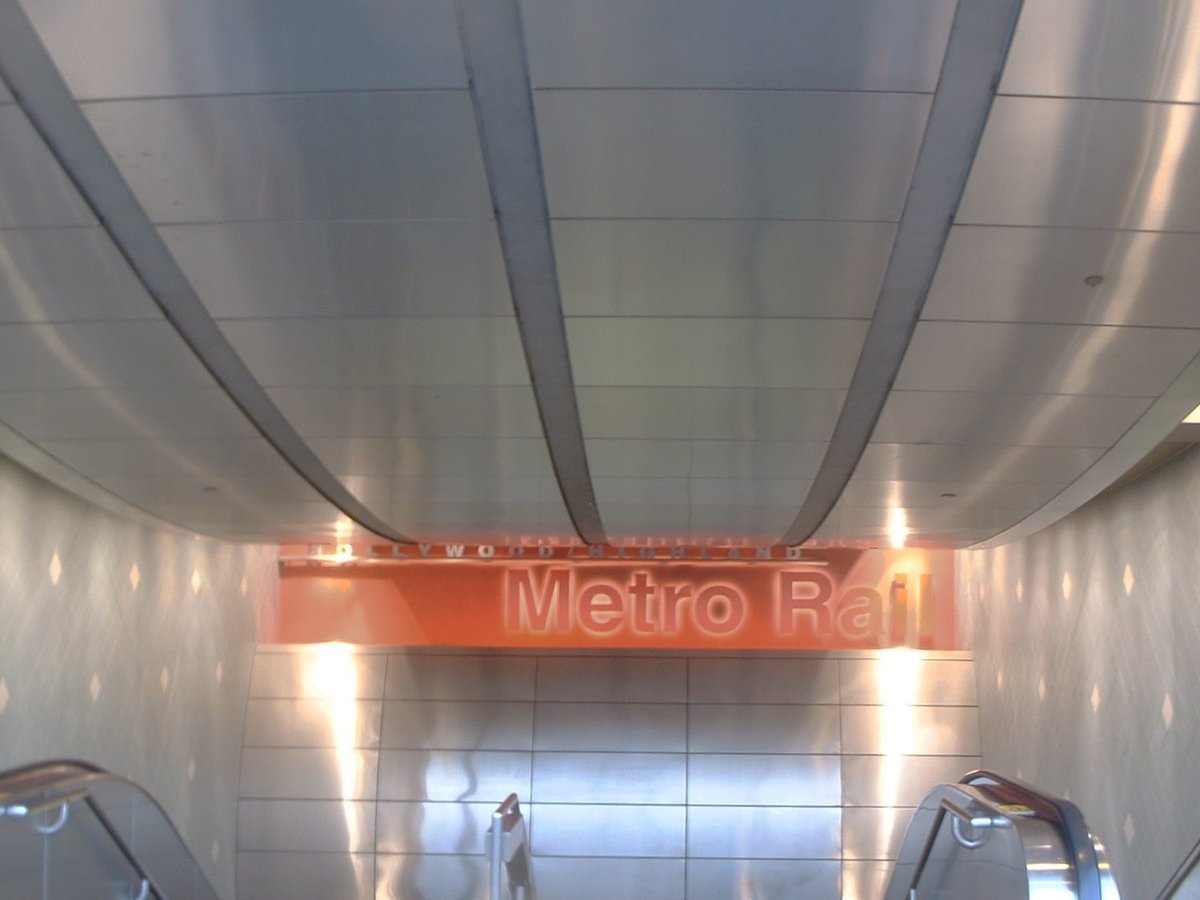
- Metro Rail The Metro D Line (Purple) and B Line (Red) have stations nearby (Metro Los Angeles). The new Wilshire/Fairfax Metro station is scheduled to open by late 2025 (USC Annenberg Media; LAist; Beverly Press).
- Bus Metro Rapid 720, Local 20, and 217 serve the district.
- Parking Available at LACMA, Petersen Museum, The Grove, and Farmers Market. Street parking is limited and metered.
- Walkability High walk/bike scores; best explored on foot or by bike.
Guided Tours and Special Events
Guided architectural, cultural, and history tours are available through museums and local organizations. Annual events include the Miracle Mile Art Walk and Little Ethiopia festivals.
Key Attractions and Local Highlights
Museum Row
- LACMA Largest art museum in the western U.S. Known for “Urban Light” and diverse collections (LACMA Visitor Info).
- La Brea Tar Pits and Museum Ice Age fossils, live excavations, and interactive paleontology.
- Petersen Automotive Museum Over 300 vehicles, rotating exhibits, and a striking architectural design (Petersen Museum Tickets).
- Academy Museum of Motion Pictures Celebrates the history and science of cinema (Academy Museum Info).
- Craft Contemporary Innovative exhibitions and workshops in craft and design (Craft Contemporary).
The Original Farmers Market and The Grove
- Farmers Market 100+ vendors, global cuisine, and seasonal events.
- The Grove Outdoor mall with upscale shops, entertainment, and events (The Grove LA).
Fairfax Avenue: Culinary and Retail Hotspot
- Dining Canter’s Deli, Little Ethiopia restaurants, Jon & Vinny’s, and more.
- Shopping Streetwear boutiques (Golf Wang, Ripndip), vintage shops, and sneaker stores.
Historic and Cultural Landmarks
- Beverly-Fairfax Historic District 1920s architecture and Jewish community legacy (Historic District Info).
- Raoul Wallenberg Square and Los Angeles Museum of the Holocaust Holocaust education and remembrance (Museum of the Holocaust).
Entertainment and Nightlife
- CBS Television City Historic TV studio.
- El Rey Theatre Art Deco concert venue (El Rey Theatre).
- Pan Pacific Park Sports, playgrounds, and community events.
Transportation, Accessibility, and Visitor Experience
- Transit Upcoming Wilshire/Fairfax Metro station will further improve access.
- Parking Limited; public transit and rideshare recommended.
- Accessibility All major attractions are ADA compliant, offering ramps, elevators, and assistive services.
Exploring LACMA: Hours, Tickets, and Tips
- Hours Tuesday–Sunday, 11 AM–5 PM; Fridays until 8 PM. Closed Mondays.
- Tickets $25 adults, $18 seniors/students, free for children under 17 and LA County residents (LACMA Official Site).
- Guided Tours Docent-led tours and audio guides are available.
- Photography Non-flash photography permitted in most galleries; “Urban Light” is a must-see photo spot.
- Accessibility Wheelchair rentals, assistive listening devices, and service animals permitted.
Dining, Nightlife, and Safety
- Dining Fanny’s (classic American), UOVO (Italian), and Lulu (seasonal) are nearby; LACMA has on-site cafes.
- Nightlife Double Take bar, Fanny’s Bar, and options in West Hollywood and Koreatown.
- Safety Standard urban precautions advised; stay updated on air quality and fire alerts during wildfire season.
Frequently Asked Questions (FAQs)
Q: What are the best hours to visit Wilshire/Fairfax?
A: Weekdays and early hours are least crowded; evenings are lively at the Farmers Market.
Q: Are there free attractions?
A: Yes. The Farmers Market is always free; some museums offer free admission days.
Q: Is the area family-friendly?
A: Absolutely—museums, parks, and events cater to all ages.
Q: Are guided tours available?
A: Yes, through museums and heritage organizations.
Q: When will the Wilshire/Fairfax Metro station open?
A: Expected by late 2025 as part of the Metro D Line extension.