Early Development
In 1886, Dr. Henricus Wallace Westlake donated land for what would become Westlake Park, transforming a neglected tract of swampland into an elegant urban retreat. With design by landscape architect Joseph Henry Tomlinson, the park quickly established itself as a premier public space, surrounded by stately mansions and grand hotels (PBS SoCal).
The Golden Era
By the early 20th century, Westlake Park was one of Los Angeles' most popular destinations, drawing crowds for boating, open-air concerts, and promenades along palm-lined walkways. The surrounding neighborhood flourished, featuring striking Spanish Revival and Art Deco architecture, and attracting affluent residents and diverse communities, including Jewish and Filipino populations (Curbed LA).
Mid-Century Changes and Renaming
The extension of Wilshire Boulevard in 1934 bisected the park’s lake, altering its landscape. In 1942, the park was renamed MacArthur Park in honor of General Douglas MacArthur, reflecting shifting civic values and identity (Curbed LA). The area saw demographic changes as historic mansions were converted to multi-family dwellings, welcoming waves of Latino and Asian immigrants.
Cultural and Social Significance
Throughout its history, MacArthur Park has served as a hub for cultural expression, activism, and community gatherings. It was a notable site for LGBTQ+ history and inspired the iconic 1968 song "MacArthur Park" by Jimmy Webb. The park’s Levitt Pavilion, established in 2007, is now a centerpiece for free concerts and multicultural events (Levitt Pavilion LA).
Revitalization Efforts
After facing urban decay and safety challenges in the late 20th century, significant revitalization initiatives—including a $1.5 million renovation in 2022—have enhanced lighting, cleanliness, and security (LA Times). Community engagement and cultural programming continue to drive the park’s resurgence as a vibrant civic space.
Visiting MacArthur Park: Hours, Admission, and Accessibility
- Visiting Hours The park is open daily from 6:00 AM to 10:00 PM (Lonely Planet). Some sources note 5:00 AM to 11:00 PM; for best results, visit during daylight hours.
- Admission Free entry. Special events at Levitt Pavilion are also free but may require early arrival or reservation (Levitt Pavilion LA).
- Accessibility The park is wheelchair accessible, with paved walkways, accessible restrooms, and ADA-compliant transit access at the adjacent Westlake/MacArthur Park Metro Station (Holidify).
Top Things to Do and See
The Lake
The southern portion of the park features a picturesque lake—once much larger prior to the Wilshire Boulevard extension—home to ducks, geese, and pedal boat rentals (MyPacer; Evendo). The lake and its surroundings are excellent for birdwatching, photography, and leisurely strolls.
Levitt Pavilion
A historic bandshell, Levitt Pavilion hosts a celebrated series of free summer concerts, featuring diverse music genres and family-friendly performances (Time Out). It is a cornerstone of the park’s cultural programming and a major driver of community engagement.
Monuments and Public Art
Significant monuments include the statue of General Douglas MacArthur, the Msgr. Romero Memorial (reflecting the Central American community), and the White Doves Sculpture. These artworks highlight the park’s role in Los Angeles’ multicultural story (MyPacer).
Westlake Theatre
Directly across from the park, the Westlake Theatre’s Art Deco marquee stands as a reminder of the area’s glamorous past (Time Out). Although the theater is not currently open, its facade is a popular photographic spot.
Sports and Playground Facilities
MacArthur Park features modern playgrounds, open fields for sports, and well-maintained jogging paths (Evendo). Restrooms and parking are available for visitor convenience.
Community Events
The park hosts frequent festivals, pop-up markets, and outdoor art fairs, especially on weekends and holidays (CalMatters). These events are opportunities to enjoy local cuisine and live music.
Street Vending
The streets around MacArthur Park are known for vibrant food vendors, offering fresh fruit, tamales, and handmade crafts—a reflection of the neighborhood’s immigrant roots (The Metropole).
Notable Nearby Landmarks
- Bullocks Wilshire Iconic Art Deco building (0.72 miles) (Lonely Planet).
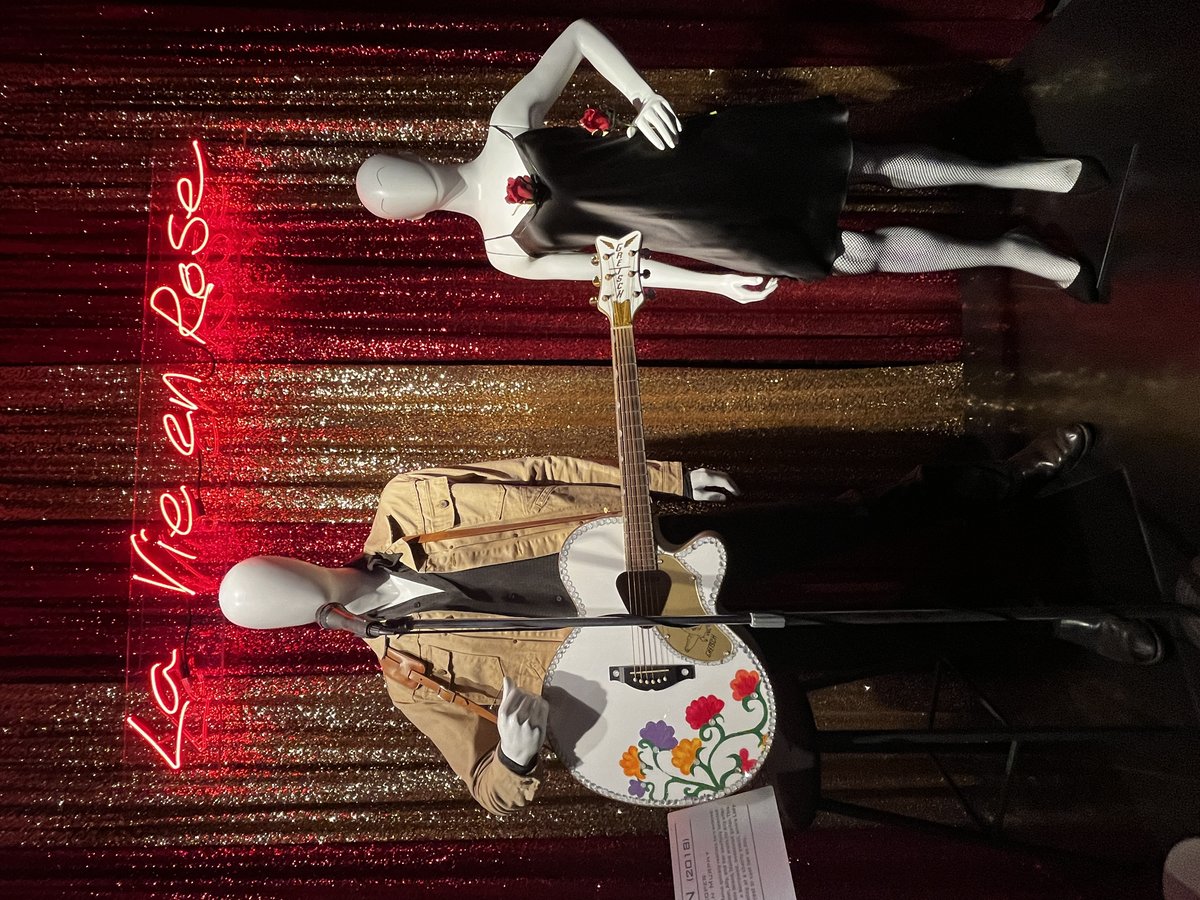
- LA Live and Grammy Museum Entertainment complex (1.1–1.15 miles).
- Cathedral of Our Lady of the Angels Modern cathedral (1.79 miles).
- Griffith Observatory Panoramic views and astronomy exhibits (4.37 miles).
Langer’s Delicatessen
A Los Angeles institution, Langer’s Deli is renowned for its pastrami sandwiches and is located across Alvarado Street (DTLA Weekly). Many locals recommend a picnic in the park with a Langer’s sandwich for a quintessential LA experience.
Guided Tours and Events
Seasonal guided walking tours, such as those offered by the Los Angeles Conservancy, explore the park’s layered history and architectural highlights. Community festivals, concerts, and pop-up markets occur throughout the year—check the Levitt Pavilion event calendar for upcoming performances.
Safety and Visitor Tips
While revitalization efforts have improved conditions, MacArthur Park and the surrounding Westlake neighborhood still experience higher rates of crime and homelessness compared to other LA areas (Freedom for All Americans). The following tips will help ensure a safe and enjoyable visit:
- Visit during daylight hours and attend well-populated events.
- Keep valuables secure and avoid leaving items in view if parked nearby (Travel Safe Abroad).
- Use public transit or rideshare to avoid limited street parking.
- Remain aware of surroundings, especially after dark.
- For emergencies, dial 911; for non-emergency assistance, call LAPD at +1 (877) ASK-LAPD.
Frequently Asked Questions (FAQ)
Q: What are MacArthur Park’s opening hours?
A: Official hours are typically 6:00 AM to 10:00 PM. Some sources note 5:00 AM to 11:00 PM. Daylight visits are recommended for safety.
Q: Is there an entrance fee?
A: No, entry to MacArthur Park is free. Special events at Levitt Pavilion are also free.
Q: Is the park accessible by public transit?
A: Yes. The Westlake/MacArthur Park Metro Station (Red and Purple Lines) is adjacent; several Metro bus routes also serve the area.
Q: Are pets allowed?
A: Yes, dogs are welcome but must be on a leash.
Q: Are guided tours available?
A: Seasonal walking tours are offered by the Los Angeles Conservancy and other organizations.
Q: Is the park family-friendly?
A: Yes, with playgrounds, open fields, and regular family events.