Origins and Architectural Heritage
Villa Aurora exemplifies the Spanish Colonial Revival style that flourished in 1920s Southern California. Commissioned by the Los Angeles Times as a showcase of modern residential design, it was conceived by architect Mark Daniels and originally intended to attract new residents to the Pacific Palisades (daniellaondesign.com; vatmh.org). The villa’s design blends imported European elements—such as hand-carved Spanish ceilings and a Renaissance fountain from Tuscany—with local materials like redwood walls and Moorish-inspired tiles from Malibu Tile Company.
Innovative for its time, the villa included cutting-edge features of the 1920s: electric garage doors, a dishwasher, refrigerator, gas range, and even a home theater organ, custom-built for silent film screenings (wikipedia.org; lonelyplanet.com). The property’s 14 rooms span 6,700 square feet and offer panoramic views of the Pacific Ocean.
The Feuchtwanger Era: Exile and Cultural Renaissance
The villa’s most celebrated chapter began in 1941, when Lion and Marta Feuchtwanger—having fled Nazi-occupied Europe—made Villa Aurora their home. Under their stewardship, the estate became a gathering place for other exiled intellectuals, including Thomas Mann, Bertolt Brecht, and Arnold Schoenberg (Esotouric). The villa’s library once housed 30,000 volumes of German literature, serving as an invaluable resource for the émigré community.
The Feuchtwangers’ hospitality and intellectual curiosity fostered a unique transatlantic cultural exchange. The villa functioned as a “salon” and symbol of resilience, where art, music, and political discourse flourished (Villa Aurora official site).
Preservation and Cultural Legacy
After the deaths of Lion and Marta Feuchtwanger, Villa Aurora’s future was uncertain. The property, inherited by the University of Southern California, faced the threat of sale and demolition. Local preservationists and cultural leaders mobilized to protect the estate, ultimately securing its designation as a Los Angeles Historic-Cultural Monument (Esotouric).
A major restoration, begun in 1989, stabilized the hillside, reinforced the villa’s structure, and modernized essential systems, preserving both its architectural integrity and cultural mission (vatmh.org). The villa is now managed by the nonprofit Villa Aurora & Thomas Mann House e.V. (VATMH), supported by the German government and transatlantic partners.
Recent Challenges: Wildfires and Restoration
In late 2024, Villa Aurora narrowly survived devastating wildfires that swept through the Pacific Palisades (VATMH). While the structure remained largely intact, significant restoration work is ongoing as of mid-2025. The villa is temporarily closed to the public, with residencies and events being held off-site or virtually until repairs are complete. Visitors are encouraged to consult the official Villa Aurora website for updates on reopening.
Visiting Villa Aurora: Hours, Tickets, and More
Visiting Hours
Villa Aurora is not open for regular daily public visits. Public access is available during special events, open houses, and guided tours, which are announced on the official events page. During restoration, all in-person visits are suspended.
Tickets and Reservations
Admission is typically free but requires advance reservation due to limited capacity. Tickets can be booked online for upcoming events and tours. Many events are free or have a modest fee, supporting ongoing preservation (Villa Aurora Tickets).
How to Book Tours
Tours are by appointment and can be scheduled via the villa’s website or by contacting the administration directly. Group tours and educational visits are available, subject to availability and the residency calendar.
What to Expect on a Tour
Guided tours highlight the villa’s Spanish Colonial architecture, imported ceilings, historic library, and the artistic legacy of the Feuchtwanger era. Knowledgeable guides share stories of exile, creativity, and cultural exchange.
Accessibility and Surroundings
Accessibility
Due to its hillside location and historic structure, Villa Aurora has limited accessibility for visitors with mobility challenges. Some areas may not be fully wheelchair accessible. Prospective visitors should contact the administration in advance to discuss accommodations (Musicboard Berlin accessibility).
Getting There and Parking
Villa Aurora is located at 520 Paseo Miramar, Los Angeles, CA 90272. The villa is best accessed by car; limited street parking is available. Carpooling or ride-sharing is recommended, especially during events. Public transportation options are limited in the immediate area.
Surroundings
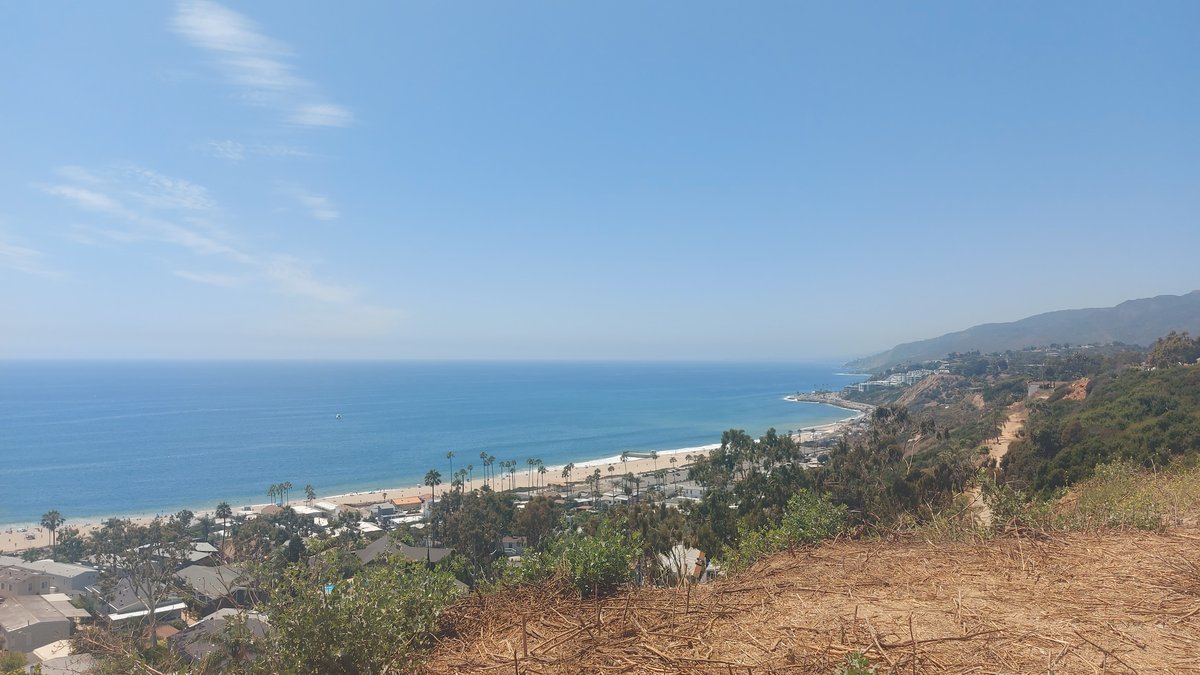
The villa’s gardens and terraces offer sweeping views of the Pacific Ocean and coastline, and the tranquil atmosphere is ideal for reflection and photography.
Visitor Tips and FAQs
Practical Tips
- Plan Ahead Book tours and events early as spaces fill quickly.
- Check the Website Stay updated on restoration progress and event announcements.
- Respect the Residency Be mindful of resident artists’ privacy and the historic character of the site.
- Dress Appropriately Smart-casual attire is suitable for most events.
Frequently Asked Questions (FAQ)
Q: Is Villa Aurora currently open to visitors?
A: The villa is temporarily closed due to wildfire restoration. Check the official website for reopening updates.
Q: How do I book a visit or tour?
A: Tours and events require advance reservation via the Villa Aurora website.
Q: Are tickets required?
A: Yes. Admission is usually free but must be reserved in advance; some events may have a nominal fee.
Q: Is the villa wheelchair accessible?
A: Some areas are not fully accessible; contact administration to discuss specific needs.
Q: Is parking available?
A: Limited street parking is available. Carpool or use ride-sharing services when possible.
Q: Can I take photos during my visit?
A: Outdoor photography is allowed; indoor photography may be restricted.
Cultural Programming and Artist Residency
Villa Aurora operates as a multidisciplinary artist residency, hosting 12–15 fellows annually from Germany and abroad (Villa Aurora Fellowships; Musicboard Berlin). The residency fosters creative dialogue and transatlantic collaboration, with fellows in literature, music, film, and visual arts. Public events such as readings, concerts, and exhibitions are regularly held, providing unique opportunities for community engagement and cultural enrichment.
Nearby Attractions
While visiting the Pacific Palisades, consider exploring:
- Will Rogers State Historic Park: Hiking and ocean views.
- Getty Villa: Museum of ancient art and architecture.
- Santa Monica Pier: Iconic beachfront entertainment.
- Thomas Mann House: Another key site of exile history in Los Angeles.
Discover More
Villa Aurora is a living monument to creativity, resilience, and intercultural exchange. From its Spanish Colonial Revival roots to its legacy as a haven for exiled artists, the villa continues to inspire through its architecture, history, and contemporary programming. While restoration is underway, prospective visitors should monitor the official Villa Aurora website for reopening announcements and event details.
Support Villa Aurora’s mission by attending events, making donations, or advocating for cultural preservation. For curated travel guides and event alerts, download the Audiala app, and follow Villa Aurora’s official channels for the latest updates.
Visual Highlights


View Villa Aurora on Google Maps