
Indigenous and Colonial Roots
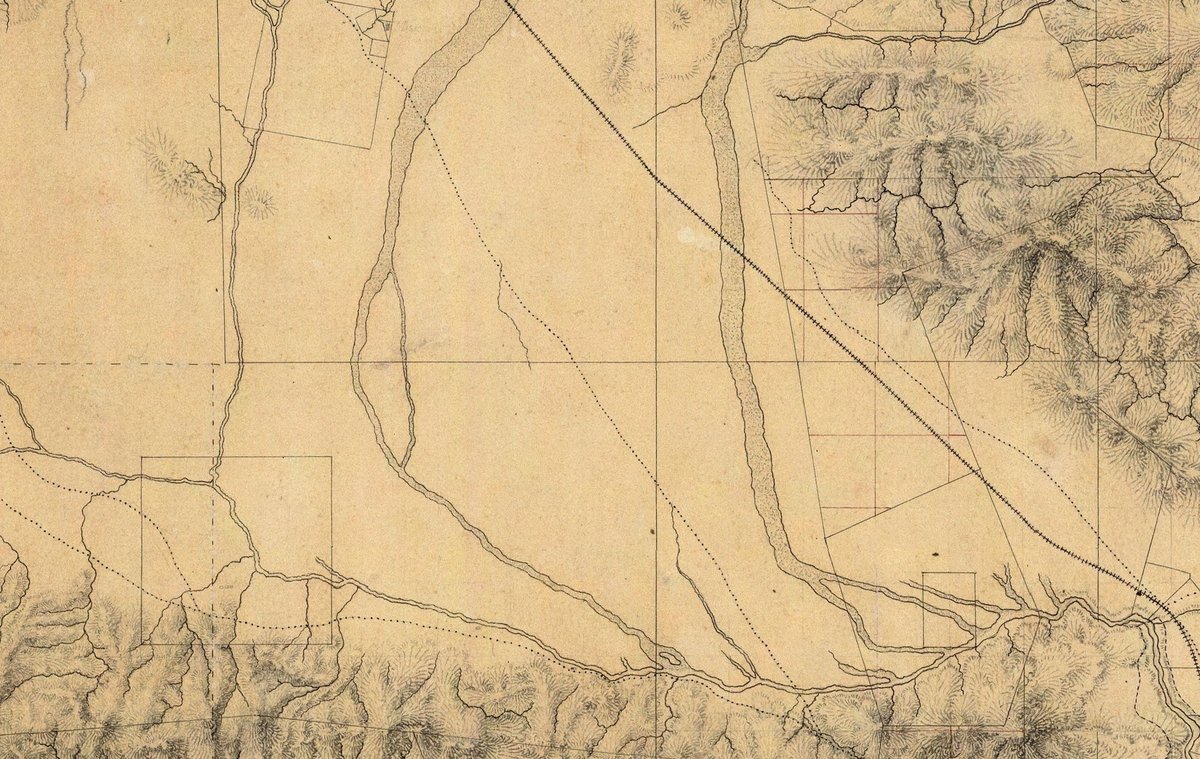
Ventura Boulevard’s origins trace back thousands of years, following a pre-Columbian trading trail established by the Tataviam and Tongva peoples. This ancient route connected settlements like Siutcanga—thought to be over 4,000 years old—with other Indigenous communities. The trail’s alignment reflects the valley’s geography, running along the northern base of the Santa Monica Mountains (Wikipedia; LA Times). With Spanish colonization in the 18th century, the trail became part of El Camino Real, linking California’s missions and shaping the region’s early development (Water and Power Museum).
19th–20th Century Urbanization
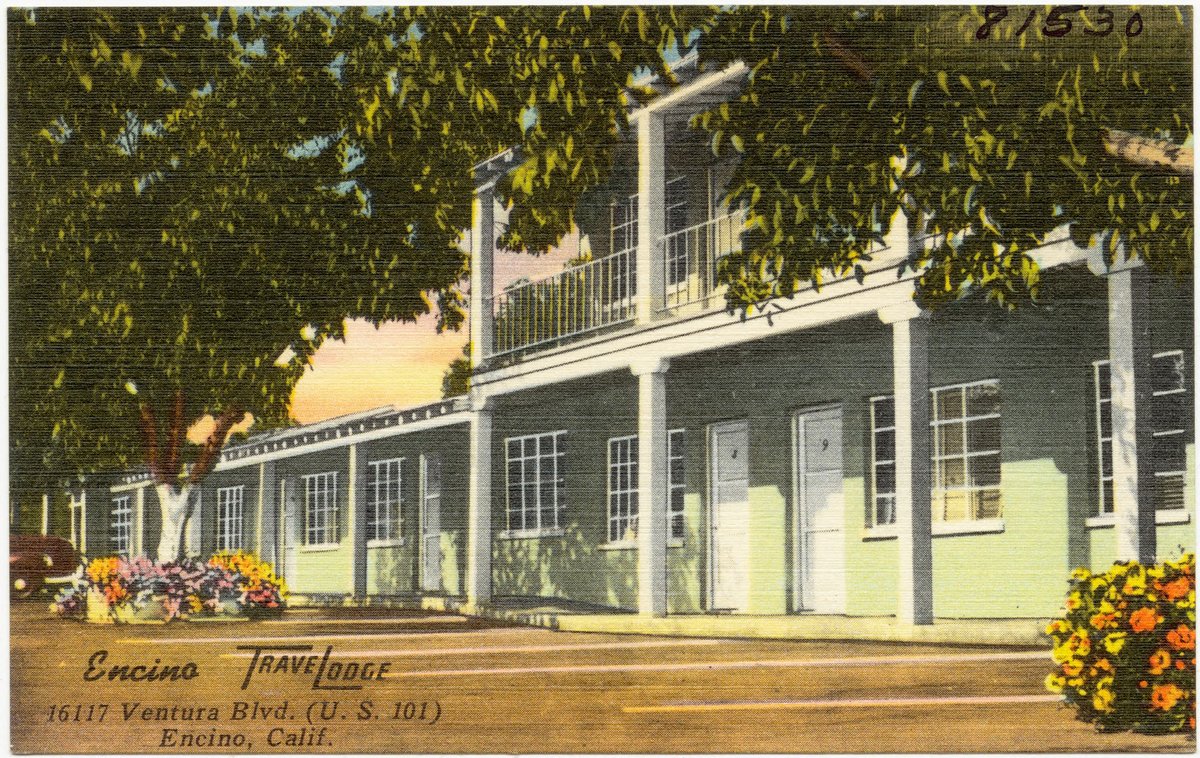
In the 19th century, Ventura Boulevard served as a rural road for ranchos and agricultural settlements. The 20th century brought rapid suburbanization, transforming farmland into neighborhoods and business districts. The boulevard was once part of U.S. Route 101 before the Ventura Freeway diverted through-traffic (Wikipedia). The construction of the LA Aqueduct in 1913 and subsequent real estate booms spurred commercial activity along the street (Water and Power Museum).
Hollywood and Studio Era
Ventura Boulevard’s proximity to Hollywood and the entertainment industry profoundly shaped its identity. Landmark studios such as Mack Sennett’s Keystone Studios (later Republic Pictures and now CBS Studio Center) anchored the area (Wikipedia). Studio City, in particular, attracted film professionals, and mid-century homes by architects like Richard Neutra and John Lautner still dot the hills (LinkedIn).
Postwar Suburban Boom
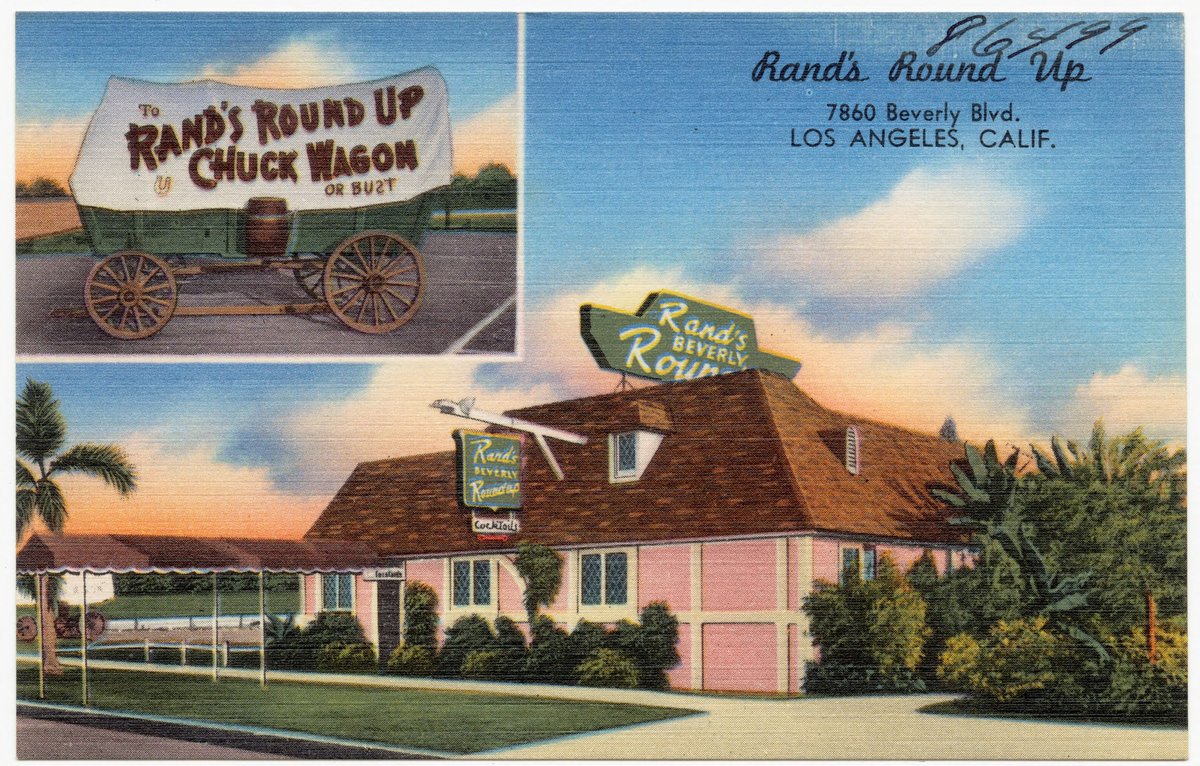
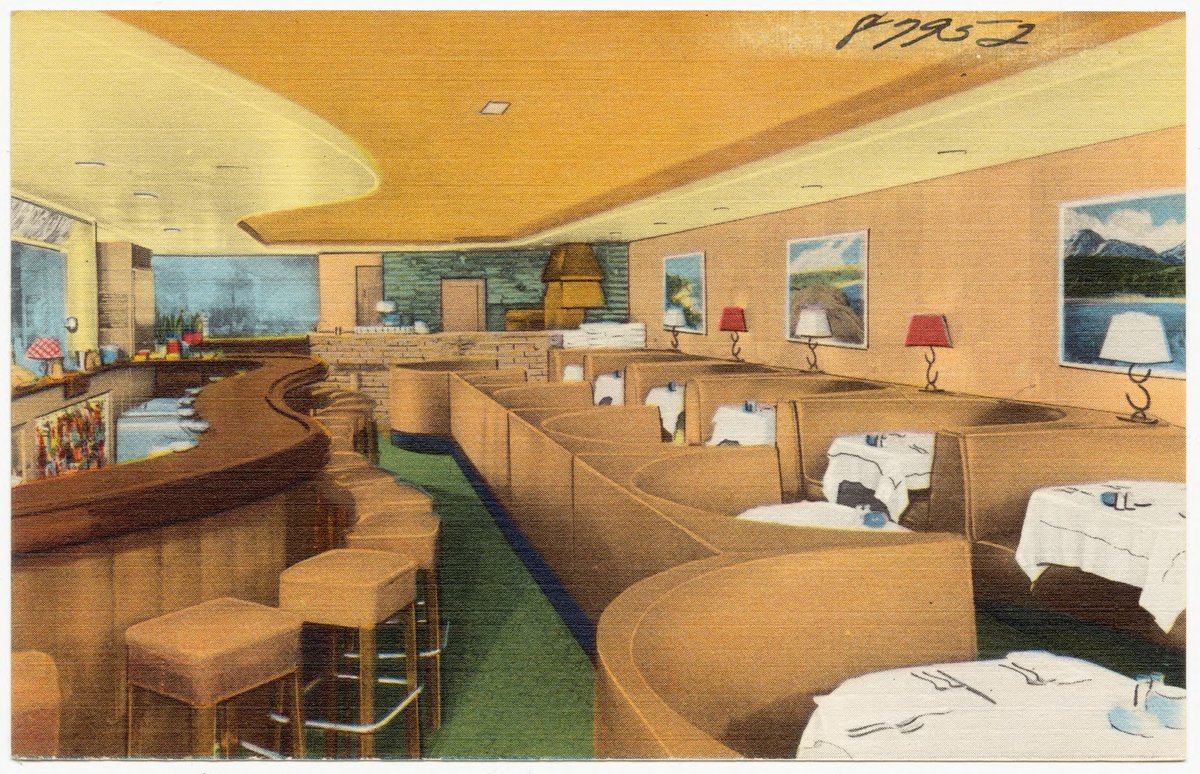
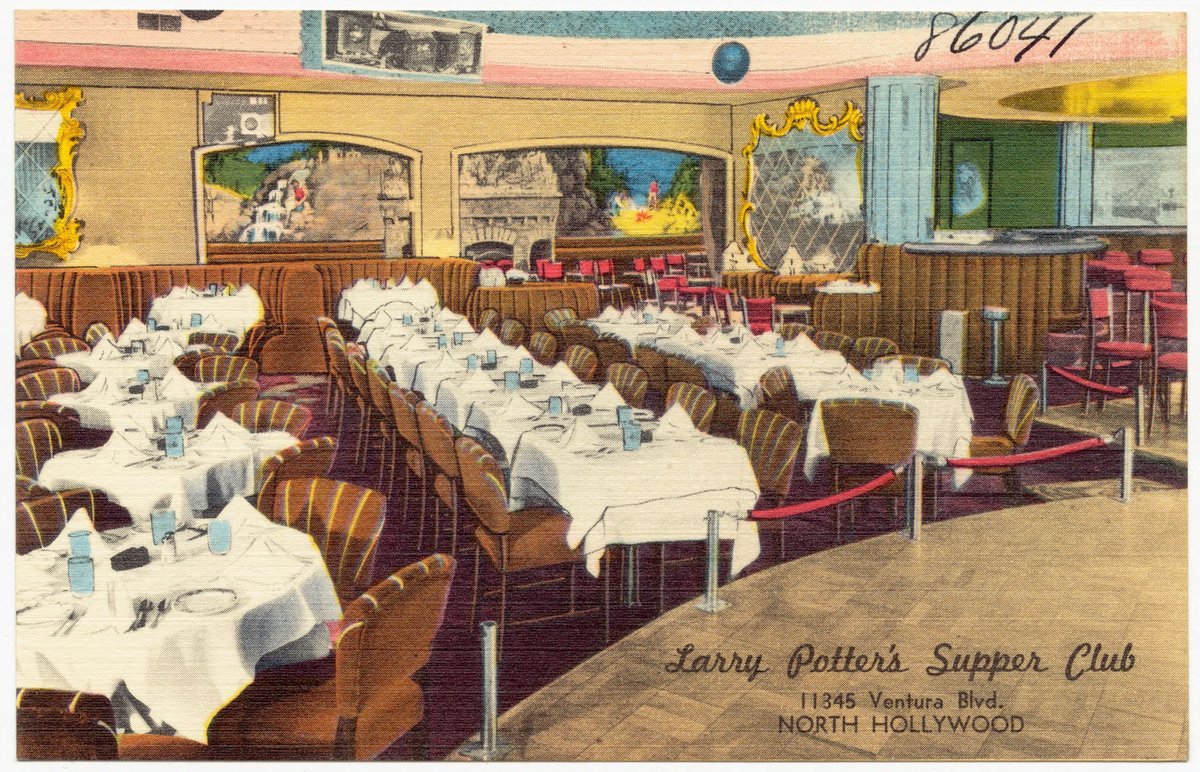
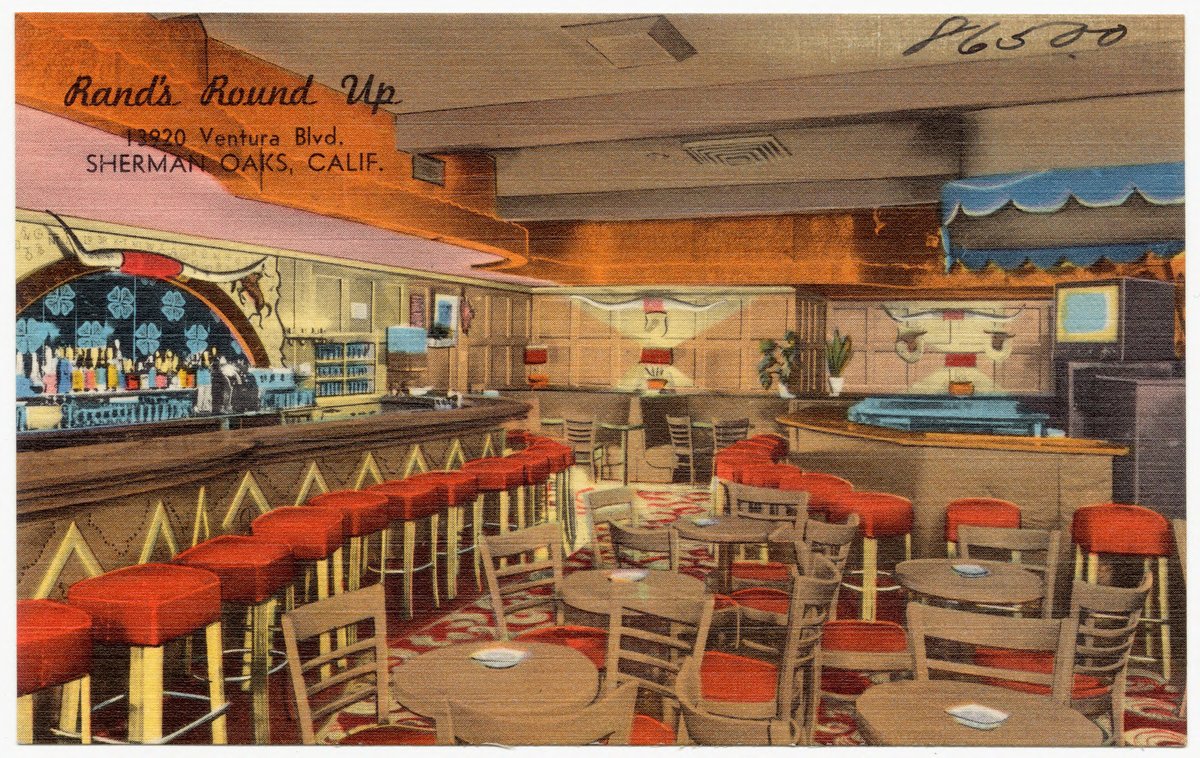
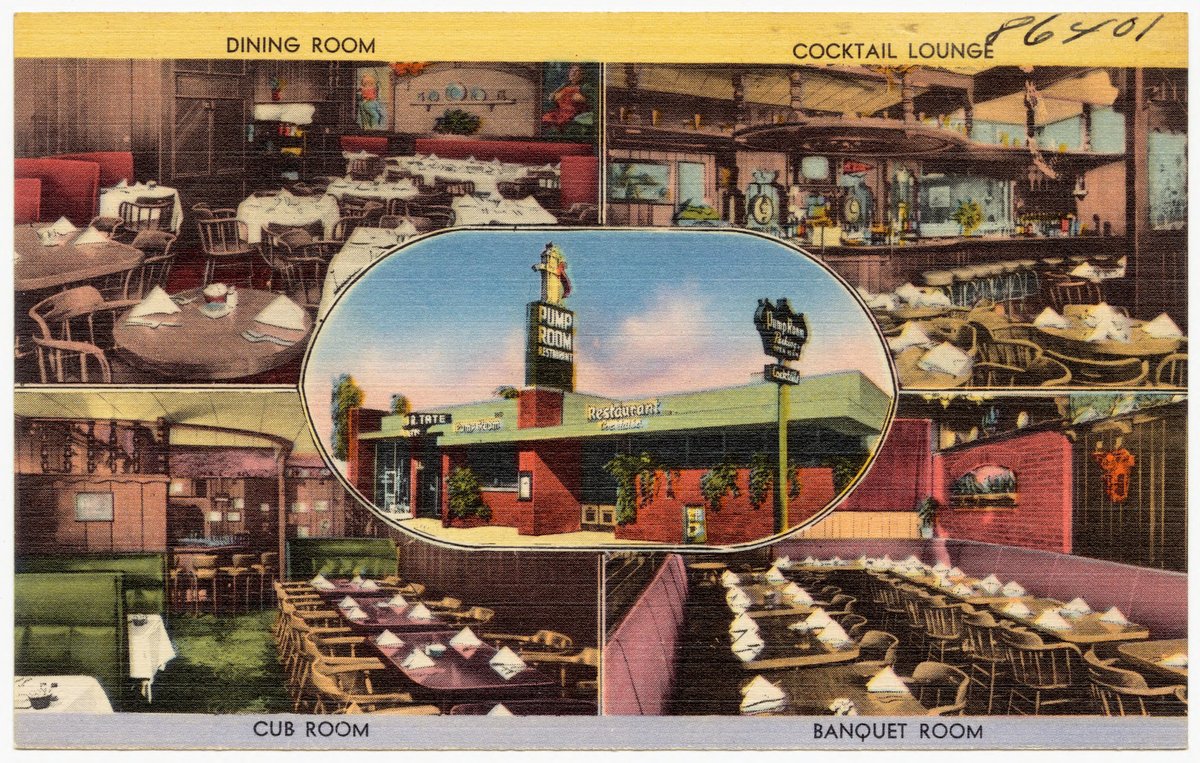
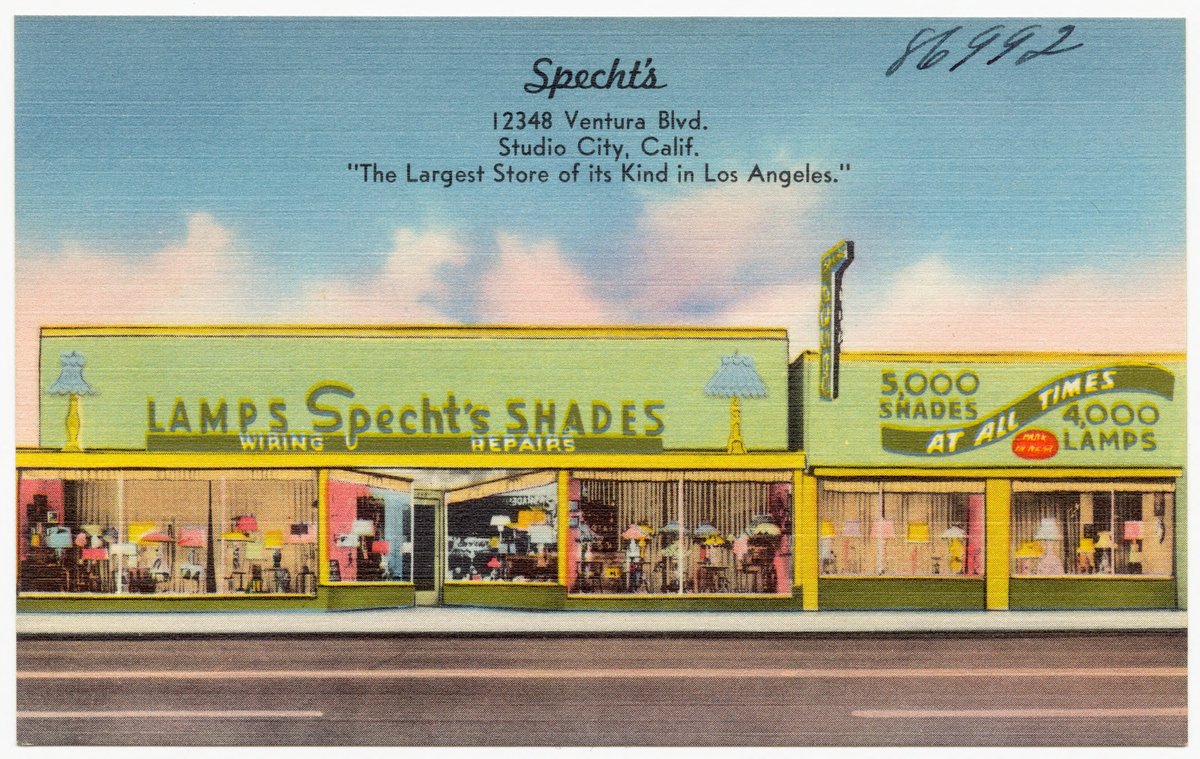
After World War II, Ventura Boulevard epitomized the growth of suburban Los Angeles. The boulevard became a central commercial strip, home to diners, music clubs, and shopping centers (ABC7). The 1950s and 1960s saw the rise of landmarks like the Cinnamon Cinder, a music venue famous for hosting a secret Beatles press conference in 1964 (Water and Power Museum).
Architectural and Cultural Landmarks
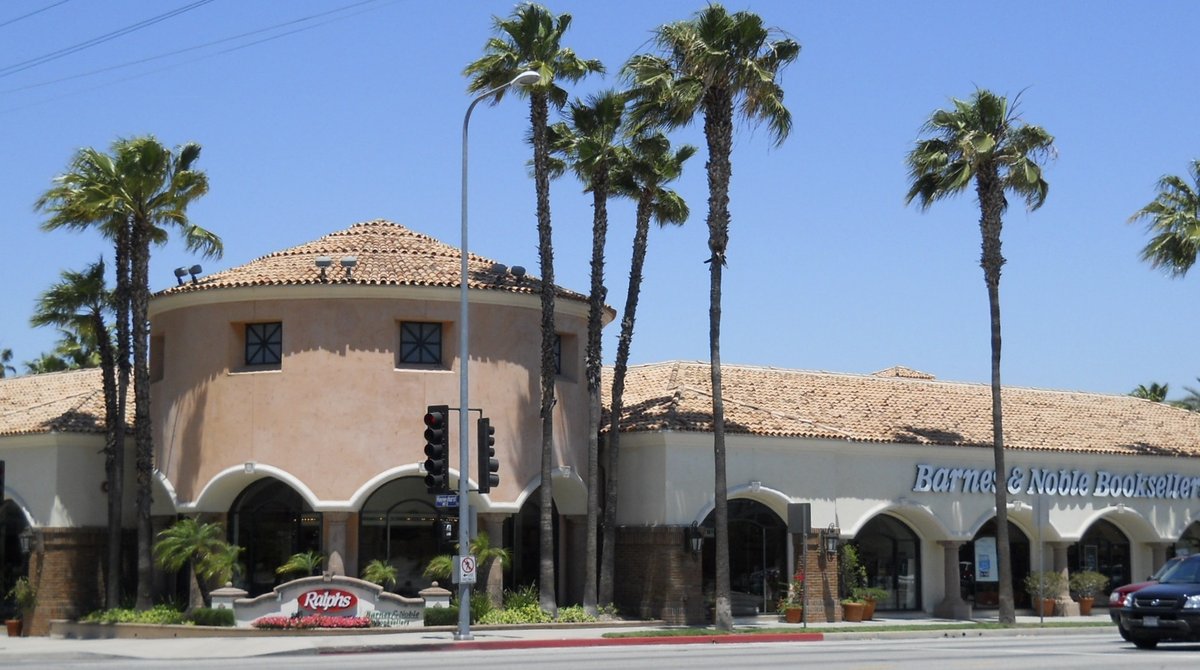
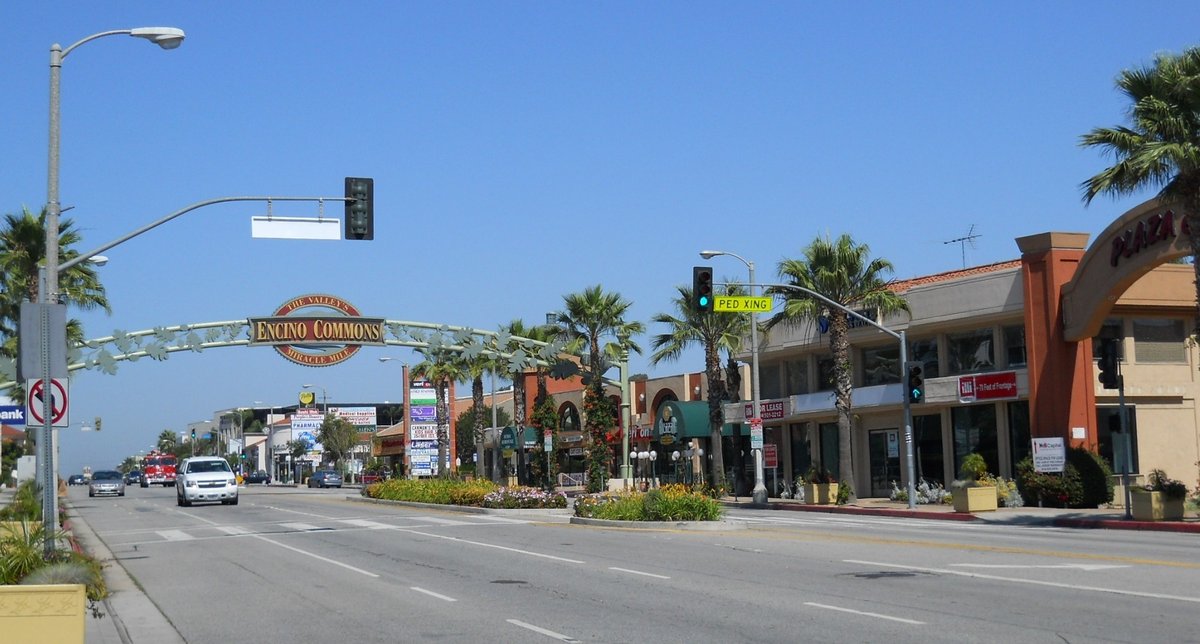
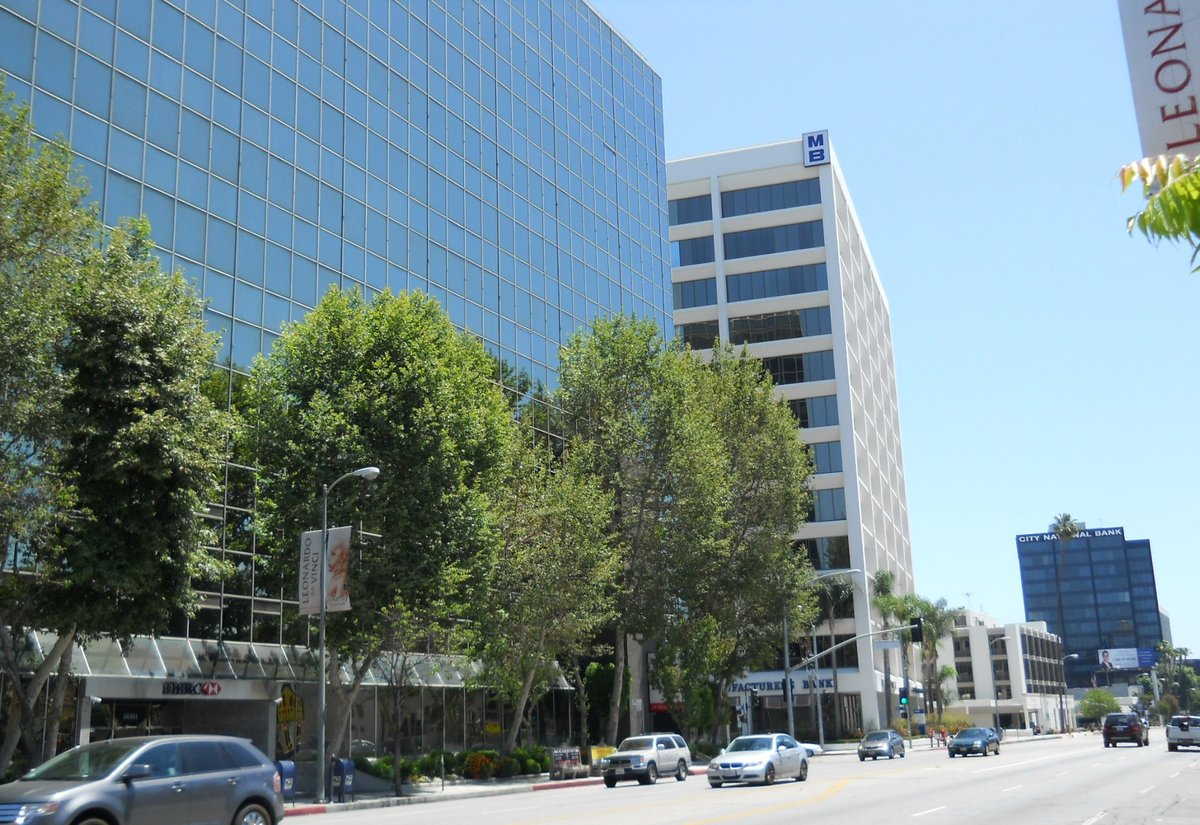
Ventura Boulevard is notable for its eclectic mix of architecture, from Streamline Moderne theaters and Googie-style diners to modern boutiques and mid-century homes. Key landmarks include the historic Sportsmen’s Lodge hotel, the Studio City Theatre (now a Barnes & Noble), and the Valley Relics Museum, which displays artifacts from the Valley’s past (LinkedIn; ABC7).
Pop Culture and Media Influence
Ventura Boulevard has long been a muse for artists, musicians, and filmmakers. Tom Petty’s “Free Fallin’” immortalized the street, and numerous films and TV shows—including “The 40-Year-Old Virgin,” “Crash,” and “Seinfeld”—feature its iconic scenery (Wikipedia). The boulevard’s association with the “Valley Girl” archetype further cements its place in American pop culture.
Visitor Information and Travel Tips
Best Visiting Times
Ventura Boulevard is accessible year-round. For a more relaxed experience, visit on weekdays; weekends offer vibrant street life and community events.
Transportation and Accessibility
The boulevard is best explored by car, but Metro bus lines 150 and 240 provide convenient access. Walkable sections exist in Studio City and Sherman Oaks, and most venues are wheelchair accessible.
Guided Tours and Nearby Attractions
While there are no dedicated ticketed tours for Ventura Boulevard, several San Fernando Valley tours include it as a highlight. Notable attractions include CBS Studio Center (exterior views), El Portal Theatre, and Valley Relics Museum.
Parking Tips
Metered street parking and public lots are available, but spaces fill up during peak hours and events.
Notable Landmarks and Architectural Highlights
Historic Theaters and Cinemas
- Studio City Theatre Streamline Moderne landmark, now a Barnes & Noble, open daily 9:00 AM–10:00 PM.
- Laemmle NoHo 7 Nearby indie cinema, tickets range $12–$15 (Laemmle Theatres).
Oil Can Harry’s: LGBTQ+ Cultural Monument
- Once a pioneering LGBTQ+ venue, now a protected historic site. The building exterior can be visited anytime (Los Angeles Conservancy).
CBS Studio Center
- Historic studio, not regularly open for public tours, but check for special events (CBS Studio Center).
Mid-Century Modern Architecture
- Notable Googie-style diners and retail buildings throughout Sherman Oaks and Encino, open during regular business hours.
Parks, Outdoor Spaces, and Scenic Spots
Los Angeles River Greenway
- Parallel to Ventura Boulevard in places, the greenway offers walking and biking paths, open dawn to dusk.
Woodley Park and Sepulveda Basin Recreation Area
- Expansive green spaces for recreation, with the Japanese Garden open Tuesday–Sunday, 10:00 AM–5:00 PM ($8 admission) (Japanese Garden).
Shopping, Dining, and Entertainment Districts
Sherman Oaks Galleria
- Iconic shopping and entertainment complex, open daily 10:00 AM–9:00 PM (Sherman Oaks Galleria).
Restaurant Row
- Studio City and Sherman Oaks host a wide range of dining options, from delis and sushi to gastropubs and global cuisine.
Boutique Shopping and Vintage Finds
- Independent boutiques and vintage shops in Studio City, Sherman Oaks, and Tarzana, open 10:00 AM–7:00 PM.
Cultural and Community Institutions
Valley Relics Museum
- Preserves Valley history, open Fridays and Saturdays, 12:00 PM–5:00 PM ($10 admission) (Valley Relics Museum).
Houses of Worship and Spiritual Centers
- Notable sites include Valley Beth Shalom Synagogue in Encino (VBS), open for services and events.
Noteworthy Streets and Neighborhoods
- Studio City Walkable, vibrant, and close to major studios.
- Sherman Oaks Upscale shopping and lively nightlife.
- Encino & Tarzana Relaxed, suburban, with family-owned restaurants and parks.
Culinary Scene: Where to Eat and Drink
Ventura Boulevard is a culinary destination, with neighborhoods offering signature experiences:
Studio City: Sushi Row & Modern American
- Asanebo (Michelin-starred), Katsu-Ya, Sugarfish: Top sushi experiences (The Infatuation).
- Black Market Liquor Bar Inventive cocktails and share plates.
Sherman Oaks: Classic and Revitalized Eateries
- Augustine Wine Bar Rare wines and small plates.
- Maradentro Upscale Mexican seafood.
Encino, Tarzana, Woodland Hills: Global Flavors
- Boneyard Bistro California-style barbecue.
- Vegan Cafes Leading LA’s plant-based movement (Thrillist).
Essential Spots
- Petit Trois Le Valley French bistro by chef Ludo Lefebvre.
- Casa Vega Iconic Mexican eatery.
- The Local Peasant Neighborhood gastropub.
Dining Tips
- Reservations Essential for popular venues, especially weekends.
- Parking Limited on street; valet and public lots available (yTravelBlog).
- Family-Friendly Many options for families and kids.
- Nightlife Live music, wine bars, and happy hour specials.
Frequently Asked Questions (FAQs)
Q: Are there entry fees to visit Ventura Boulevard?
A: Ventura Boulevard is a public street and free to explore. Some attractions, like museums and gardens, charge admission.
Q: How can I reach Ventura Boulevard by public transit?
A: Metro Local bus lines 150 and 240 serve the boulevard.
Q: Is the boulevard walkable and bike-friendly?
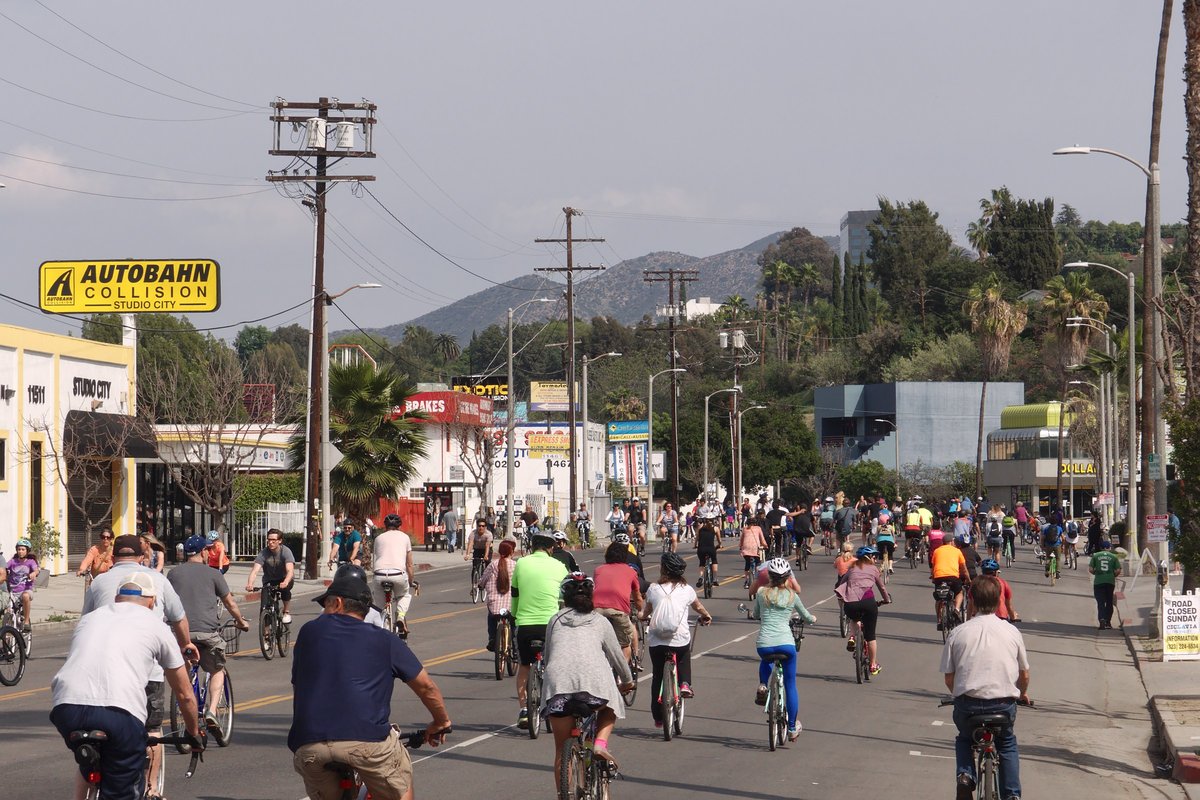
A: Studio City and Sherman Oaks are pedestrian-friendly. Bike lanes and CicLAvia events encourage cycling.
Q: What are the best areas for dining and shopping?
A: Studio City for sushi and boutiques, Sherman Oaks for shopping and nightlife, Encino/Tarzana for global cuisine.
Q: Where can I find event information?
A: Use the Audiala app or check local tourism sites for up-to-date listings.