1. The Early Development and Significance of Van Nuys Boulevard
Van Nuys Boulevard’s origins date back to the early 1900s when real estate developers, led by Hobart Johnstone Whitley, acquired large tracts of the San Fernando Valley (Popular Timelines). The area was named after Isaac Newton Van Nuys, a prominent rancher and businessman, reflecting his vision for the region’s transformation from farmland into a thriving residential hub (Hyland Inn).
The town of Van Nuys was officially founded in 1911, marked by a massive land auction and festive celebrations. Early infrastructure quickly followed, including the Valley General Store, the first high school in the Valley, and a dedicated post office (State of Van Nuys PDF).
2. Annexation and Urban Integration
Following the completion of the Los Angeles Aqueduct in 1913, the region gained vital water resources, paving the way for population growth and urban development. In 1915, Van Nuys and neighboring areas were annexed into the City of Los Angeles, a move that accelerated municipal development and positioned Van Nuys Boulevard as a key transportation and business corridor (Popular Timelines).
3. Evolution as a Transportation and Cultural Corridor
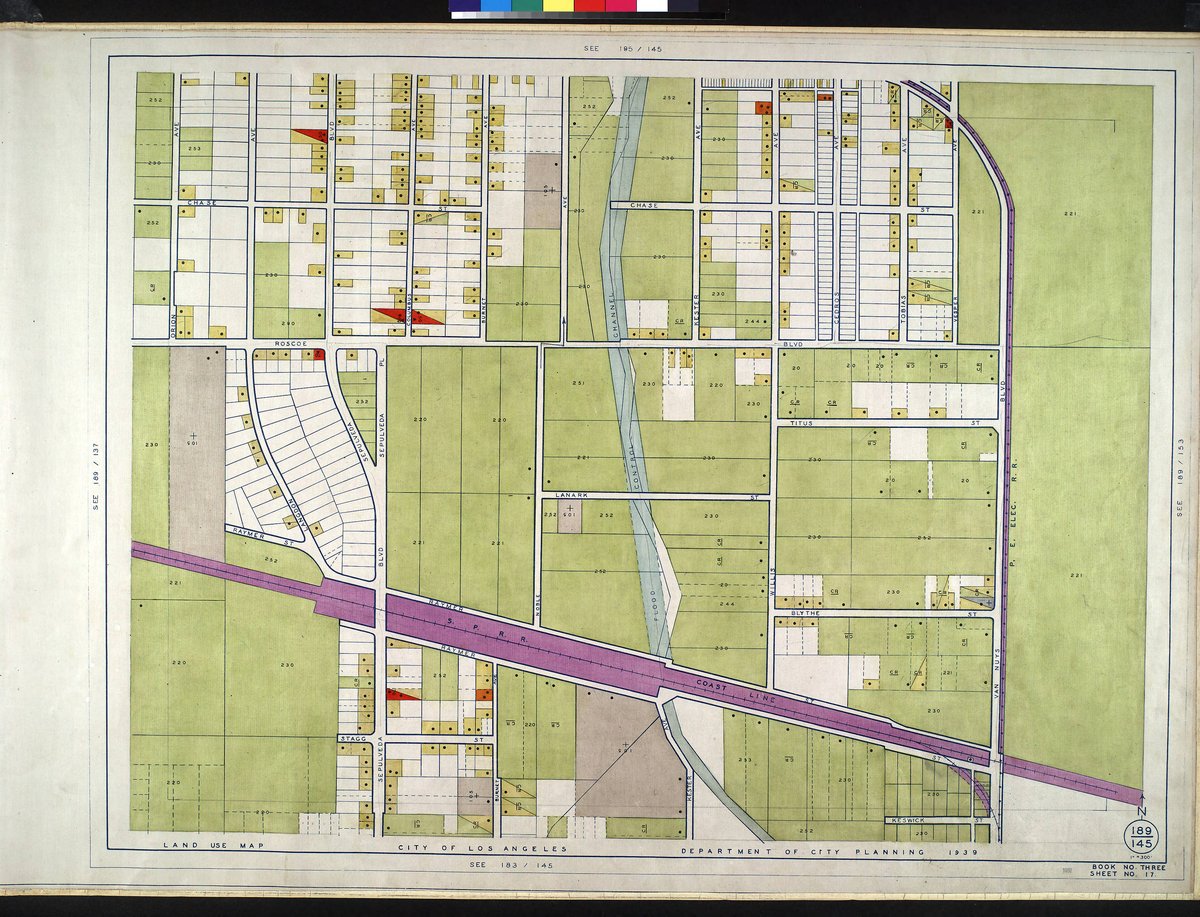
Van Nuys Boulevard’s legacy as a transit hub began with the Pacific Electric Railway’s expansion in the early 20th century (Wikipedia: Van Nuys Station). The corridor, once dominated by streetcars, evolved into a multi-modal artery. Today, it is served by the Metro G Line (bus rapid transit) and will soon benefit from the East San Fernando Valley Light Rail Transit Project, further enhancing accessibility (Wikipedia: Van Nuys Station).
4. Notable Architectural and Civic Landmarks
Van Nuys Boulevard is lined with historic and civic buildings, such as the iconic Valley Municipal Building (Van Nuys City Hall), a striking Art Deco structure completed in 1932 (State of Van Nuys PDF). Other key sites include the Van Nuys Public Library and the Van Nuys Train Station, which continues to link the area to regional transit networks (Hyland Inn).
5. Cultural Diversity and Community Identity
Van Nuys Boulevard is a living canvas for Los Angeles’ multicultural identity. Over decades, it has become home to vibrant Latin American, Armenian, Middle Eastern, and Asian communities (Hyland Inn). The “Mural Mile” in Pacoima is especially renowned, with over 50 murals celebrating the area’s cultural heritage (The 500 Hidden Secrets).
6. Economic and Social Changes
Van Nuys Boulevard has mirrored broader trends in Los Angeles, from industrial growth to contemporary urban challenges and revitalization. The establishment of the General Motors Assembly Plant in 1947 marked a period of prosperity, while recent years have seen community-driven initiatives aimed at economic renewal and public space improvement (State of Van Nuys PDF).
7. Visitor Information: Access, Attractions, and Events
Getting There
- Public Transit The Metro G Line, Van Nuys Station (serving Amtrak and Metrolink), and multiple Metro bus routes provide convenient access.
- Car Ample parking is available at shopping centers and parks, though street parking can be limited during events.
- Accessibility Most transit stations, major attractions, and public spaces are ADA-compliant.
Things to Do
- Explore the Valley Municipal Building and original Valley General Store.
- Visit the Los Angeles Public Library Van Nuys branch for local history exhibits.
- Stroll along the Mural Mile and enjoy public art.
- Shop and dine at The Plant Shopping Center and Valley Plaza Mall.
- Relax in neighborhood parks such as Van Nuys Sherman Oaks Park and Valley Glen Park.
Events
- Cultural festivals, art walks, and community gatherings are held throughout the year (AllEvents).
- Cruise nights and car shows celebrate the area’s automotive traditions (LA Times).
8. The Boulevard’s Role in Car Culture and Community Traditions
Van Nuys Boulevard is legendary as the birthplace of American cruising and lowrider culture, a tradition that continues today. From the 1930s onward, the boulevard has served as a gathering place for car enthusiasts and a symbol of California youth culture (Flashbak). Regular cruise nights, vibrant lowrider events, and intergenerational celebrations keep this heritage alive.
9. Key Sites and Activities Along Van Nuys Boulevard
- Van Nuys Civic Center and Plaza Government hub with public art; open daily, 6:00 AM–10:00 PM.
- The Plant Shopping Center Major retail and entertainment complex (The Plant Official Site).
- Van Nuys Sherman Oaks Park Green space for sports, picnics, and events (LA Parks and Recreation).
- Van Nuys Arts District Monthly art walks, galleries, and artisan shops (Van Nuys Arts District).
- Valley Plaza Mall Shopping and dining destination (Valley Plaza Mall Official Site).
- Automobile Dealership Row Classic car dealerships, a nod to the area’s car culture.
- Van Nuys Public Library Community programs and local archives (Los Angeles Public Library).
- Van Nuys Skate Park Recreation facility for youth (LA Parks and Recreation).
- Historic Pacific Electric Railway Route Explore remnants of the historic streetcar line.
10. Practical Tips and Frequently Asked Questions
Practical Tips
- Transportation Use Metro Rapid 761, Local 233, and the G Line for reliable public transit.
- Parking Available at shopping centers and parks; limited on-street during events.
- Safety Remain aware of surroundings, especially at night.
- Accessibility Most venues and transit options are wheelchair accessible.
- Events Check local calendars for festivals, art walks, and car shows.
FAQs
Q: Are tickets required to visit Van Nuys Boulevard?
A: No tickets are needed for the boulevard itself. Museums and events may have separate admission fees.
Q: When is the best time to visit?
A: Weekdays during daylight hours for a relaxed experience; weekends for festivals and events.
Q: Is Van Nuys Boulevard family-friendly?
A: Yes, parks, community events, and recreational facilities cater to families.
Q: How do I access Van Nuys Boulevard by public transit?
A: Metro bus lines, the G Line, and Metrolink/Amtrak at Van Nuys Station provide convenient options.
Q: Are guided tours available?
A: Guided mural and history tours are occasionally offered by local cultural organizations.