Plan and listen to University Of Southern California with Audiala.
Audio guide in your pocket, itinerary in your browser. Built for the way you actually visit.
Introduction: Exploring the University of Southern California
The University of Southern California (USC), established in 1880, stands as California’s oldest private research university and a cornerstone of Los Angeles’ cultural and educational landscape. Renowned for its academic excellence, groundbreaking research, and vibrant campus life, USC is both a historic monument and a modern innovator. Visitors are drawn to its blend of storied architecture—like the Widney Alumni House, Bovard Administration Building, and Tommy Trojan statue—and its pivotal role in fields such as cinematic arts, medicine, engineering, and athletics. Conveniently located near downtown Los Angeles and Exposition Park, USC’s campus offers easy access to other iconic city attractions, including the Natural History Museum, California Science Center, and Los Angeles Memorial Coliseum.
USC welcomes visitors year-round, offering free access to most outdoor campus areas and many historical sites. Some museums and special exhibitions may require tickets or reservations. Guided and self-guided tours provide deeper insights into USC’s rich legacy, while accessible facilities ensure all guests can enjoy the campus. This guide details all you need to know about visiting hours, ticketing, transportation, nearby attractions, and practical travel tips for a memorable visit.
For up-to-date information, consult USC’s official visitor resources and USC Transportation Services. For interactive maps, tour bookings, and event updates, consider downloading the Audiala app.


History and Significance
Founded by Judge Robert Maclay Widney and three Los Angeles leaders in 1880, USC began with 53 students and 10 faculty on a campus donated from 308 city lots. The Widney Alumni House, the oldest university building in Southern California, symbolizes USC’s commitment to inclusivity and growth. Over the years, USC has expanded into a major research institution, contributing significantly to the city’s academic, cultural, and economic development.
Architectural Heritage
USC’s campus is a showcase of historic and contemporary architecture. Highlights include:
- Bovard Administration Building: Built in 1921, this Romanesque Revival icon features a red-brick façade and clock tower.
- Doheny Memorial Library: Opened in 1932 with ornate interiors and grand reading rooms.
- Tommy Trojan Statue: Installed in 1930, this beloved symbol of Trojan pride stands at the campus heart.
- USC Village: A modern 15-acre extension with dining, retail, and outdoor plazas.
These landmarks, along with lush green spaces like Alumni Park, create a unique and picturesque campus environment.
Visiting Information: Hours, Tickets, and Tours
Campus Access and Hours
- Pedestrian Access: Open 24/7 with check-in for visitors after hours.
- Vehicle Access: Most gates operate 6 a.m.–8 p.m. weekdays; McClintock and McCarthy entrances are open 24 hours with restrictions.
- Outdoor Areas: Generally open from 7 a.m.–10 p.m.
- Building Hours: Vary by facility; check individual museum or library sites for specifics.
Admission and Tickets
- General campus admission is free.
- Some museums (e.g., USC Pacific Asia Museum) and special events require tickets.
- Guided campus tours can be reserved online (USC Visit).
- Self-guided tour apps and maps are available for independent exploration.
Accessibility and Travel Tips
- Public Transit: Easily reached via Metro Expo Line (Expo Park/USC station) and multiple bus lines.
- Parking: Paid visitor parking structures (e.g., Royal Structure, Downey Structure) are available; street parking is limited.
- Wheelchair Access: Ramps, elevators, and accessible restrooms are located throughout campus.
- Visitor Services: Contact [email protected] or call (213) 740-1027 for accessibility accommodations.
Travel Tips
- Bring a government-issued ID for entry at certain gates.
- Wear comfortable shoes and sun protection.
- Allow extra time during peak hours or event days.
- Check the USC events calendar for closures or special events.
Dining and Amenities
- USC Village: Offers diverse dining options, from cafes to global cuisine.
- On-Campus Dining Halls and Food Courts: Wide variety of choices for snacks or meals.
- Nearby Eateries: Explore local flavors in the University Park and Exposition Park neighborhoods.
- Amenities: Free guest Wi-Fi, restrooms in most buildings, and visitor information tents.
Nearby Attractions
USC’s location makes it an excellent starting point for exploring:
- Exposition Park: Home to the California Science Center (free entry; special exhibits ticketed), Natural History Museum of Los Angeles County (admission fee), and the Rose Garden (free).
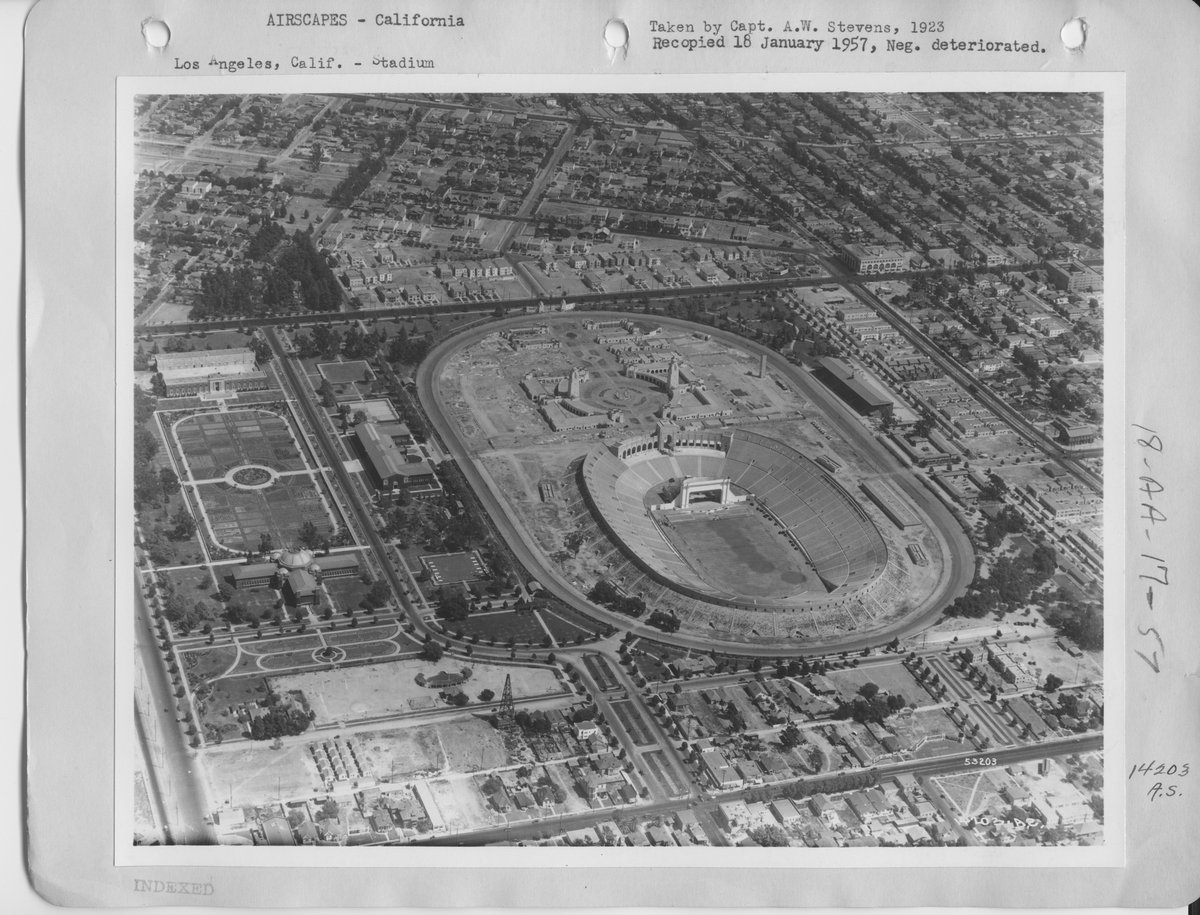
- Los Angeles Memorial Coliseum: Historic sports venue and Olympic site.
- USC Fisher Museum of Art: Free admission, rotating exhibitions.
- USC Pacific Asia Museum: Located in Pasadena, showcases Asian and Pacific Islander art (admission fee).
Arts, Culture, and Museums
- USC Fisher Museum of Art: Open Tuesday–Saturday, 11 a.m.–5 p.m.; free admission.
- USC Pacific Asia Museum: Open Wednesday–Sunday, 10 a.m.–5 p.m.; adult admission $12.
- Public Art and Galleries: Outdoor sculptures (e.g., “Double Helix”) and murals accessible during campus hours.
- School of Cinematic Arts: Renowned for producing award-winning talent; occasional public screenings and exhibits.
Visual Highlights
Capture memorable moments at:
- Tommy Trojan and Bovard Administration Building (alt="Tommy Trojan statue and Bovard Administration Building at USC")
- Doheny Memorial Library Steps (alt="Doheny Memorial Library, USC")
- USC Village Plazas (alt="USC Village dining and social area")
- Exposition Park Rose Garden (alt="Rose Garden near USC campus")
Frequently Asked Questions (FAQ)
Q: What are USC’s visiting hours?
A: Most outdoor areas are open 7 a.m.–10 p.m. Pedestrian gates offer 24/7 access; building hours vary.
Q: Is there an admission fee to visit USC?
A: No, campus grounds are free to visit. Some museums and exhibits may have separate fees.
Q: Are guided tours available?
A: Yes, bookable online via the USC Visit website.
Q: Is USC accessible for visitors with disabilities?
A: Yes, the campus offers accessible paths, ramps, elevators, and restrooms.
Q: How do I get to USC by public transport?
A: Take the Metro Expo Line to Expo Park/USC station or use city bus lines.
Q: Where can I park when visiting USC?
A: Use visitor parking structures (paid); street parking is limited.
Summary and Traveler Tips
Visiting USC offers a rich experience, blending history, innovation, and vibrant student life. Its campus is accessible and welcoming, with highlights ranging from iconic landmarks to world-class museums. Convenient transportation, guided tours, and accessible facilities make it easy to tailor your visit. For a rewarding journey, check official resources (USC Official Website) and use interactive planning tools like the Audiala app.
Listen to the full story in the app
The whole University Of Southern California,
told well.
Listen to sourced travel stories with local history and practical context — ready offline.
Verified, and shown.
Researched and written by the Audiala editorial team from historical records, architectural archives, and local expertise.
Built from cited sources · see the method · How we make our guides →