Plan and listen to University Of California, Los Angeles with Audiala.
Audio guide in your pocket, itinerary in your browser. Built for the way you actually visit.
Introduction
The University of California, Los Angeles (UCLA) is a world-renowned public research university located in Westwood, Los Angeles. Established in 1882 as a teachers' college and integrated into the University of California system in 1919, UCLA has evolved into a dynamic 419-acre campus celebrated for academic excellence, innovative research, and cultural diversity (Wikipedia; CollegeData). Its blend of historic and modern architecture, vibrant student life, and proximity to Los Angeles’ most famous attractions make it an essential stop for prospective students, tourists, and culture seekers.
This detailed guide provides essential information on UCLA visiting hours, ticketing for tours and campus events, accessibility, transportation, and practical visitor tips. You'll also find highlights of must-see landmarks, nearby attractions, and strategies for making the most of your UCLA visit.




Foundations and Evolution
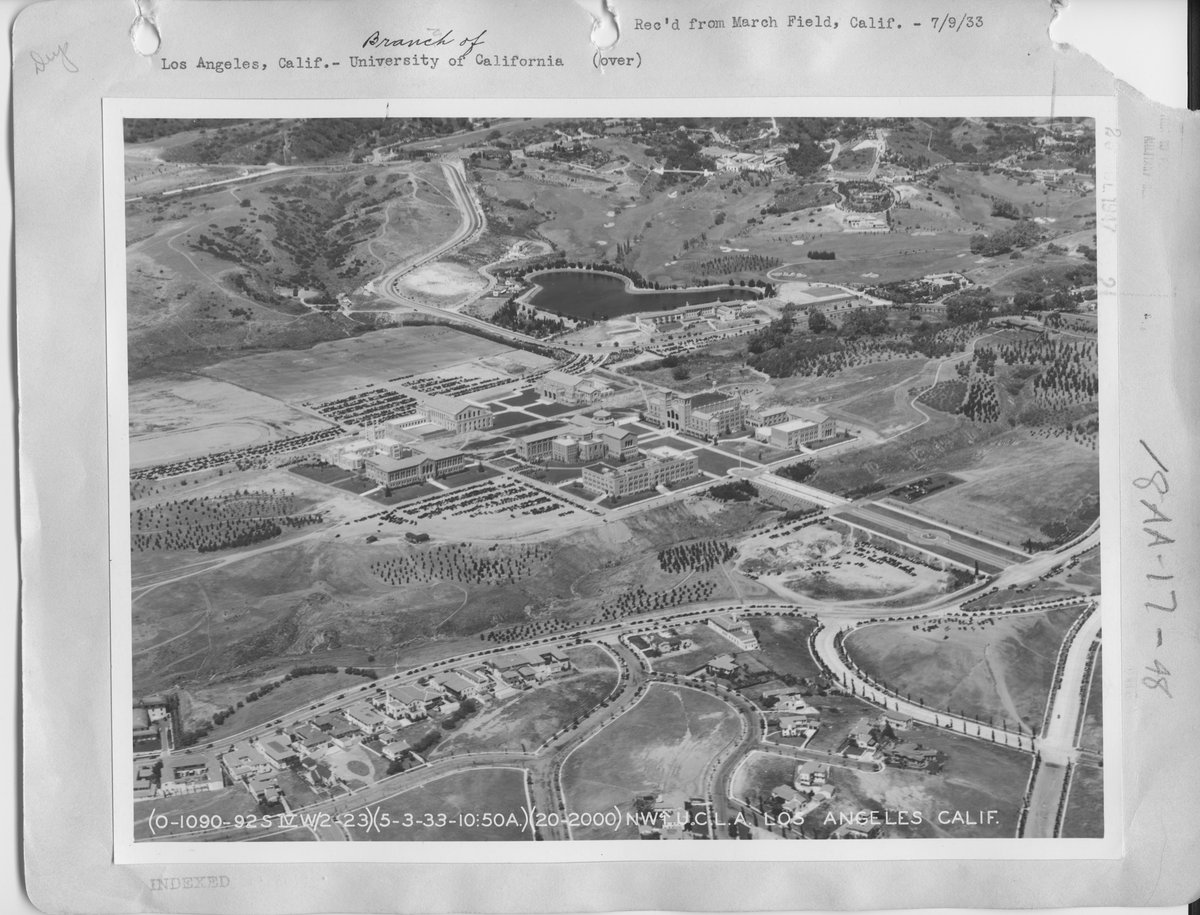
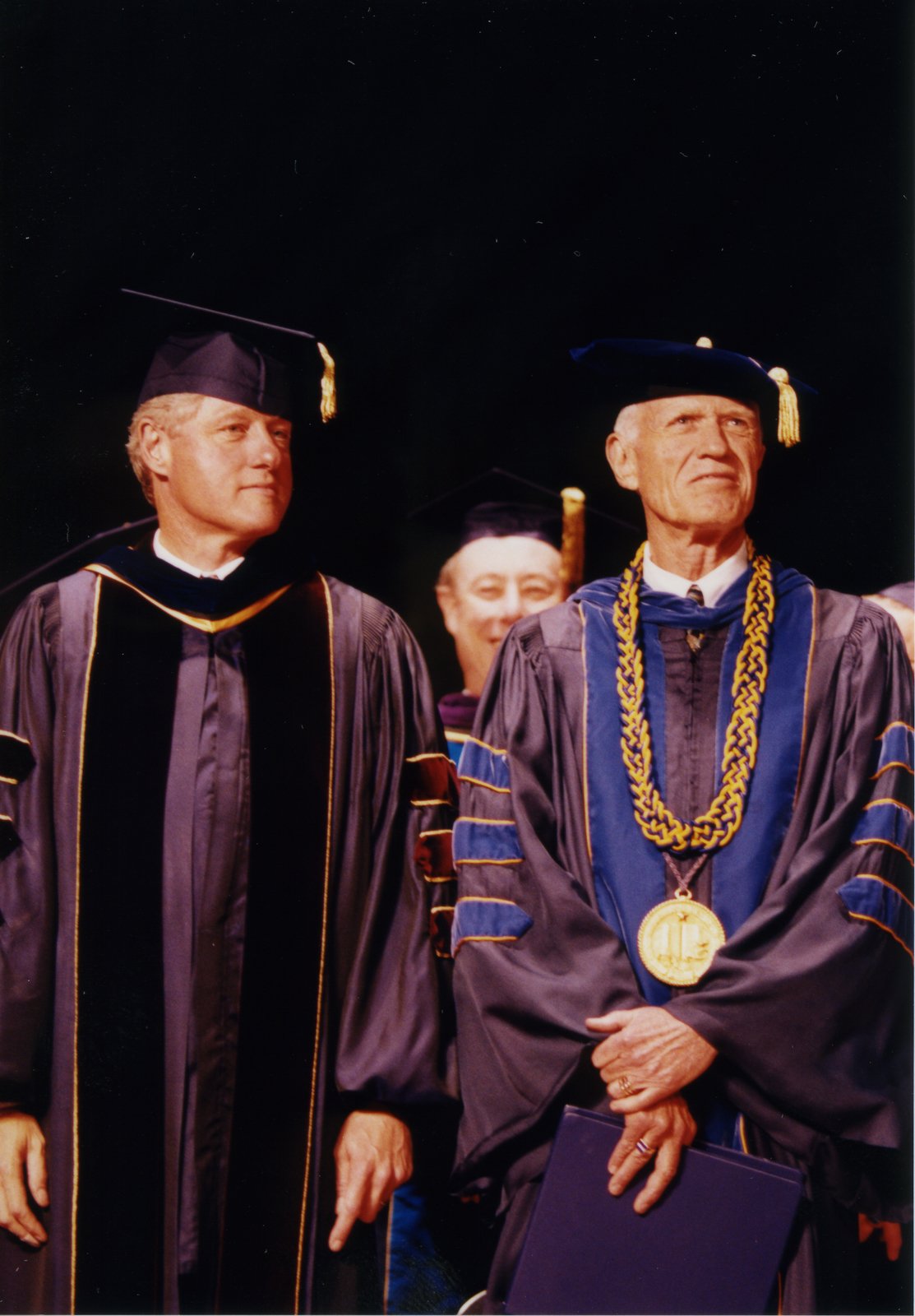
UCLA began as the Los Angeles State Normal School in 1882, designed to train teachers for the burgeoning Southern California region. The campus was originally located downtown, where the LA Public Library now stands. By 1887, the school became independent, laying the foundation for what would become UCLA (Wikipedia).
Becoming a UC Campus
In 1919, responding to the need for higher education in Southern California, the school was incorporated into the University of California system as its Southern Branch, becoming the system’s second campus after UC Berkeley (Wikipedia; CollegeData). The campus moved to its present 419-acre Westwood location in 1929, thanks to land acquired from the Janss brothers, commemorated by the famed Janss Steps.
Growth as a Research Leader
UCLA rapidly transformed from a teachers’ college into a top global public university, now home to dozens of professional schools and research institutes. It has consistently ranked as the #1 U.S. public university in recent years, with a $11 billion annual budget and a reputation for academic rigor and community impact (UCLA Fast Facts). The campus attracts students from around the world, fostering a culture of innovation and inclusion.
Campus Culture and Community
UCLA benefits from its location within Los Angeles, a city known for its creative industries, diversity, and global influence. The university maintains deep ties to Hollywood and tech sectors, while its 1,000+ student organizations and 66 Greek chapters create a vibrant, inclusive community (UCLA Fast Facts; CollegeData).
Campus life is further enriched by public lectures, athletic events, music and art festivals, and service initiatives. Alumni include Nobel laureates, Olympic athletes, artists, and global leaders.
Architectural and Natural Landmarks
UCLA’s campus is famous for its architectural beauty and lush gardens, blending Romanesque Revival and modernist styles.
Iconic Campus Sites
- Royce Hall: The university’s architectural symbol and main performance venue, featuring twin towers and a grand auditorium (UCLA Admission).
- Powell Library: Known for its soaring rotunda and ornate interiors, this is the academic heart of campus.
- Janss Steps: 87 historic steps leading from Wilson Plaza to Dickson Plaza, often used for gatherings and commemorations.
- Franklin D. Murphy Sculpture Garden: A five-acre outdoor collection of over 70 sculptures by artists such as Henry Moore and Auguste Rodin (The Tourist Checklist).
- Pauley Pavilion: Legendary sports arena, home to UCLA basketball, volleyball, and major events.
Museums and Cultural Venues
- Fowler Museum: Showcasing global arts and cultures, with free admission (Fowler Museum).
- Hammer Museum: Renowned contemporary art museum with free entry (Hammer Museum).
- Mildred E. Mathias Botanical Garden: A 7.5-acre living museum with over 3,500 plant species (Luskin Conference Center).
Planning Your Visit
UCLA Visiting Hours & Admission
- Campus Hours: Generally open daily from 7:00 AM to 10:00 PM.
- Museum Hours:
- Hammer Museum: Tues–Sun, 11 AM–5 PM (Hammer Museum).
- Fowler Museum: Wed–Sun, 11 AM–5 PM (Fowler Museum).
- Murphy Sculpture Garden: Open daily, dawn to dusk.
- Admission: General campus and garden access is free. Some events and exhibitions may require tickets (UCLA Visitor Center).
Tickets & Guided Tours
- Official Guided Tours: Free but require advance online reservation (UCLA Admission). Standard tours include a 30-minute overview and a 90-minute walking tour.
- Specialty Tours: Available for specific schools (Engineering, Film & TV, etc.).
- Self-Guided & Virtual Tours: Downloadable maps and virtual tours are available online (CampusReel UCLA Tours).
- Event Tickets: Required for sporting events, concerts, or special exhibitions. Purchase online in advance (UCLA Athletics; UCLA Events Calendar).
Accessibility & Transportation
- Accessibility: Most major campus sites are wheelchair accessible. Dedicated routes, restrooms, and assistance services are available (UCLA Accessibility Services).
- Parking: Visitor parking is available in campus lots; daily passes are ~$12 (Luskin Conference Center Guide). Rideshare drop-off zones and the free BruinBus shuttle are convenient alternatives.
- Public Transit: Multiple Metro lines and local buses serve UCLA. The campus is near the 405 Freeway with access from Wilshire and Sunset Boulevards.
Visitor Tips
- Comfort: Wear comfortable shoes; campus is hilly and expansive.
- Weather: Check forecasts and dress appropriately.
- Timing: Allow several hours to explore; weekdays during the academic year offer the liveliest atmosphere.
- Navigation: Pick up maps at the Visitor Center or use the Audiala app for real-time directions.
Dining and Accommodations
On-Campus Dining
- Ackerman Union: Central hub with fast-casual dining options (ASUCLA).
- Dining Halls: Highly ranked; visitors may access by purchasing meal swipes from students.
Westwood Village
Just south of campus, Westwood Village features diverse eateries, cafes, and shops:
- Broxton Brewery & Public House: Craft beers in the historic Janns Dome.
- Tacos 1986: Authentic Tijuana-style tacos.
- Violet L.A.: California-French cuisine.
Accommodations
- On-Campus: Luskin Hotel and Conference Center; The Inn at UCLA.
- Nearby Hotels: Hotel Angeleno, Royal Palace Westwood Hotel, Plaza la Reina, Hilgard House, and FOUND Hotel Santa Monica. For luxury, Beverly Hills hotels are a short drive away (Luskin Conference Center).
Events and Arts
- Lectures and Performances: UCLA hosts public lectures, concerts, and theater at venues like Royce Hall and the Nimoy Theater (UCLA Events Calendar).
- Museums: Free admission at Hammer and Fowler Museums; special exhibitions may require tickets.
- Campus Life: Over 1,200 student organizations, frequent public events, and festivals (UCLA Campus Life).
Exploring Westwood and Greater Los Angeles
Westwood Village
A lively neighborhood with historic theaters, international restaurants, and retail shops (California.com).
Nearby Attractions
- Getty Center: World-class art and architecture, 8 miles from UCLA.
- Santa Monica Pier & Beach: Iconic SoCal destination a short drive away.
- LACMA: The largest art museum in the western U.S.
- Sawtelle Japantown: Renowned for Japanese cuisine and culture.
Frequently Asked Questions (FAQ)
Q: Are there admission fees to visit UCLA?
A: General campus access is free. Some museums and special events require ticket purchase.
Q: What are UCLA’s visiting hours?
A: Most of campus is open daily from 7:00 AM to 10:00 PM. Museums and facilities have specific hours.
Q: How do I book a guided tour?
A: Reserve online via UCLA Admission.
Q: Is the campus accessible for visitors with disabilities?
A: Yes, most buildings and routes are accessible. Contact accessibility services for special needs.
Q: Where can I park?
A: Use campus visitor parking lots (daily fee applies), or consider public transit and rideshares.
Listen to the full story in the app
The whole University Of California, Los Angeles,
told well.
Listen to sourced travel stories with local history and practical context — ready offline.
Verified, and shown.
Researched and written by the Audiala editorial team from historical records, architectural archives, and local expertise.
Built from cited sources · see the method · How we make our guides →