
Visiting Topanga State Park: Hours, Tickets, and Access
Visiting Hours
- Open Daily 8:00 AM to sunset (hours may vary seasonally; check the official park website before your visit).
Tickets and Fees
- Admission Free (no entrance ticket required).
- Parking Fees $10–$15 per vehicle at Trippet Ranch and main lots. Annual California State Parks passes are accepted and available for purchase (California State Parks).
Accessibility
- Accessible Facilities Trippet Ranch area includes paved paths, restrooms, and picnic areas suitable for visitors with mobility impairments. Most trails are unpaved and may not be suitable for wheelchairs or strollers (California State Parks Accessibility).
- Accessible Parking Available at the main lot.
Directions and Parking
-
Address 20828 Entrada Road, Topanga, CA 90290
-
From Pacific Coast Highway (PCH) Head north on Topanga Canyon Blvd, right on Entrada Road, keep left at forks to Trippet Ranch.
-
From Ventura Freeway (101) Exit Topanga Canyon Blvd, south over the crest, left on Entrada Road.
-
Parking Limited, especially on weekends/holidays—arrive early for best availability (California State Parks Directions).
-
Public Transit Limited; driving or rideshare is recommended.
Essential Travel Tips
- Arrive Early Parking fills quickly on weekends and holidays.
- Bring Supplies Carry water, sun protection, snacks, and sturdy shoes.
- Prepare for Limited Cell Service Download trail maps in advance.
- Dog Policy Dogs are allowed on leash on paved roads and picnic areas only—not on trails; clean up after pets (California State Parks).
- Safety Stay on marked trails, watch for poison oak and snakes, and respect fire regulations.
- Weather Spring and fall offer the mildest weather; summer can be hot, and winter trails may be muddy.
Historical and Cultural Significance
Indigenous Heritage
Topanga State Park has been inhabited for 8,000–10,000 years and was a meeting point for the Tongva and Chumash peoples. The word "Topanga" is from the Shoshonean language, meaning "above," referencing the canyon's position above floodwaters (California State Parks; Wikipedia). Visitors can find remnants of ancient villages, rock art, and trade routes throughout the park.
Colonial & Rancho Eras
Spanish colonization in the late 1700s disrupted Indigenous life. During the Mexican period, the area became part of Rancho San Vicente y Santa Monica, used mainly for cattle grazing. Early American statehood brought ranches and homesteads, including Trippet Ranch, now the main visitor hub (Wikipedia).
20th Century Community & Conservation
The early 1900s saw Topanga become a destination for health retreats and, by mid-century, a bohemian enclave for artists, writers, and musicians—especially in the 1960s–70s (We Like LA). This creative spirit endures through local events and environmental activism.
Park Establishment
California voters approved a bond in 1964 to acquire the land, establishing Topanga State Park in 1974. It now encompasses about 11,000 acres, preserving both wildland and historical features. The park balances habitat protection with the preservation of historic ranch sites like Trippet Ranch (Wikipedia).
Ongoing Cultural Connections
The park's trails follow ancient Indigenous routes. Community events and educational programs continue to celebrate the area's cultural diversity (Travel Lens).
Special Events and Community Activities
- Topanga Days Annual Memorial Day weekend festival celebrating music, arts, and local culture (We Like LA).
- Docent-Led Hikes Free guided walks Sundays (January–June) from Trippet Ranch.
- Wildflower Reports & Educational Programs Seasonal updates and programs are available via phone and the visitor center (California State Parks).
Park Challenges and Conservation Efforts
Topanga State Park faces ongoing threats from urban encroachment, wildfire (notably the 2025 Palisades Fire), and habitat fragmentation. Restoration projects and community engagement are vital for recovery and sustainability (Wikipedia; LA Times). Some facilities may be closed for recovery; check current updates before visiting.
Natural Features and Ecological Highlights
Geology and Landscape
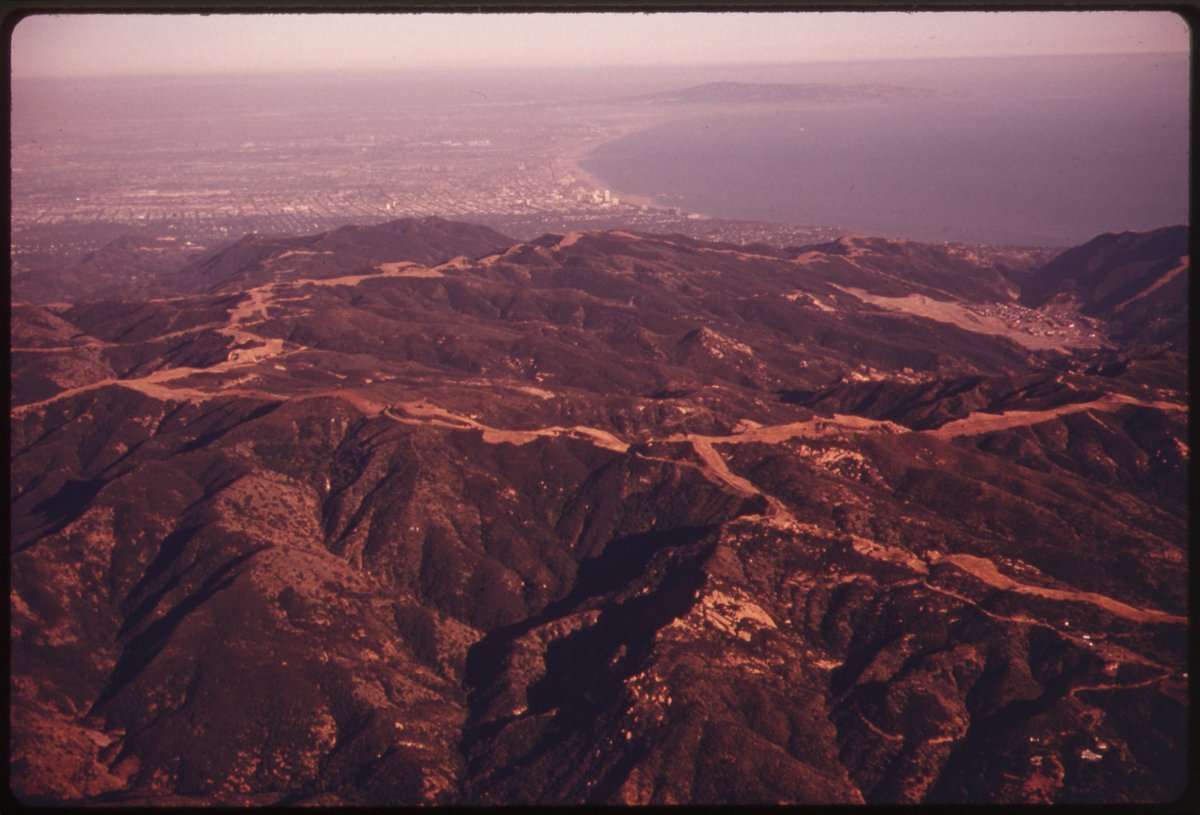
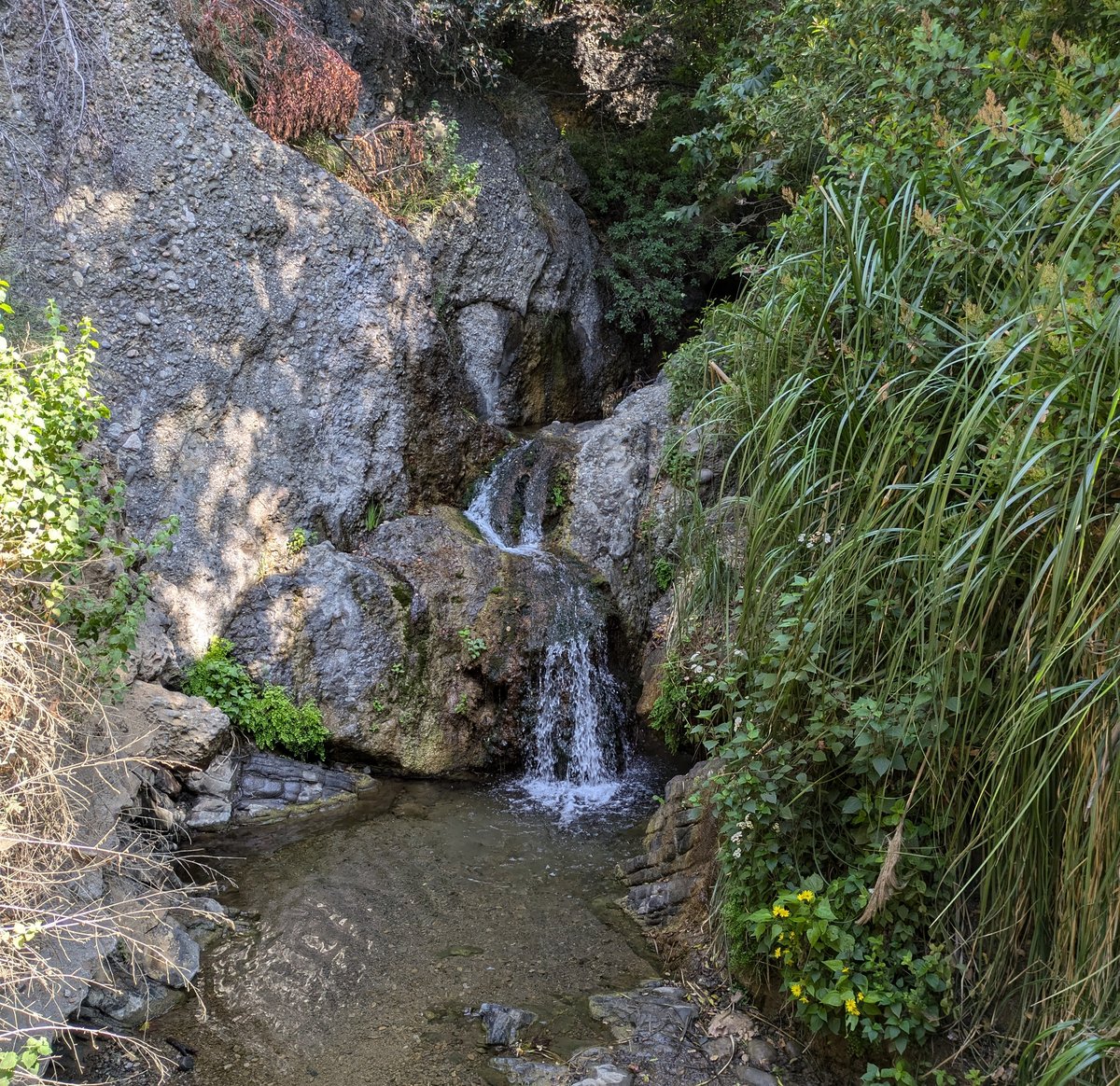
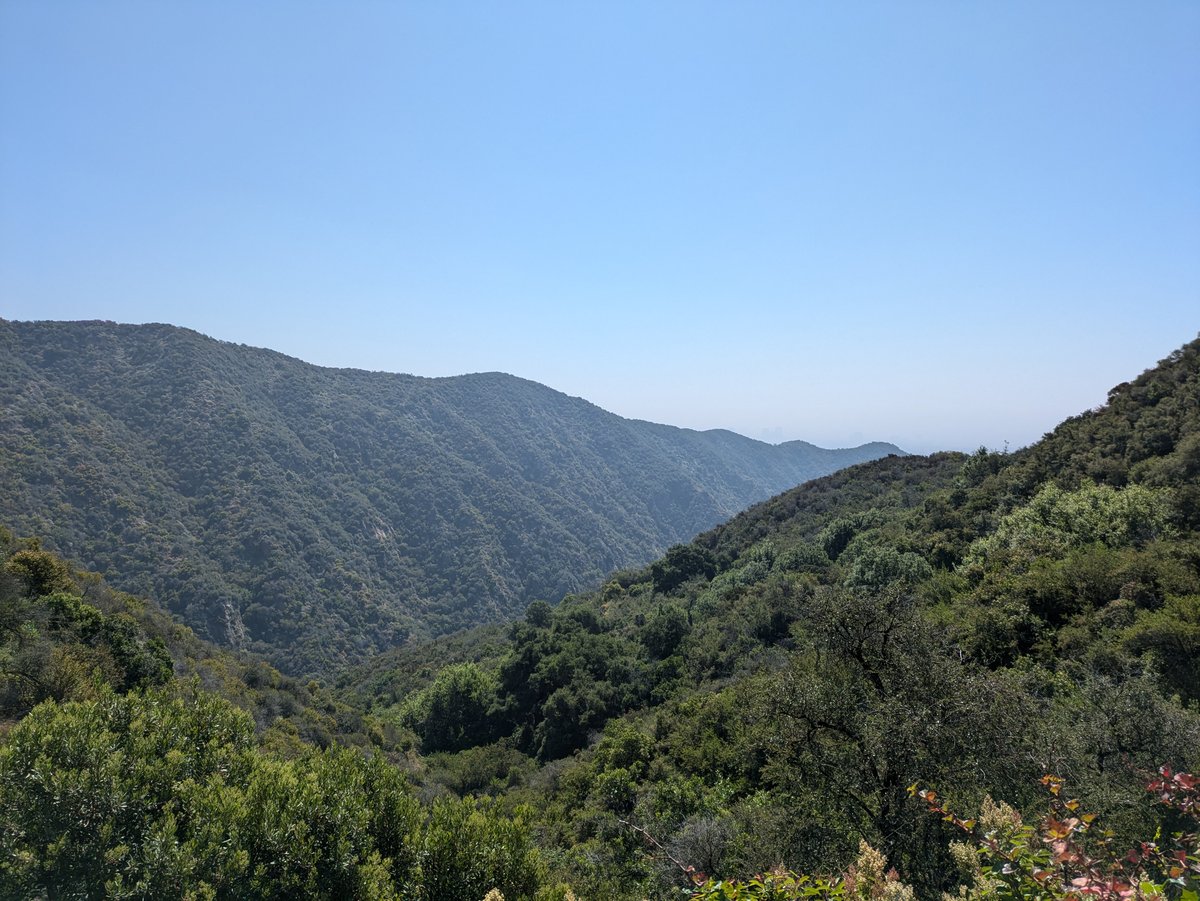
The park’s rugged terrain features dramatic sandstone outcrops (Eagle Rock, Red Rock Canyon), deep canyons, and rolling ridgelines with views of the Pacific Ocean and Los Angeles (Travalour). Seasonal streams support lush riparian corridors.
Habitats and Notable Flora & Fauna
- Habitats Coastal sage scrub, chaparral, oak woodlands, riparian areas, and grasslands create a rich mosaic (Campsite Canada).
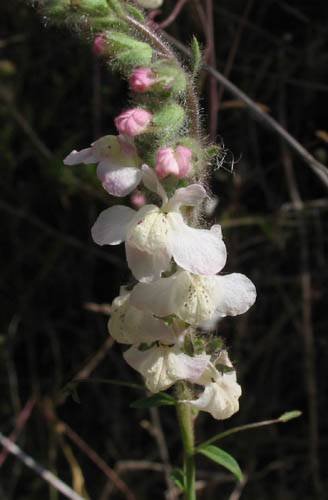
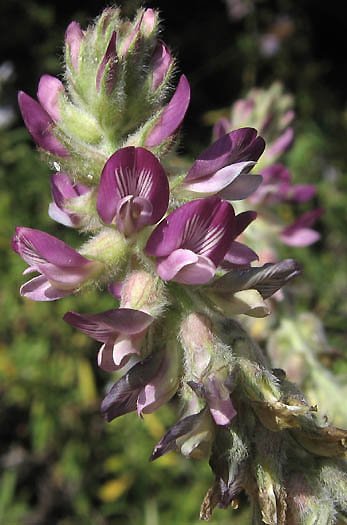
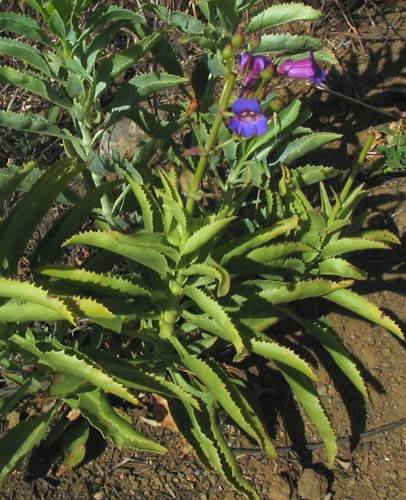
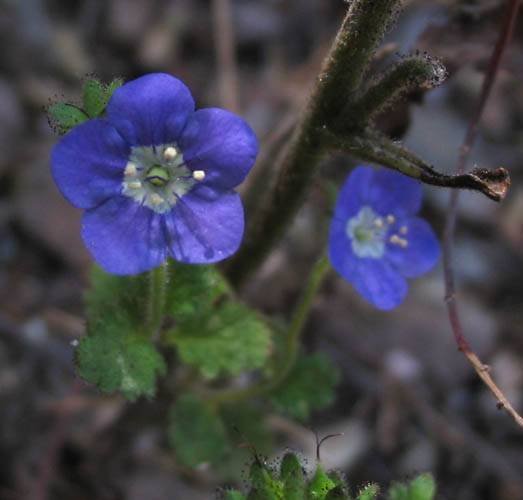
- Plant Diversity Over 750 species, including rare wildflowers like Lyon’s pentachaeta and Dudleya, and spectacular spring blooms (LA Times).
- Wildlife Mule deer, coyotes, bobcats, mountain lions (rare), raccoons, and numerous small mammals. Birdwatchers can spot red-tailed hawks, owls, woodpeckers, and migratory species. Native reptiles and amphibians are abundant.
- Aquatic Life Topanga Creek supports endangered southern steelhead trout and tidewater goby (Topanga Lagoon Restoration Project).
Topanga Lagoon & Wetlands
A rare coastal wetland at the park’s southern edge, Topanga Lagoon is crucial for fish, migratory birds, and endangered species. Restoration projects are underway to enhance ecological function and resilience (Topanga Lagoon Restoration Project).
Fire Ecology and Recent Impacts
Fire shapes the landscape, but the 2025 Palisades Fire caused significant habitat and historic structure loss. Recovery efforts focus on native plant regeneration and invasive species control (LA Times).
Conservation Significance
Topanga State Park is a vital wildlife corridor, supporting high biodiversity within an urban setting. Conservation priorities include habitat restoration, public education, and adaptive management.
Recreation: Trails, Activities, and Facilities
Hiking, Biking, and Horseback Riding
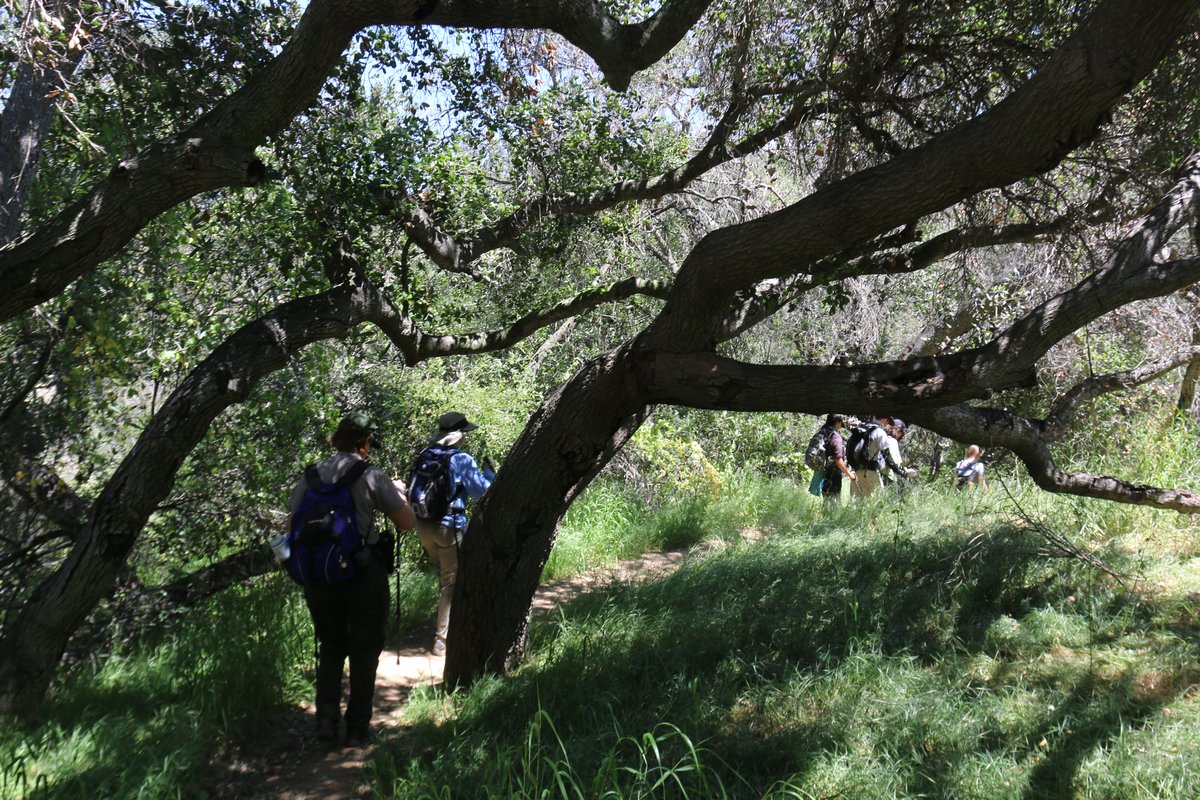
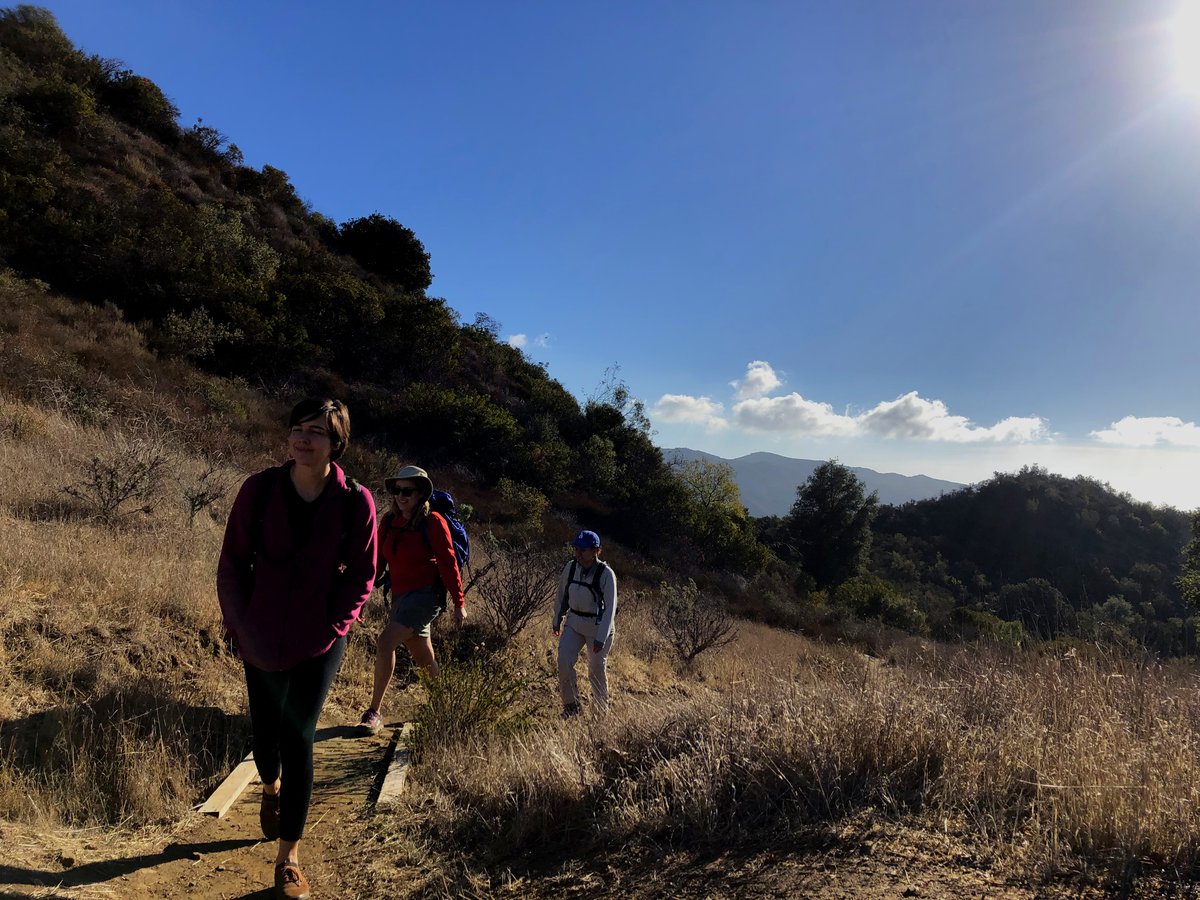
- Hiking Over 36 miles of trails for all abilities (Sometime Traveller):
- Eagle Rock Loop (4.2 mi) Iconic sandstone formation, panoramic views (Komoot Eagle Rock)
- Musch Trail Passes historic ranches and shaded woodlands
- Red Rock Canyon Trail Unique geology, creekside scenery
- Parker Mesa Overlook Sweeping ocean and city vistas
- Backbone Trail Links to regional parks for long-distance hiking
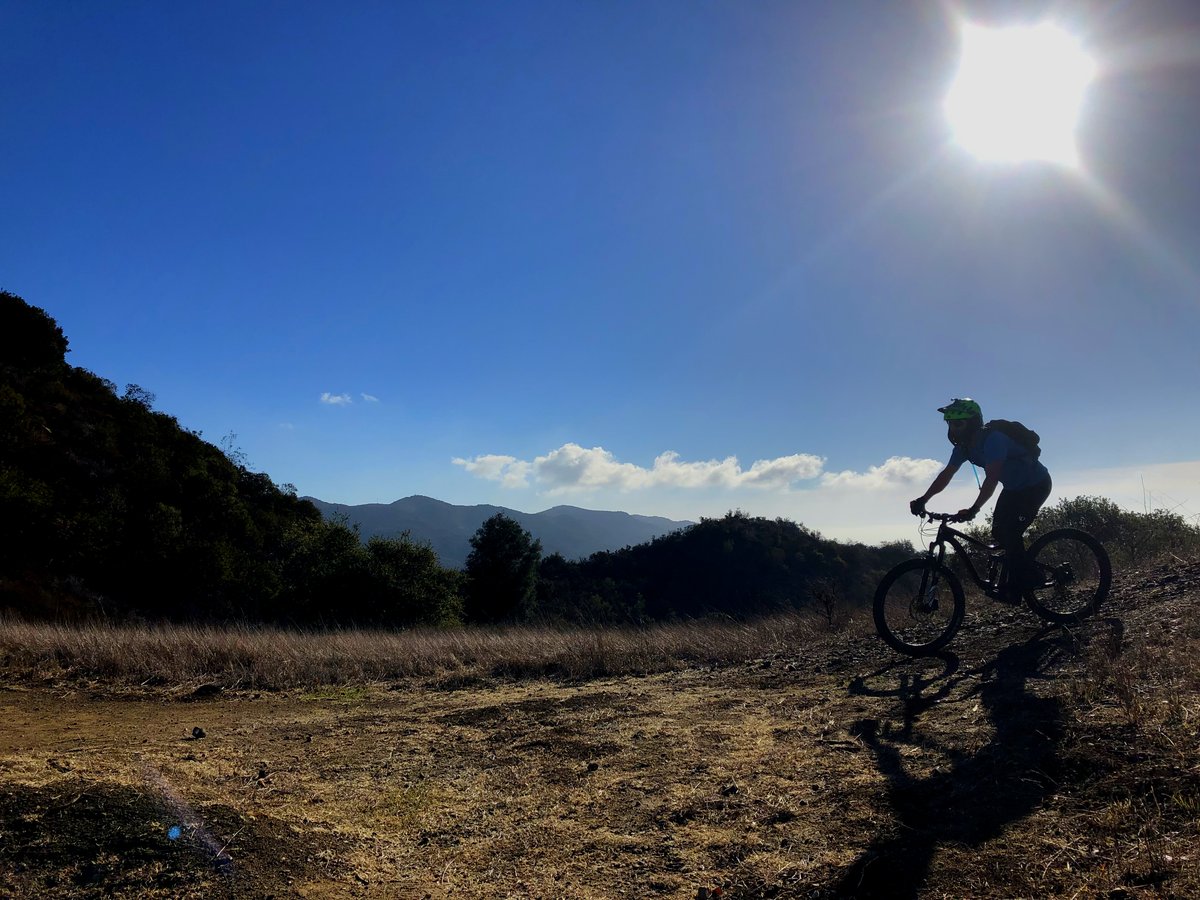
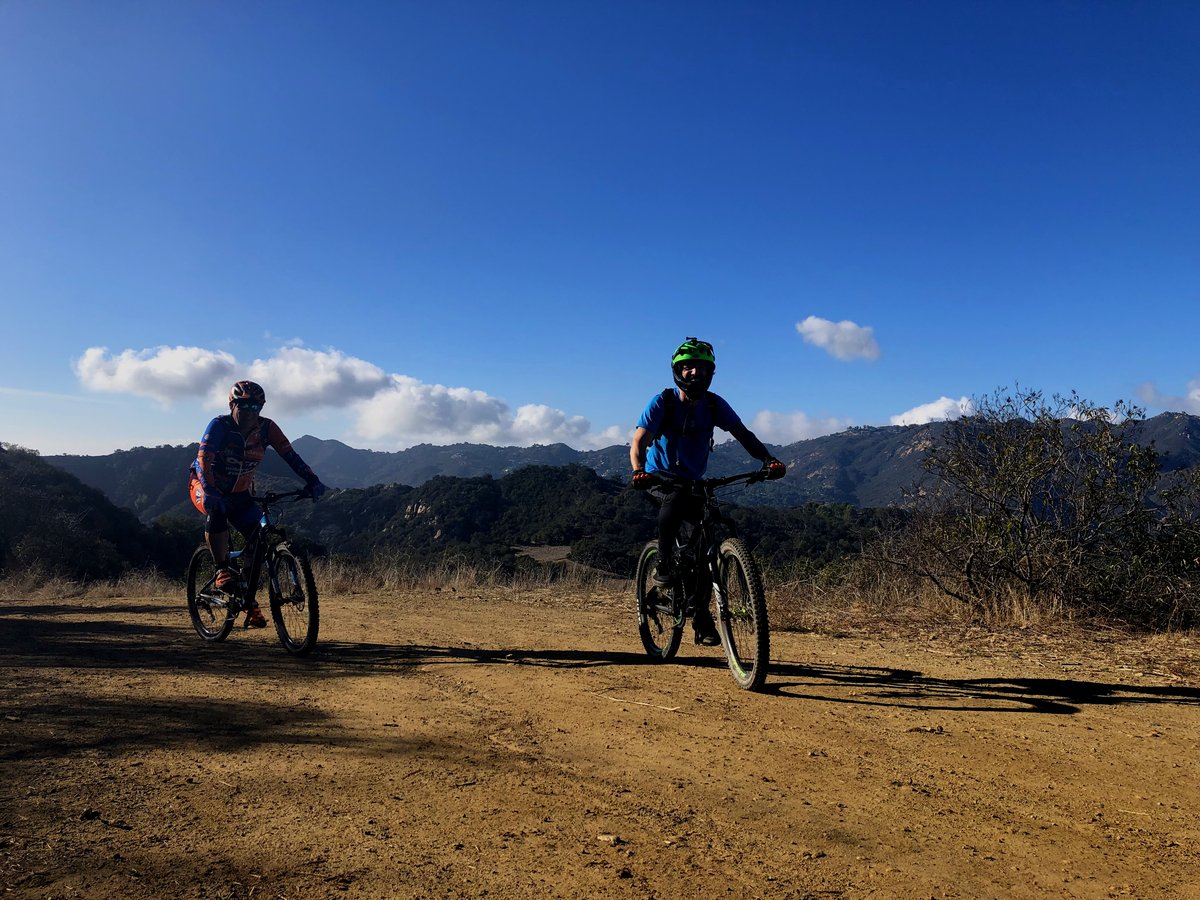
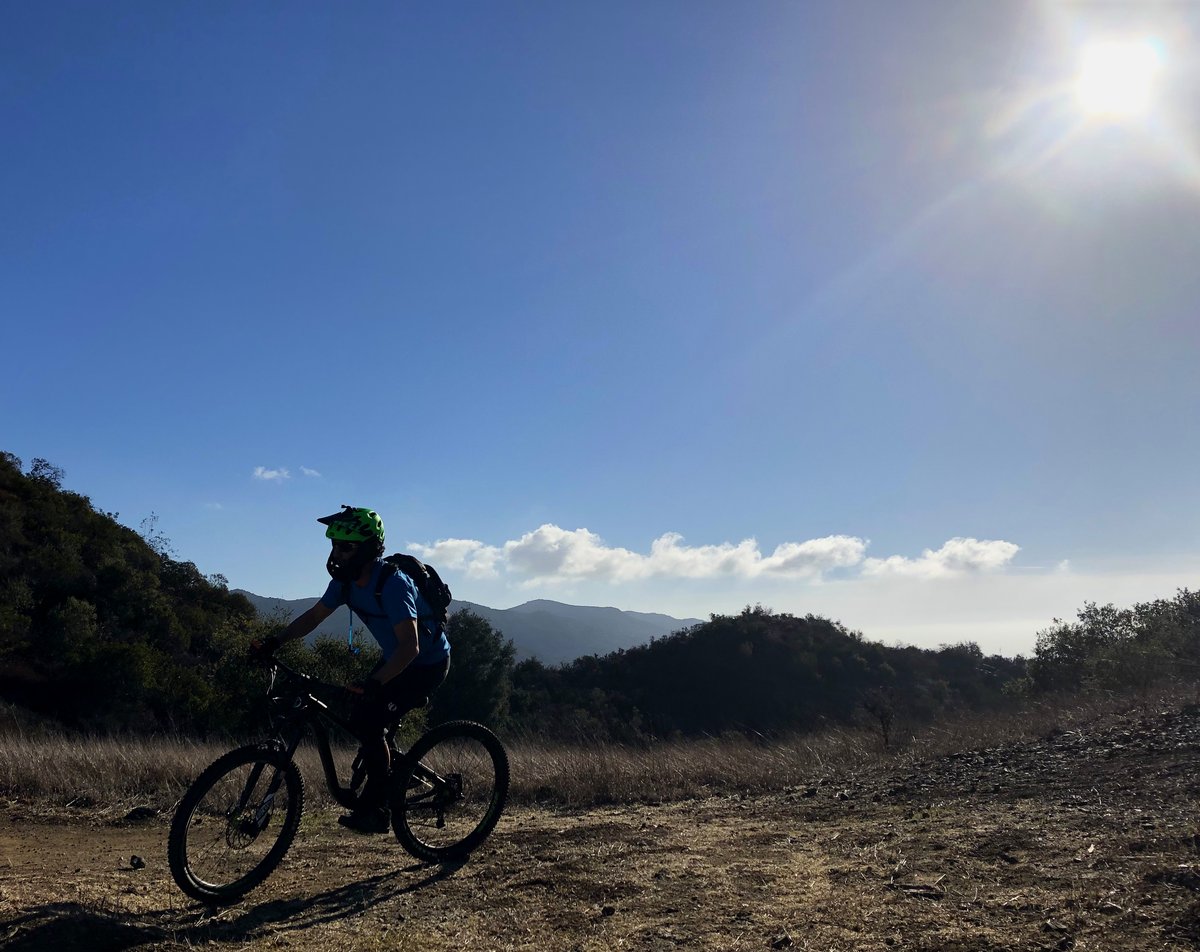
- Mountain Biking Allowed on designated fire roads, including East Topanga Fire Road and Backbone Trail.
- Horseback Riding Extensive equestrian trails with trailer parking at Trippet Ranch.
Wildlife and Nature Observation
- Birdwatching Over 80 species, including raptors, songbirds, and migratory flocks.
- Butterfly and Wildflower Viewing Especially vibrant in spring.
Picnicking, Camping, and Amenities
- Picnic Areas Shaded tables near Trippet Ranch and along select trails (California.com).
- Restrooms Available at Trippet Ranch and select trailheads.
- Water Drinking water only at Trippet Ranch—bring enough for your hike.
- Camping Primitive, hike-in only. No car camping; permits may be required (California State Parks).
Accessibility
- Facilities at Trippet Ranch are accessible; most trails are not. Accessible parking is available.
Guided Programs and Events
- Docent Walks Sundays (Jan–June), 10 am, starting at Trippet Ranch kiosk. Free, 2-hour walks covering natural and cultural history. Canceled during rain or high fire risk (California State Parks).
- Special Events Topanga Days, nature walks, wildflower hikes, and educational programs (We Like LA).
Filming and Photography
- Permits Required For commercial, student, or professional filming/photography. Contact State Park film permit coordinator (California State Parks).
Nearby Attractions
- Topanga Historical Society Museum
- Will Geer Theatricum Botanicum Outdoor theater performances
- Malibu Creek and Leo Carrillo State Parks Camping options
- Los Angeles Historical Sites Explore LA's cultural landmarks nearby
Frequently Asked Questions (FAQ)
Q: What are Topanga State Park's visiting hours?
A: Daily from 8:00 AM to sunset (hours may vary seasonally).
Q: Is there an entrance fee or ticket?
A: Admission is free; parking fees apply ($10–$15 at main lots).
Q: Where can I park?
A: Main lot at Trippet Ranch; arrive early for best availability.
Q: Are dogs allowed?
A: Only on paved roads and picnic areas (leash required); not on trails.
Q: Are there guided tours?
A: Yes, free docent-led hikes on Sundays (Jan–June).
Q: Is camping available?
A: Only hike-in, primitive camping (no car campgrounds).
Q: Are the trails accessible?
A: Some facilities are accessible at Trippet Ranch; most trails are not.