Early Origins and Naming
Soto Street’s origins trace back to the early 19th century and are rooted in the legacy of the Soto family. Casilda Soto, a prominent Angeleno, was granted Rancho La Merced in 1844, and her family’s landholdings influenced the development of the area. Over time, land sales and transfers—such as those to Andrew Boyle and later William H. Workman—helped shape the neighborhoods along Soto Street. By the late 1860s, what began as a rural dirt road had established itself as a key route in Los Angeles, reflecting the complex intersections of family, land, and power in the city’s history (El Sereno Historical Society).
Development as a Transportation Corridor
Initially serving local ranchers, Soto Street underwent a dramatic transformation in the 20th century. It was paved and converted into a major arterial road in 1927, symbolizing Los Angeles’ rapid urban expansion. The construction of the Soto Street Bridge in 1936 was a pivotal moment, designed to carry the Pacific Electric Railway’s Red Car streetcars. This bridge enhanced connectivity between neighborhoods and played a significant role in shaping the city’s transportation network (El Sereno Historical Society).
Soto Street and Boyle Heights: A Cultural Crossroads
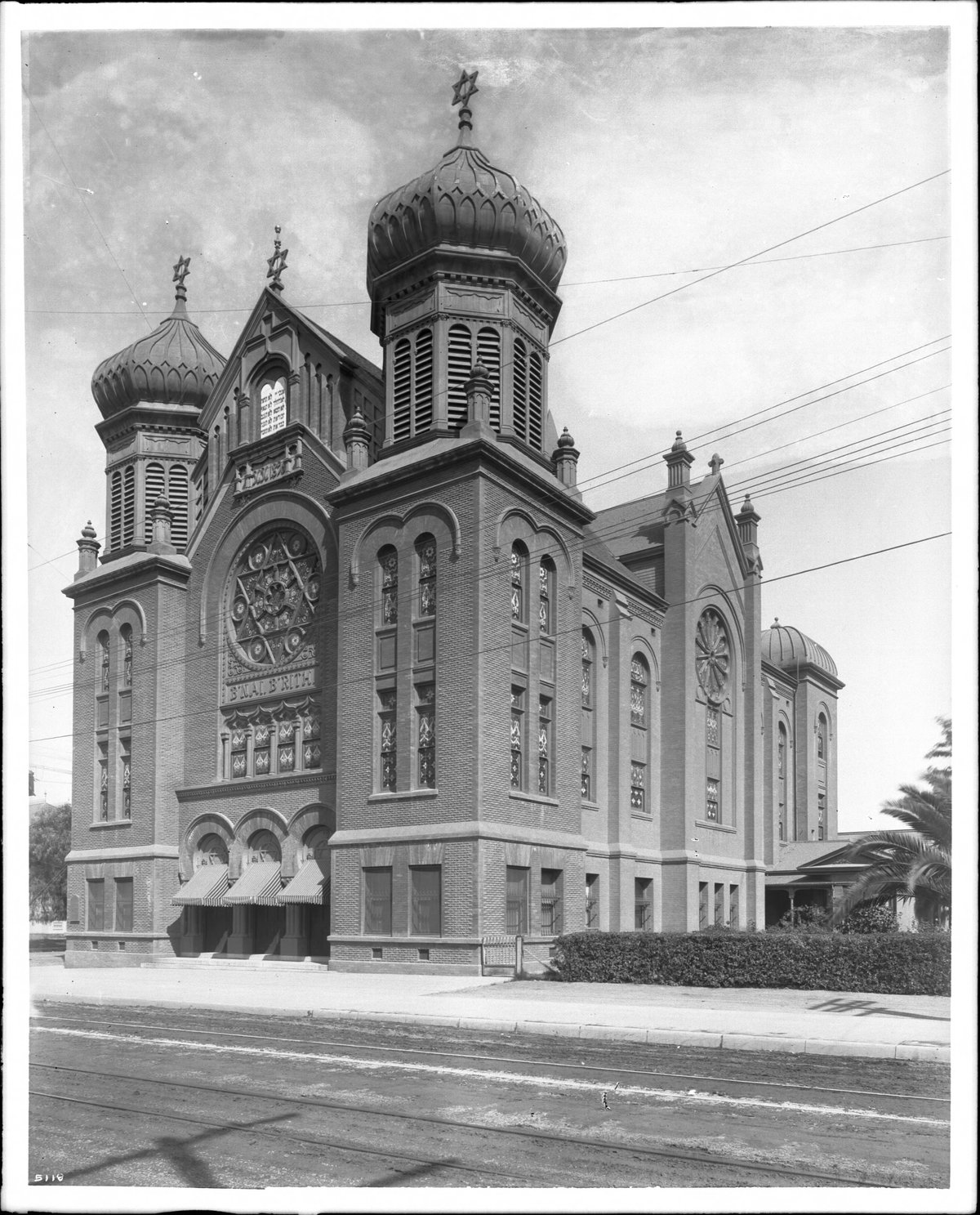
Boyle Heights, intersected by Soto Street, became a unique streetcar suburb known for its multicultural inclusivity. The absence of racially restrictive housing covenants attracted diverse immigrant communities, including Jewish, Mexican, and Japanese families. By the 1930s, Boyle Heights had the largest Jewish community in the western U.S., which later gave way to the vibrant Mexican-American community that defines the area today. Murals, festivals, and community organizations continue to celebrate and preserve this dynamic history (The Crazy Tourist).
Urban Change and Resilience
Throughout the postwar era, Boyle Heights and the Soto Street corridor experienced significant upheaval from urban renewal, redlining, and freeway construction. Despite displacement and loss of historic sites, community resilience has remained strong. Soto Street continues to serve as a cultural and political hub for Los Angeles’ Latino population, with its infrastructure adapting to the city’s growth and changing needs (El Sereno Historical Society).
Landmarks and Community Identity
Notable landmarks include the “El Corrido de Boyle Heights” mural at Soto Street and Cesar Chavez Avenue, which artistically narrates the neighborhood’s history and struggles. Soto Street’s proximity to historical sites like the El Pueblo de Los Angeles Historical Monument and Olvera Street further enriches its appeal for history enthusiasts.
Visitor Information: Hours, Tours, and Accessibility
- Soto Street Open year-round, 24/7. No entry fees.
- Guided Tours Available through local organizations, focusing on history, art, and cuisine.
- Best Visiting Times Daylight hours are ideal for mural viewing and photography. Weekends often feature community events.
- Accessibility Served by Metro bus lines and the Gold (L) Line, with visitor centers in Boyle Heights and El Pueblo offering maps and information.
- Parking Available but limited during festivals.
Demographic and Social Shifts
Soto Street’s evolution reflects Los Angeles’ broader demographic changes. A predominantly Jewish neighborhood in the 1930s, Boyle Heights became the nation’s largest Mexican-American community by the 1970s. Today, the area is celebrated for its activism, cultural vibrancy, and strong community ties (Medium).
Modern Significance and Visitor Experience
A walk or drive along Soto Street reveals a rich array of architectural styles, public art, and bustling businesses. The corridor’s murals, events, and historic intersections make it a must-see for visitors interested in Los Angeles’ cultural landscape.
Cultural Significance
Chicano and Mexican-American Heritage
Soto Street is a living testament to the enduring spirit of Chicano and Mexican-American culture. Often called the "Ellis Island of Mexican migration," the area has welcomed generations of immigrants, shaping the community’s identity through activism, education, and art (Medium).
Artistic Expression and Murals
The corridor is renowned for its murals, which chronicle themes of migration, resilience, and social justice. Inspired by Mexican muralists like Diego Rivera, these collaborative works are a source of pride and a visual history lesson for all who visit (The Crazy Tourist).
Culinary Traditions
Soto Street is a culinary hub, with legendary spots like El Tepeyac Café and bustling markets such as El Mercado. Food here is an expression of cultural identity, with street vendors and restaurants offering everything from tamales to regional specialties (The Crazy Tourist).
Community and Social Life
Community organizations, churches, and schools are central to local life. Celebrations such as Día de los Muertos and the East LA Mexican Independence Day Parade reflect the area’s strong traditions and civic engagement (Medium).
Music, Festivals, and Performing Arts
Music is ever-present, from mariachi at Mariachi Plaza to folklórico performances during festivals. Major events, including the Boyle Heights Mariachi Festival, highlight the area’s creative energy (The Crazy Tourist).
Religious and Spiritual Significance
Historic churches such as Our Lady of Lourdes anchor the community’s spiritual life, hosting religious festivals that blend Catholic and indigenous Mexican traditions.
Language and Identity
Bilingualism is a hallmark of Soto Street, with Spanish and English prevalent in signage and daily life. Cultural centers and schools reinforce Chicano identity through bilingual education and traditional arts programs (Medium).
Practical Visitor Information
Visiting Hours and Tickets
- Soto Street Open 24/7; no ticket required.
- Venues Hours vary; check ahead for museums or community centers.
Accessibility
- Most sidewalks and murals are accessible.
- Restaurants and cultural sites may vary; confirm ahead if you have mobility needs.
Transportation and Getting There
- Public Transit Served by Metro buses and the Gold (L) Line. Metro Gold Line (L Line)
- Driving Easily accessed via I-5 and I-10.
- Parking Limited during events.
Nearby Attractions
- Mariachi Plaza
- Breed Street Shul
- East LA Civic Center
Soto Street Bridge: A Historic Landmark
Visiting Hours and Access
- Open 24/7; no entry fee.
- Recent Renovations Expanded lanes, new bike lanes, and improved sidewalks (west side).
- Location Crosses Valley Blvd, connecting Boyle Heights, Lincoln Heights, and El Sereno.
Accessibility
- Wheelchair accessible on the west-side sidewalk.
- Construction may occasionally affect access.
Directions
- Easily reached via Metro bus, Gold (L) Line, or by car.
Key Attractions Along the Soto Street Corridor
Boyle Heights: Cultural Heartbeat
- Mariachi Plaza Music and cultural events; hub for local musicians.
- El Tepeyac Café Famous burritos.
- Guisados Popular for handmade tortillas and stews.
- La Mascota Bakery Renowned for tamales and pan dulce.
Lincoln Heights: Historic Charm
- Heritage Square Museum Victorian-era homes and city history.
El Sereno: Scenic and Serene
- Residential area with hiking trails and views at Ascot Hills Park.
Parks and Outdoor Recreation
- Hazard Park Sports, playgrounds, and picnic areas.
- Ascot Hills Park Hiking and panoramic city views.
Street Art and Murals
Explore the area’s rich mural tradition, with self-guided walking tours recommended for art lovers.
Transportation and Accessibility
- Metro Gold (L) Line Soto/1st Street station.
- Bus lines Frequent service.
- Construction Updates Check local sources for current conditions.
Community Events and Festivals
Mariachi Plaza and Boyle Heights host numerous festivals, parades, and art walks year-round, celebrating local culture.
Visitor Tips
- Visit during daylight for the best mural viewing and safety.
- Weekends are lively with events but can be crowded.
- Respect public art and local customs.
- Be aware of construction and changing accessibility.
Infrastructure, Transportation, and Future Developments
Soto Street’s infrastructure continues to evolve, balancing historic preservation with modern needs. The city’s “Twenty-Eight by ’28” initiative for the 2028 Olympics will further enhance connectivity and sustainability, with goals such as a zero-emission bus fleet and expanded bike infrastructure (Webuild Value).
Frequently Asked Questions (FAQ)
Q: What are the best times to visit Soto Street?
A: Daytime is best for murals and landmarks; weekends for festivals.
Q: Are guided tours available?
A: Yes, check with local organizations for schedule and booking.
Q: Is Soto Street accessible by public transportation?
A: Yes, Metro bus lines and the Gold (L) Line serve the area.
Q: Is there an entry fee or ticket required?
A: No; Soto Street and public spaces are free to visit.
Q: Is the area wheelchair accessible?
A: Most sidewalks and the Soto Street Bridge (west side) are accessible; check venues individually.
Discover More
Download the Audiala app for guided audio tours and real-time updates on events, transit, and attractions along Soto Street. Follow us on social media for the latest visitor tips and cultural highlights. Explore related articles on East LA’s history and Mexican-American heritage for a deeper dive.
Useful Links
- El Sereno Historical Society – Soto Street Bridge
- Medium – 24 Hours in East L.A.: An Outsider's Guide
- City of Los Angeles Bureau of Engineering – Soto Street Projects
- Streetsblog LA – Soto Street Bridge Widening
- Metro Gold Line (L Line) Information
- The Crazy Tourist – Things to Do in East Los Angeles
- Angel Times – Los Angeles Transportation and Infrastructure
- 501 Places – Best Way to Get Around Los Angeles
- Secret Los Angeles – Most Walkable Neighborhoods
- Transiting Los Angeles
- Webuild Value – Infrastructure in Los Angeles
Audiala2024