Aliso Village: History, Visiting Information, and Community Evolution
Indigenous Roots and El Aliso
Long before modern Los Angeles, the land now called Pico/Aliso was home to the Tongva people. The ancient sycamore known as El Aliso, which stood near today’s Commercial Street and the 101 Freeway, served as a ceremonial and council site for local villages (Aliso Tree). The tree’s legacy endures as a symbol of resilience and continuity.
Spanish, Mexican, and Early American Periods
With Spanish colonization in the late 18th century, the area became a center for vineyards—thanks to hybrid grapevines introduced nearby—which laid the foundation for California’s wine industry (Aliso Tree). During the Mexican era, the area formed part of expansive ranchos, and later, American industrialization transformed it into a hub for warehouses and rail lines (Wikipedia: Aliso Village).
Aliso Village: Public Housing and Community Life
Constructed in 1942 by the Housing Authority of the City of Los Angeles, Aliso Village was a 29-acre public housing project designed to address wartime housing shortages (Living New Deal). The initially celebrated complex soon became predominantly Latino as demographic shifts followed World War II (Wikipedia: Aliso Village). Despite subsequent isolation from freeway construction and rail closures, the community developed a strong local culture, anchored by schools, churches, and grassroots organizations.
Decline, Demolition, and Redevelopment
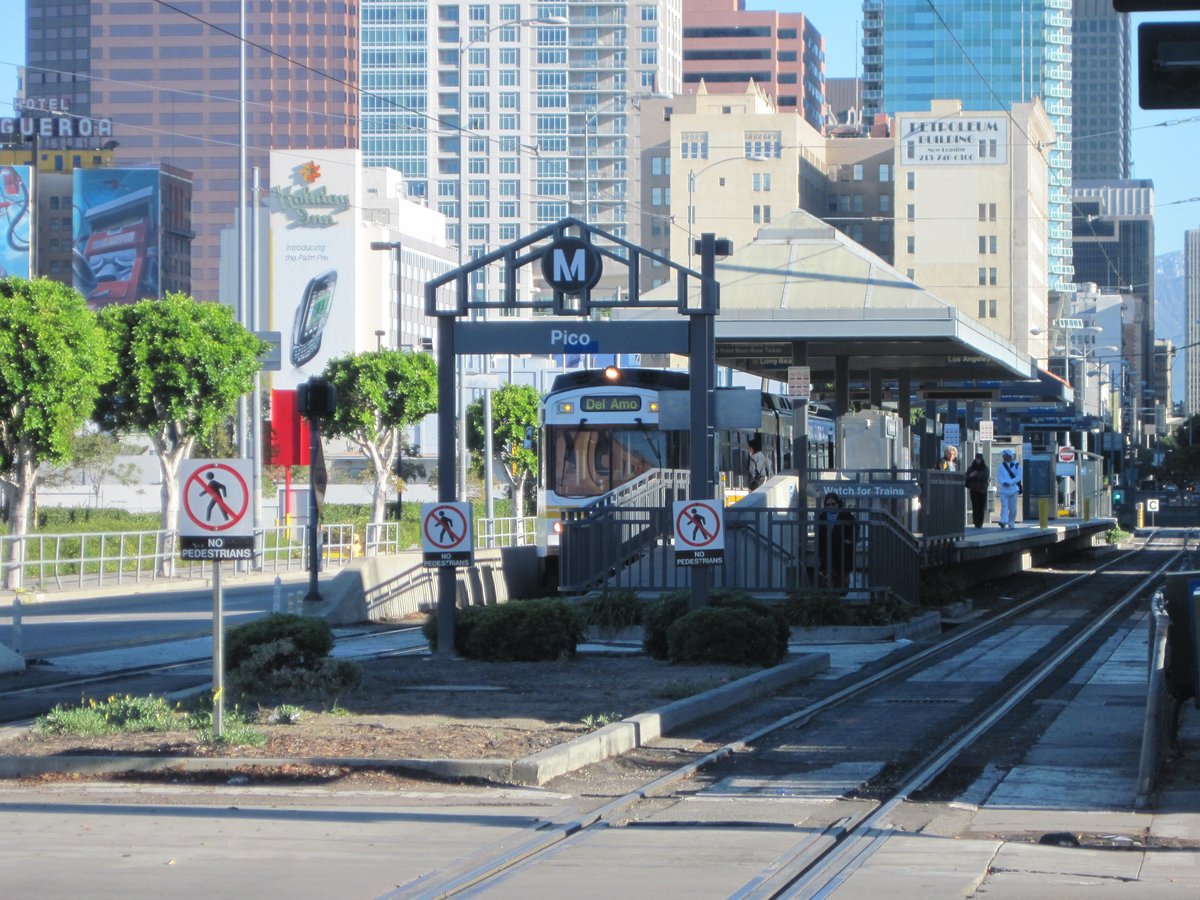
By the 1970s, the area suffered from disinvestment, overcrowding, and the rise of gang activity. Community activism led to some improvements, but by the late 1990s, Aliso Village was deemed uninhabitable and demolished. The redevelopment as Pueblo del Sol, a mixed-income community, opened in 2003—though only a fraction of former residents returned (Knock LA). The opening of the Metro Gold Line (now E Line) Pico/Aliso station in 2009 further connected the area to the broader city (Wikipedia: Pico/Aliso station).
Visiting Information
- Hours Pueblo del Sol and public spaces are open daily; recommend daytime visits for safety.
- Tickets No entrance fees or tickets required.
- Access E Line Metro station (Pico/Aliso), limited street parking; public transit or rideshare recommended.
- Guided Tours Occasionally available through local organizations—check community calendars.
Nearby Attractions
- Pico/Aliso Metro Station Notable for Rob Neilson’s "About Face" public art.
- Dolores Mission Church Community hub with active programs.
- Los Angeles River Walks Scenic urban trails.
- Boyle Heights Renowned for murals, eateries, and festivals.
Cultural Significance of Pico/Aliso and Boyle Heights
Community Identity and Art
Pico/Aliso exemplifies the multicultural story of Boyle Heights, which has served as a home for Jewish, Japanese, Russian, and Mexican immigrants over the past century (Transiting Los Angeles). The Metro station’s "About Place About Face" installation features cast-iron face molds of local residents, celebrating the area’s collective memory.
Public Art and Institutions
The neighborhood is famed for its vibrant murals and community-driven art projects, which narrate stories of migration, resilience, and solidarity (Santa Monica Pico Boulevard). Adjacent cultural hubs, such as local high schools, theaters, and parks, foster intergenerational exchange and community events.
Culinary and Small Business Scene
From classic Mexican fare at Gilbert’s El Indio to Mediterranean and fusion spots, Pico/Aliso’s culinary diversity reflects its rich immigrant heritage. Small businesses and specialty shops add to the neighborhood’s local flavor (Santa Monica Pico Boulevard).
Festivals and Social Activism
Pico/Aliso and Boyle Heights have a strong tradition of social justice activism, centered on immigrant rights, housing, and education (Transiting Los Angeles). Local festivals, often inspired by citywide events, feature live music, food fairs, and cultural celebrations (Secret Los Angeles Event Calendar).
Accessibility
- Metro E Line Station open daily, approx. 4:00 AM–1:00 AM (Metro E Line Information).
- Neighborhood Accessible sidewalks and ADA-compliant facilities; bike-friendly routes.
El Aliso: Indigenous Legacy and Modern-Day Markers
El Aliso’s Historical Significance
El Aliso, estimated to be over 400 years old, was a gathering site for the Tongva/Kizh people and a landmark for Spanish settlers (PBS SoCal). Its location is now marked by a sidewalk plaque on Commercial Street near the 101 Freeway (Alta Online).
Visiting El Aliso’s Site
- Plaque Location Commercial Street, near Cesar E. Chavez Avenue and Vignes Street.
- Public Art “El Aliso de Los Angeles” illuminated installation at Division 13 Bus Facility (Alta Online).
- Access Open 24/7; no tickets or entry fees.
Community and Modern Context
Organizations like Proyecto Pastoral continue to uplift Pico/Aliso residents, while the area’s proximity to Boyle Heights and the Arts District ensures a lively urban atmosphere (Streetsblog LA).
Additional Points of Interest
- Los Angeles River Greenway Urban trail and restoration area (PBS SoCal).
- Historic Bridges 1st and 4th Street bridges with views of downtown.
Transportation and Visitor Guide for Pico/Aliso Station
Getting There
- Metro E Line (Pico/Aliso Station) 1311 E 1st St, Boyle Heights; runs to Union Station and East LA.
- Bus Lines Metro 106, 40, 70, DASH D.
- Accessibility ADA-compliant, elevators, ramps, and tactile paving.
- Parking Limited street parking, accessible rideshare zones.
Key Sites Near the Station
| Attraction | Description | Access/Hours |
|---|---|---|
| Mariachi Plaza | Music, murals, festivals | Open 24/7, free |
| Breed Street Shul | Historic synagogue, tours by appointment | Weekdays, donation welcomed |
| Boyle Heights Mural Tour | Self-guided walking tour of local murals | Daytime recommended |
| Local Eateries | Authentic East LA cuisine | Varies |
Visitor Tips
- Use a TAP card for Metro access.
- Download apps like Moovit or Metro for real-time updates.
- Wear comfortable shoes; plan for walking.
- Visit during daylight for safety and best visibility.
Frequently Asked Questions (FAQ)
Q: Do I need tickets to visit Pico/Aliso or Aliso Village?
A: No. All public spaces, art installations, and most local attractions are free to visit. Some guided tours may require booking and a fee.
Q: What are the hours for visiting El Aliso’s site?
A: The sidewalk plaque and art installations are accessible 24/7.
Q: How do I get to Pico/Aliso by public transit?
A: Take the Metro E Line to Pico/Aliso station, which connects to downtown LA and East LA.
Q: Is the area accessible for people with disabilities?
A: Yes, Metro stations and most public spaces comply with ADA standards.
Q: Are guided tours available?
A: Yes, some local organizations offer walking tours; check community calendars for schedules.
Summary and Visitor Tips
Pico/Aliso is a testament to Los Angeles’s layered history and vibrant community spirit. From its origins as an indigenous meeting ground beneath El Aliso, through the eras of public housing and waves of immigration, to its current role as a hub for art and activism, the neighborhood welcomes visitors eager to connect with its stories.
- Best time to visit Daylight hours for safety and full enjoyment.
- Getting around Metro E Line for easy access; rideshare for convenience.
- Cultural highlights Murals, public art, local eateries, and community events.
- Travel resources Discover Los Angeles, Secret Los Angeles Event Calendar, Metro Trip Planner.
For a deeper, curated experience, download the Audiala app for guided tours and insider tips, and follow related social channels for event updates.