

What Pico and Pico-Union are
Pico, Los Angeles, comprises a collection of neighborhoods, including Pico-Union, that reflect the city’s layered history, multicultural communities, and urban development. Named for Pío de Jesús Pico, the last Mexican governor of California, Pico-Union is known for its historic architecture, immigrant communities, and cultural institutions (Wikipedia; PBS SoCal).
Pico-Union is one of LA’s earliest neighborhoods. Its streets and buildings reflect the area’s past and present, while local businesses, festivals, and street art express its multicultural character (Pico Union Project; LA Eater).
History
The area’s story reaches back to the Tongva village of Geveronga and El Pueblo de Los Angeles, established in 1781 by settlers of mixed African, Indigenous, and European descent (PBS SoCal). Spanish colonialism and later waves of immigration shaped the region. Pío de Jesús Pico, after whom the neighborhood is named, was a pivotal figure in California’s transition from Mexican to American governance.
By the late 19th century, Pico-Union had changed from agricultural land into one of LA’s first streetcar suburbs. Victorian homes and early 20th-century apartment buildings reflected the city’s growth, while proximity to downtown and streetcar access made the area a desirable residential address (L.A. Conservancy PDF).
Successive immigrant communities shaped Pico-Union’s identity. The area was once home to European and Jewish communities, and became a major entry point for Central American immigrants, especially Salvadorans and Guatemalans, in the late 20th century (Pico Union Neighborhood Council). Today, its Latino majority and multicultural communities are reflected in local businesses, festivals, and street art.
In 2004, Pico-Union became LA’s nineteenth Historic Preservation Overlay Zone (HPOZ), protecting much of its built heritage (L.A. Conservancy). Preservation remains an ongoing concern as development pressures, including high-rise proposals such as the Albany Project, prompt local groups to balance growth with the area’s historic and cultural integrity.
What to see
- Alvarado Terrace Historic District Early 20th-century mansions and historic streetscapes; best explored during daylight.
- Pico House A historic 19th-century hotel emblematic of LA’s early modern era.
- Historic churches and community centers Many welcome visitors and frequently host cultural events.
- Architecture and street art The neighborhood includes grand mansions on Alvarado Terrace, distinctive period apartment buildings, and murals. Self-guided walking tours are available through the Los Angeles Conservancy (L.A. Conservancy PDF).
Virtual tours, interactive maps, and photo galleries are also available through the Los Angeles Conservancy and Pico Union Neighborhood Council websites (Los Angeles Conservancy; Pico Union Neighborhood Council).
Practical visiting information
- Visiting hours Most sites are accessible from dawn to dusk. Check individual venues for their specific hours.
- Tickets Los Angeles Conservancy self-guided tours are free (L.A. Conservancy PDF). Private properties may require advance arrangements.
- Guided tours Local organizations offer tours seasonally. Check the Pico Union Neighborhood Council for current schedules.
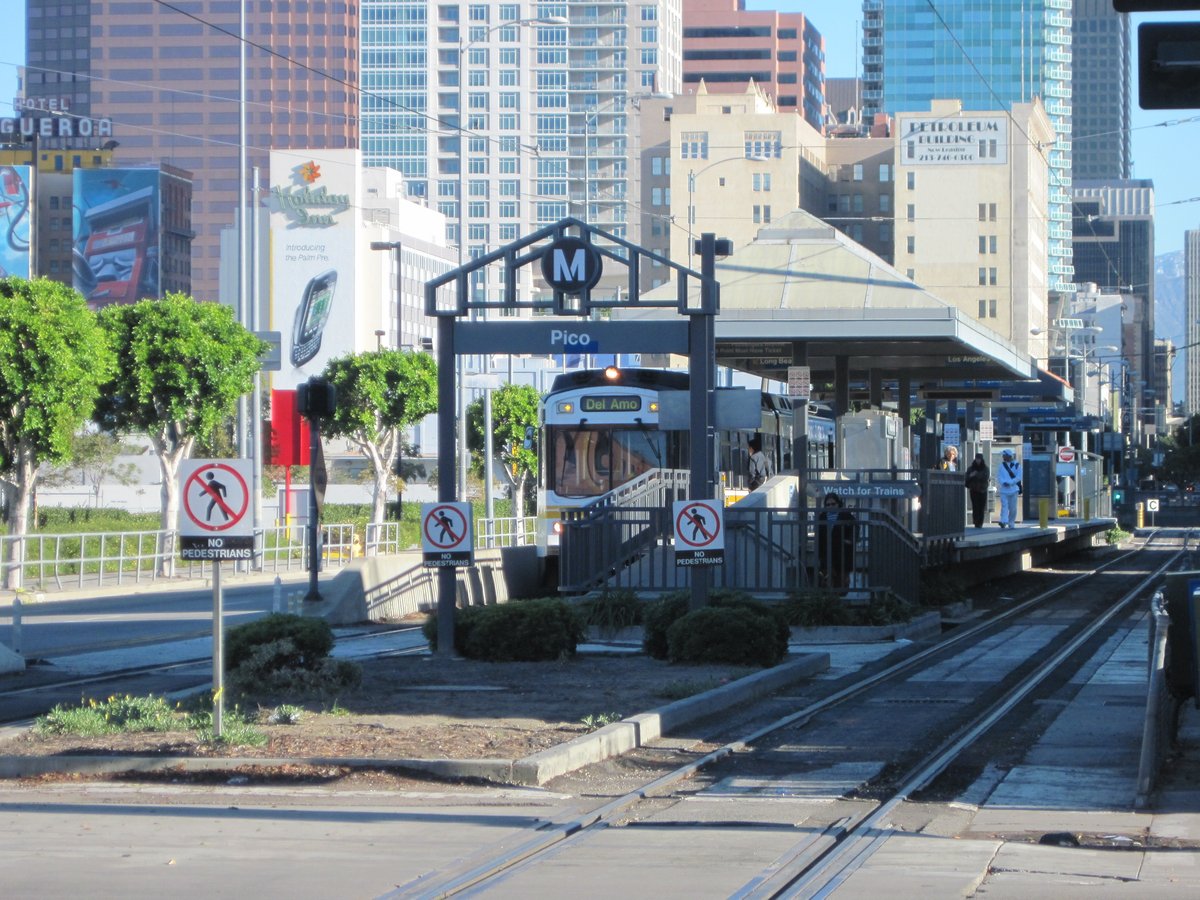
- Getting around The area is walkable and served by Metro buses and nearby subway stations. Transit options include Metro Rail (Expo Line’s Pico Station), buses, and DASH shuttles. Sidewalks are generally accessible for visitors with mobility needs, and most transit and public spaces are accessible.
- Parking and driving Expect heavy traffic and limited parking. Public transit or rideshares are recommended. Cycling and walking are feasible for short trips, but avoid biking in heavy traffic.
- Accommodation There are few hotels within Pico; Downtown LA offers more choices with easy transit connections.
- Dining Options include Salvadoran, Mexican, Korean, and other cuisines (LA Eater).
Tips
- When to visit Spring and fall offer comfortable weather and active event calendars. The climate is mild, and June features festivals and events.
- Safety The neighborhood is generally considered safe for tourists, especially during the day. Avoid quiet areas at night, use standard urban caution, keep valuables secure, and blend in with locals.
- Navigation and health Google Maps and LA Metro apps can help with navigation. Stay hydrated and keep emergency contacts handy.
- Money Credit and debit cards are widely accepted; carry some cash.
- Local laws Alcohol is for ages 21 and over; marijuana is for ages 21 and over on private property.
- Emergency Dial 911 for emergencies. Good Samaritan Hospital is the nearest hospital.
- Photography Photos are permitted in public spaces. Respect private property and residents’ privacy.
Nearby places: Pico Boulevard
Pico Boulevard stretches from Santa Monica’s coast through diverse communities to Downtown, passing through neighborhoods with distinct attractions.
Santa Monica
Public murals, Virginia Avenue Park’s farmers market, and McCabe’s Guitar Shop are among the highlights. The area has three Metro E Line stations (Santa Monica Official Site).
Sawtelle and West LA
The area is known for Japanese ramen and Persian bakeries. The former Westside Pavilion tech campus is a local landmark.
Pico-Robertson
This district is associated with Jewish heritage, including kosher markets, synagogues, and family-friendly festivals (Plugged In Travel).
Little Ethiopia and Wilshire Vista
These neighborhoods offer African and global flavors, including Ethiopian classics at Messob and Rosalind’s.
Koreatown
Attractions include Korean BBQ, karaoke, and festivals.
Byzantine-Latino Quarter and Pico-Union
Highlights include Salvadoran pupuserias and historic houses (LA Times).
Downtown
Venues and destinations include Crypto.com Arena, LA Live, and the Fashion District (Wikipedia).
Pico Boulevard is known for its murals and food scene, from Little Ethiopia’s eateries to Santa Monica’s classic Mexican fare. Live music venues include McCabe’s Guitar Shop and Pip’s on La Brea (LA Times). Metro E Line stations and bus routes serve the boulevard, which is walkable in many stretches; parking can be tight, so public transit or rideshares are recommended (Santa Monica Official Site).
Frequently Asked Questions
Are Pico-Union’s historic sites free to visit?
Most walking tours are free; private properties may require advance arrangements.
What’s the best way to get to Pico-Union?
Metro buses and the subway serve the area, which is also pedestrian-friendly.
Is the neighborhood safe for tourists?
It is generally considered safe, especially during the day. Exercise standard urban caution.
Are guided tours available year-round?
Tours are often seasonal; check local websites for current offerings.
Can I take photos?
Yes, in public spaces. Respect private property and residents’ privacy.